

When Adapting Meant Giving Up the Right to Adapt

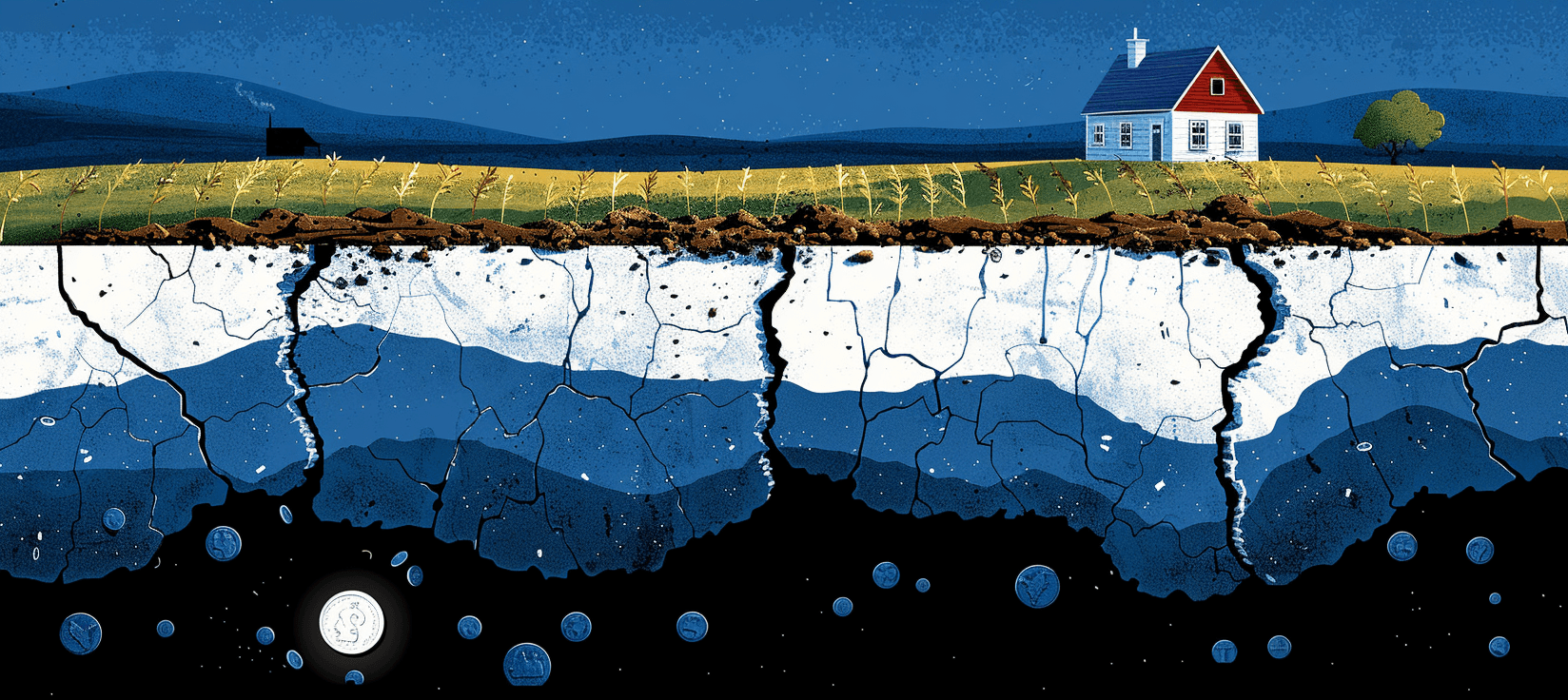
The man offered fifty cents an acre for rocks you couldn't see and couldn't use. Your corn was bringing thirty cents a bushel, down from forty-one twenty years back. Taxes were due. The deed looked straightforward enough—just the minerals, just what was underground.
What you signed away was your grandchildren's ability to object when someone wanted to blow the top off the mountain. The adaptation that saved you in the 1890s eliminated every other option for the next hundred and fifty years. Some people understood what those deeds actually meant. Most didn't find out until it was too late.
When Adapting Meant Giving Up the Right to Adapt
The man offered fifty cents an acre for rocks you couldn't see and couldn't use. Your corn was bringing thirty cents a bushel, down from forty-one twenty years back. Taxes were due. The deed looked straightforward enough—just the minerals, just what was underground.
What you signed away was your grandchildren's ability to object when someone wanted to blow the top off the mountain. The adaptation that saved you in the 1890s eliminated every other option for the next hundred and fifty years. Some people understood what those deeds actually meant. Most didn't find out until it was too late.

The Engineer Who Warned for Sixteen Years and Died Before Anyone Said Thank You
CONTINUE READINGHistory Echoes This Week

Small farmers in the 1930s knew exactly what would save their land. Terracing. Cover crops. Letting exhausted fields rest. The problem was watching your neighbor's unprotected topsoil blow onto your carefully managed acres, undoing everything.
Low crop prices meant most couldn't afford conservation measures alone. Individual effort collapsed against regional atmospheric dynamics. A farmer could do everything right and still lose everything to someone else's bare fields three miles upwind.
Government soil conservation districts arrived in 1937, coordinating erosion control across property lines. Within twelve months, soil loss dropped 65 percent. The solution required institutional design that matched the scale of the problem. Private virtue couldn't overcome collective action failure.