

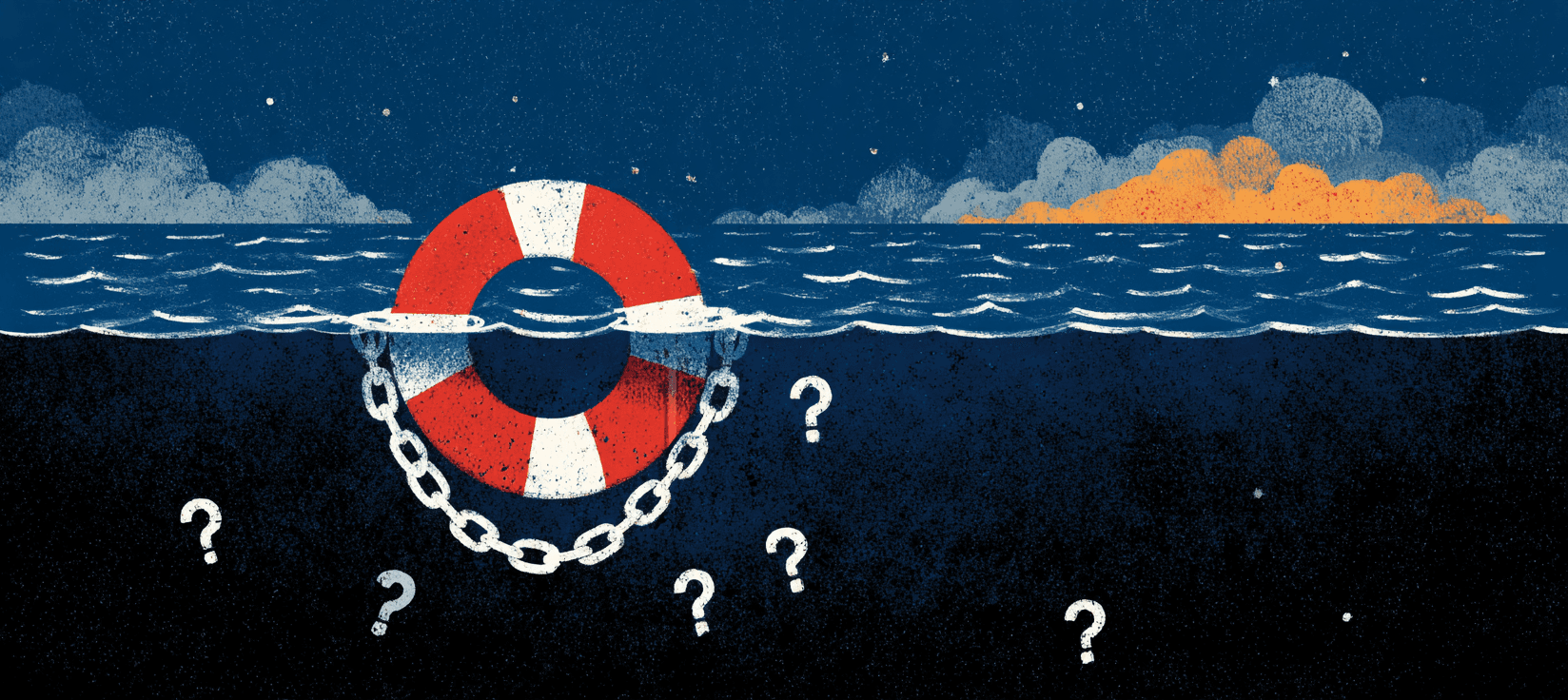
Jack's sitting in his truck outside the co-op in Stonington at 2am because he can't sleep and Tommy's coming over at breakfast to talk about it again. Third time this month. The kid wants in. Wants his lobster license, wants to buy into the boat, wants to learn the business properly. Wants the life his father's had for 35 years.
Jack's got the printouts on the seat next to him—the ones his wife found and made him read because she said he was being a coward about it. Gulf of Maine warming faster than 99% of the world's ocean. Water temperature up 4 degrees since the 1980s. Lobster moving north into Canadian waters. The sweet spot shifting away from Maine like the whole ecosystem is packing up and leaving without asking permission.
He knows what he's supposed to tell his son. He's known for six months. Knowing it and saying it out loud are two different animals.
Tommy's 23. Finished his welding certificate, worked a year at Bath Iron Works building destroyers for people who'll never see the ocean the way he does. Hated every minute of it—the foreman, the time clock, the whole business of punching in for someone else's schedule. Came home one night and told Jack he'd rather make half the money and own his own time. Jack understood that. That's why he's been lobstering since he was 16.
Except now the whole thing is sliding north at about 40 miles per decade, according to the marine biologist from the University of Maine who came to the fishermen's meeting last month. Showed them projections. By 2035, maybe 2040, the Maine lobster fishery as currently structured will be in serious trouble. By 2050, it might not exist at all. The lobster will still be there—just in Nova Scotia and Newfoundland.
After the presentation, Bobby Hutchins said the scientist was full of shit. Said they'd been hearing this doom talk since the '90s and the fishing was still good. Few other guys nodded along.
Jack didn't say anything because he's been watching the water temperature readings for five years and he knows what he's seeing. Spring season starts earlier and ends faster. Molt timing is off. He's running further offshore every year to find them. Guys are fishing Canadian boundary waters now, which nobody did when he started. The lobster don't care about the border.
But if you say that out loud, if you're the guy who believes the scientists over the old-timers, you're the one saying the whole thing is over. You're saying the Maine lobster industry—the backbone of every coastal town from Kittery to Eastport, hundreds of millions in landings—is temporary. You're the one who stopped believing.
Jack could probably fish another fifteen years. Tommy's got forty years ahead of him. That's different math.
What he wants to tell his son: The ocean is changing faster than anyone wants to admit. The whole system—trap limits, license zones, seasonal restrictions—was designed for stable conditions that don't exist anymore. The NOAA assessments keep getting worse. If Tommy gets his license and buys into the boat, that's $50,000 minimum to get started properly. If the fishery collapses in fifteen years, he's 38 years old with a boat he can't use and skills that don't transfer to much else. Jack grew up hearing stories about the cod collapse. Those communities never recovered.
"I've loved this life for 35 years and now I have to tell you it's dying. I have to be the one who says the dream is over. I have to watch you look at me like I'm the one killing it."
His wife says Tommy's a grown man and can make his own choices. But Tommy's asking for Jack's blessing. Asking what his father thinks. And what Jack thinks is that he's spent three decades building something to pass on to his son, and now the water's getting too warm and the whole thing is slipping away like sand through his fingers.
Bobby Hutchins is telling his son to go for it. So is Danny Morrison. They say the scientists have been wrong before, that the lobster will adapt, that Maine fishing has survived everything else.
Jack doesn't know if they're right or if they're just lying to themselves. If they're so desperate to believe the life continues that they'll send their kids into a collapsing industry rather than admit what's happening. Or if Jack's the fool, believing computer models over 35 years of pulling traps. The lobster might figure it out. Canadian agreements might let Maine fishermen follow them north. Tommy might get twenty good years.
Jack's got four hours until Tommy shows up. Four hours to figure out if he's going to tell his son to chase it or kill it. If he's going to be the father who believed or the one who had the guts to say no.
The sun's starting to come up over the harbor. Jack's watching the other boats getting ready to head out. In a few hours he'll be out there too, running his traps, pulling up lobster that are getting smaller and scarcer in his traditional grounds. And then he'll come home and his son will be waiting.
He still doesn't know what he's going to say. But he's got the printouts in his hand, and Tommy deserves to see them. Deserves to know what his father knows. After that, it's not Jack's choice anymore. You give your son the truth and let him decide.
That's what he tells himself, anyway.
Things to follow up on...
-
Young people delaying parenthood: A 2024 Lancet study found that 52% of people aged 16-25 are hesitant to have children because of climate change, up from 36% in 2021.
-
Climate risk on home listings: Major real estate sites including Realtor.com, Redfin, and Zillow now incorporate property-level flood, fire, wind, and heat risk scores into their listings using First Street Foundation data.
-
Disclosure law gaps: More than a third of U.S. states have no legal requirement for sellers to disclose a property's flood history or risks to potential buyers, including Arizona, Georgia, New Mexico, and Virginia.
-
Young men feeling powerless: Millennial and Gen Z men are the cohorts most likely to believe climate change is beyond control and it's too late to take action, with 32% and 30% respectively agreeing with this view.