Project Completeness Case

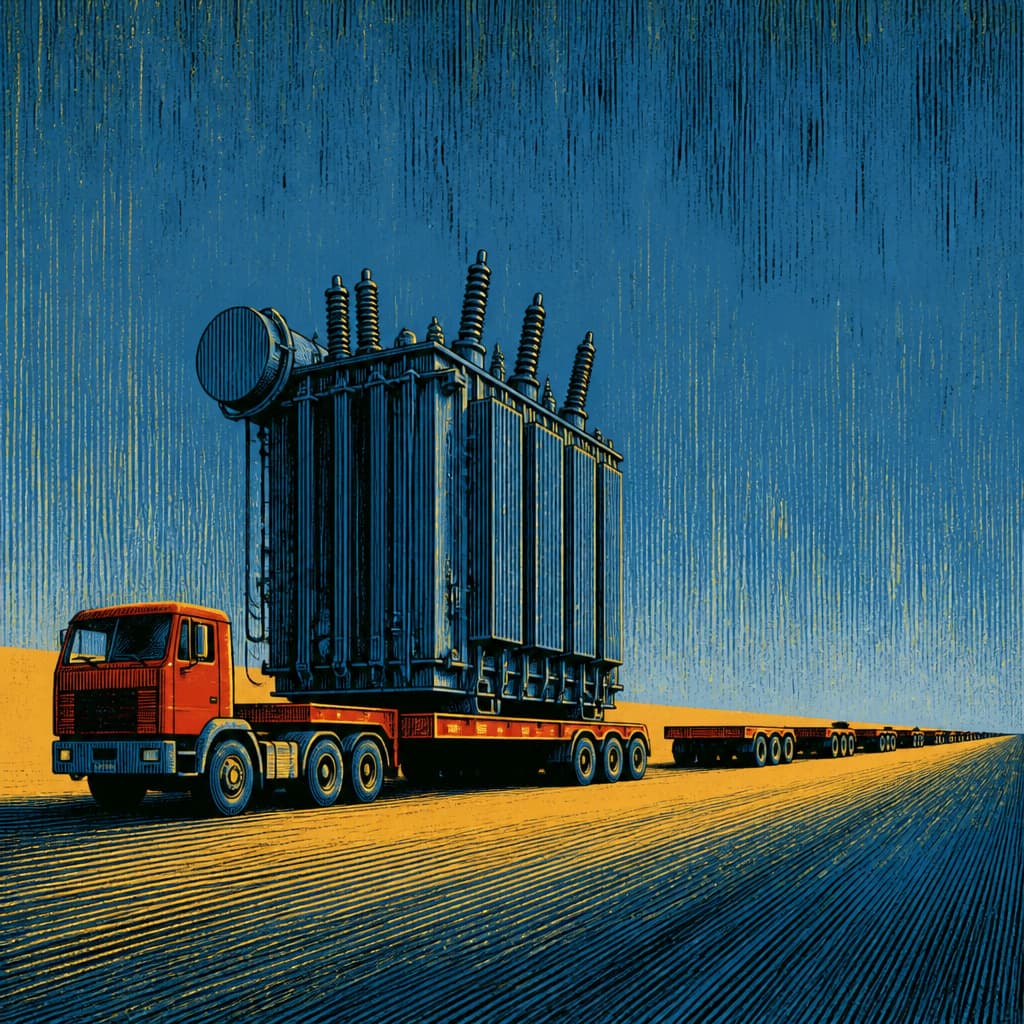
Cleveland-Cliffs canceled its $150 million distribution-transformer plant in Weirton, West Virginia, in May 2025, ten months after announcing it. The asset profile at announcement was unusually strong. The building was the company's own Half Moon Warehouse, with infrastructure already in place. The workforce was 600 idled USW steelworkers from the adjacent tinplate mill, organized and available. Raw material supply was vertically controlled: Cliffs is the sole domestic producer of grain-oriented electrical steel, the magnetic core material in every distribution transformer. West Virginia had committed a $50 million forgivable loan at the governor level.
None of it mattered. Cliffs' SEC filing attributed the cancellation to "changes in scope from the project partner," an unnamed technology and licensing partner that wouldn't commit at the scale Cliffs required. The building, the workforce, the material supply, the state capital — all of it was contingent on a business relationship the city had no visibility into and no ability to influence.
The question this surfaces for any ED director evaluating an announced opportunity: is the gap in this project something a city can close, or something a city can only watch?
What Must Arrive With the Grid-Equipment Project
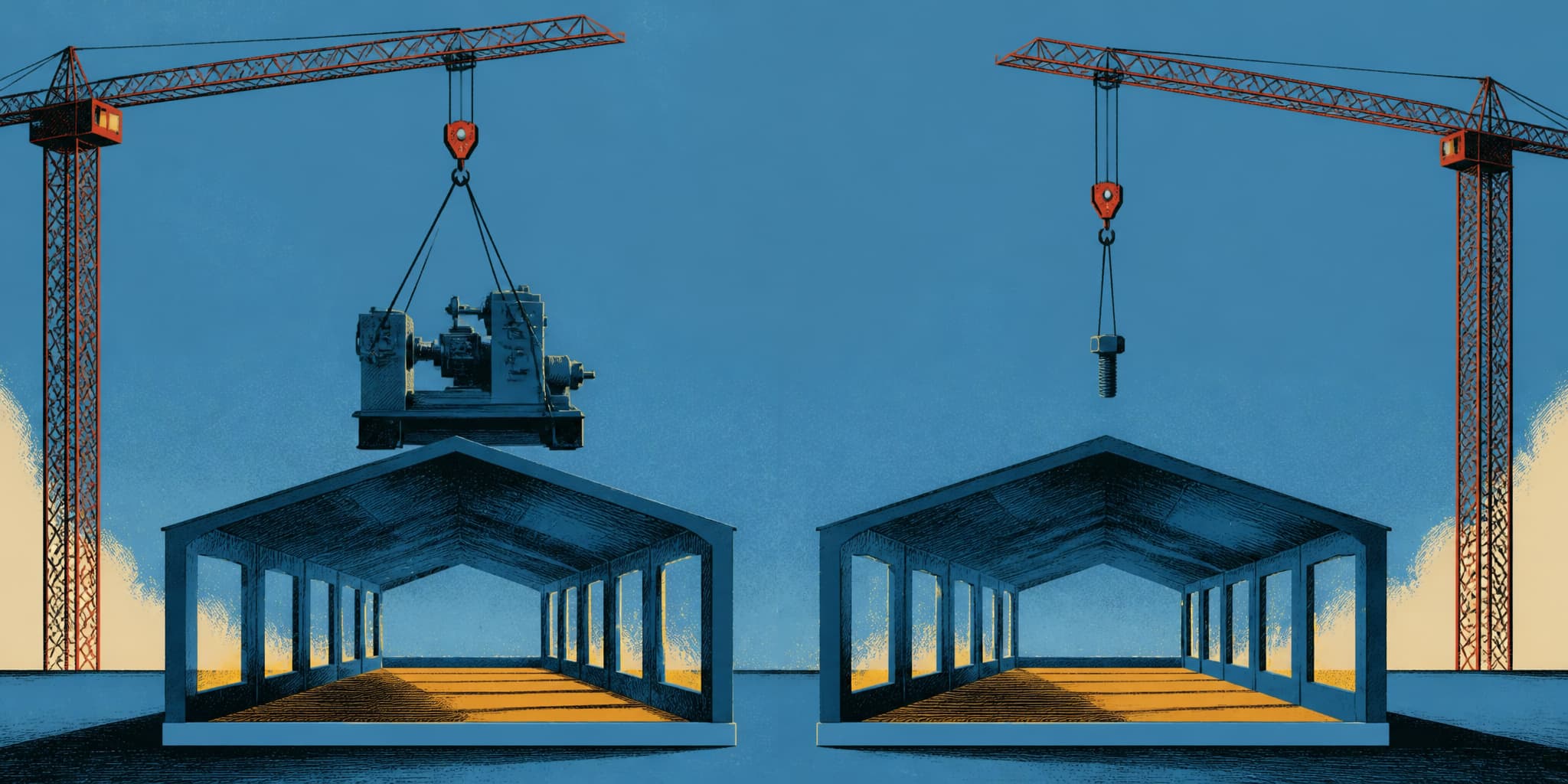
A transformer facility backed by a 55-year incumbent expanding its campus requires a city to supply expansion land and incremental power. A transformer facility proposed by a company that needs an external partner to supply the manufacturing technology requires the city to supply nearly everything, and may still fail. This piece maps five grid-equipment project archetypes by what arrives pre-assembled and what the city must build: attribute thresholds, qualification clocks, and risk profiles for each. Four are viable for tier-3 markets. The fifth, illustrated by the Weirton cancellation, is not.
What Must Arrive With the Grid-Equipment Project
A transformer facility backed by a 55-year incumbent expanding its campus requires a city to supply expansion land and incremental power. A transformer facility proposed by a company that needs an external partner to supply the manufacturing technology requires the city to supply nearly everything, and may still fail. This piece maps five grid-equipment project archetypes by what arrives pre-assembled and what the city must build: attribute thresholds, qualification clocks, and risk profiles for each. Four are viable for tier-3 markets. The fifth, illustrated by the Weirton cancellation, is not.