

Hearing the Fear Beneath the Question


You've been in senior loops where the questions felt fine, the energy felt fine, and you didn't advance. The evaluator had a concern they never stated. You never answered it. The concern won.
Every interview at this level runs two simultaneous conversations — the spoken one and the evaluative one. This piece maps the gap between them: five signal patterns that reveal when a hidden concern is active, four fear families that categorize what the evaluator is actually afraid might be true about you, and a repeatable diagnostic move you can execute in seconds. A skill you can practice before you walk into the room.
Hearing the Fear Beneath the Question
You've been in senior loops where the questions felt fine, the energy felt fine, and you didn't advance. The evaluator had a concern they never stated. You never answered it. The concern won.
Every interview at this level runs two simultaneous conversations — the spoken one and the evaluative one. This piece maps the gap between them: five signal patterns that reveal when a hidden concern is active, four fear families that categorize what the evaluator is actually afraid might be true about you, and a repeatable diagnostic move you can execute in seconds. A skill you can practice before you walk into the room.
Objection Dossier — The Head of Product Title Question
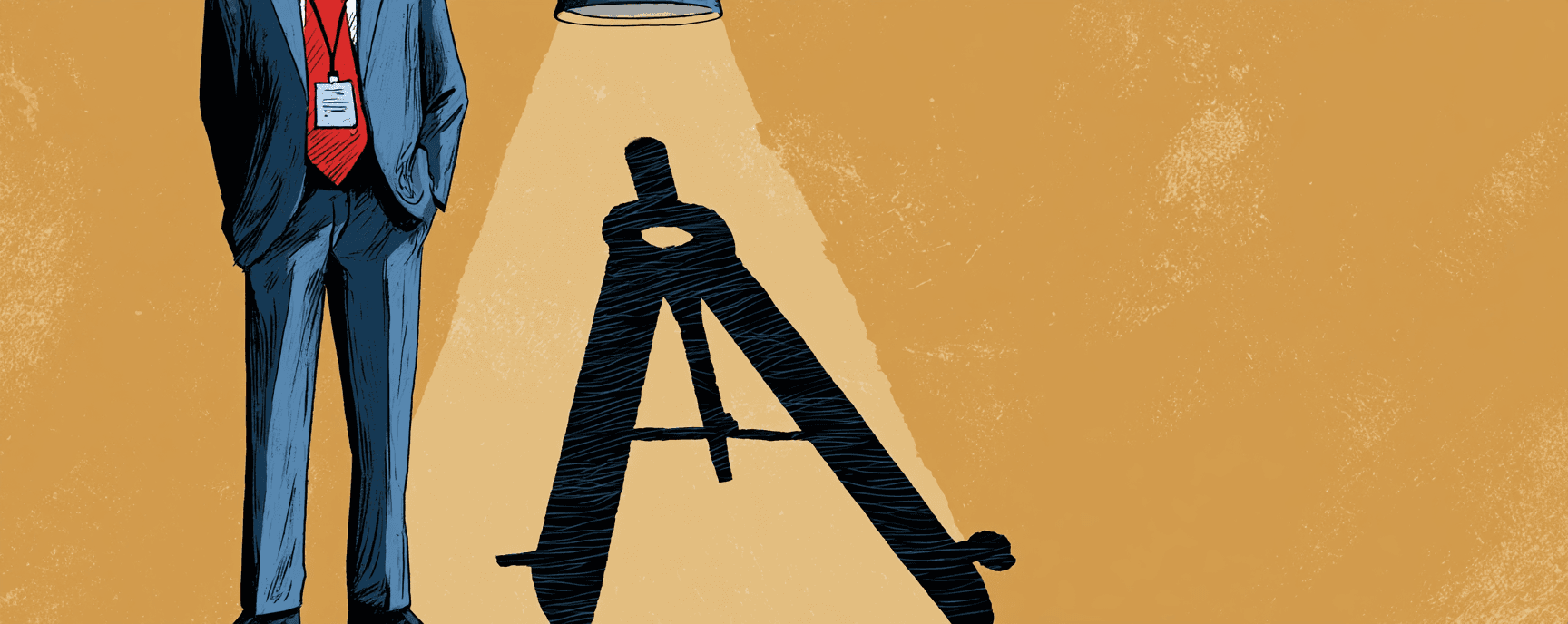
Your homepage hero says design leadership. Your browser tab still says Product Designer. Any interviewer who opens junochen.com sees both frames in the same viewport, and the product title is the one that anchors. The question is coming — at screening for growth-stage companies, during portfolio review for AI-native ones, in final rounds at enterprise. This dossier dissects what they're actually afraid of when they ask it, builds the counter-narrative from your five published design leadership mandates, and gives you verbatim phrasing that redirects without apologizing.
Objection Dossier — The Head of Product Title Question
Your homepage hero says design leadership. Your browser tab still says Product Designer. Any interviewer who opens junochen.com sees both frames in the same viewport, and the product title is the one that anchors. The question is coming — at screening for growth-stage companies, during portfolio review for AI-native ones, in final rounds at enterprise. This dossier dissects what they're actually afraid of when they ask it, builds the counter-narrative from your five published design leadership mandates, and gives you verbatim phrasing that redirects without apologizing.
The AI-Native Credibility Objection — What It Actually Tests and How to Answer It
Every senior designer eyeing Anthropic or OpenAI assumes the credibility test is "have you worked at a frontier lab." I pulled current design-leadership postings from OpenAI, Anthropic, Mistral, and Runway and extracted five evaluation criteria that actually recur. Lab pedigree does not appear in any of them. This dossier maps published portfolio evidence against those criteria with confidence markers on every claim, surfaces the grain of truth you should concede directly, and gives you response language tested against the most likely surface-form questions. Scan the quick reference in 90 seconds before you walk in.
Counter-Narratives Dossier — Consulting-Background Skepticism
The interviewer hears "BCG" and slots you into advisory consulting before you finish your sentence. Fly in, deck, fly out. That model exists at BCG. Yours was different. But correcting the category error only gets you to neutral. Some versions of this objection have real substance, and you need to know which rooms require acknowledgment versus which ones your evidence resolves outright. Hiring panels reconvene the week of July 7th. Four shipped products, three still verifiably live in production, and honest guidance on where the gap is structural.

The Hybrid Objection Dossier
Every panel asks some version of it. "Are you a hands-on designer or a leader?" The question forces a binary that current postings at Ramp, Headway, and OpenAI actively contradict. All three describe a leader who stays in the work and penalize candidates who pick a side. This dossier maps the objection across three tiers, grounds each reframe in specific portfolio evidence, and includes the room-reading signals that tell you which version to deploy mid-conversation. It also names the gap honestly, because the reframe only works if you know where it stops working.
The Speed Objection Dossier
Every hiring manager at a growth-stage or AI-native company has the same private fear about your candidacy: you'll import process, add drag, and ship nothing for ninety days. The fear has a referent. They've watched it happen. Matching their claim with "I'm also fast" won't move them. You need to change what "fast" means in the conversation. This dossier builds that argument from your portfolio evidence, maps where the objection hits hardest by company tier, and gives you response language you can pull up ten minutes before the call.