How Character.AI Became a Remainder Company


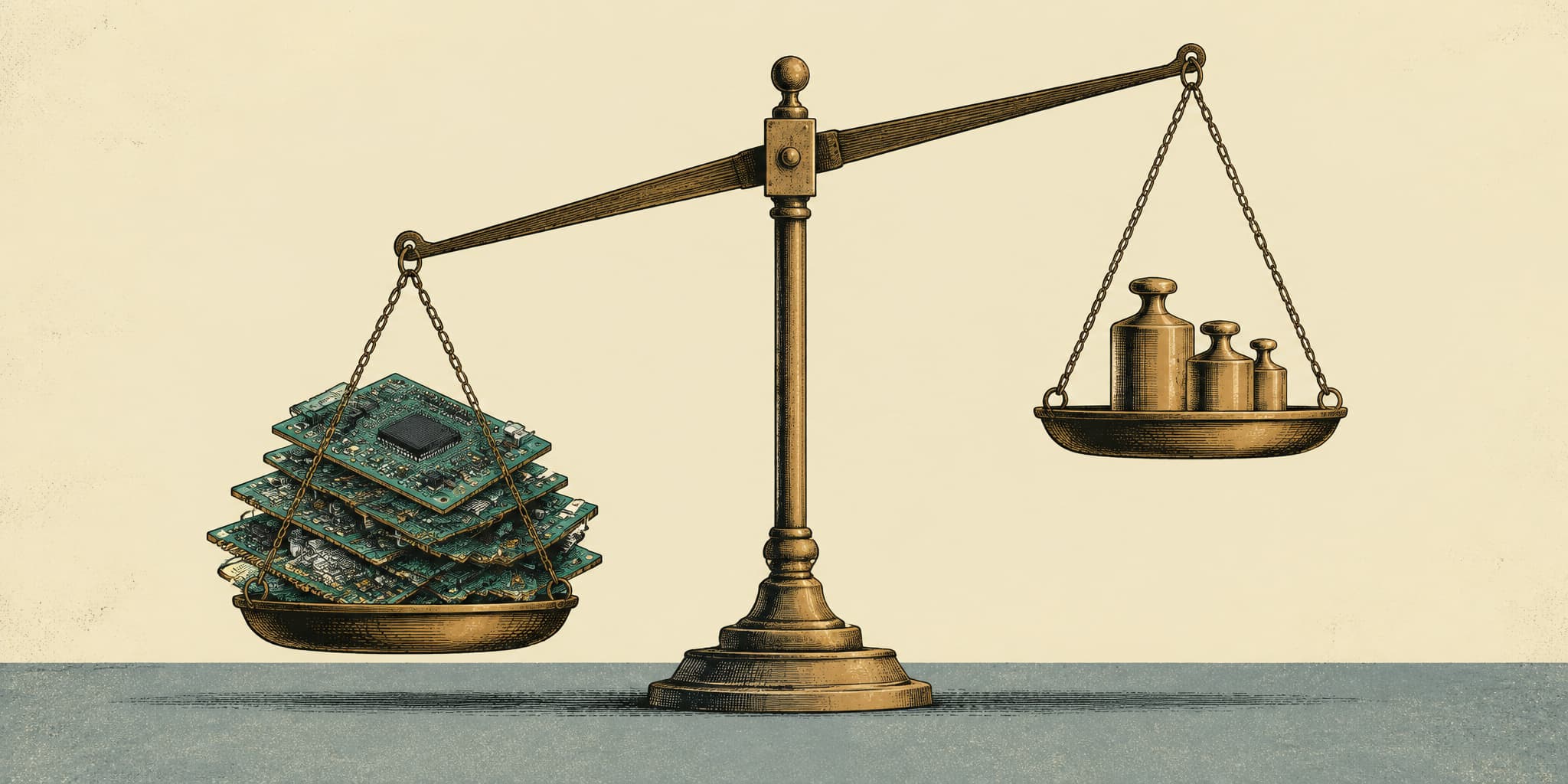
Character.AI filed for Chapter 11 on October 13 with its app still running and no confirmed bidder proposing to keep it running. Two license-and-hire deals — Google in 2024 and Disney in 2026 — had already taken the founders, the research team, the technical leadership, and the IP rights. What remained was users, lawsuits, regulatory exposure, and a compute bill that exceeded revenue every month. The sworn bankruptcy declaration also put the first consumer AI operating data on the record under oath. You can benchmark against those numbers right now.
How Character.AI Became a Remainder Company
Character.AI filed for Chapter 11 on October 13 with its app still running and no confirmed bidder proposing to keep it running. Two license-and-hire deals — Google in 2024 and Disney in 2026 — had already taken the founders, the research team, the technical leadership, and the IP rights. What remained was users, lawsuits, regulatory exposure, and a compute bill that exceeded revenue every month. The sworn bankruptcy declaration also put the first consumer AI operating data on the record under oath. You can benchmark against those numbers right now.
Capital Pattern

Three October raises landed in sectors this section hasn't tracked before. Read together, they show where the money is moving: toward AI that does the work itself. Until recently, most of it went to AI that took notes or analyzed data.
Suki raised $90M in a late-stage round. Its AI already listens to doctor visits and writes the notes. Next it wants to handle the paperwork after the visit, such as referring patients to specialists and asking insurers to approve treatments in advance.
Parallel Systems raised $100M at growth stage. It builds battery-powered freight rail cars that run without a driver.
BloomX raised $13M early. Its robots pollinate fruit trees, and it is now bringing them to U.S. orchards.
The risk in each depends heavily on the field. Three questions sort it out for any company like these:
- Who approves each action?
- What proves the action was right?
- Can a mistake be undone?
Here the answers split:
- Suki: The new AI would act without a doctor checking each step in real time. Nobody has settled who is responsible when it sends a wrong request.
- Parallel: Failures are physical, but they're visible and you can trace them to a cause.
- BloomX: A robot failure can cost a farmer the year's crop, and the farmer won't know until harvest.
Suki has the hardest trust problem of the three. It's also the closest fit to your TinyFish work on making AI actions checkable and traceable. Look there first.
Status: still forming. Fairly confident, not fully. Revisit in January.
Trajectory Read

Investors now value Stand, a home insurance startup, at $1 billion. The company's headline claim is that its technology predicts wildfire risk better than older insurers do. If you rank the reasons Stand might be worth that much, that claim comes last.
How Stand works. Stand prices and sells home insurance in California and Florida. It doesn't pay claims out of its own money. A partner insurer, Concert Specialty, does that. Reinsurers ("insurers for insurers") cover the very large losses from disasters like wildfires. Stand's pitch is that it simulates how a fire would hit each specific house. Older insurers mostly price from ZIP-code averages.
Why Stand might be worth $1B, most proven first:
- It was open when others weren't. Proven. The total value of homes Stand insures went from $1B to $10B in one year. That happened mostly because State Farm and Allstate stopped writing new home policies in California. Both have asked permission to start again, so expect this edge to shrink.
- It's building a record of which home fixes work. Medium confidence, and the edge most likely to last. Stand tells owners what to change, like removing a tree or replacing a vent. It lowers their price, then sees which homes actually burn. Older insurers never kept that record.
- Its model is more accurate. Unproven. Stand claims 85% accuracy, based on a test it ran itself on 310 past homes. Fortune couldn't confirm it.
So far, the only outside evidence that the pricing works is that five major reinsurers keep agreeing to cover Stand's policies.
Signal: developing (early, not settled). Watch who Stand hires to build the part of the app where an owner changes something about the house and sees the price move. A design leader would own that part.
Two Deals, One Lens

Workday Buys the Authorization Layer
Two enterprise incumbents signed agent-governance acquisitions on Columbus Day. Workday's target, C1.ai, manages agent identities, finds shadow AI, and enforces policy at the tool-call level before an agent acts. Workday's thesis is that authorization sits upstream of every other governance function. You can't attribute costs to an agent you haven't identified, and you can't enforce spending limits without the layer that controls execution.
Freshworks Buys the Accounting Layer
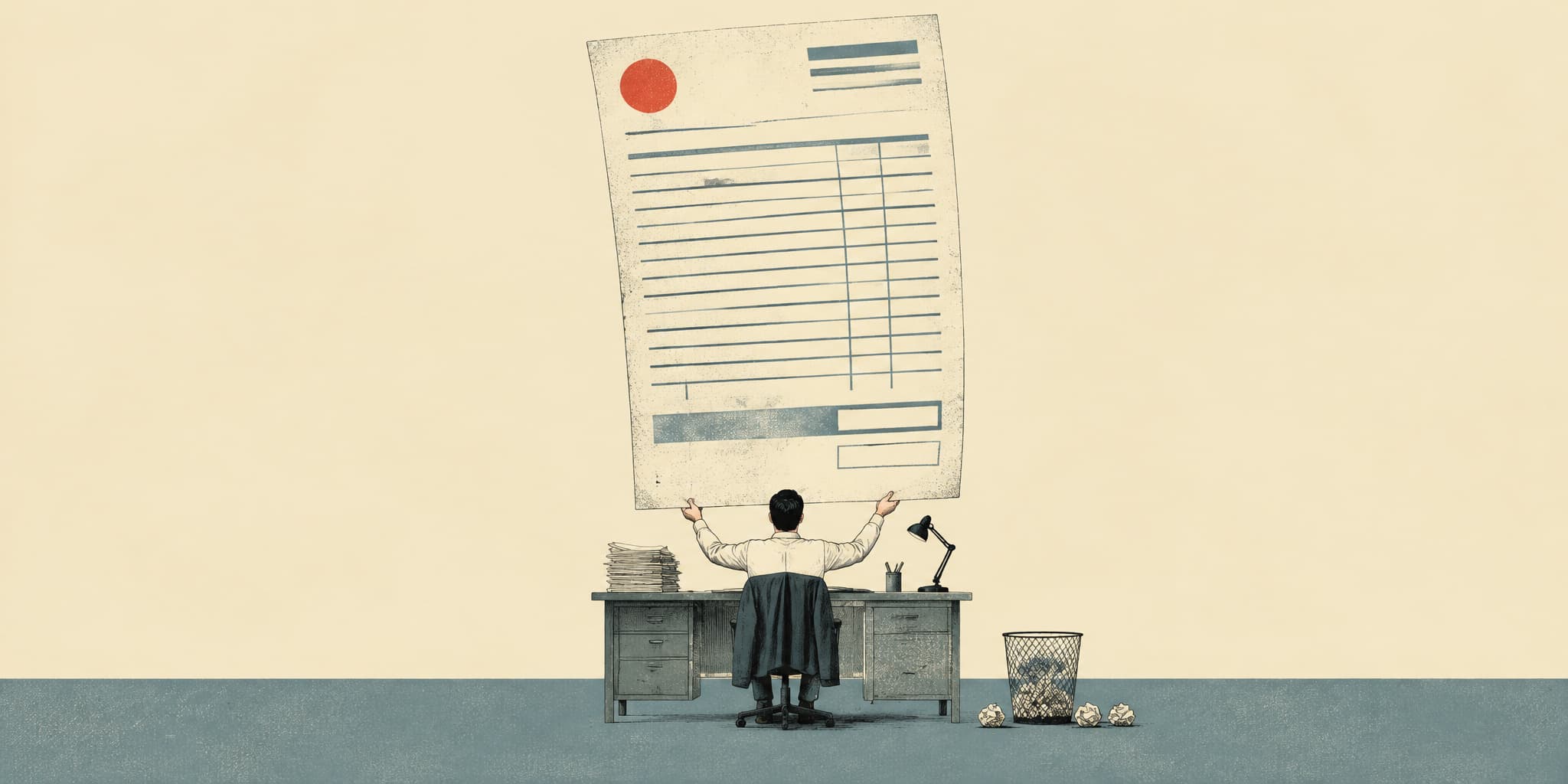
Same day, different control point. While Workday bought the authorization layer, Freshworks agreed to acquire Torii, a SaaS management platform that extended into token-level AI consumption tracking and cost attribution. Freshworks' bet is that most enterprises aren't ready for mature agent identity frameworks, but they're already buried in AI invoices they can't attribute to a team, a model, or a purpose. Cost visibility ships faster than policy infrastructure.