The Missing Denominator

US battery project cancellations exceeded new announcements for the first time in 2025, $11B cancelled against $8B announced. As a procurement signal, this number lacks a denominator.
A raw cancellation count cannot distinguish a 2022 commitment that cancels pre-construction from a 2023 commitment that converts from EV to ESS cells. For a team qualifying suppliers against stated timelines, these carry different implications for domestic supply availability and schedule risk.
The promise ledger groups projects by announcement year and tracks each cohort's promised GWh against dated outcomes: what share hit original SOP, what share slipped and by how much, what share converted application, what share cancelled before breaking ground. The result is a reliability rate per vintage, telling a procurement reader whether a supplier's 2023-vintage commitment carries the same credibility as a 2021-vintage one.
Neither the Clean Investment Monitor nor E2 segments this way. Both track cancellation value without separating schedule drift from application conversion from outright abandonment, and neither provides a denominator by announcement year. The Log's registry is structured to support that segmentation. The four cases at right show what it surfaces: SOP drift of 18 months to two years appears across every vintage sampled, and application conversion turns up more frequently than aggregate cancellation figures would suggest.
Forge Nano Morrisville: Stated 2026, Broke Ground 2026, Production Now 2028

Forge Nano broke ground in Morrisville on August 19, two years after the plant was supposed to be operational. The project is alive: lease signed, DOE grant drawing down, Samsung SDI in as equity investor, equipment supplier, and offtaker. It is also unfunded past the $100 million federal grant, with the S-4 describing the remaining $200–230 million as expected rather than committed and management disclosing going-concern doubt. What follows tracks 33 months of stated milestones against observable signals, and what the resulting cadence implies for the 2028 production target.
Forge Nano Morrisville: Stated 2026, Broke Ground 2026, Production Now 2028
Forge Nano broke ground in Morrisville on August 19, two years after the plant was supposed to be operational. The project is alive: lease signed, DOE grant drawing down, Samsung SDI in as equity investor, equipment supplier, and offtaker. It is also unfunded past the $100 million federal grant, with the S-4 describing the remaining $200–230 million as expected rather than committed and management disclosing going-concern doubt. What follows tracks 33 months of stated milestones against observable signals, and what the resulting cadence implies for the 2028 production target.
What Happened to 44 Battery Manufacturing Commitments Made in 2022–2023
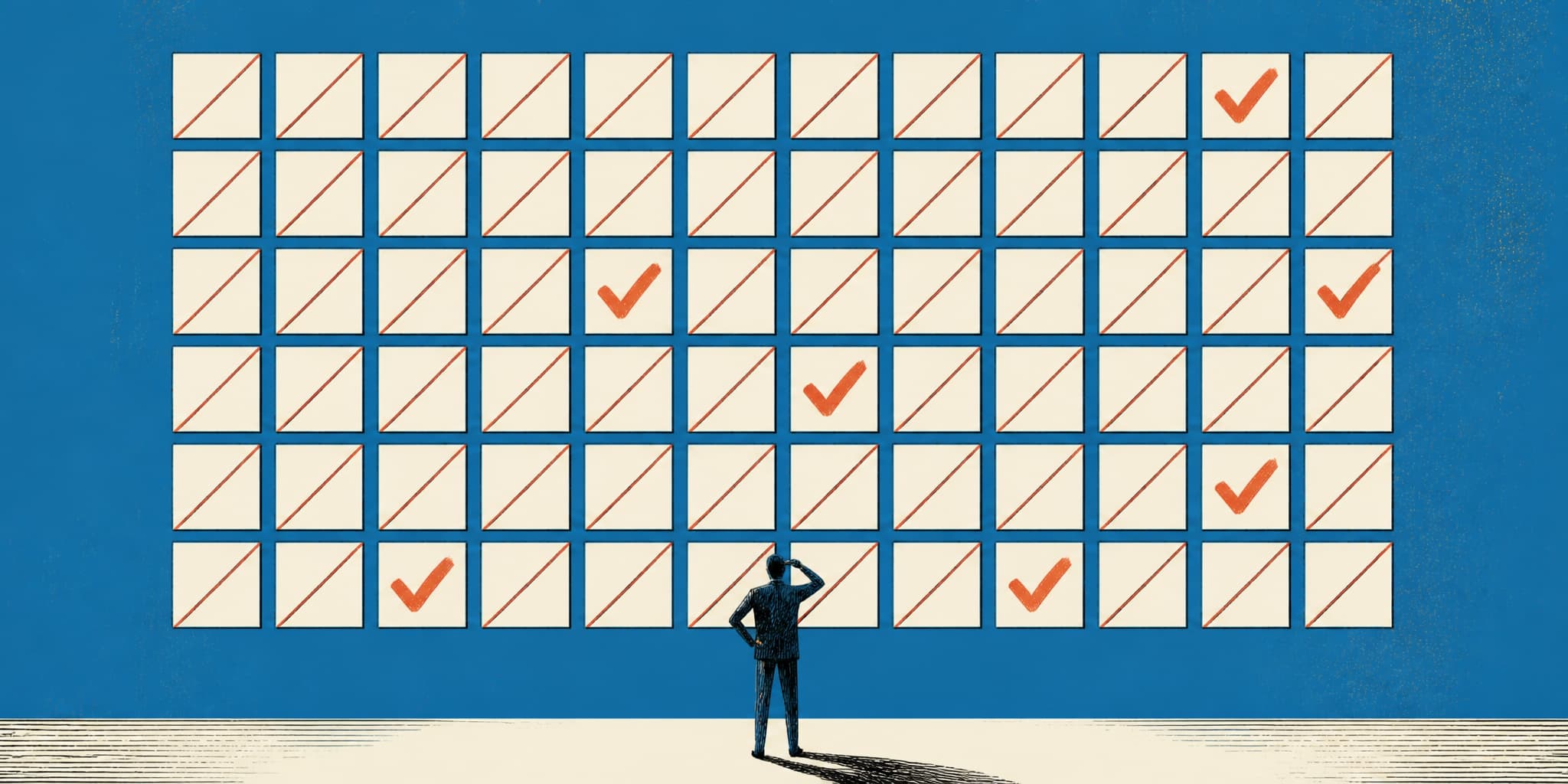
Across twelve US battery facilities and forty-four measurable commitments, six were met as originally stated. Sixteen were missed or abandoned, and eight sit in a category where company language and observable evidence diverge enough that a binary score would mislead. Each facility entry pairs the original promise — start-of-production date, nameplate GWh, job count, product type — against the most recent verifiable status, sourced to SEC filings, state incentive records, WARN notices and DOE loan documents. Cohort-level patterns, including which commitment dimension degrades first and how outcomes sort by sponsor type, follow the facility detail.
What Happened to 44 Battery Manufacturing Commitments Made in 2022–2023
Across twelve US battery facilities and forty-four measurable commitments, six were met as originally stated. Sixteen were missed or abandoned, and eight sit in a category where company language and observable evidence diverge enough that a binary score would mislead. Each facility entry pairs the original promise — start-of-production date, nameplate GWh, job count, product type — against the most recent verifiable status, sourced to SEC filings, state incentive records, WARN notices and DOE loan documents. Cohort-level patterns, including which commitment dimension degrades first and how outcomes sort by sponsor type, follow the facility detail.
What Systematic Facility Delays Mean for US Cell Procurement Timelines
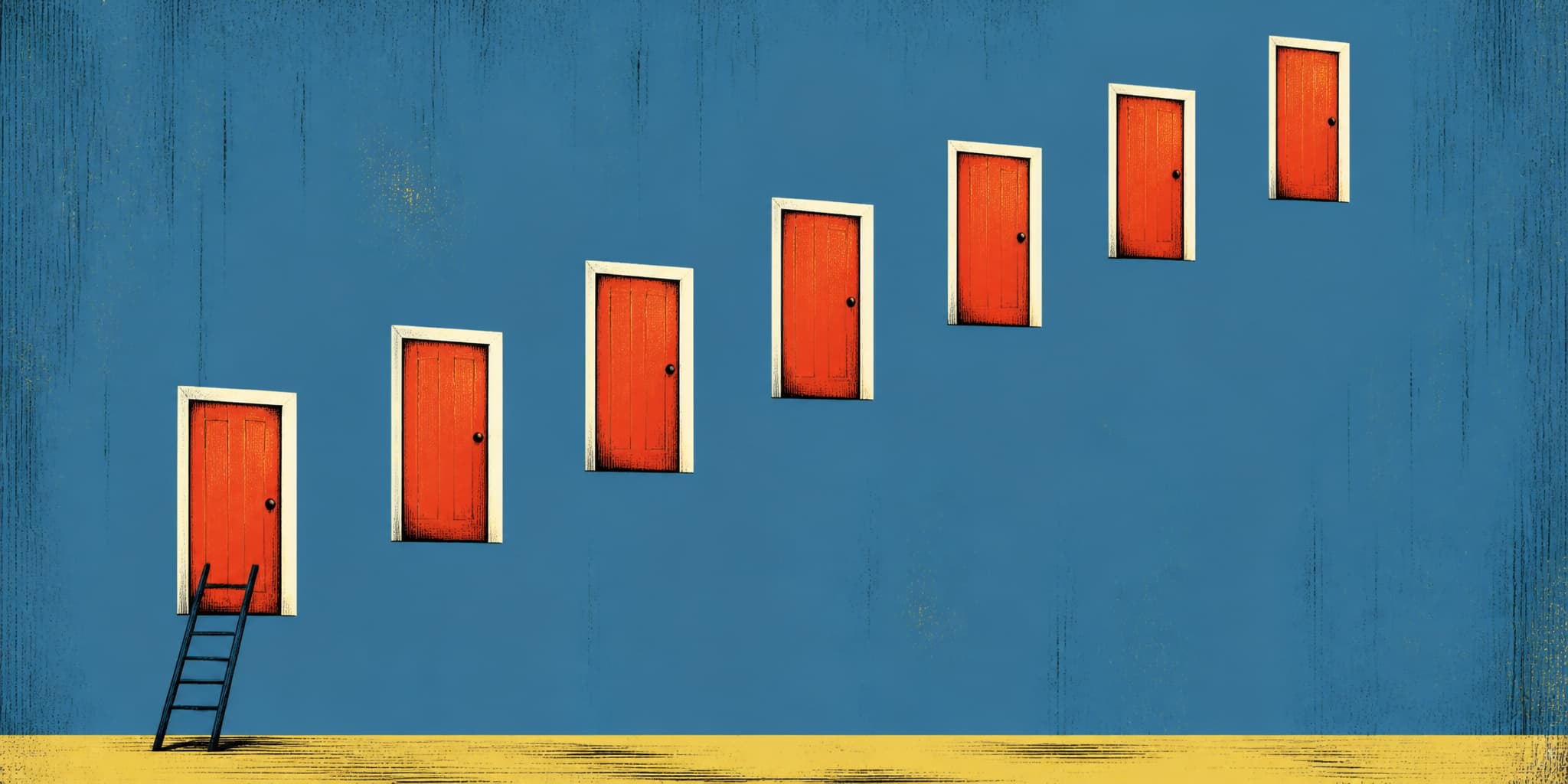
Year-end 2025 installed US cell manufacturing capacity reached 295 GWh. Pipeline trackers project over 1,100 GWh by 2035. A procurement team trying to contract domestic cells for a 2027 or 2028 program cannot use either figure. Facility-level evidence — delayed production starts, suspended construction, full-product conversions, operational interruptions — shows systematic slippage across the US cohort. The number of facilities that could plausibly offer qualified, uncommitted cell supply to a new buyer in 2027 is in the low single digits, and the volume available from each is undisclosed.
What Systematic Facility Delays Mean for US Cell Procurement Timelines
Year-end 2025 installed US cell manufacturing capacity reached 295 GWh. Pipeline trackers project over 1,100 GWh by 2035. A procurement team trying to contract domestic cells for a 2027 or 2028 program cannot use either figure. Facility-level evidence — delayed production starts, suspended construction, full-product conversions, operational interruptions — shows systematic slippage across the US cohort. The number of facilities that could plausibly offer qualified, uncommitted cell supply to a new buyer in 2027 is in the low single digits, and the volume available from each is undisclosed.
External Reading