Zero Velocity

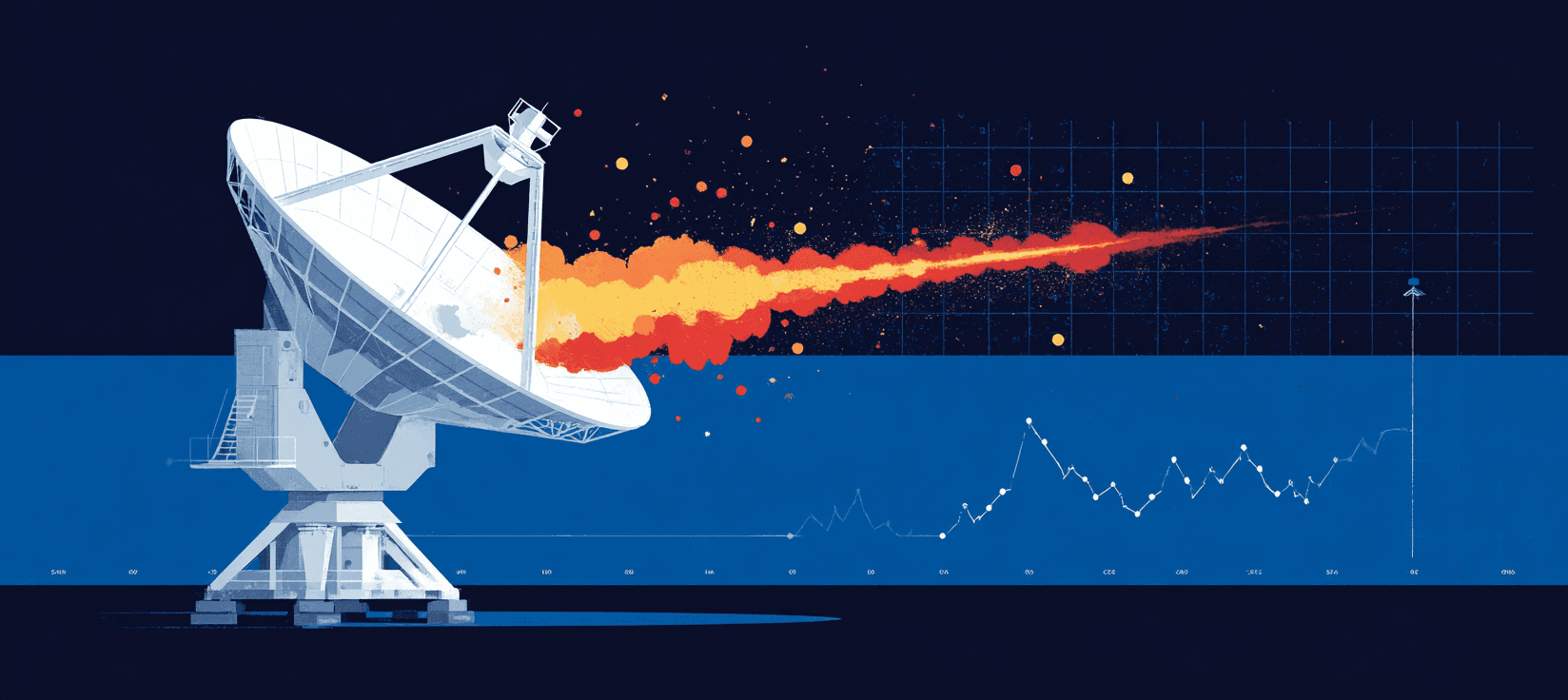
China BESS cell spot held flat for the eighth consecutive week — RMB 0.375/Wh average on 314 Ah LFP, with 280 Ah and system-level prices equally static. After six months of positive second derivative, the velocity of repricing has gone to zero. Meanwhile, lithium carbonate dropped 14% in six weeks without moving cell prices at all. The asymmetry is structural and persistent, and it reshapes the margin picture for Q3. If your procurement model still assumes continued deflation from 2025 lows, the public data has not supported that since April.
Zero Velocity
China BESS cell spot held flat for the eighth consecutive week — RMB 0.375/Wh average on 314 Ah LFP, with 280 Ah and system-level prices equally static. After six months of positive second derivative, the velocity of repricing has gone to zero. Meanwhile, lithium carbonate dropped 14% in six weeks without moving cell prices at all. The asymmetry is structural and persistent, and it reshapes the margin picture for Q3. If your procurement model still assumes continued deflation from 2025 lows, the public data has not supported that since April.
Two Floors

BNEF's December 2025 survey placed North American pack prices 44% above China's. IEA's Global EV Outlook 2026 measured 30%. Both are pack-level annual averages mixing applications, and both are purely geographic. They capture logistics and currency but not the compliance stack that determines whether a US BESS buyer can actually deploy the supply.
That stack has its own cost structure. Section 301 tariffs on non-EV lithium-ion batteries reached 25% on January 1, 2026, unaffected by the SCOTUS IEEPA ruling. Treasury's Notice 2026-15 made FEOC traceability operational for storage projects beginning construction this year, with MACR thresholds rising annually. NFPA 855's 2026 edition and UL 9540A 6th Edition escalated fire-test requirements. Lenders underwrite against the ITC, which FEOC failure eliminates.
Each layer adds cost, time, or disqualification risk independent of what cells clear at in Changsha. Proof requirements, not spot, determine the US usable-supply floor. H1 2026 tightened several of those requirements simultaneously, and the floor moved accordingly while China spot held flat.