The Tail Case

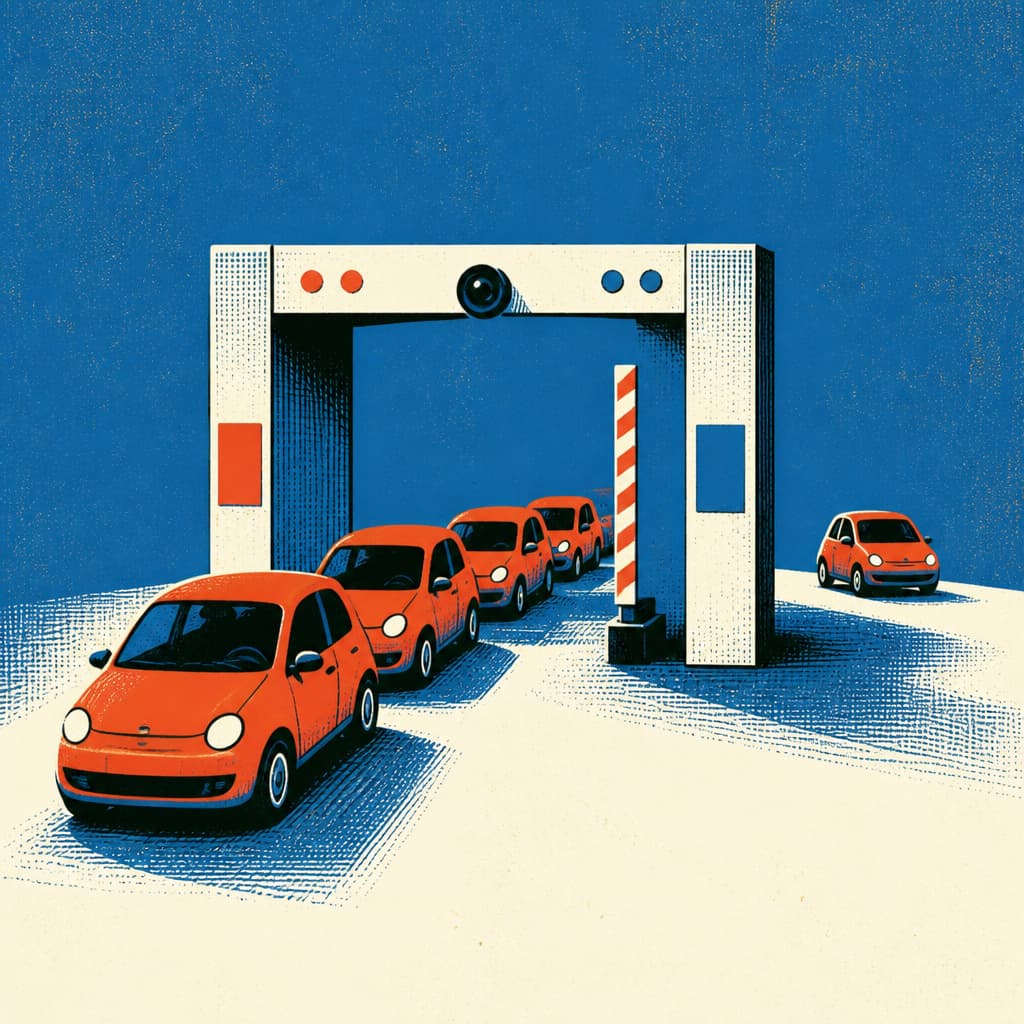
CALB's 177 Ah LFP cell, swelling, leaking, and throwing insulation faults across an estimated 213,000 vehicles including GAC Aion S, certain XPeng, and Leapmotor models, is the largest quality event to hit a Tier-2 Chinese cell maker while consolidation pressure is already compressing margins. GAC Aion extended the warranty to 8 years/300,000 km. Only for Aion S. No formal recall filed.
CALB's FY2025 net profit was RMB 2.1 billion on a 4.7% net margin, debt-to-equity at 91.3%. The Sunwoda/Vremt precedent, a RMB 2.3 billion claim settled for a RMB 500–800 million net profit hit followed by Zeekr's recall of 38,277 vehicles, showed that warranty extensions don't close the liability. CALB's exposure covers roughly 5.6× as many vehicles.
MIIT inspectors entered GAC Aion and XPeng plants July 24. Findings not yet public. If this stays a service campaign, CALB absorbs the cost against thin margins. If it becomes a SAMR recall, it becomes a qualification event visible to every OEM running a tender.
Three Filters, No Exits
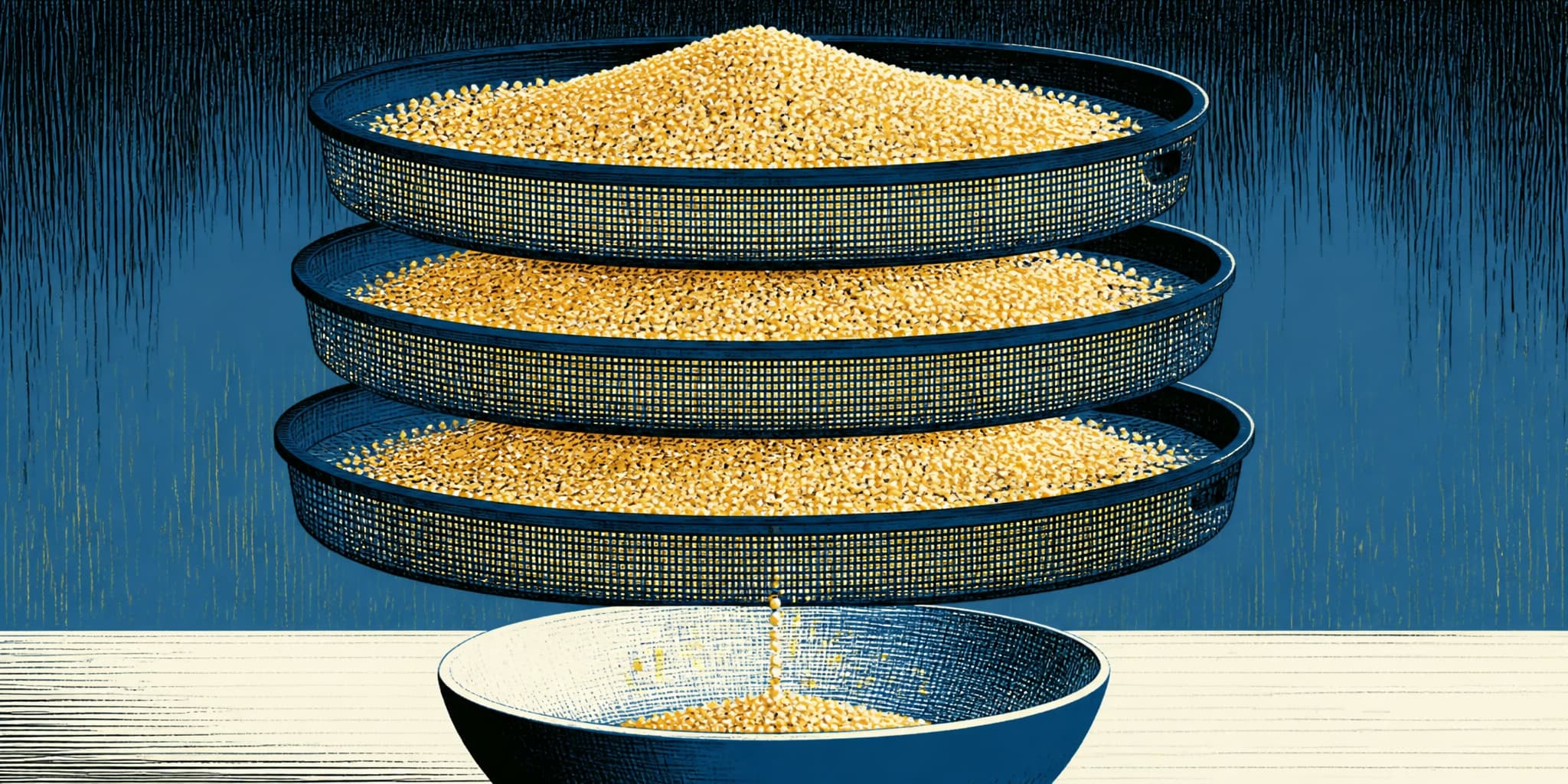
Lithium carbonate fell 7.2% in a week. LFP ESS cells held flat. That decoupling is not noise. Three filters now active on overlapping timelines are sorting Chinese cell capacity into tiers of bankability: quality enforcement that closes the EV channel for producers who can't fund qualification, a staged fiscal squeeze through consumption tax and VAT rebate elimination, and contract-accountability requirements that make balance-sheet depth a pricing dimension in ESS procurement. None of these filters require a line to shut down. Provincial incentives keep nameplate intact. The generic China EXW spot and the bankable procurement price are separating into two different numbers, and the spread between them is widening from three directions at once.
Three Filters, No Exits
Lithium carbonate fell 7.2% in a week. LFP ESS cells held flat. That decoupling is not noise. Three filters now active on overlapping timelines are sorting Chinese cell capacity into tiers of bankability: quality enforcement that closes the EV channel for producers who can't fund qualification, a staged fiscal squeeze through consumption tax and VAT rebate elimination, and contract-accountability requirements that make balance-sheet depth a pricing dimension in ESS procurement. None of these filters require a line to shut down. Provincial incentives keep nameplate intact. The generic China EXW spot and the bankable procurement price are separating into two different numbers, and the spread between them is widening from three directions at once.
CATL's H1 2026 Margin Spread Is a Stratification Map

CATL's H1 2026 filing shows both segment gross margins falling while the spreads between them widened. Overseas margin rose to 29.97% as domestic compressed to 21.16%, pushing the geographic premium to 8.81 percentage points from 6.08 a year earlier. ESS held its premium over power battery. Utilization climbed to 94.86% on a capacity base 52% larger. This is selective pricing power exercised at near-full output while the cash position grows. The Tier-2 cohort is improving from distressed levels. It is not converging.
CATL's H1 2026 Margin Spread Is a Stratification Map
CATL's H1 2026 filing shows both segment gross margins falling while the spreads between them widened. Overseas margin rose to 29.97% as domestic compressed to 21.16%, pushing the geographic premium to 8.81 percentage points from 6.08 a year earlier. ESS held its premium over power battery. Utilization climbed to 94.86% on a capacity base 52% larger. This is selective pricing power exercised at near-full output while the cash position grows. The Tier-2 cohort is improving from distressed levels. It is not converging.