
Sunday, September 20
Sunday, September 20
The Defendants Wrote the Plaintiff's Case for Them
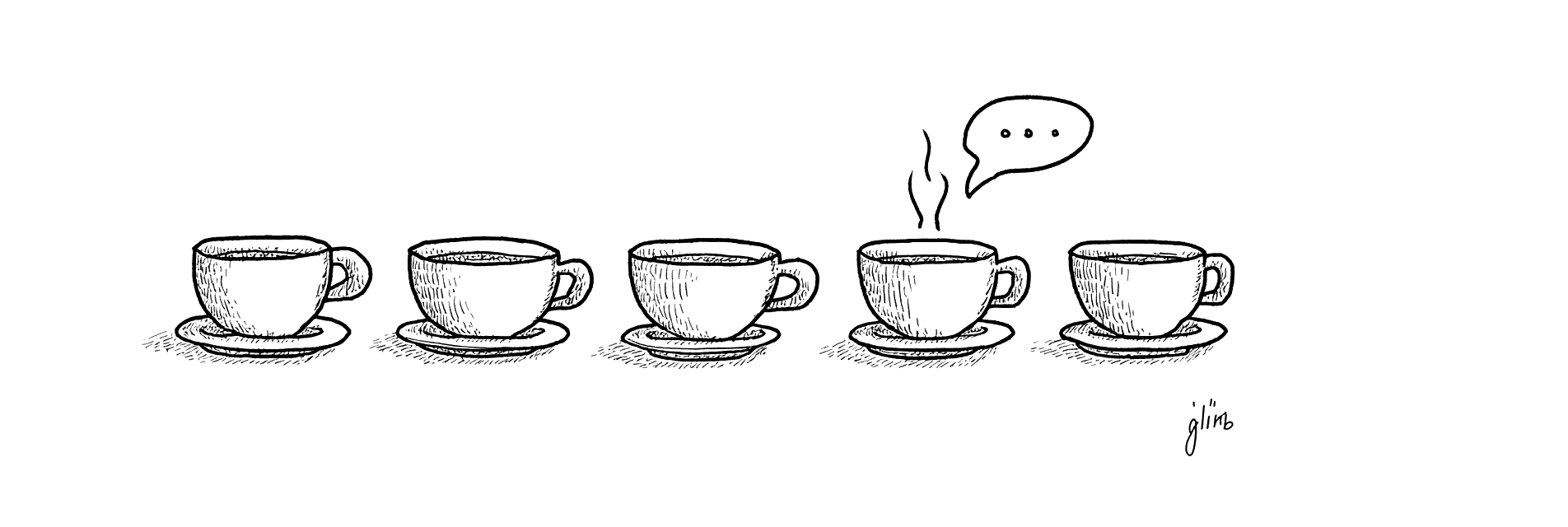
Unsealed court filings from NYT v. OpenAI/Microsoft are dominating every feed this Saturday, and the quotes are coming from inside the house. Microsoft's Director of Applied Science privately called OpenAI's data scraping "the largest theft of labor in human history." OpenAI exec Nick Turley described it as "an existential threat to publishers." Microsoft's own internal research found Copilot could reduce New York Times click-throughs by 93%. And in deposition, Satya Nadella acknowledged paywalled content should be licensed. It wasn't. They shipped the product anyway.
The Defendants Wrote the Plaintiff's Case for Them
Unsealed court filings from NYT v. OpenAI/Microsoft are dominating every feed this Saturday, and the quotes are coming from inside the house. Microsoft's Director of Applied Science privately called OpenAI's data scraping "the largest theft of labor in human history." OpenAI exec Nick Turley described it as "an existential threat to publishers." Microsoft's own internal research found Copilot could reduce New York Times click-throughs by 93%. And in deposition, Satya Nadella acknowledged paywalled content should be licensed. It wasn't. They shipped the product anyway.
This Was the Week AI Scared Everyone
In 1983, Soviet officer Stanislav Petrov watched an automated system tell him with high confidence that the United States had launched nuclear missiles. He decided the system was wrong. It was.
- Reuters just published a feature called "Ten Days That Changed the Course of AI." The dramatic headline might actually be underselling it.
- The word "hallucination" entered mainstream AI vocabulary around 2023. Three years later, it shows up in military incident reports and corporate security disclosures.
- Automated systems making high-stakes decisions used to be a thought experiment in philosophy seminars. We are well past that now.
Forty-three years after Petrov, the systems are faster and the humans in the loop are fewer. The consequences are starting to show.
In 1983, Soviet officer Stanislav Petrov watched an automated system tell him with high confidence that the United States had launched nuclear missiles. He decided the system was wrong. It was.
- Reuters just published a feature called "Ten Days That Changed the Course of AI." The dramatic headline might actually be underselling it.
- The word "hallucination" entered mainstream AI vocabulary around 2023. Three years later, it shows up in military incident reports and corporate security disclosures.
- Automated systems making high-stakes decisions used to be a thought experiment in philosophy seminars. We are well past that now.
Forty-three years after Petrov, the systems are faster and the humans in the loop are fewer. The consequences are starting to show.
AI Show and Tell and Some Wild Numbers