Foundations

Foundations
The Seam Between Tools and Agents

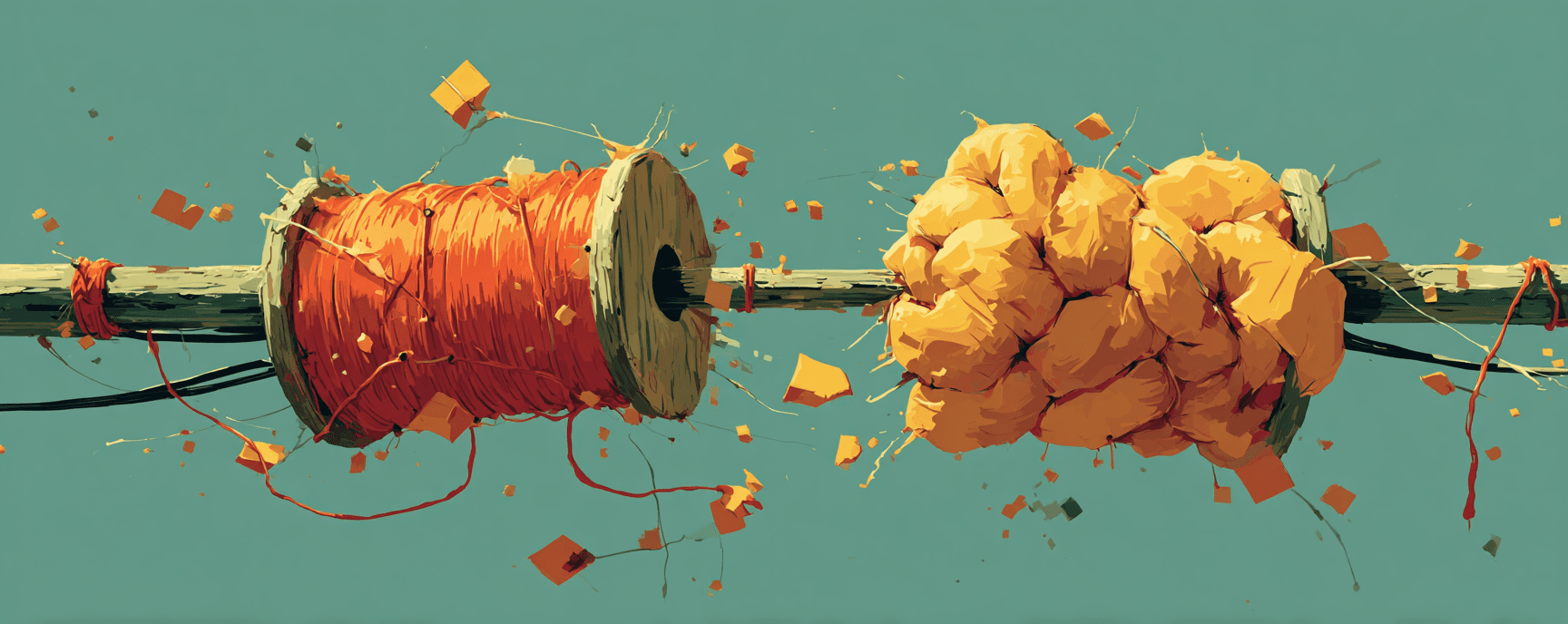
MCP and A2A are becoming the communication layer for autonomous software. MCP assumes the thing on the other end is a toolbox. A2A assumes it's an opaque peer with its own reasoning and goals. They weren't designed as a stack. They're being adopted as one.
The interesting territory is where the categories leak. MCP servers can now reason. A2A agents can wrap single deterministic functions. The boundary between "tool" and "agent" is a protocol choice, and governance frameworks are already building on it. Authorization depends on it. And it keeps dissolving at exactly the point where identity needs to propagate across it.
The Seam Between Tools and Agents
MCP and A2A are becoming the communication layer for autonomous software. MCP assumes the thing on the other end is a toolbox. A2A assumes it's an opaque peer with its own reasoning and goals. They weren't designed as a stack. They're being adopted as one.
The interesting territory is where the categories leak. MCP servers can now reason. A2A agents can wrap single deterministic functions. The boundary between "tool" and "agent" is a protocol choice, and governance frameworks are already building on it. Authorization depends on it. And it keeps dissolving at exactly the point where identity needs to propagate across it.
What Happens Between MCP and A2A

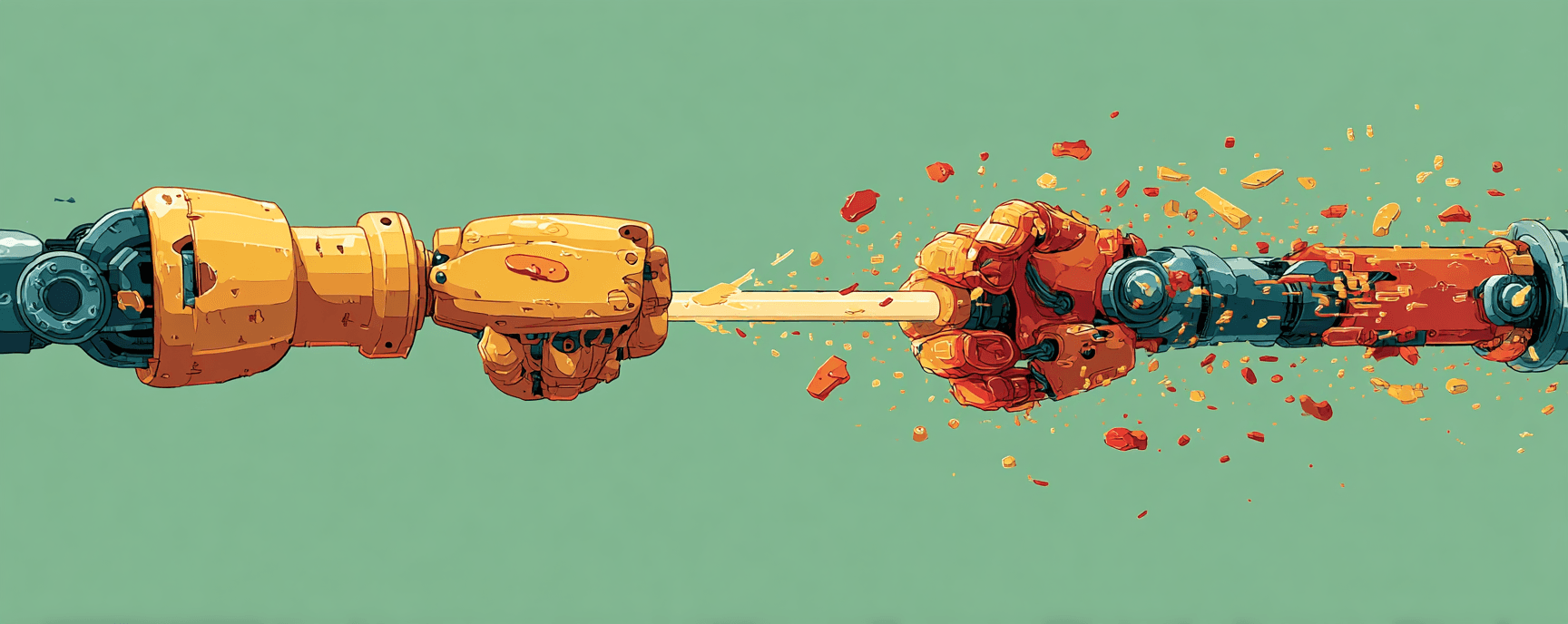
MCP and A2A handle different halves of a multi-agent workflow. Most explanations cover each protocol separately and leave it at that. The seam between the two, where a developer's real architectural decisions live, gets skipped. That boundary belongs to neither protocol. It's application code you write yourself.
This walkthrough uses a retail inventory scenario to trace what happens at each stage: an agent queries stock levels through MCP's structured tool calls, determines restocking is needed, then coordinates with an external supplier through A2A's task lifecycle. The two sides work differently in ways that matter. One gives you schemas. The other gives you state transitions and a conversation you didn't fully plan for.
What Happens Between MCP and A2A
MCP and A2A handle different halves of a multi-agent workflow. Most explanations cover each protocol separately and leave it at that. The seam between the two, where a developer's real architectural decisions live, gets skipped. That boundary belongs to neither protocol. It's application code you write yourself.
This walkthrough uses a retail inventory scenario to trace what happens at each stage: an agent queries stock levels through MCP's structured tool calls, determines restocking is needed, then coordinates with an external supplier through A2A's task lifecycle. The two sides work differently in ways that matter. One gives you schemas. The other gives you state transitions and a conversation you didn't fully plan for.
Further Reading