Echoes
Echoes
What It Takes to Click a Button

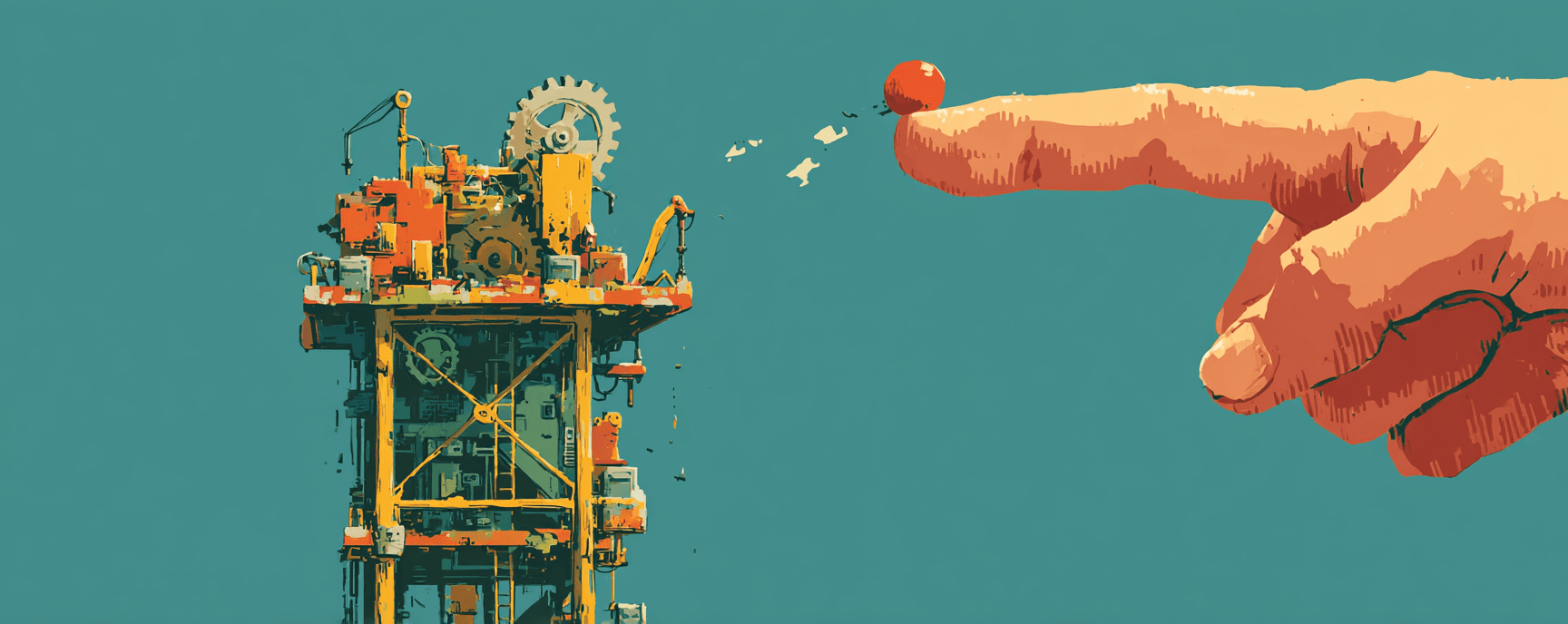
A person sees a button and clicks it in half a second. The gesture is so smooth it barely registers as a decision. But land that same click programmatically and you discover an elaborate chain of checks: Is the element visible? Has the page shifted? Is something covering the target? Each check patches a gap the DOM, the web's structural blueprint published in 1998, was never designed to bridge. Screen readers found that gap first. Test automation found it next. Now web agents are finding it at an entirely different scale.
What It Takes to Click a Button
A person sees a button and clicks it in half a second. The gesture is so smooth it barely registers as a decision. But land that same click programmatically and you discover an elaborate chain of checks: Is the element visible? Has the page shifted? Is something covering the target? Each check patches a gap the DOM, the web's structural blueprint published in 1998, was never designed to bridge. Screen readers found that gap first. Test automation found it next. Now web agents are finding it at an entirely different scale.
The Accessibility Detour
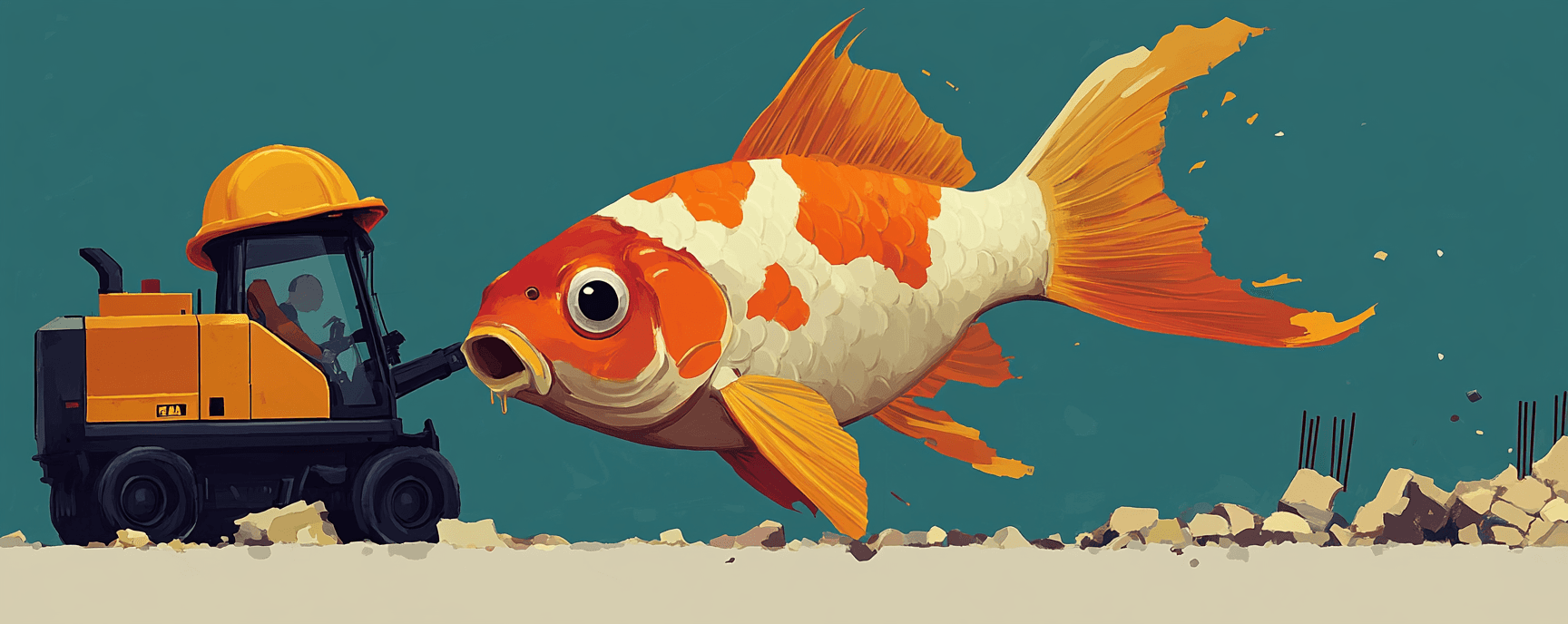
A parallel structure shadows every page in your browser. The accessibility tree takes a button decorated with CSS classes, framework hashes, and utility tags and reduces it to two facts: its role and its name. Button. Sign In.
This representation exists because screen reader developers in the mid-1990s had to reverse-engineer every application individually. Microsoft's Active Accessibility, released in 1997, offered the first standardized answer: expose interface elements as structured, semantic objects. WAI-ARIA extended the idea to the web. The design premise was consistent throughout. A human who cannot see the screen needs to know what's there and what it does.
Now agent frameworks like Playwright's MCP server send that same tree to language models as their primary view of a page. Not screenshots. Not raw HTML. The accessibility tree, consuming roughly 200–400 tokens per snapshot instead of thousands for the full DOM.
Screen reader users couldn't see the interface, so the tree translated visual layout into navigable structure. Agents can see the interface, pixel by pixel, but can't reliably extract meaning from what they see. Both need the tree because pixels alone don't carry enough semantic information.
The tree was built to answer a specific question: What does this element mean to a human who will then decide what to do? Agents read those same labels and act directly. The tree tells you a button exists and what it's called. It was never designed to say whether anything should press it.
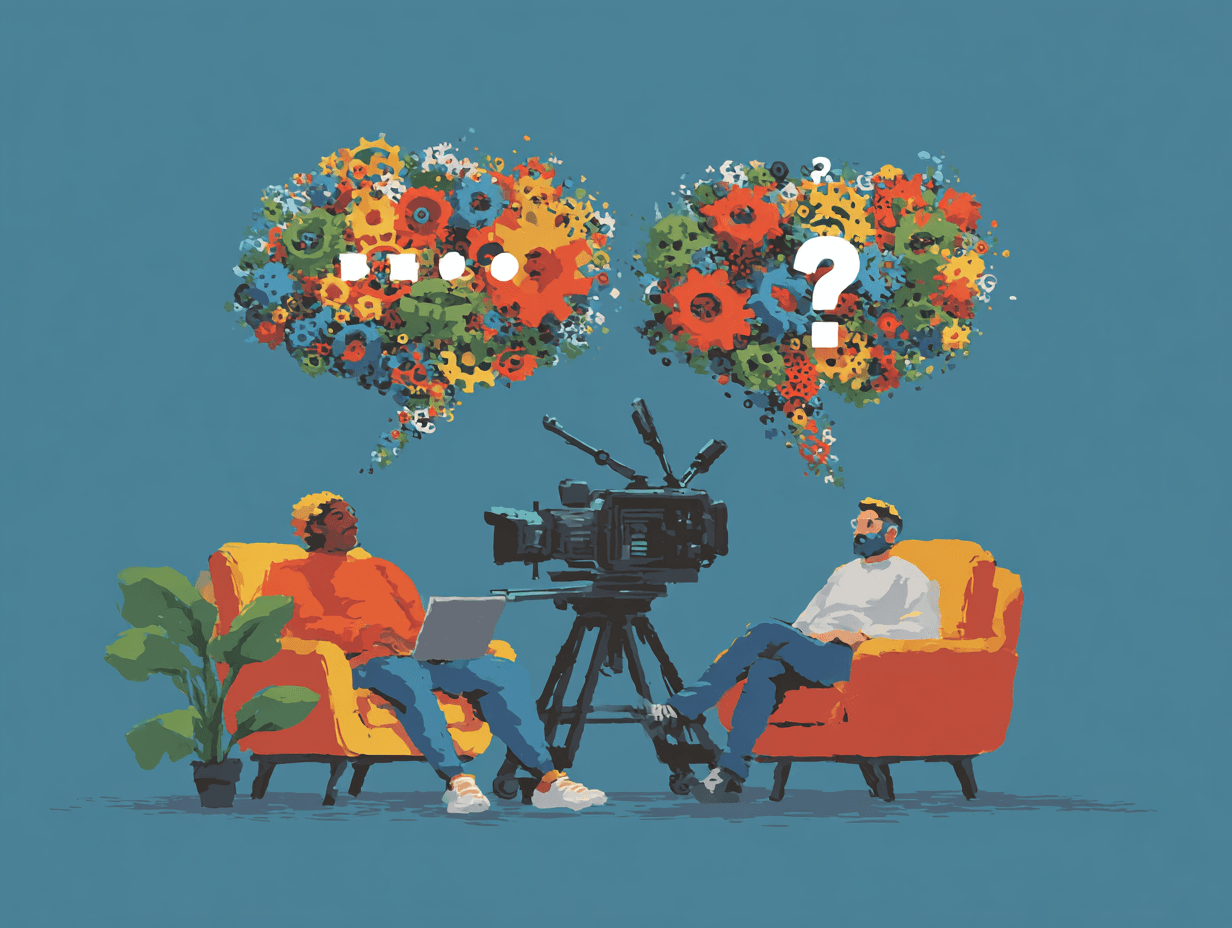
The Skeleton and the Body — An Accessibility Engineer Watches AI Agents Inherit Her Work
CONTINUE READINGTwo Maps, Two Reckonings

The Org Chart That Ran the Railroad
Daniel McCallum drew the first org chart in 1855 to coordinate a railroad. Within a century, every corporation had one, and somewhere along the way people stopped noticing that the chart described how work was supposed to flow, not how it did. Process mining finally made the divergence measurable. Now automated agents enter enterprise workflows carrying the documented version — and find a territory rearranged by people who never updated the map.

The Model That Measured Calm
Before 2008, Value-at-Risk gave banks a single daily number for market risk. Researchers published specific mathematical objections years earlier. Institutions navigated by the number anyway, because it was concrete and the caveats weren't. Agent benchmarks now carry the same gravitational pull: a clean score from a controlled environment, standing in for production reality. Whether we're watching the same pattern unfold depends on a measurement nobody has published yet.
Further Mapping