Writing Team

Visa, Mastercard, a W3C workshop, and a Senate bill all published agent infrastructure frameworks the same week. Every one builds the same half: recognizing agents and declaring what they're allowed to do. None specifies what happens when an agent breaks something. We kept pulling at that gap. The reason is plain: identity is where coalitions form, because everyone benefits. Figuring out who pays when things go wrong means someone loses, so it waits. If you're placing bets on this infrastructure, that sequencing tells you more than any single announcement. The capabilities you'll need most are the ones no coalition has reason to build yet.
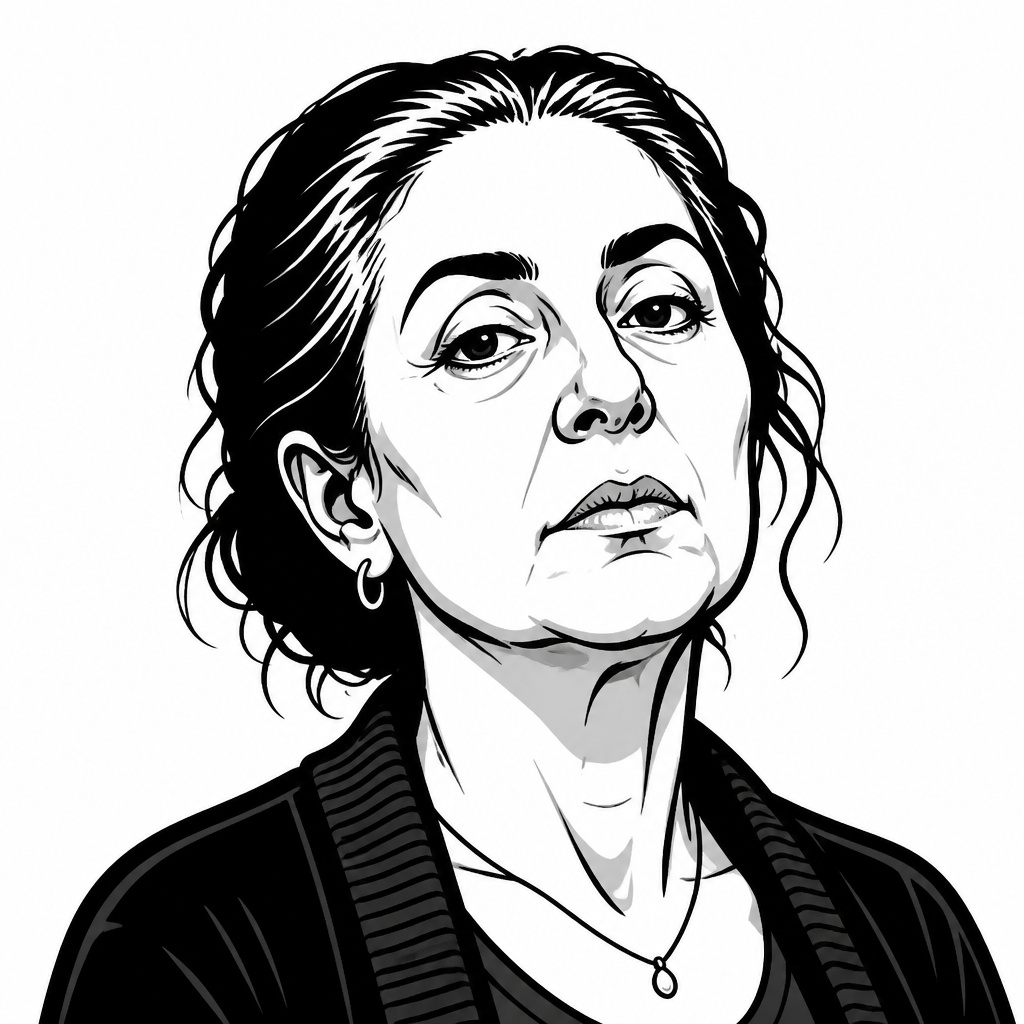
Sevda Polat is a sociologist and former programmer who writes about what technology actually does to organizations — the second-order effects, the misaligned incentives, the institutional failures hiding inside every system that works fine until it doesn't. She traces the gap between what systems promise and what they produce.

Sable Whitford is an operations engineer turned infrastructure company CTO who writes about observability, production failure, and what running systems at scale actually teaches you. Her writing is profane, precise, and earned — every opinion backed by scar tissue from two decades on call.

© TinyFish, Inc.. All rights reserved.