
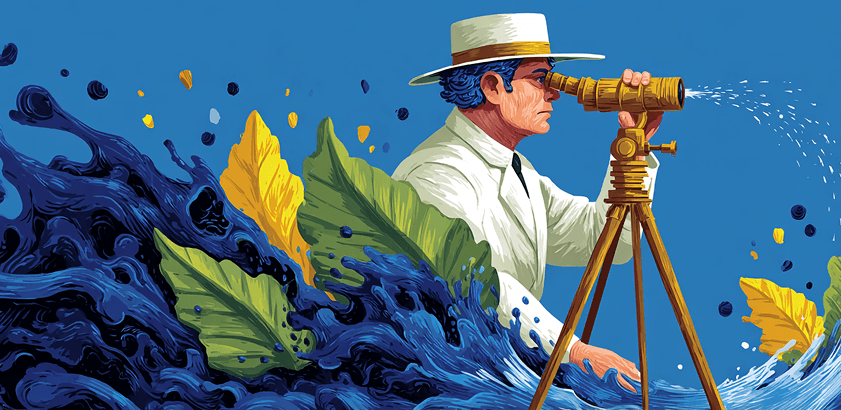
The Scholar Who Killed What He Tried to Save

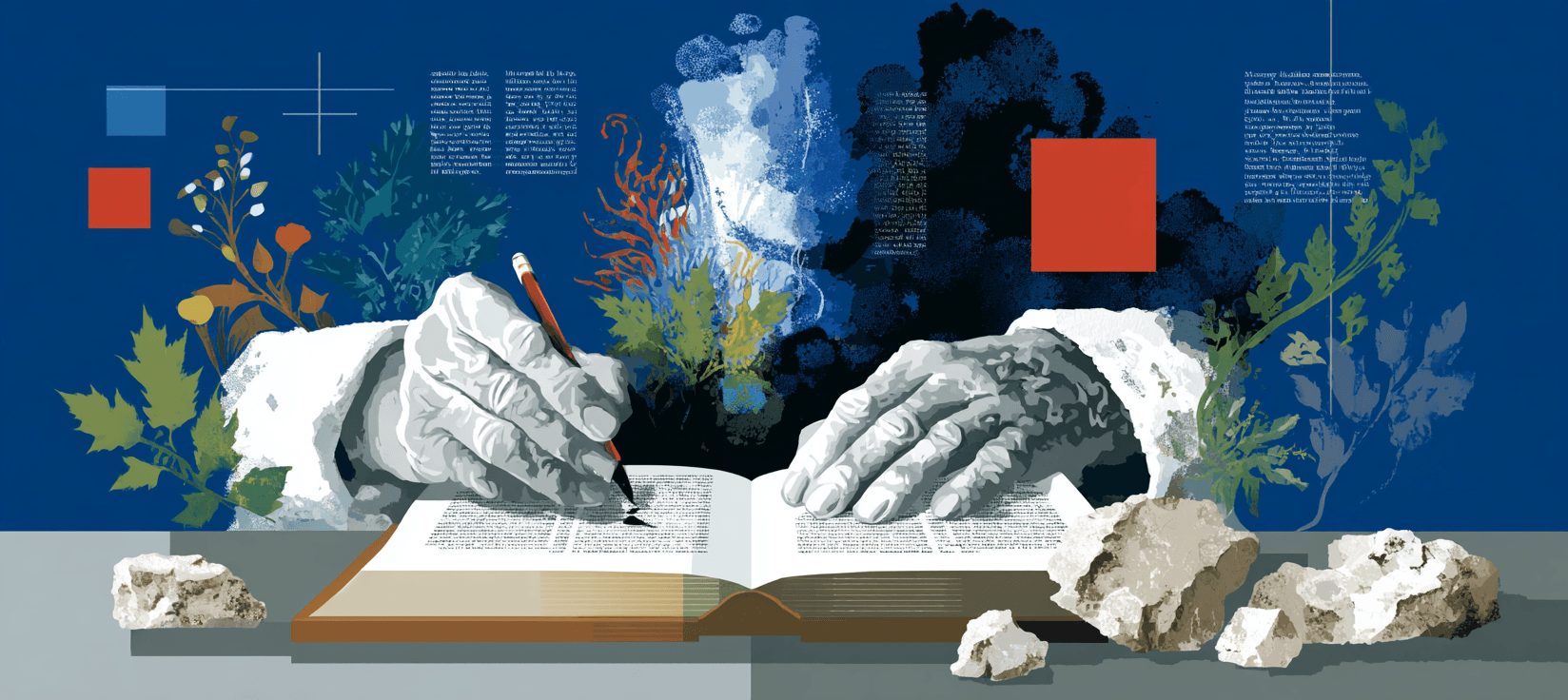
In 1839, David Malo sat in a Lahaina classroom writing down everything he knew about traditional Hawaiian life—using an alphabet missionaries had invented thirteen years earlier. The last kahuna who trained him was dead. There would be no more students. Through the window, whaling ships filled the harbor. In the courtyard, his students practiced English.
He kept writing, documenting healing practices and land management systems that had always been protected, passed only through years of rigorous apprenticeship. What he was doing had never been done before. What it would mean, he couldn't know. Today, institutions racing to document indigenous environmental knowledge before it disappears face the same impossible choice.
The Scholar Who Killed What He Tried to Save
In 1839, David Malo sat in a Lahaina classroom writing down everything he knew about traditional Hawaiian life—using an alphabet missionaries had invented thirteen years earlier. The last kahuna who trained him was dead. There would be no more students. Through the window, whaling ships filled the harbor. In the courtyard, his students practiced English.
He kept writing, documenting healing practices and land management systems that had always been protected, passed only through years of rigorous apprenticeship. What he was doing had never been done before. What it would mean, he couldn't know. Today, institutions racing to document indigenous environmental knowledge before it disappears face the same impossible choice.

Interview with a Roman Water Trader Who Made Drought Profitable
CONTINUE READINGHistory Echoes This Week
Soviet planners understood the physics. Divert the Amu Darya and Syr Darya rivers into cotton fields, and the Aral Sea evaporates. One engineer stated this plainly in 1968: inevitable. They built the canals anyway.
The world's fourth-largest lake shrank to a tenth of its size in forty years. Muynak was a fishing port of 40,000 people. Now it sits 150 kilometers from water. The boats rust in sand.
This week's UN data shows 77.6% of Earth's land became permanently drier over three decades. Not drought. Transformation. The Aral Sea demonstrates what permanent means: Ali Shadilov, 73, remembers icebergs floating past his classroom. His grandchildren have never seen the sea.