Recent Activity
April — Issue #30

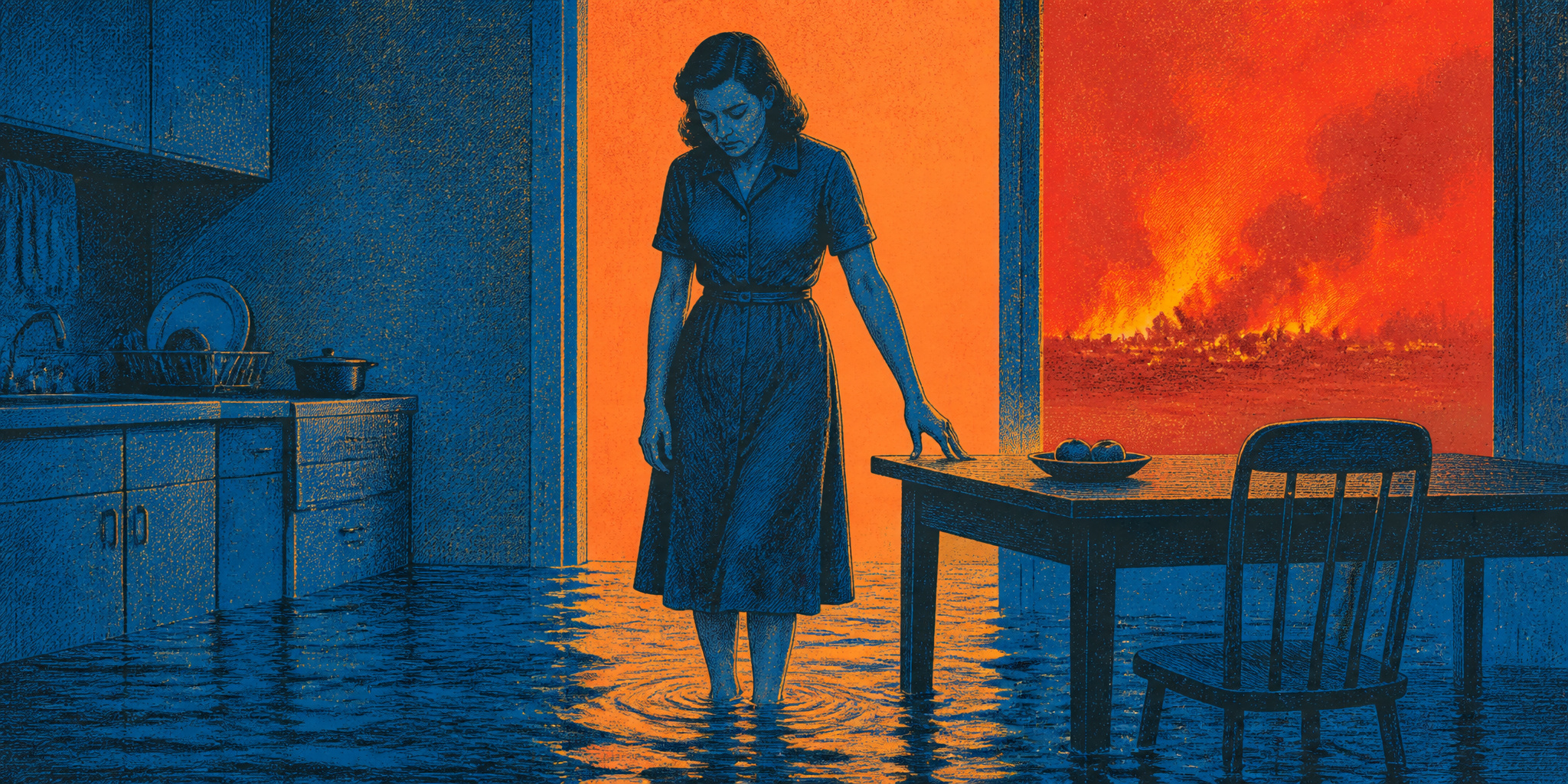
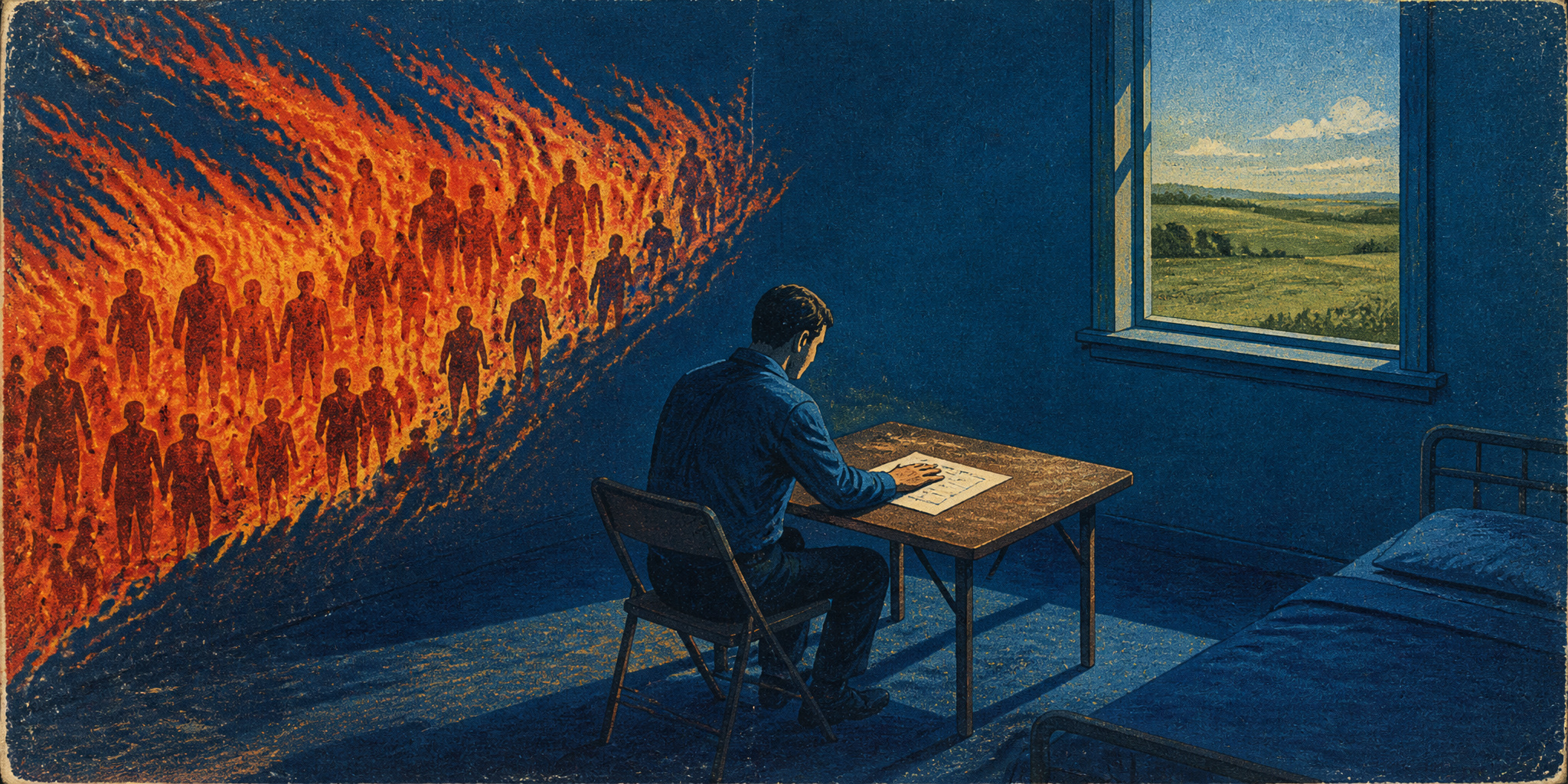
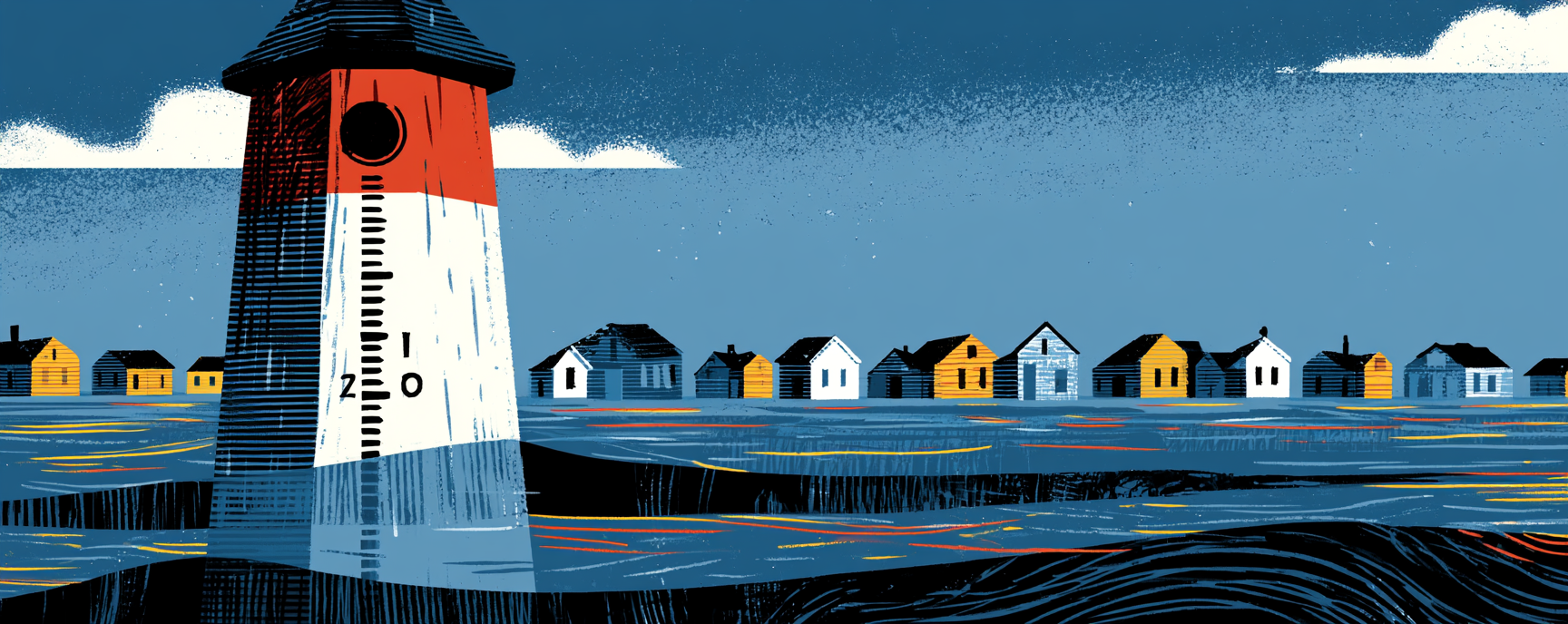
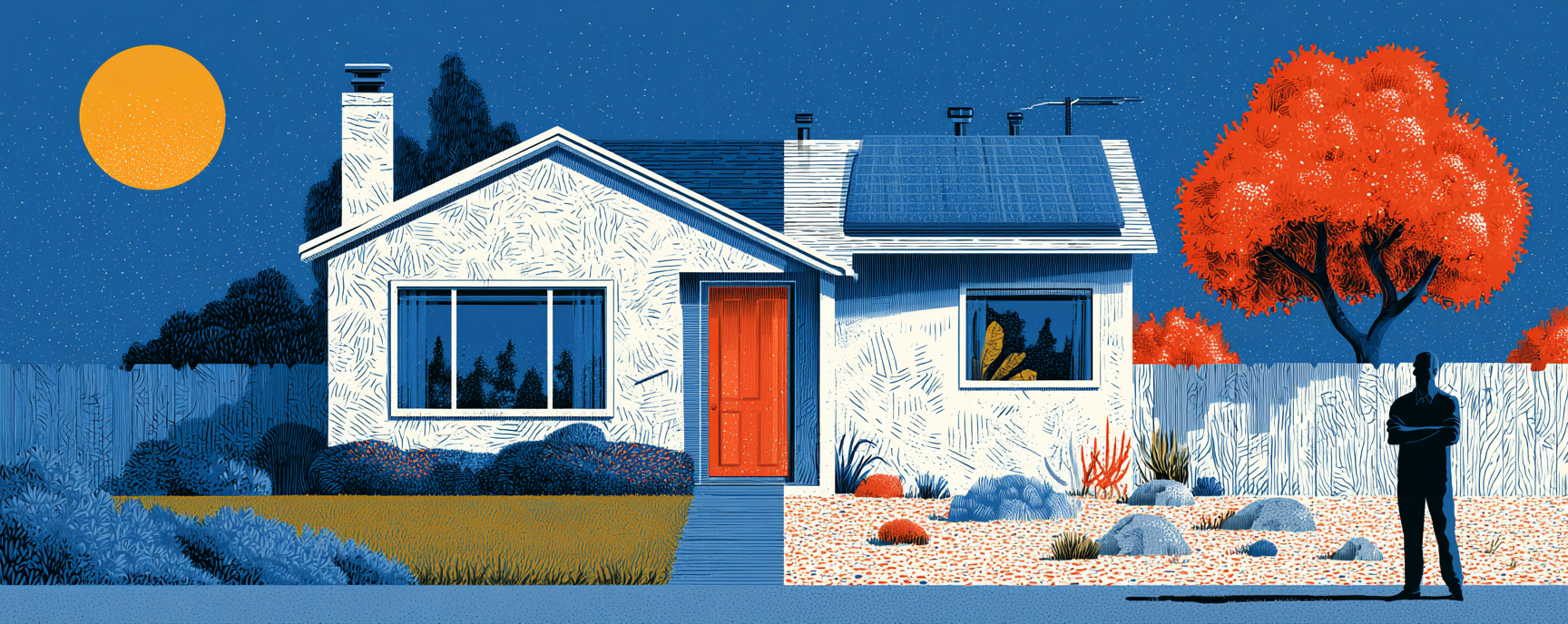
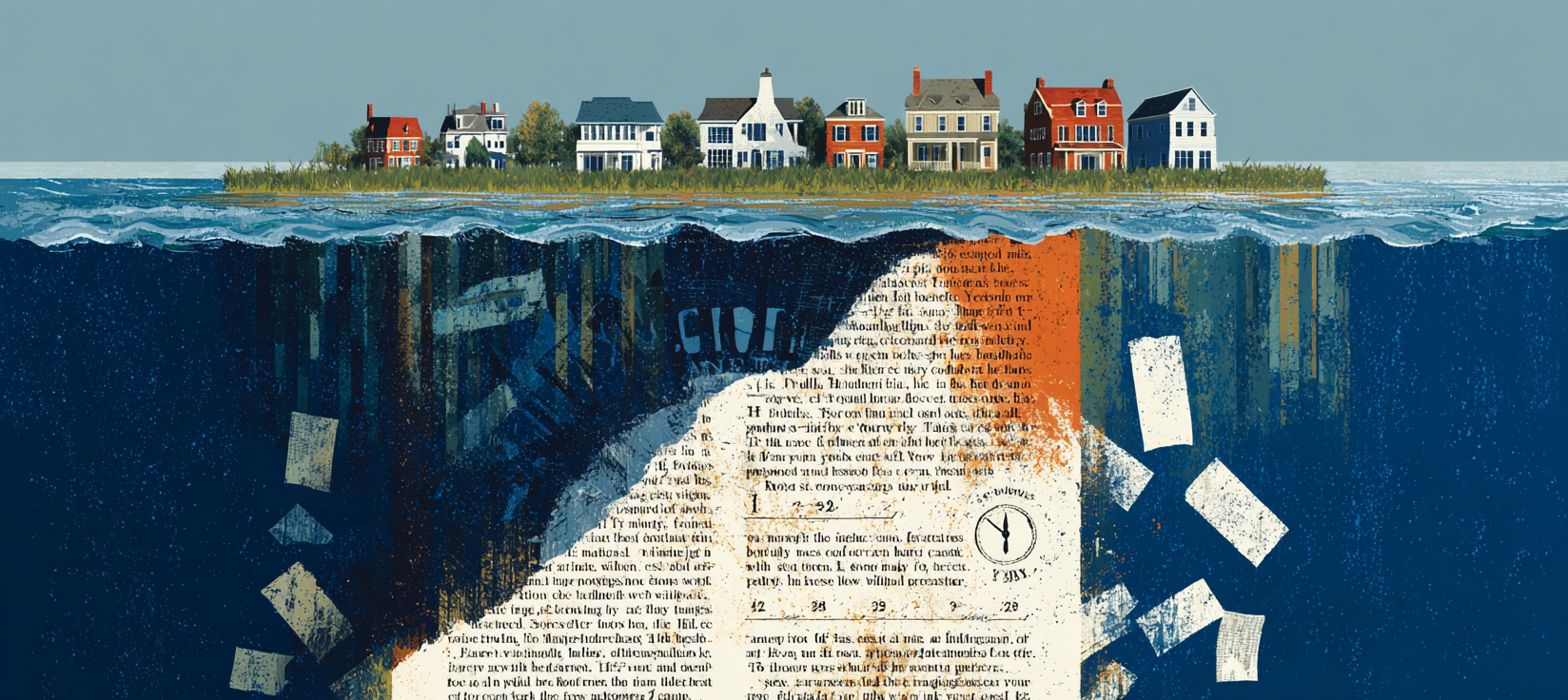
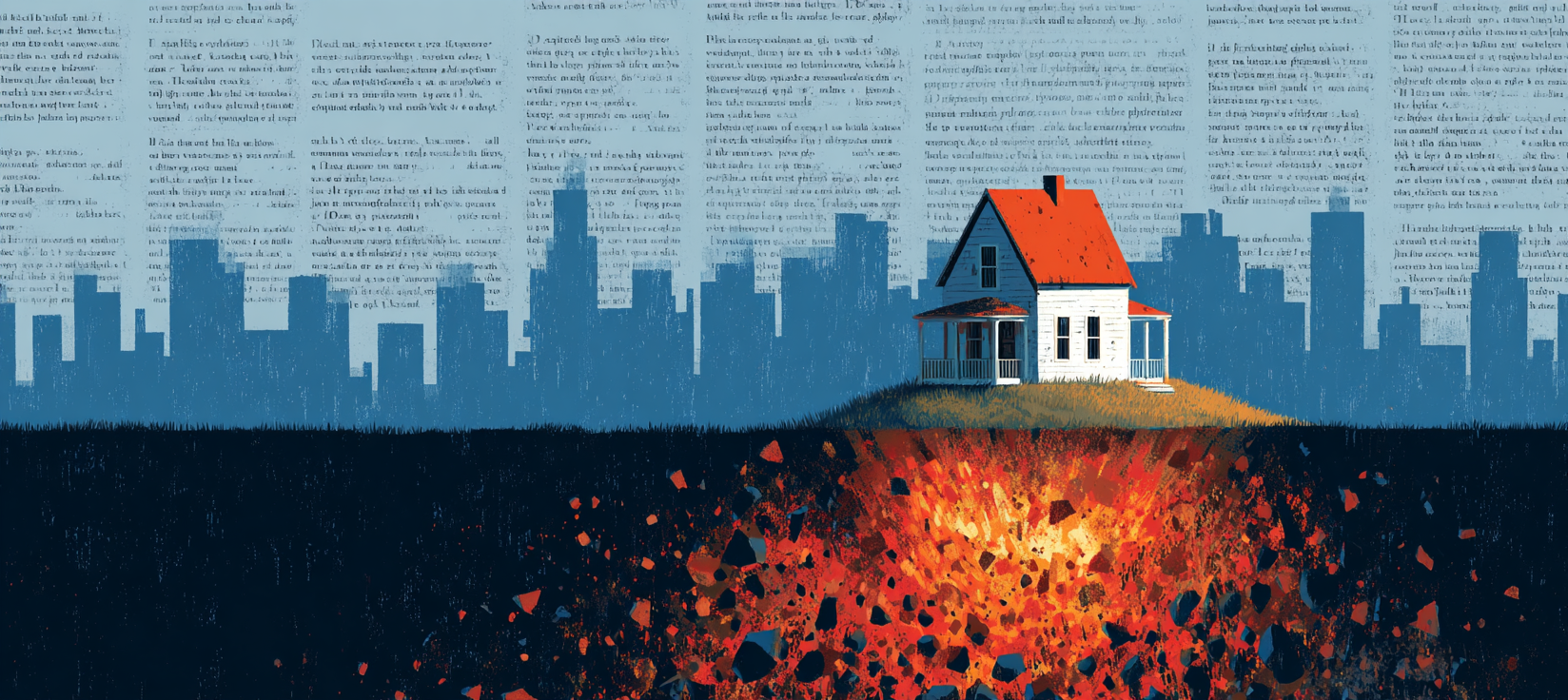
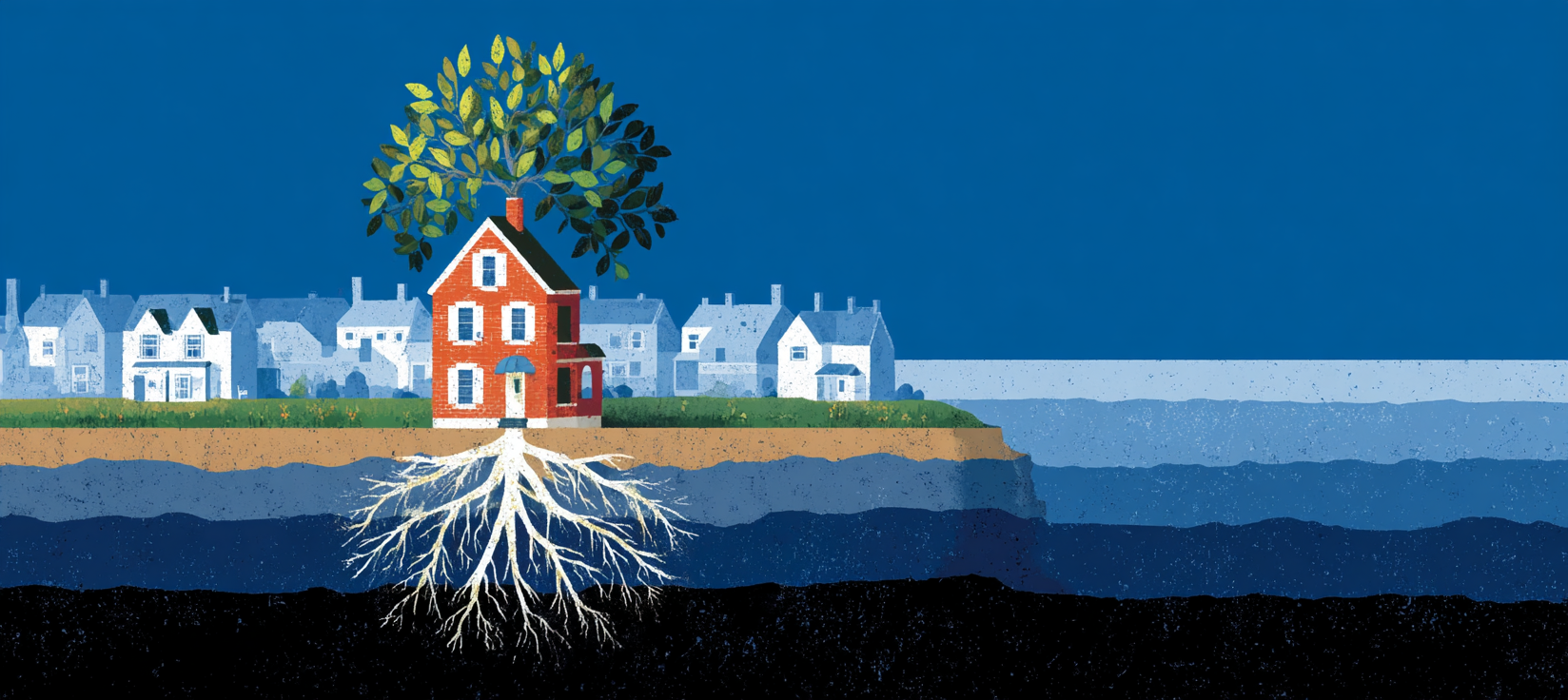
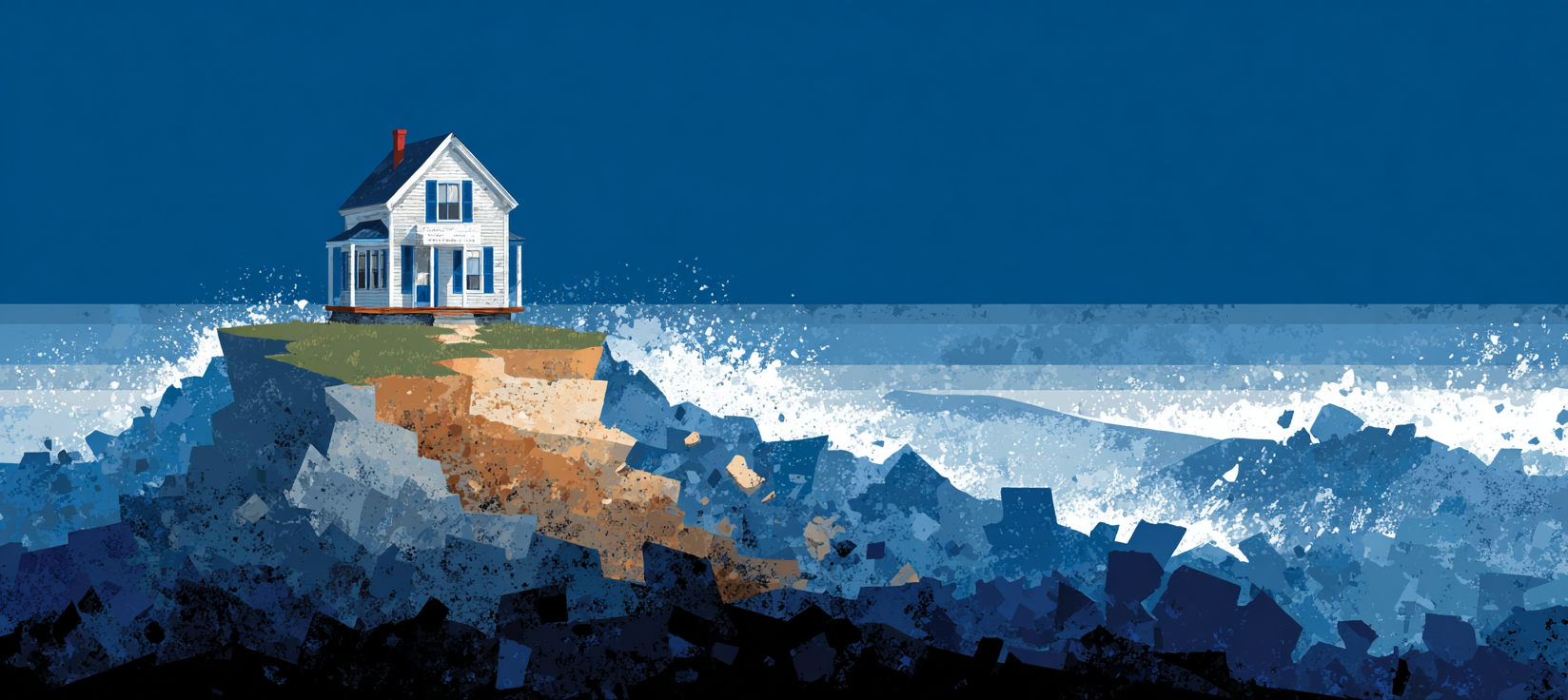
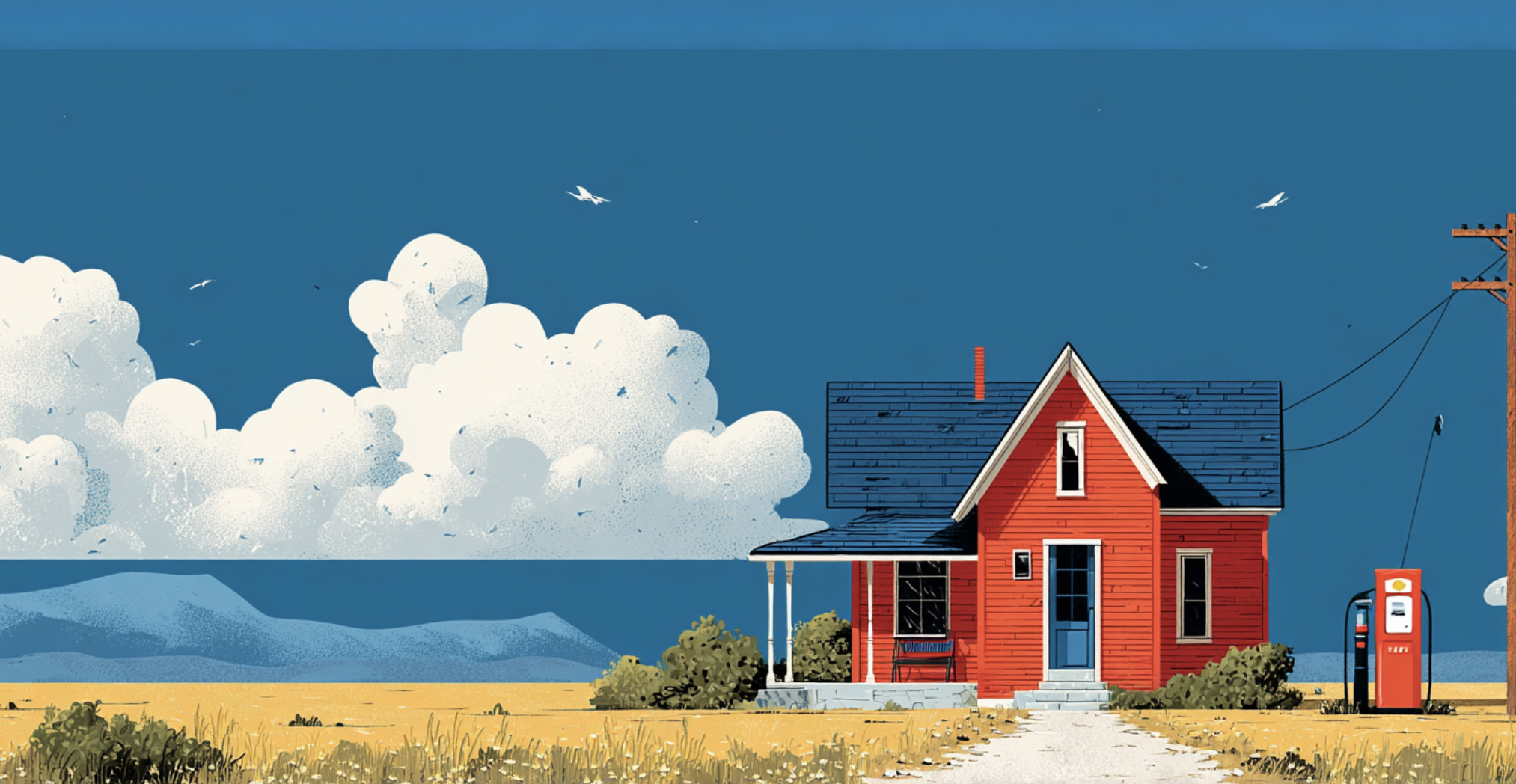
Nine months after the Guadalupe River flood, a remodeled house settles whether you can stay. Whether you should remains unanswered.

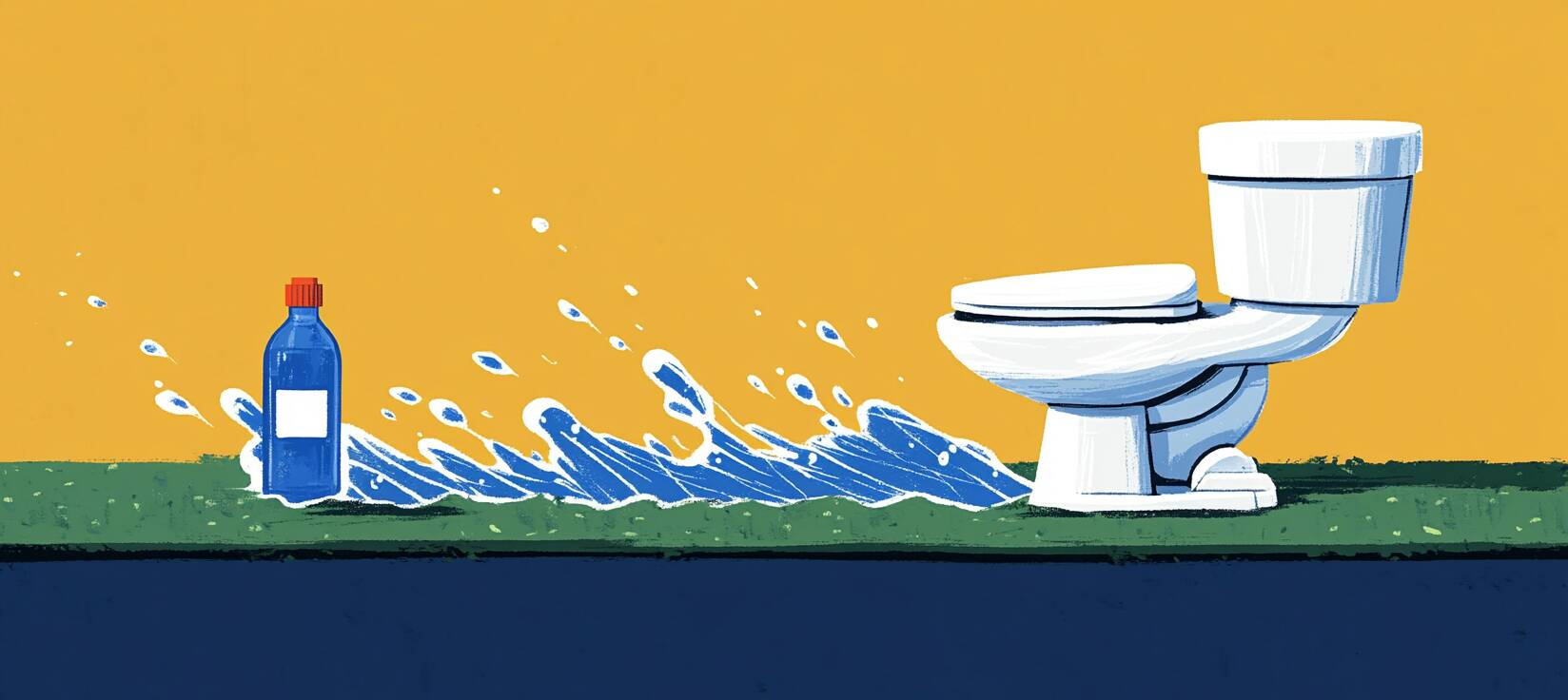
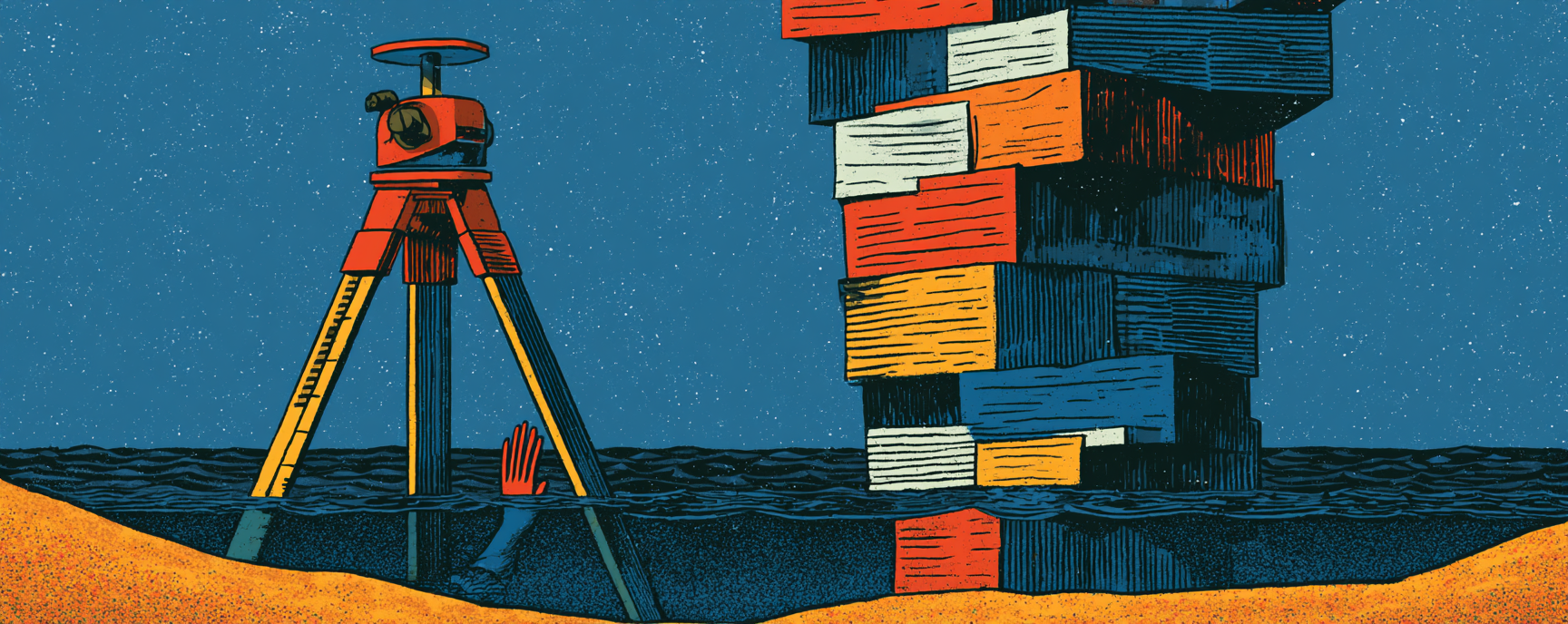
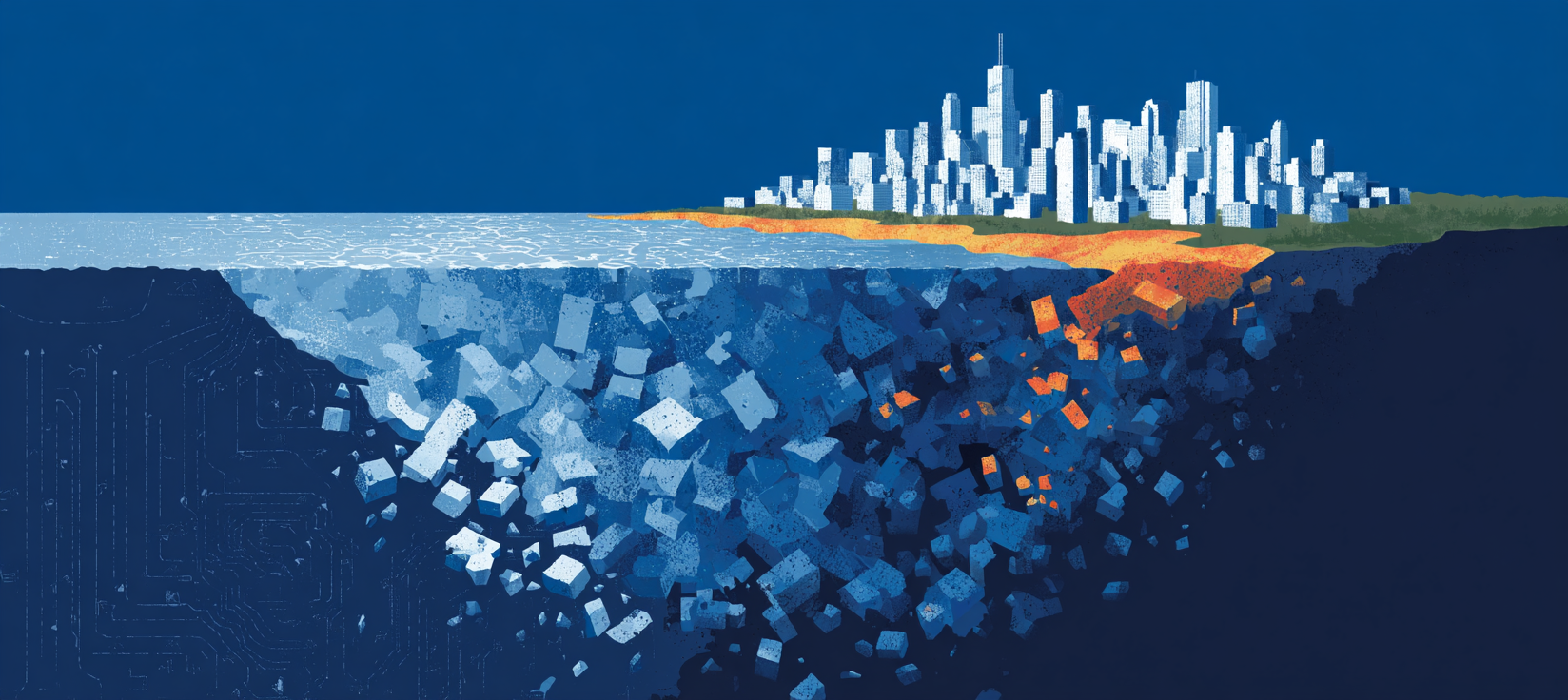
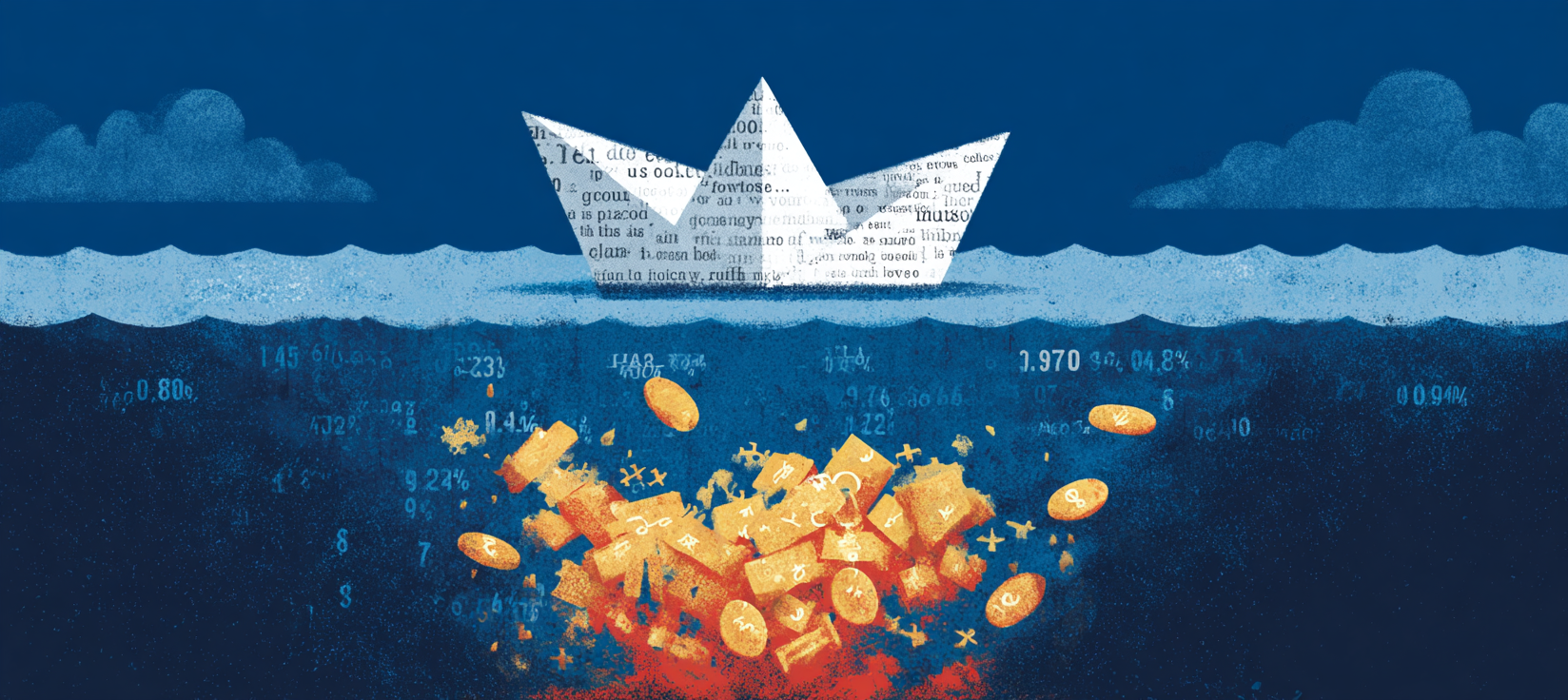
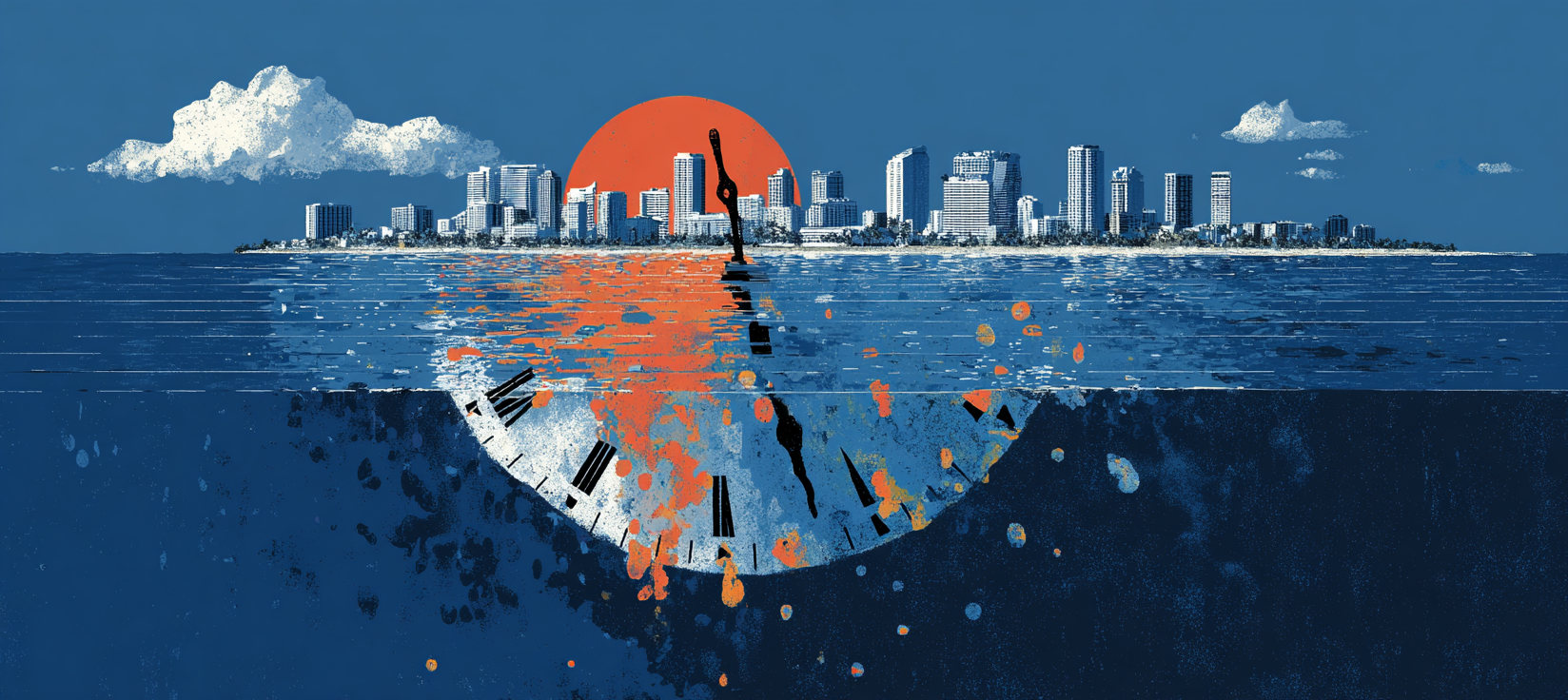
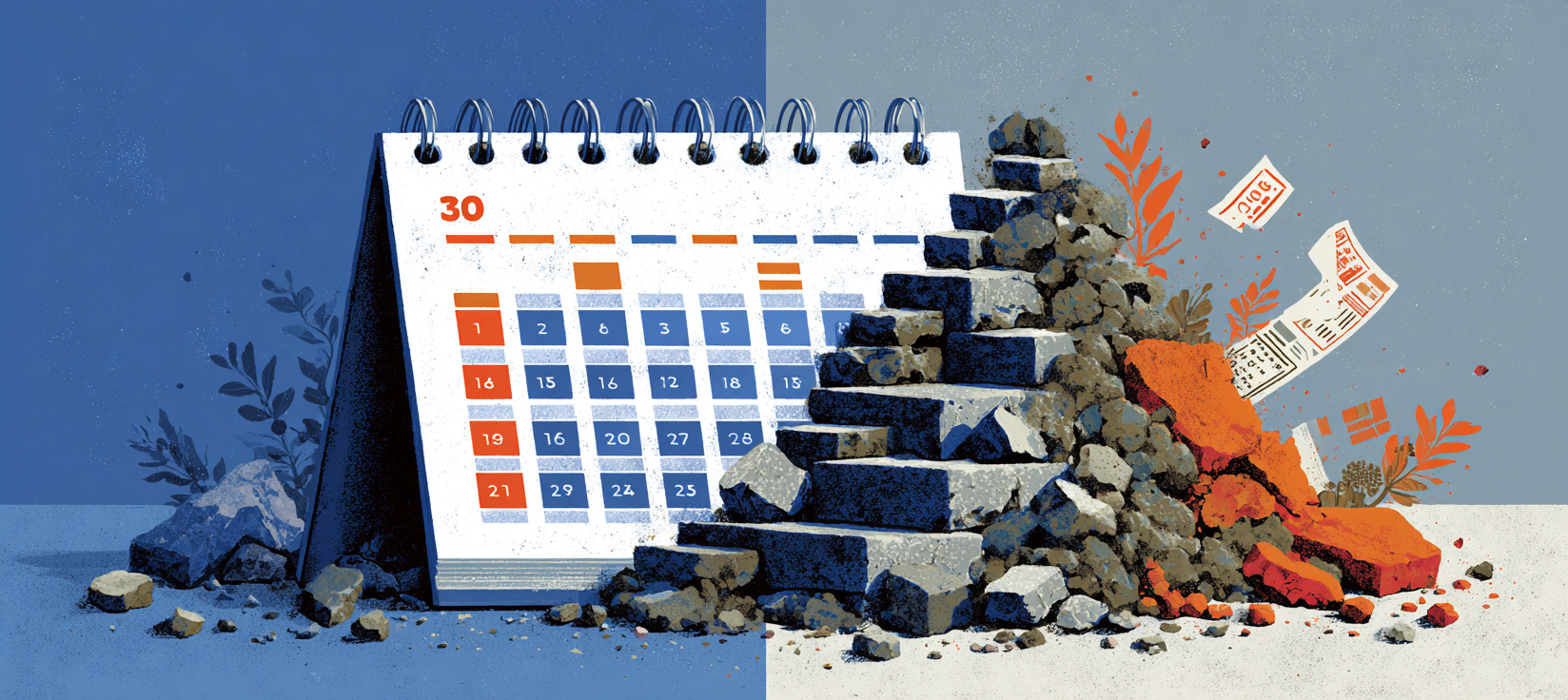
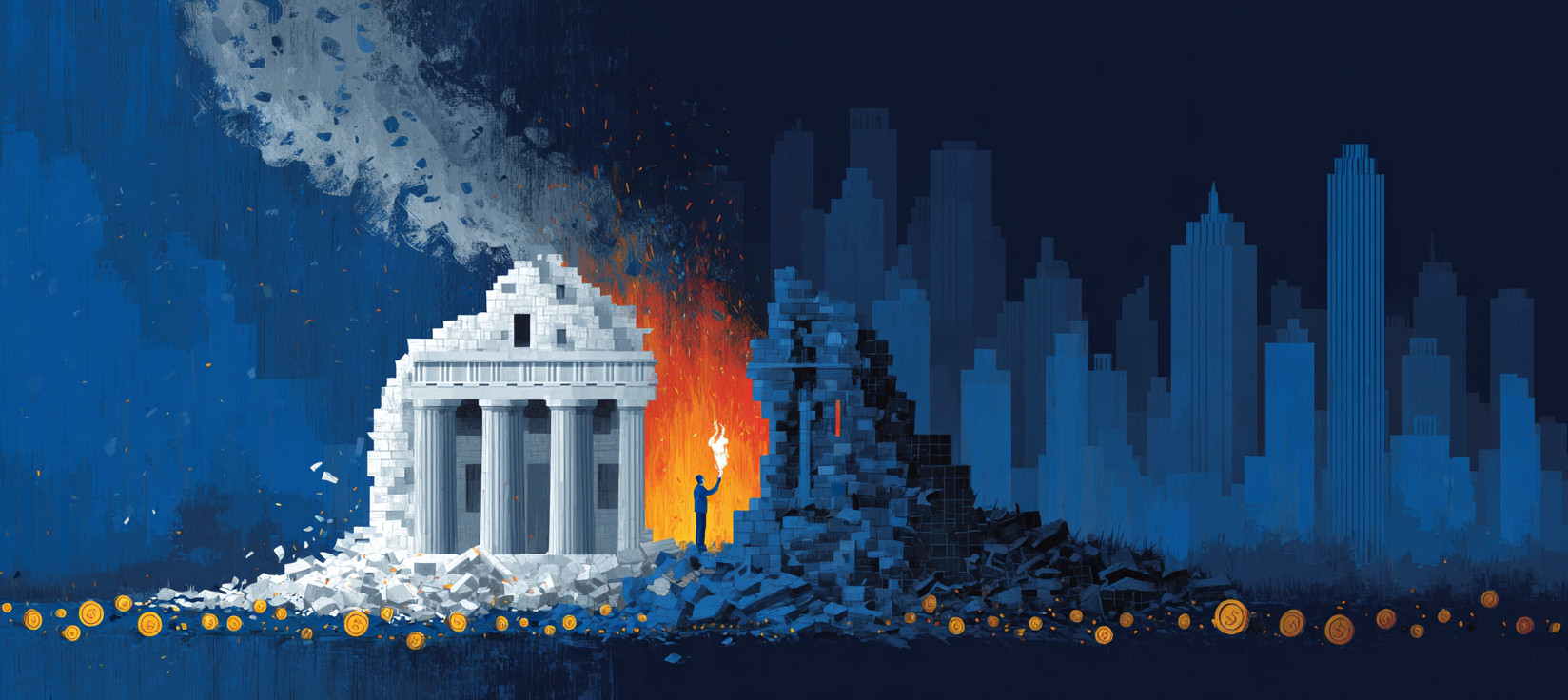
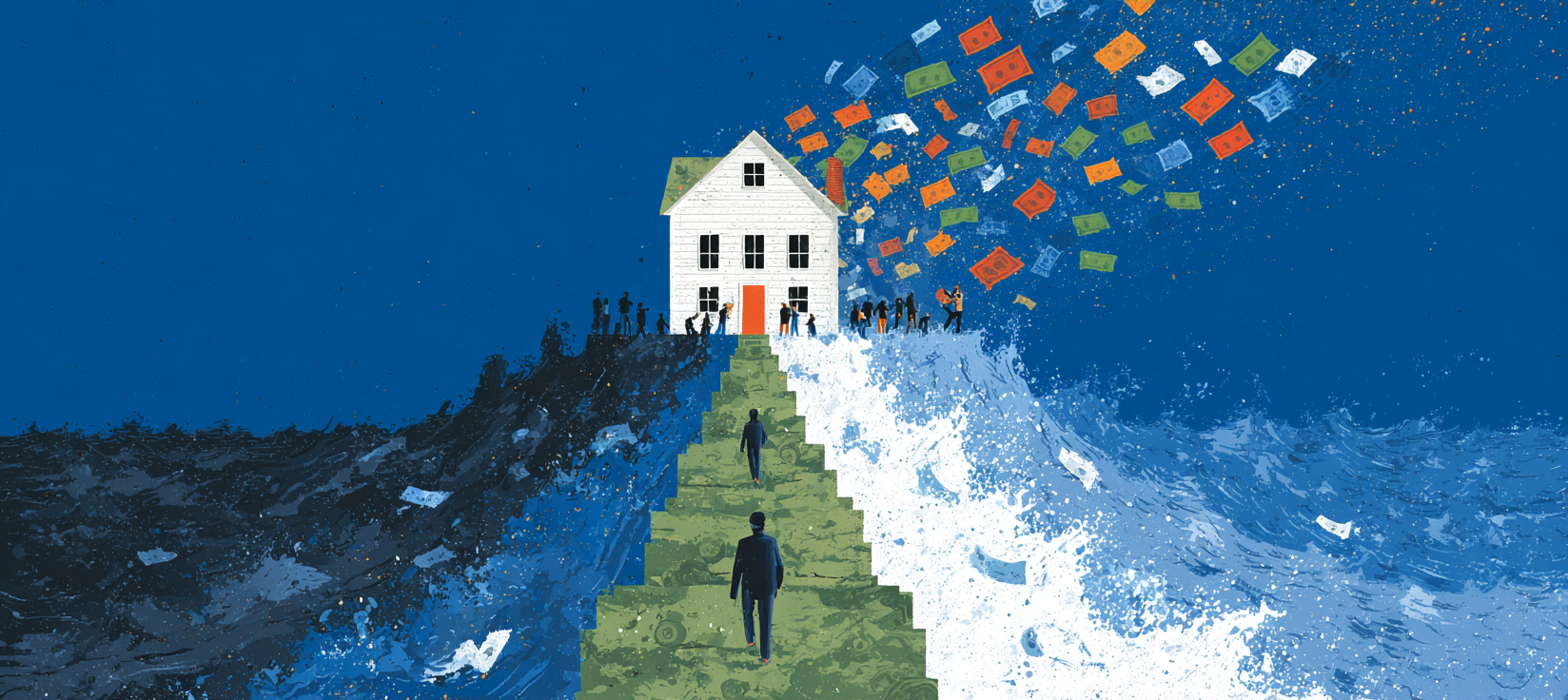
South Florida condos are appraised at prices that erase the six-figure costs already devouring their owners.

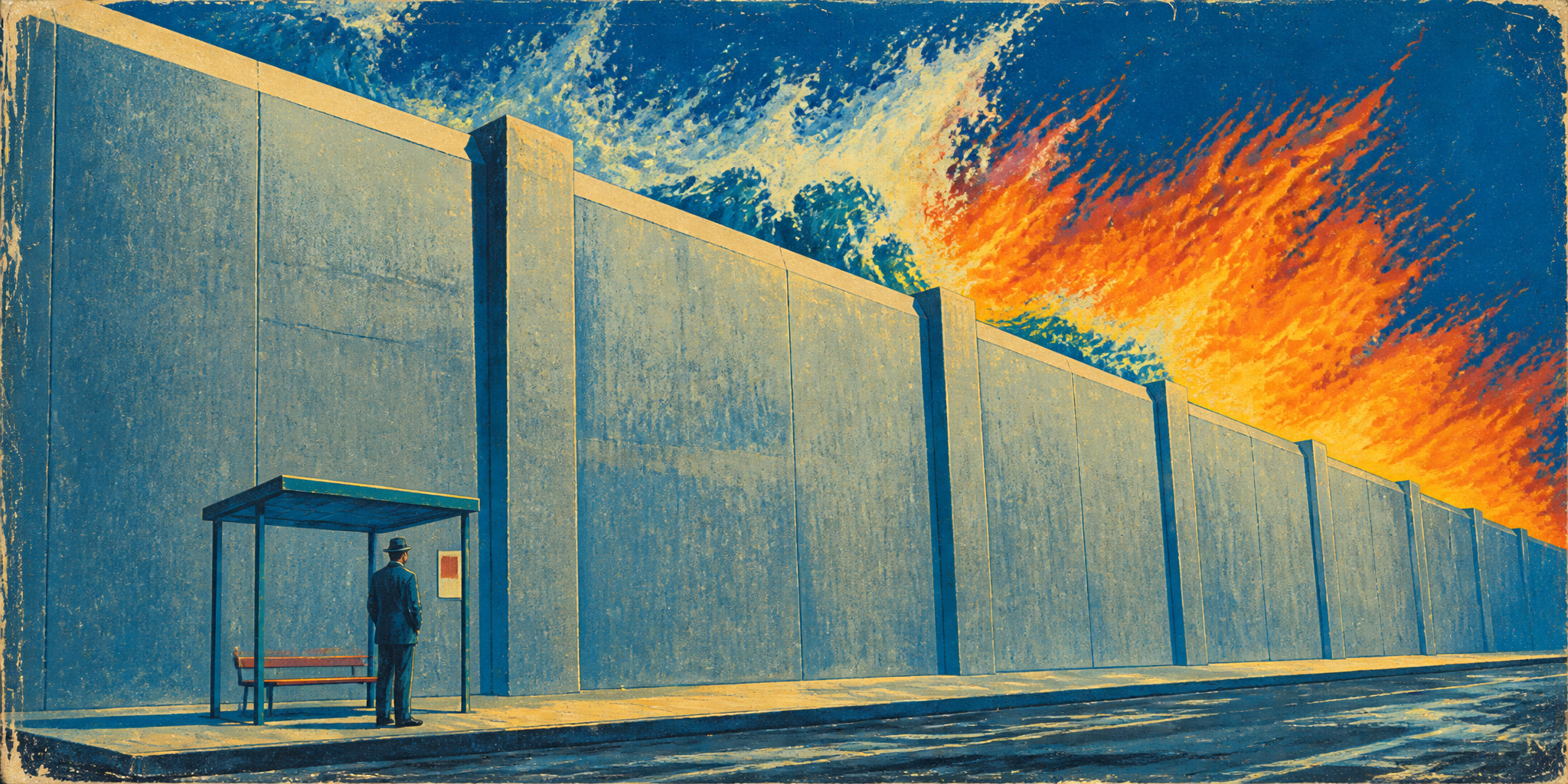
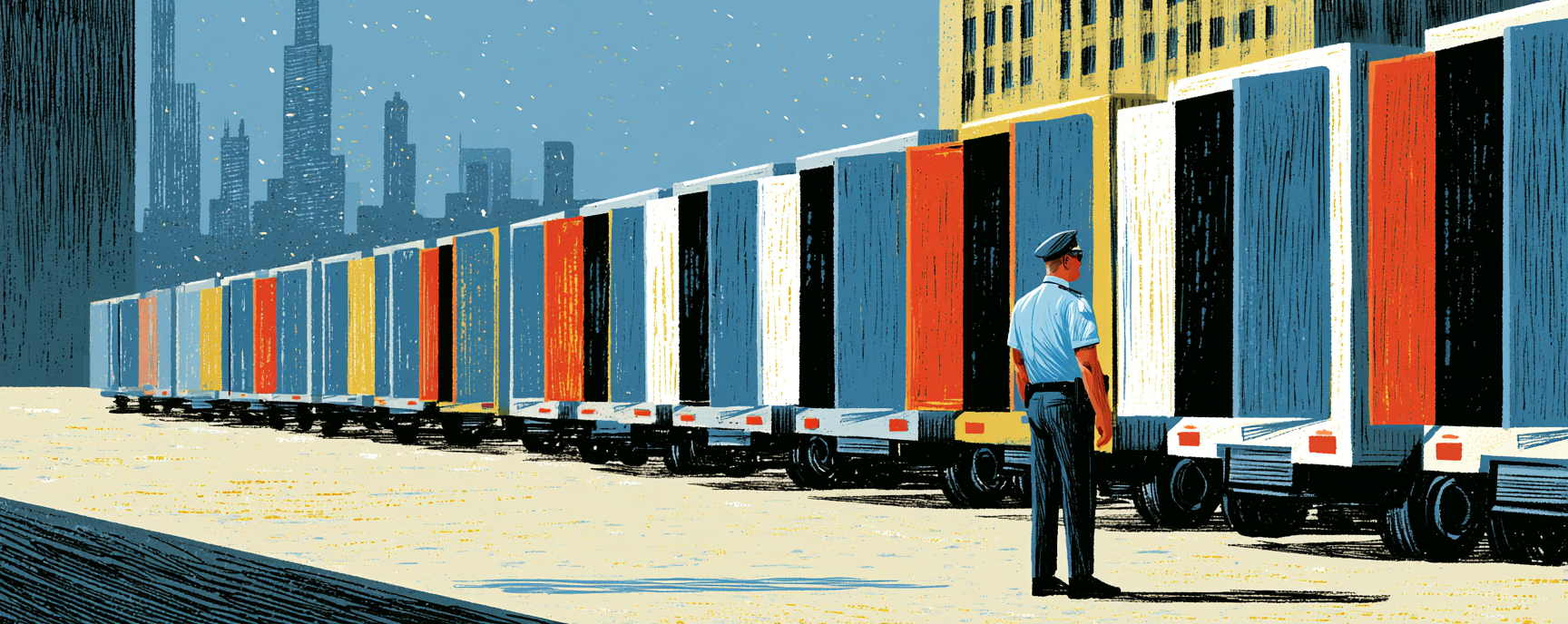
A buried Bronx stream kept flooding families for a century until the city paid millions to dig it back up.

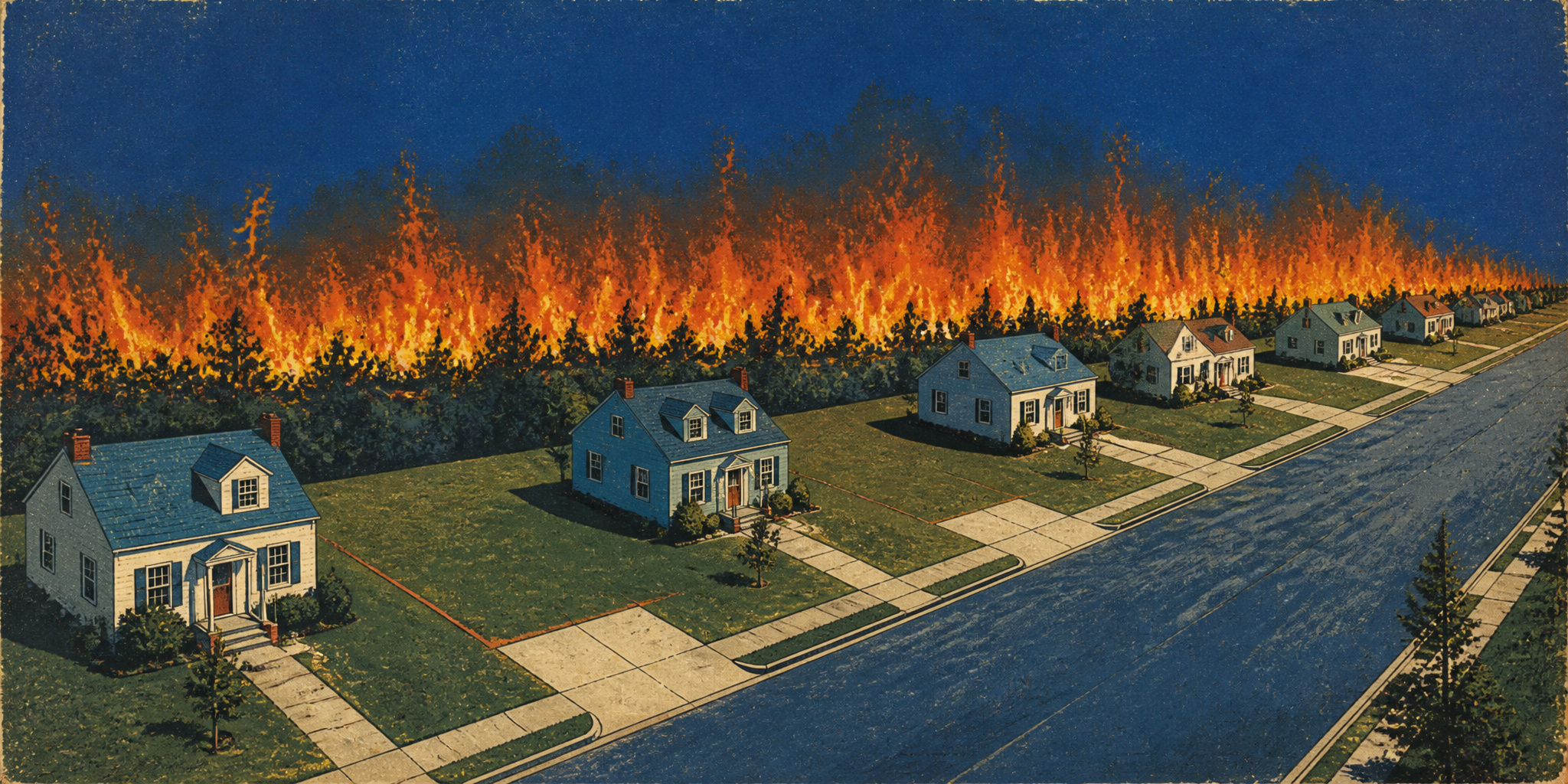
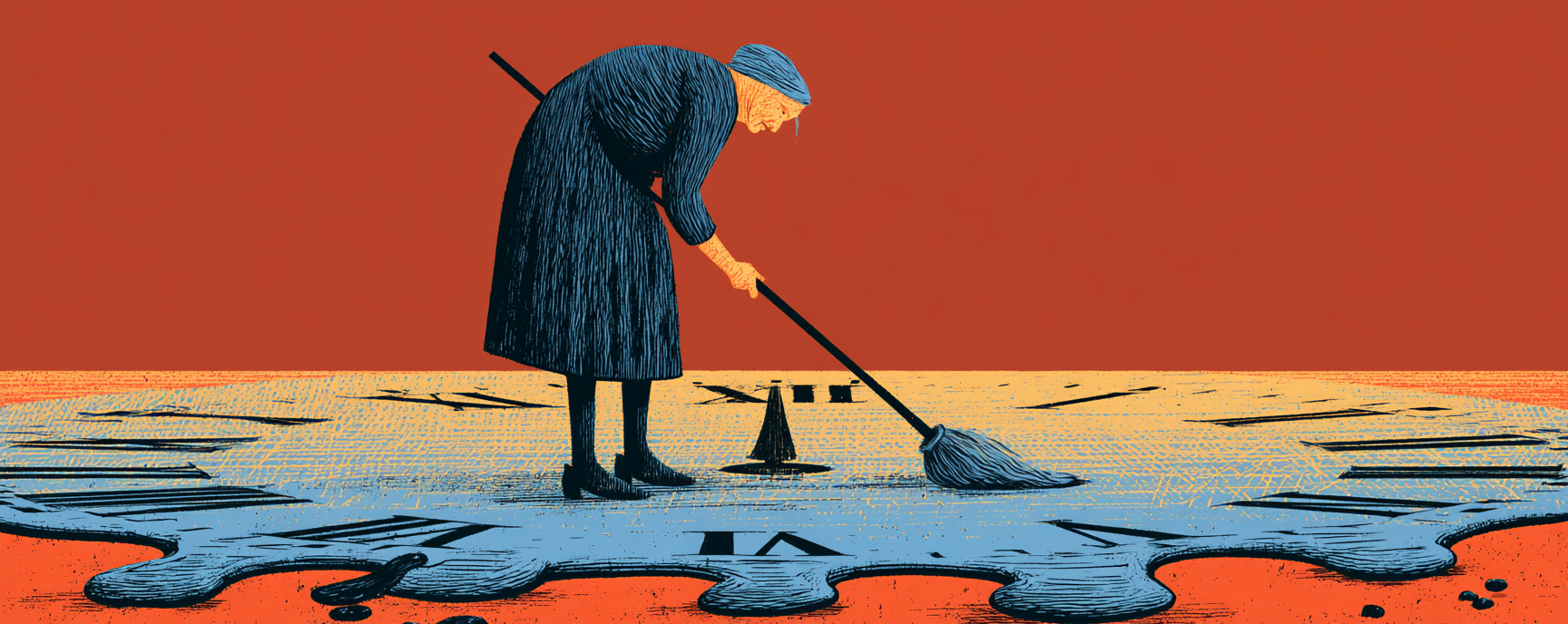
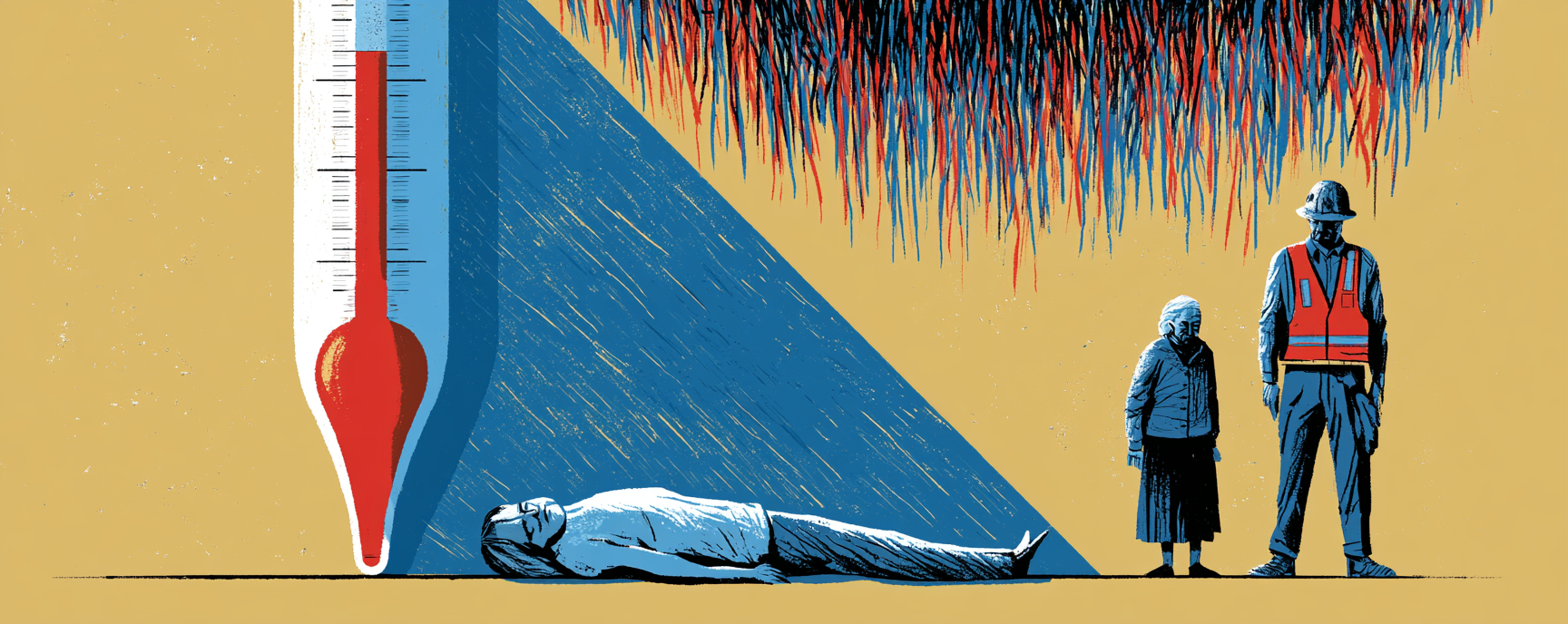
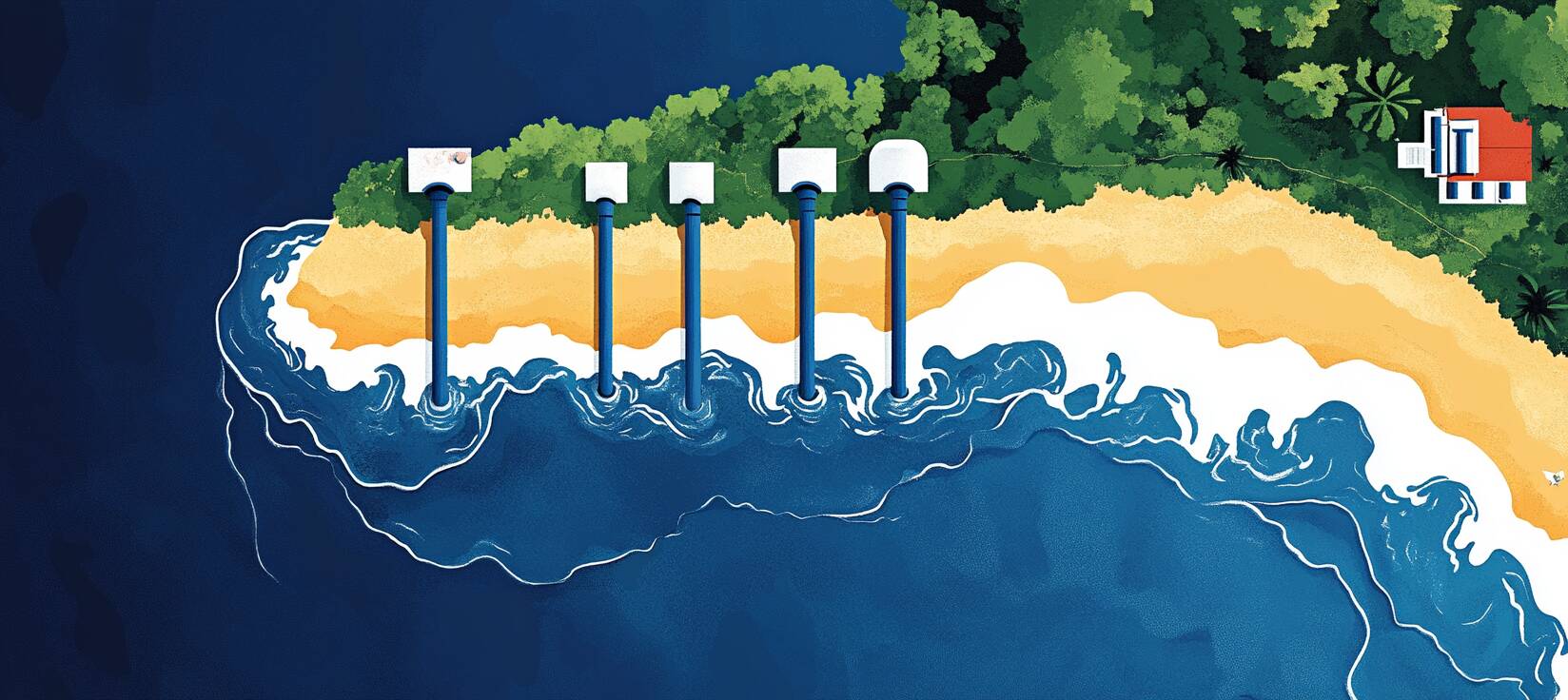
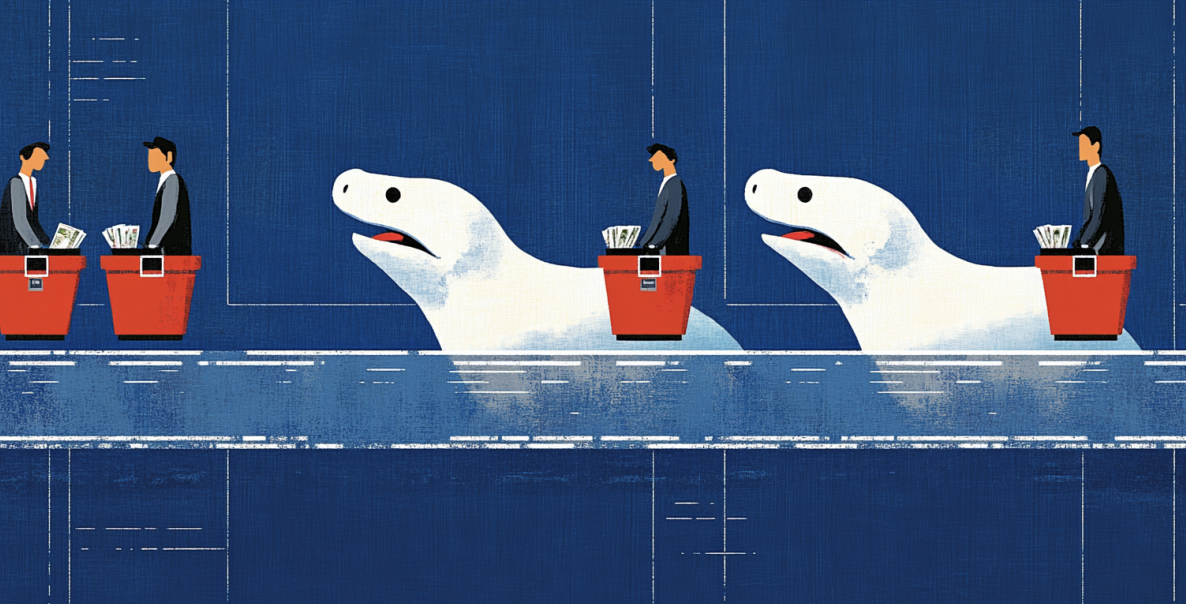
Ocean warming is quietly dismantling Miami's invisible cooling system, and every schedule, grid, and body built around it feels the silence.
April — Issue #29

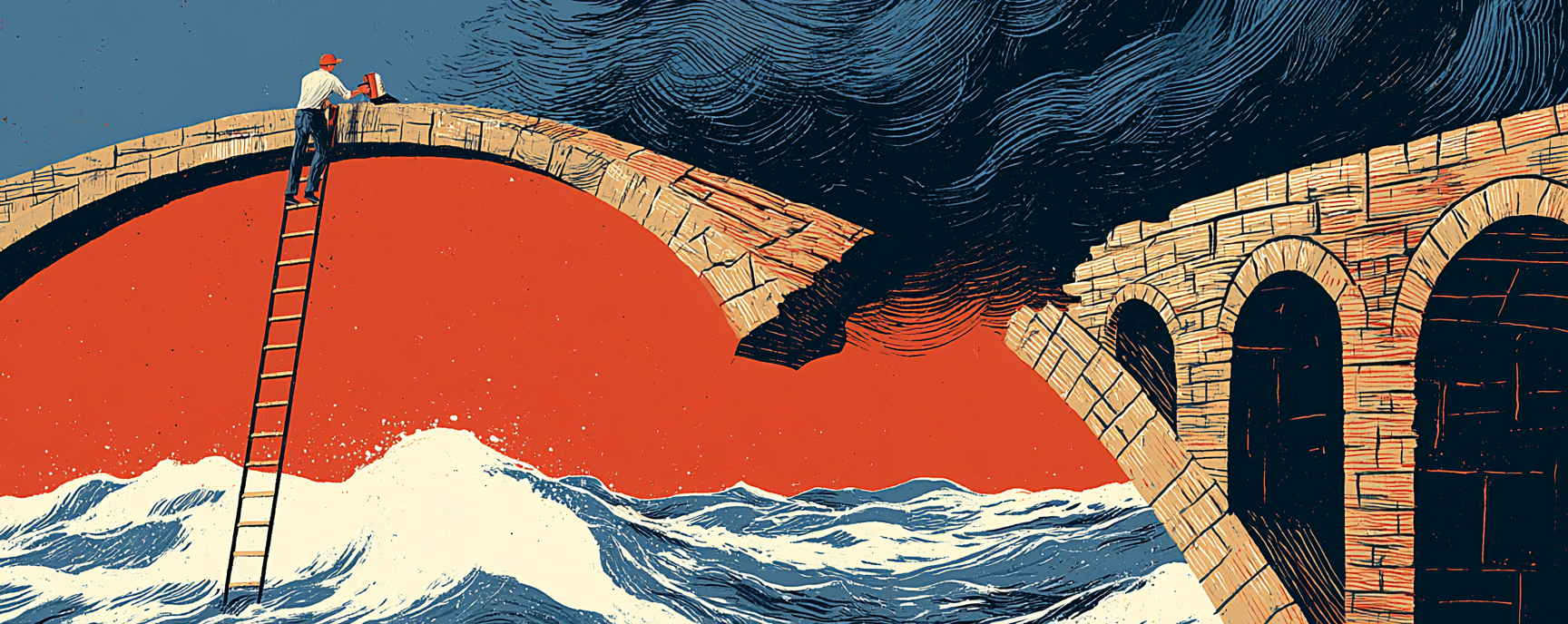
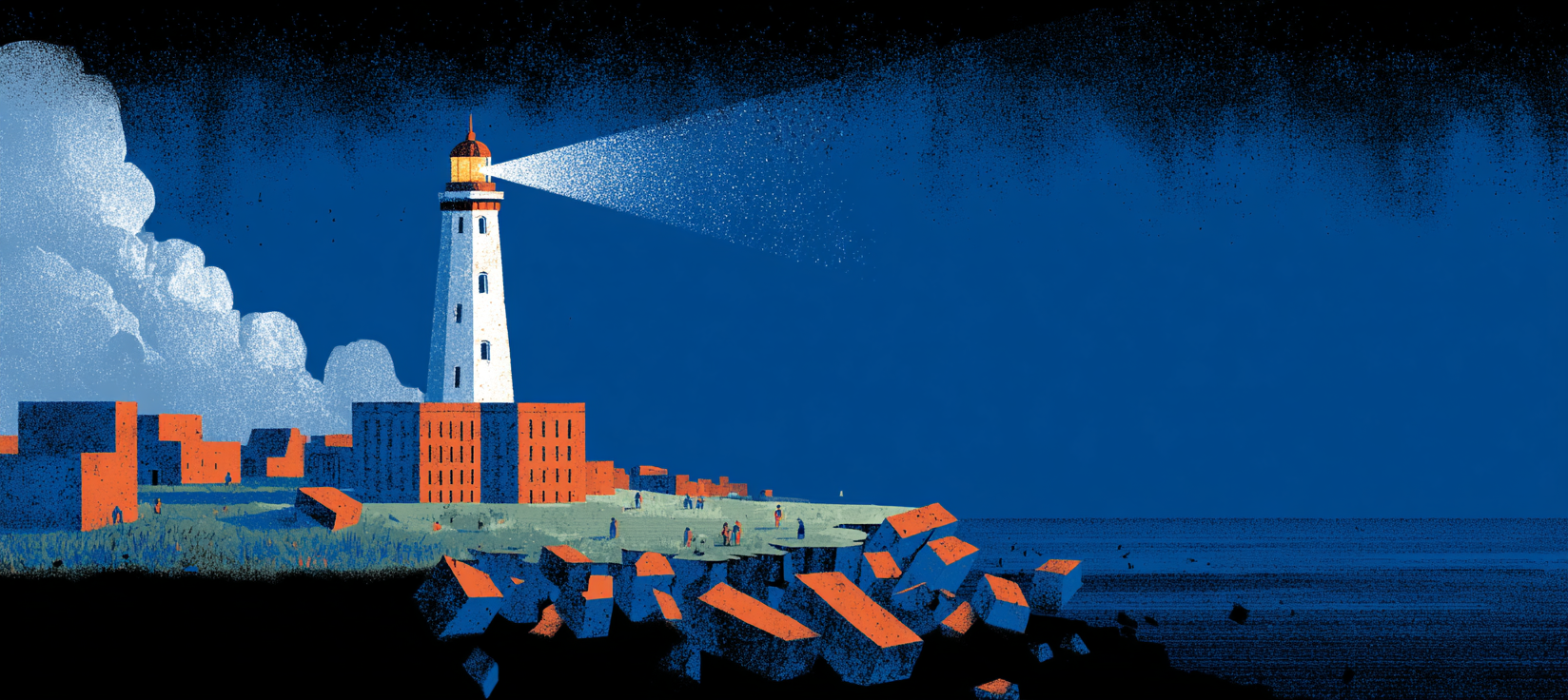
The Delta Works held back every storm they faced. The sea simply outgrew the engineering that was supposed to be enough.

Dutch oyster farmers forced engineers to redesign the world's greatest flood barrier mid-construction, choosing ecology over erasure.

Federal forms ask for counties, zip codes, and nearby housing. A 39-square-mile island answers in blanks.

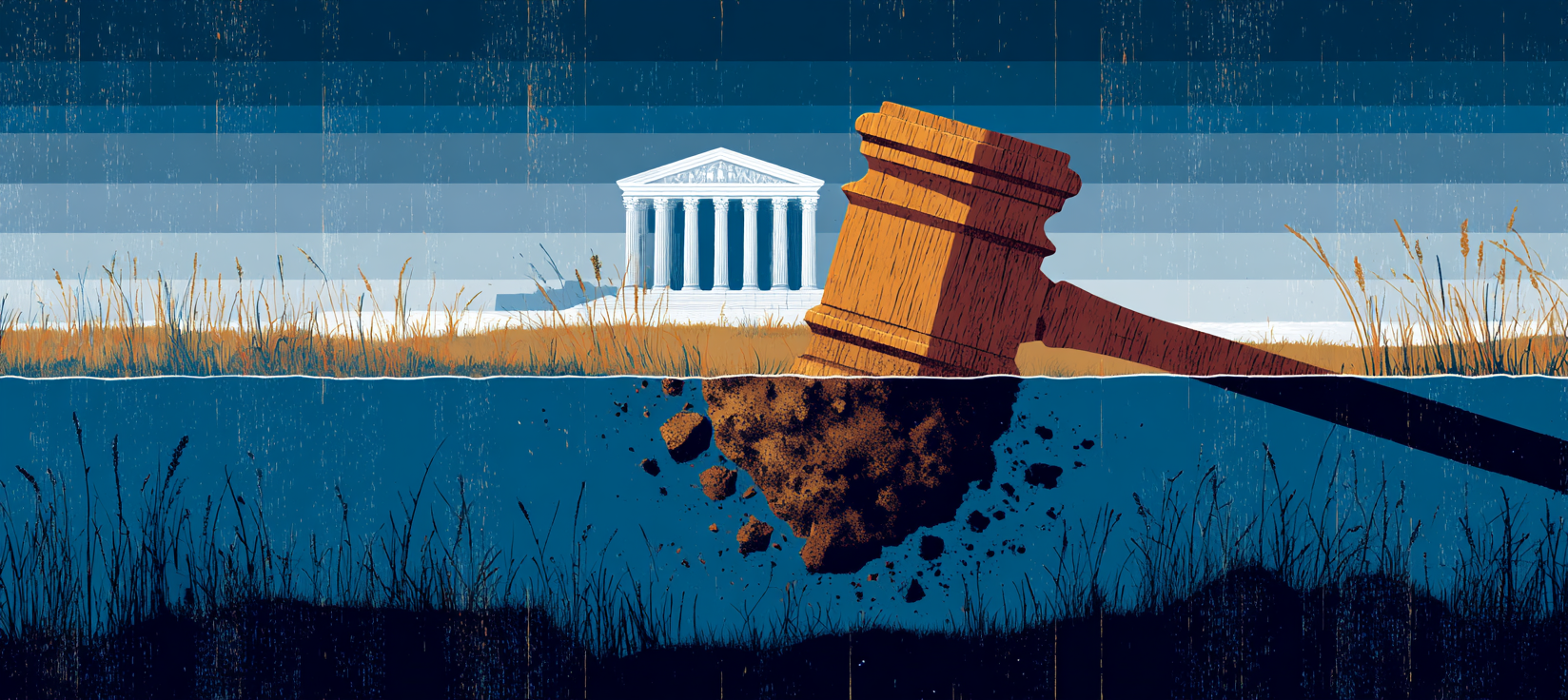
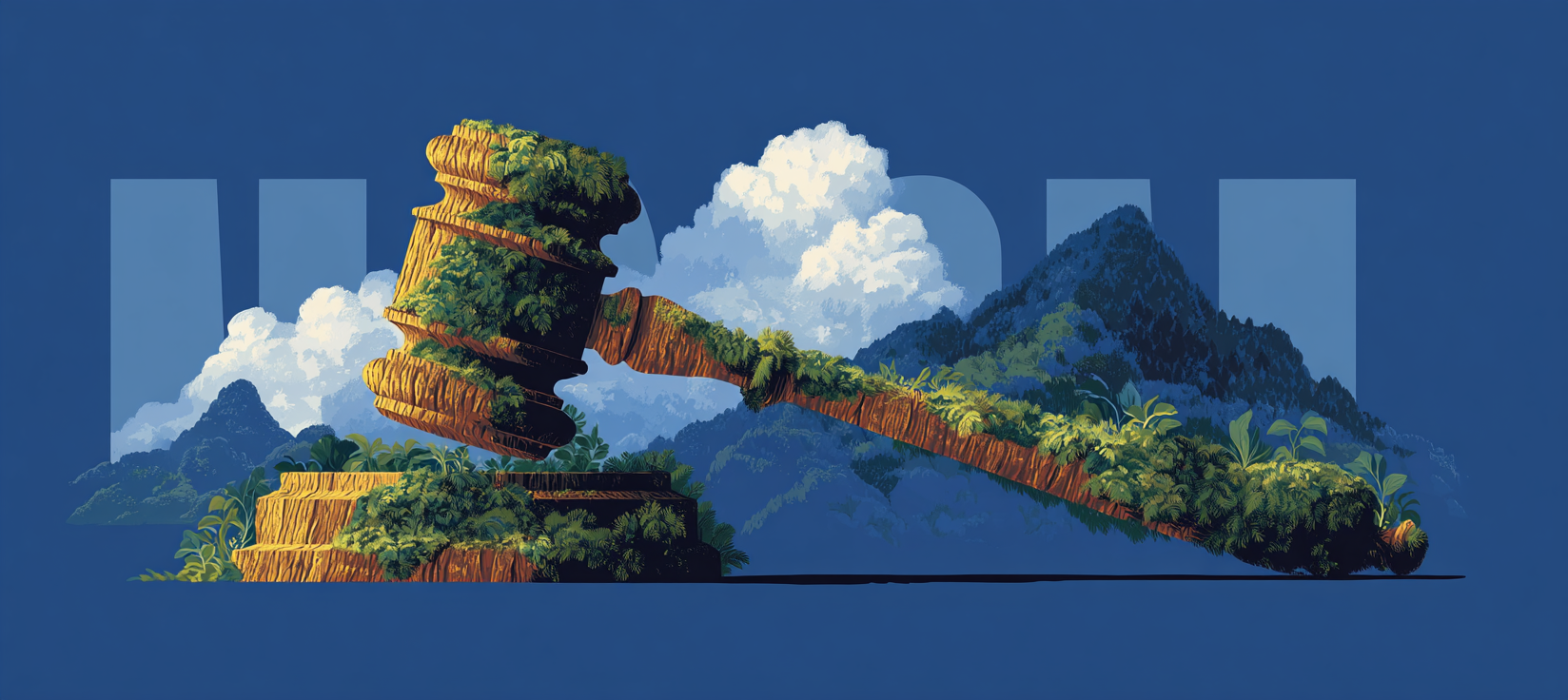
A parish jury saw the vanishing marsh and named the price. The Supreme Court moved the question somewhere they can't.
April — Issue #28

A Portuguese immigrant's son photographs his flooding street while the plan to buy out his father's house stalls indefinitely.

Heat and drought multiply each other's damage, but Arizona's emergency systems still treat them as separate problems.
April — Issue #27

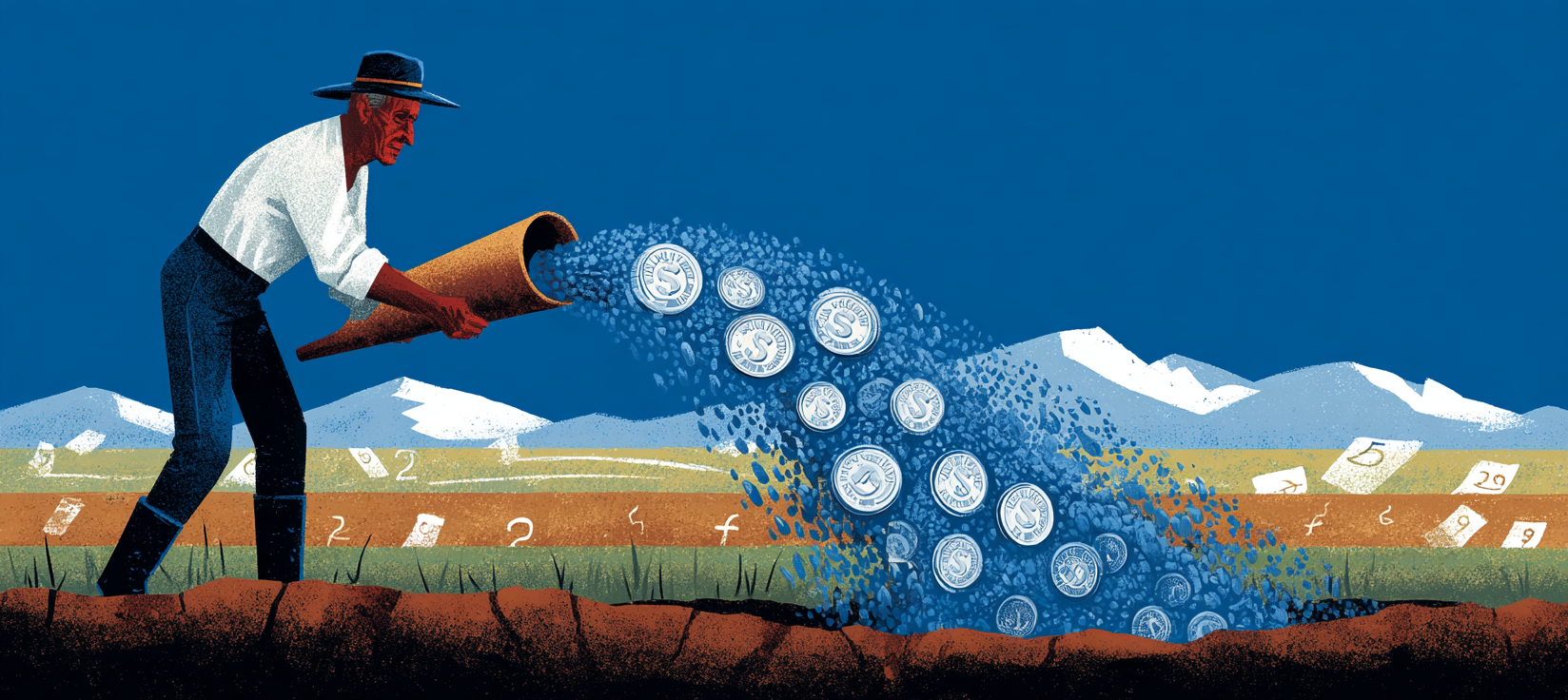
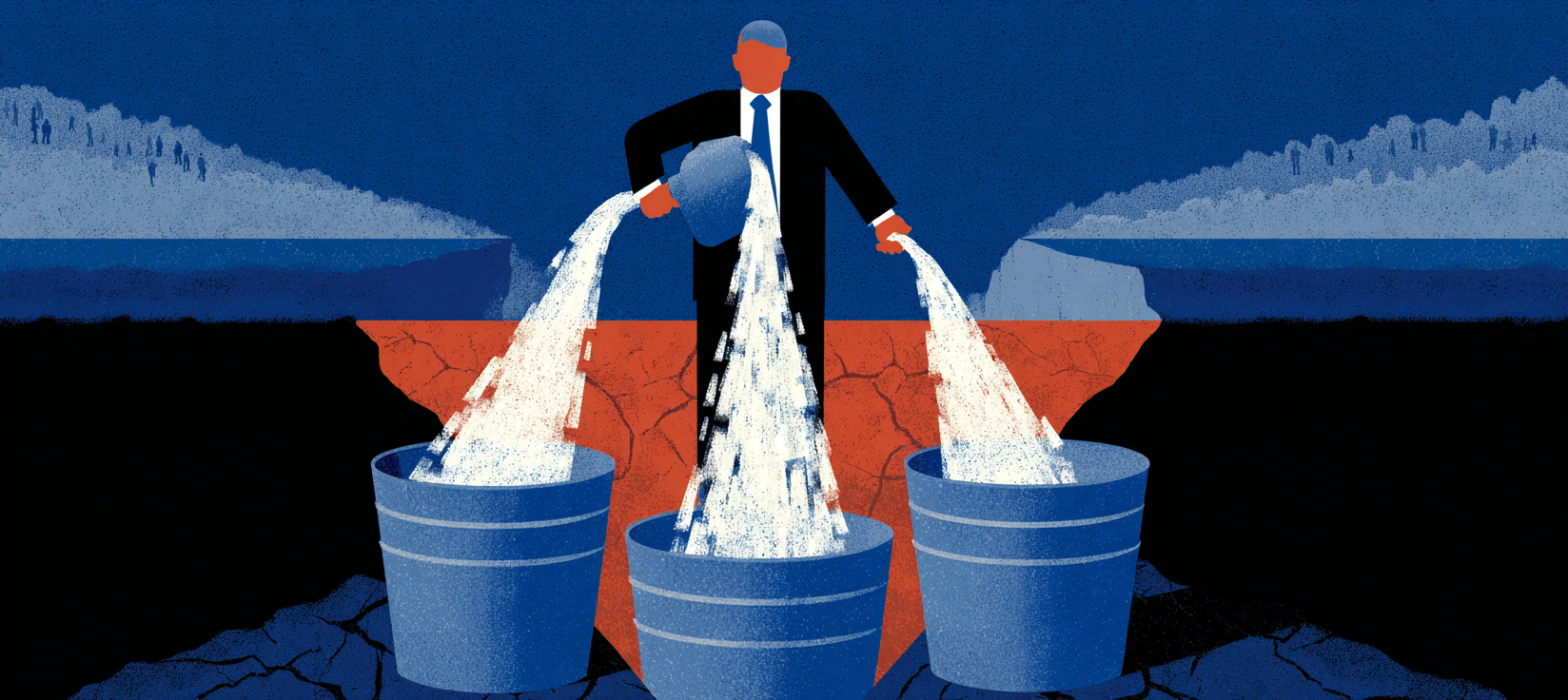
Klamath Basin farmers committed spring money before the water number arrived, and the water number arrived wrong.

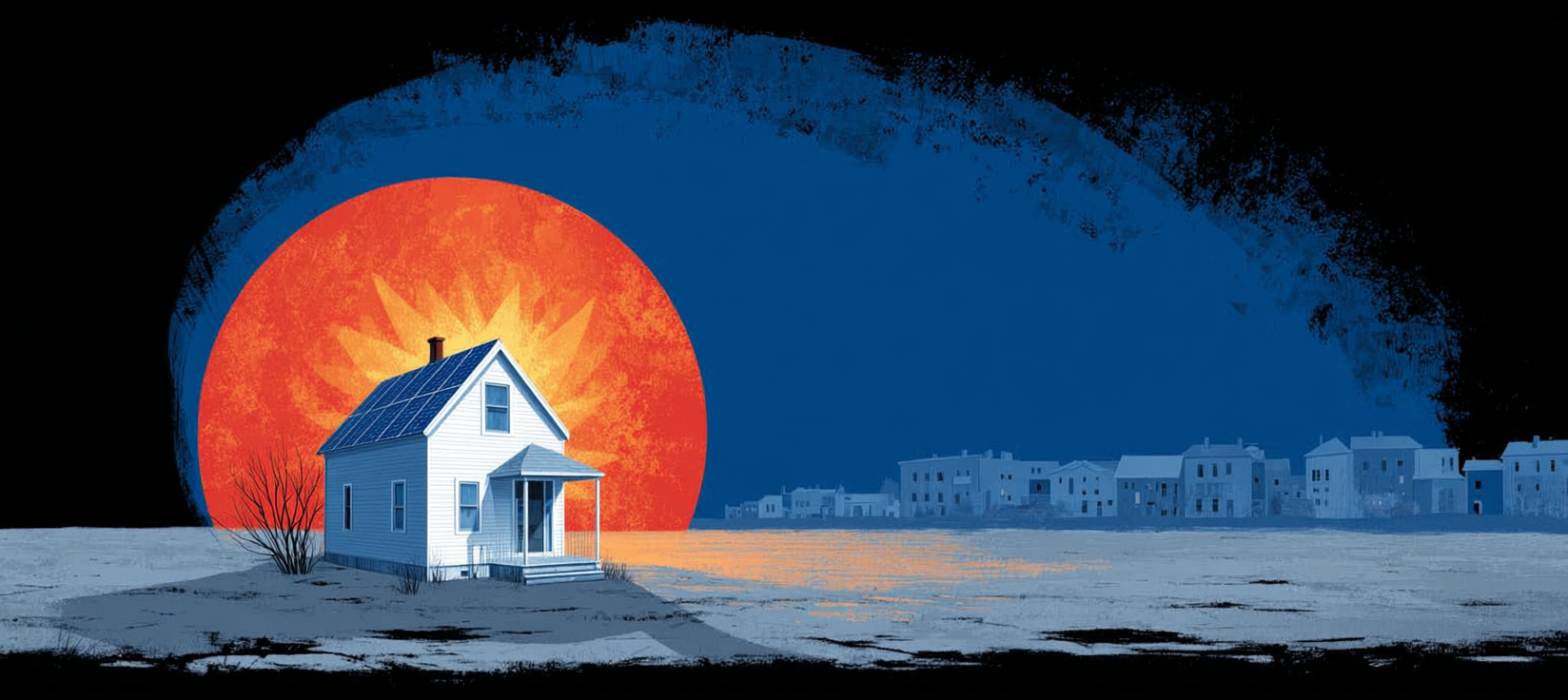
Solar tariffs and a killed tax credit converge on the families least able to afford rising electricity bills, pricing out adaptation exactly when heat demands it.

Britain built the world's first famine protocols while exporting grain from starving India. The codes saved millions and defined acceptable loss.
April — Issue #26

One storm knocked out power, water, roads, and nearly a century-old dam because every system on Oahu's North Shore shared the same fatal dependency.

Altadena's Army Corps cleared her lot to six inches. University researchers found lead below that line. Nobody will fix it.

Ordinary workers describe seasons breaking, thresholds vanishing, routines failing. No one explains. The accumulation is the argument.
March — Issue #25

A Maine minister drew sunspots to explain the cold. The real answer sat in a newspaper nobody knew how to read.

A killing frost emptied New England's towns, but the families who couldn't afford wagons stayed and ate nettles.

When Phoenix broke heat records in March, one shelter director improvised what the city's own plan wouldn't fund for six more weeks.
March — Issue #24

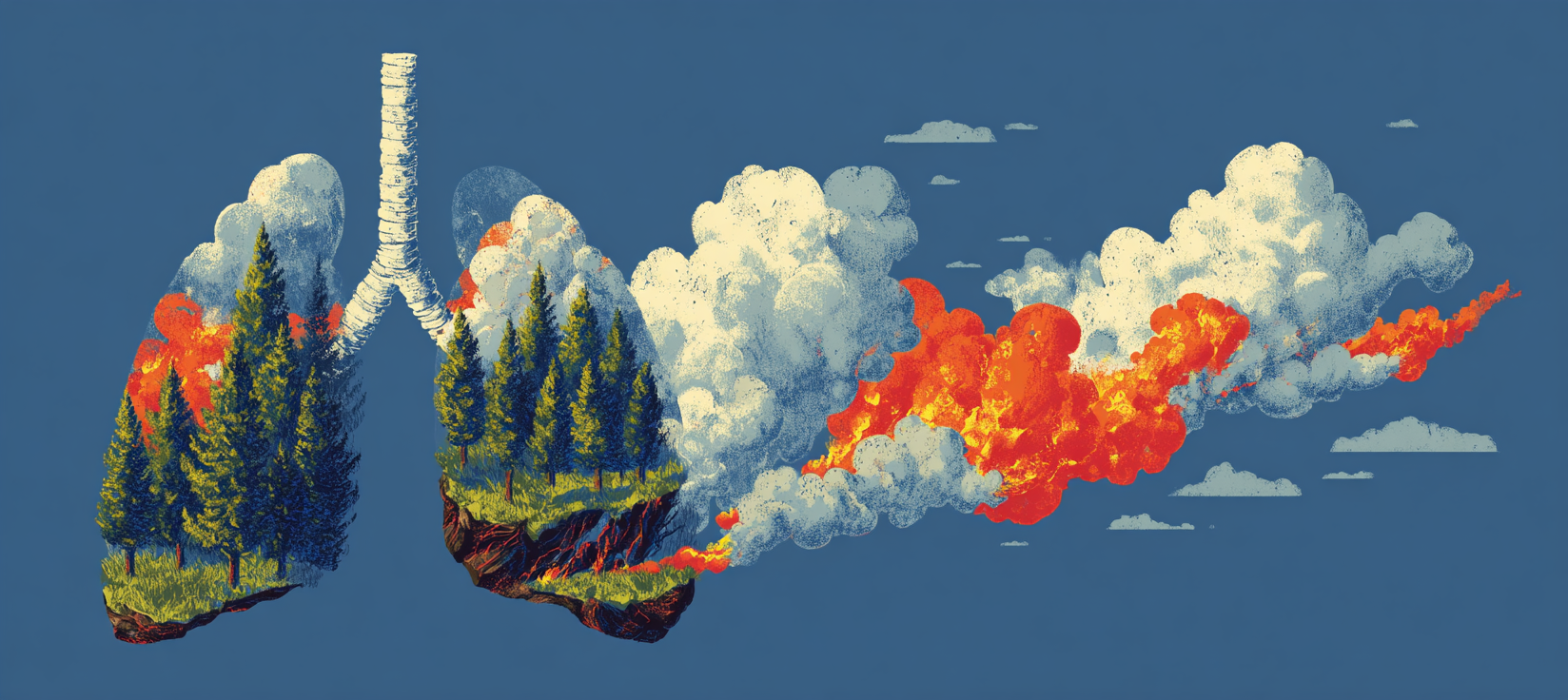
Satellites missed what smoldered underground, and every Western fire decision built on that data inherited the blind spot.

Three risk models disagree on who faces wildfire danger, but urban LA families lose coverage anyway, paying for contradictions they cannot see.

The 1928 Flood Control Act built sovereign immunity and cost-sharing into federal disaster law, embedding gaps that FEMA inherited and never closed.

March — Issue #23

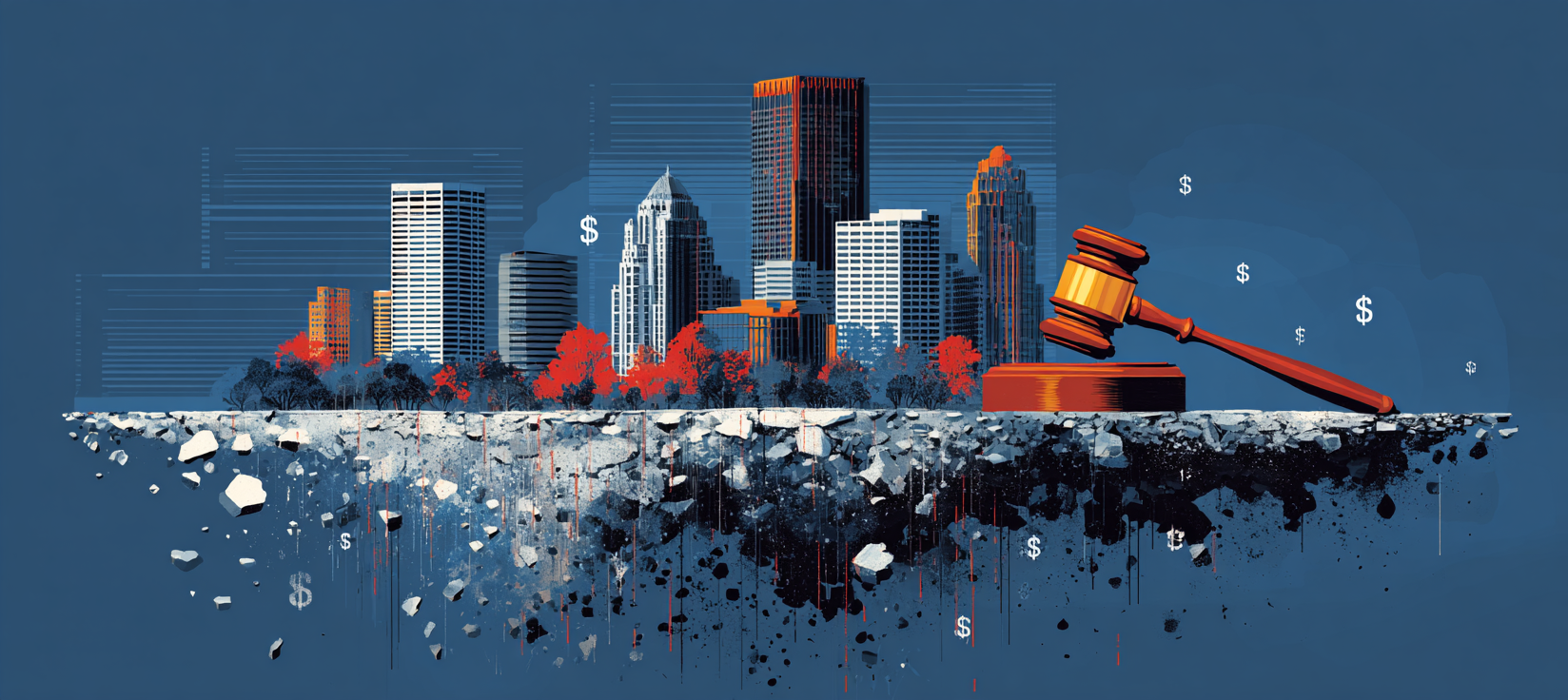
One city's climate costs outgrew its budget, and the only path to recover them leads through a hostile courtroom.

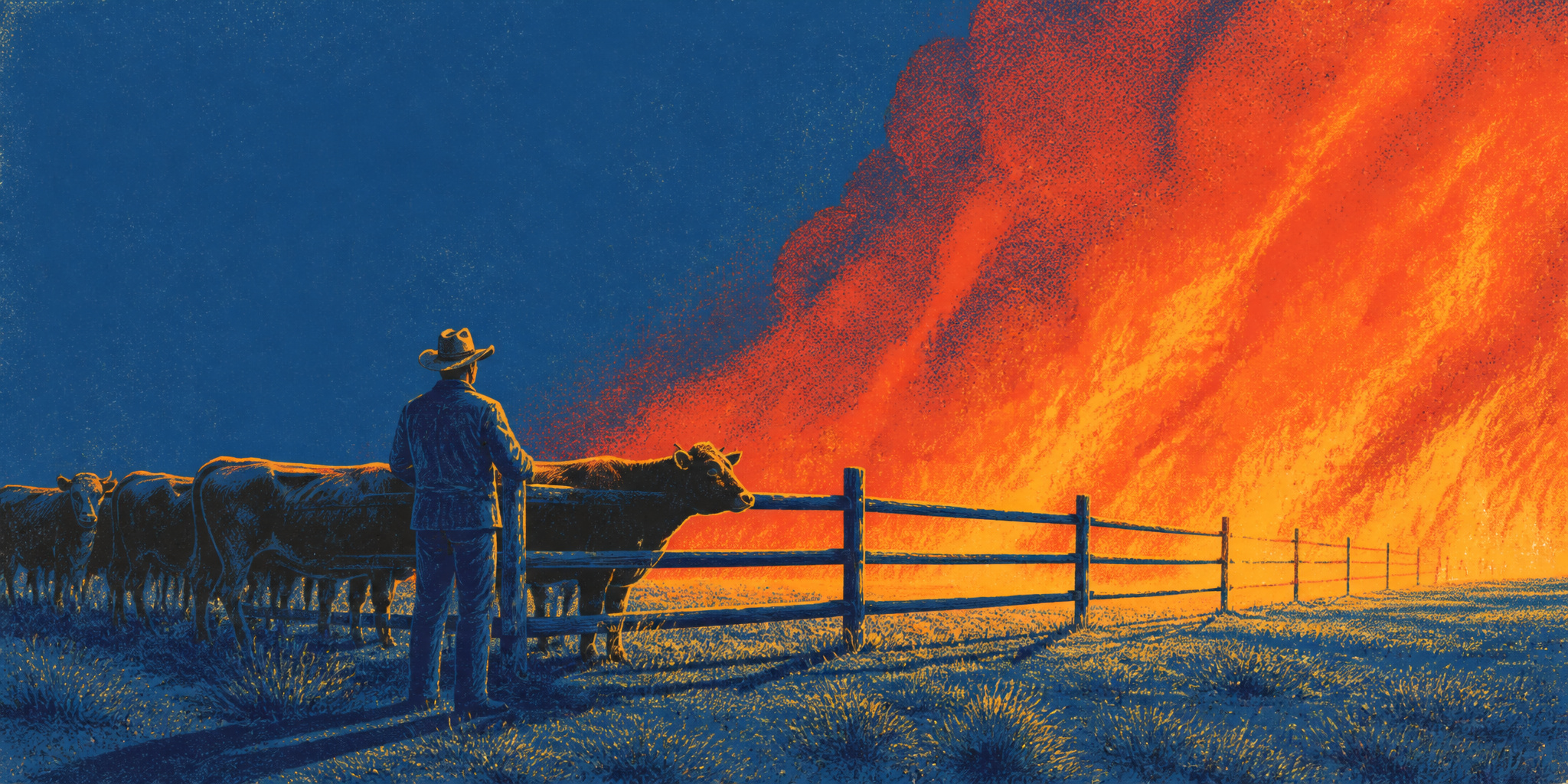
Oklahoma ranchers hit by the Ranger Road Fire are still recovering from the last blaze. The interval keeps shrinking.

Hurricane Helene's downed forests are curing into wildfire fuel, and volunteer crews face a landscape that didn't exist before.

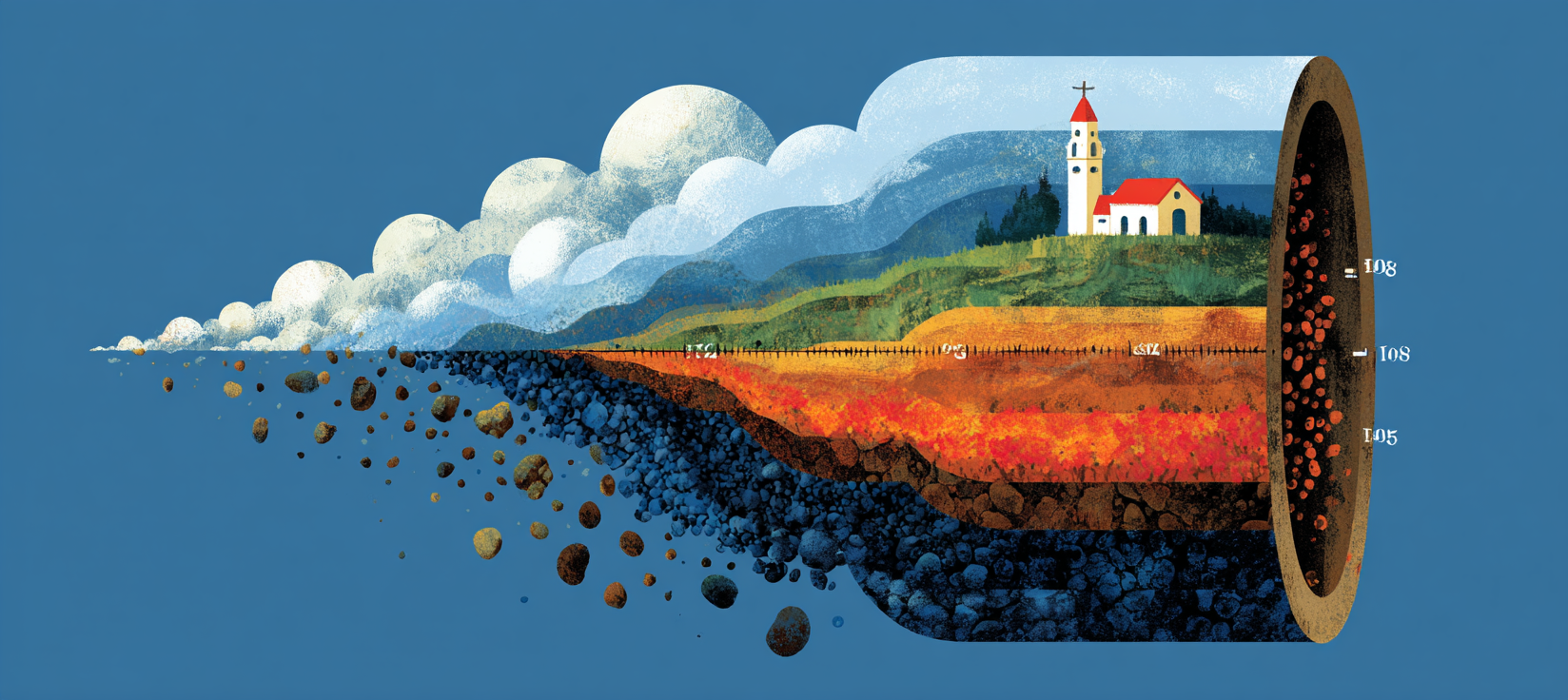
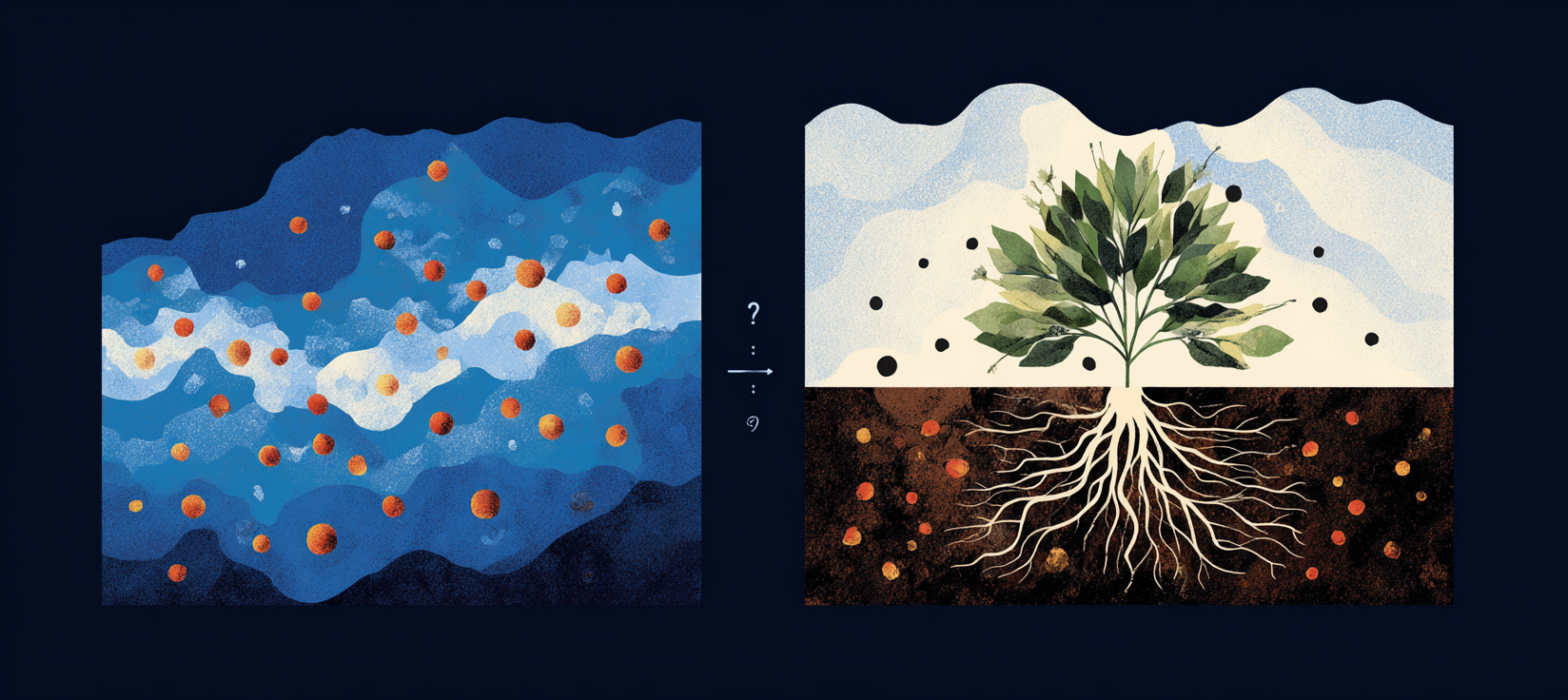
Four soil surveys of one Oklahoma parcel across five decades. The classifications move in one direction.
March — Issue #22

A Travis County fire chief runs weekend wildfire simulations for suburbs that haven't yet recognized they're in fire country.

Oklahoma's cattle relief coordinator holds the line between six-year drought and federal programs built for one bad season.

A family's careful ranching principles meet six years of compounding drought where each survival decision narrows the next.

March — Issue #21

Lee Kuan Yew deliberately sealed Singapore against its own climate. Now the state must consciously reverse its founding bet.

New Orleans built a genius architecture of heat survival, then forgot it all for mechanical cooling—with fatal consequences.

Lasers map every branch on California's fire-prone hillsides while communities below still rebuild from the last blaze.

February — Issue #20

A practical guide for families choosing to remain in climate-threatened regions, covering insurance navigation, heat adaptation, community building, and teaching children to live with permanent environmental danger.

A Colorado water manager faces impossible allocation choices as three diverging summer projections force her to explain risks she cannot equitably distribute across desperate communities.

Gulf Coast flooding isn't just rising seas—the ground itself is sinking as fast as water climbs, undermining every seawall and adaptation plan.

February — Issue #19

Wealthy nations deploy stratospheric aerosols unilaterally while Arctic communities document harms they cannot stop, their expertise rendered meaningless without authority.

Frontline communities gain veto power over geoengineering through funded technical capacity, blocking deployment that threatened their ecosystems and sovereignty.

A century-old ruling about copper smelter smoke destroying Georgia forests became the legal foundation for climate litigation when one Supreme Court justice recognized what forty-two legal briefs had missed.

February — Issue #18

A community health nurse teaches patients to survive heat waves and wildfire smoke, delivering protection one clinical conversation at a time.

A Chicago nurse pushes for climate health protocols while patients arrive with heat-triggered cardiac crises no system was designed to recognize.

When Wangari Maathai chose to trust rural women's existing knowledge over waiting for credentialed experts, she planted 51 million trees.

Charleston's children's hospital elevated what it could afford while the river models predicted worse flooding—revealing how American healthcare is choosing which systems to protect when comprehensive climate adaptation costs billions most facilities don't have.
February — Issue #17

Ski area operator invests in snowmaking to preserve traditional winter sports, accepting narrowing customer base and debt that lasts a decade.

Montana lodge owner pivots to year-round recreation after watching his community adapt around him and forty-three winters of declining snow.

Teachers across America are improvising daily heat protocols in their classrooms—lights off, windows covered, fans running—but these survival strategies remain invisible, unshared, undocumented.
January — Issue #16

When drought forced Tuareg families to settle permanently in 1972, they transformed temporary passage rights into permanent territorial conflicts still killing thousands across the Sahel today.

A utility CEO sits at his kitchen table before dawn, calculating whether to ask for fourteen more years of coal—or risk rates his customers can't afford.
January — Issue #15

Baltimore's sanitation workers reorganized their entire system around heat—and what they're learning reveals how cities will have to transform waste collection as summers become lethal.

When a shy housewife mapped her neighbors' sick children in 1978, she created the methodology that taught frontline communities worldwide how to document environmental disasters without waiting for expert permission.

A Milwaukee restaurateur navigates $18,000 in climate adaptation costs while running numbers at midnight, weighing survival against financial risk.
January — Issue #14

Jean Charles Choctaw families refuse state-managed relocation from their disappearing island, choosing cultural sovereignty over safer housing that fractures their community.

Yup'ik families chose different moments to leave their sinking village—some prioritizing children's health, others maintaining community cohesion through the transition.

Westside built a climate-resilient clinic with backup power and elevated systems, but floods still prevent patients from reaching care.

January — Issue #13

One renter navigates Asheville's broken housing market alone after flooding, choosing individual persistence over organizing while searching for affordable shelter.

Asheville tenants built collective power before Helene hit, betting organized resistance could reshape post-disaster housing realities through sustained community action.

A Hawaiian scholar's 1839 decision to document dying traditional knowledge in missionary alphabet reveals the impossible choice communities face when preservation itself transforms what they're trying to save.

December — Issue #12

New Orleans neighborhoods are mapping floods, designing retention systems, and teaching solar installation—building engineering expertise when city infrastructure fails them.

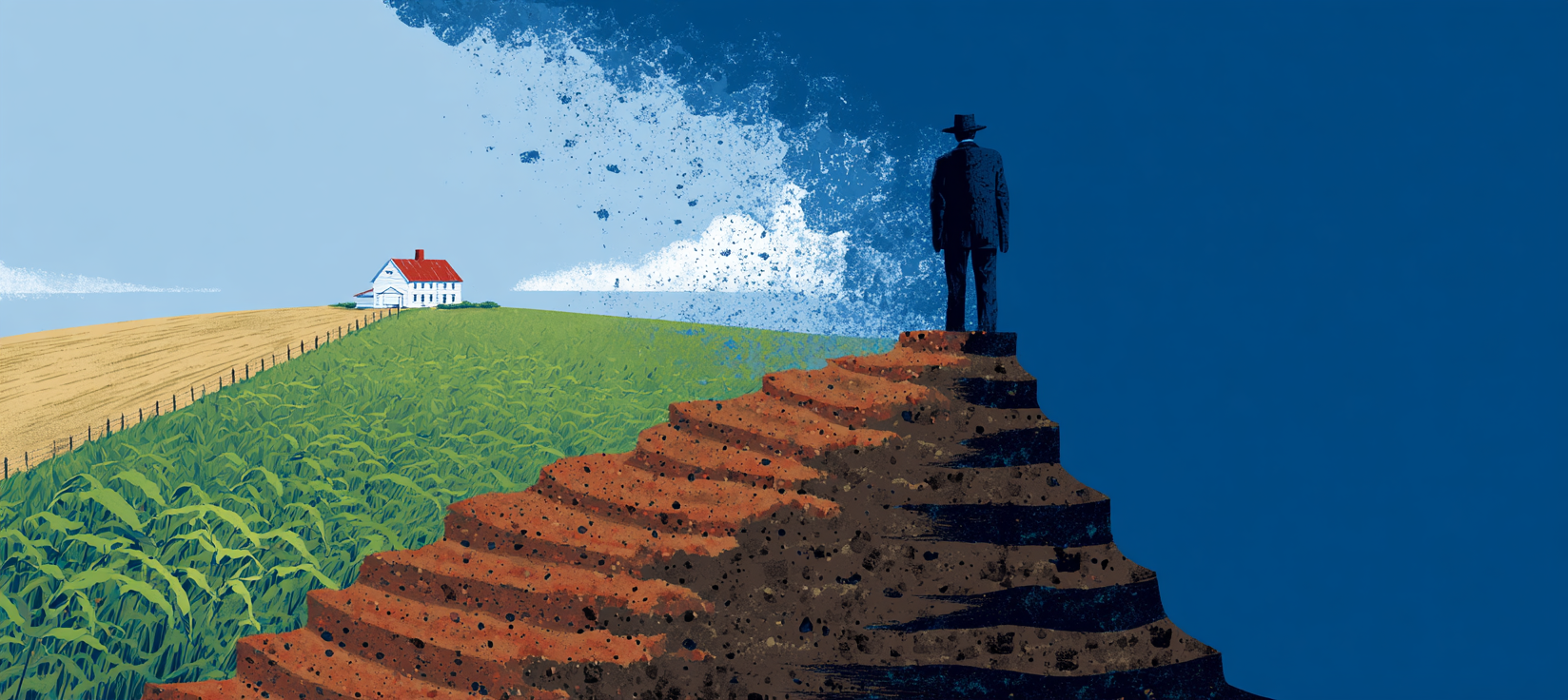
During the Dust Bowl, Plains farmers ignored expert reports for years—until they could stand at their fence lines and watch their neighbors' terraced fields hold while their own topsoil blew away, sparking an adaptation cascade that survived three more droughts.

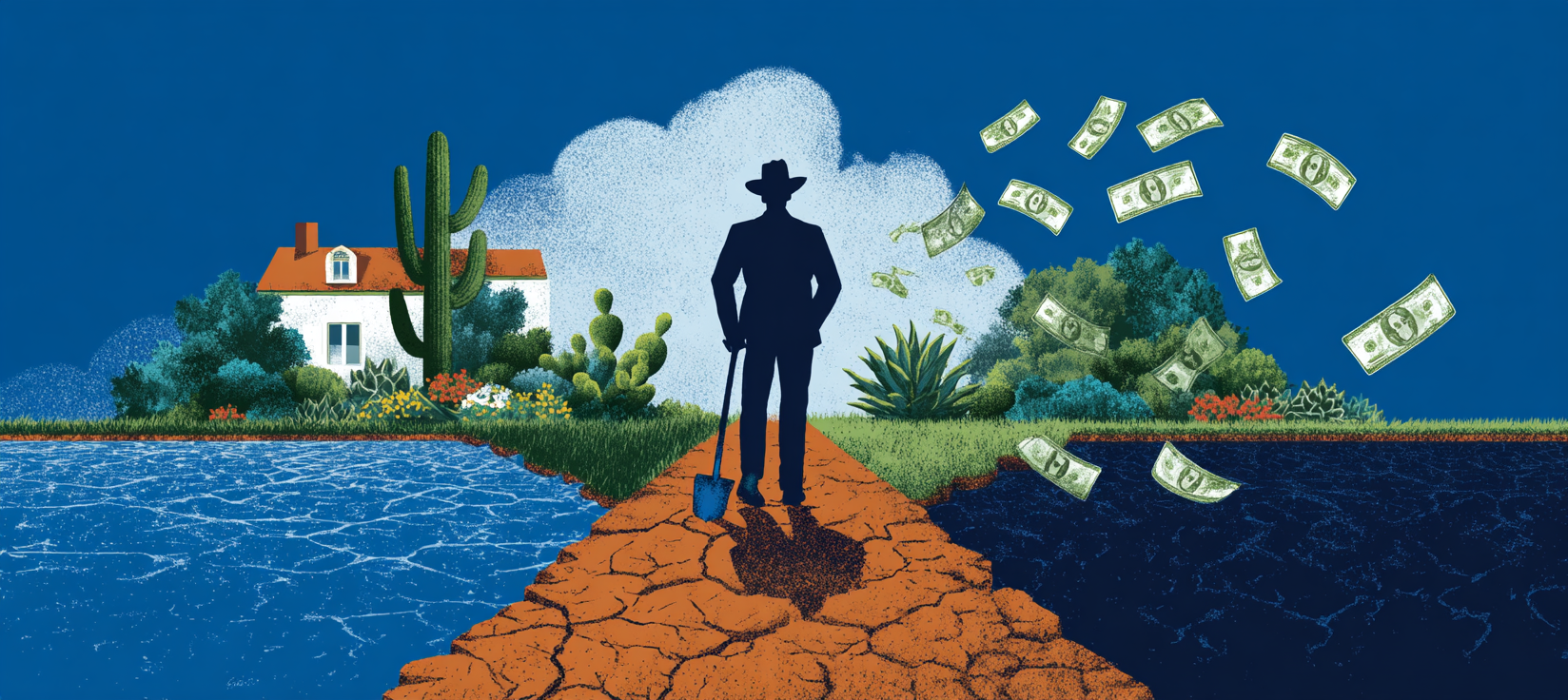
A Phoenix homeowner weighs a $15,000 landscaping decision while navigating contradictory water projections, developer lawsuits, and neighbors installing pools during Arizona's deepening crisis.
December — Issue #11

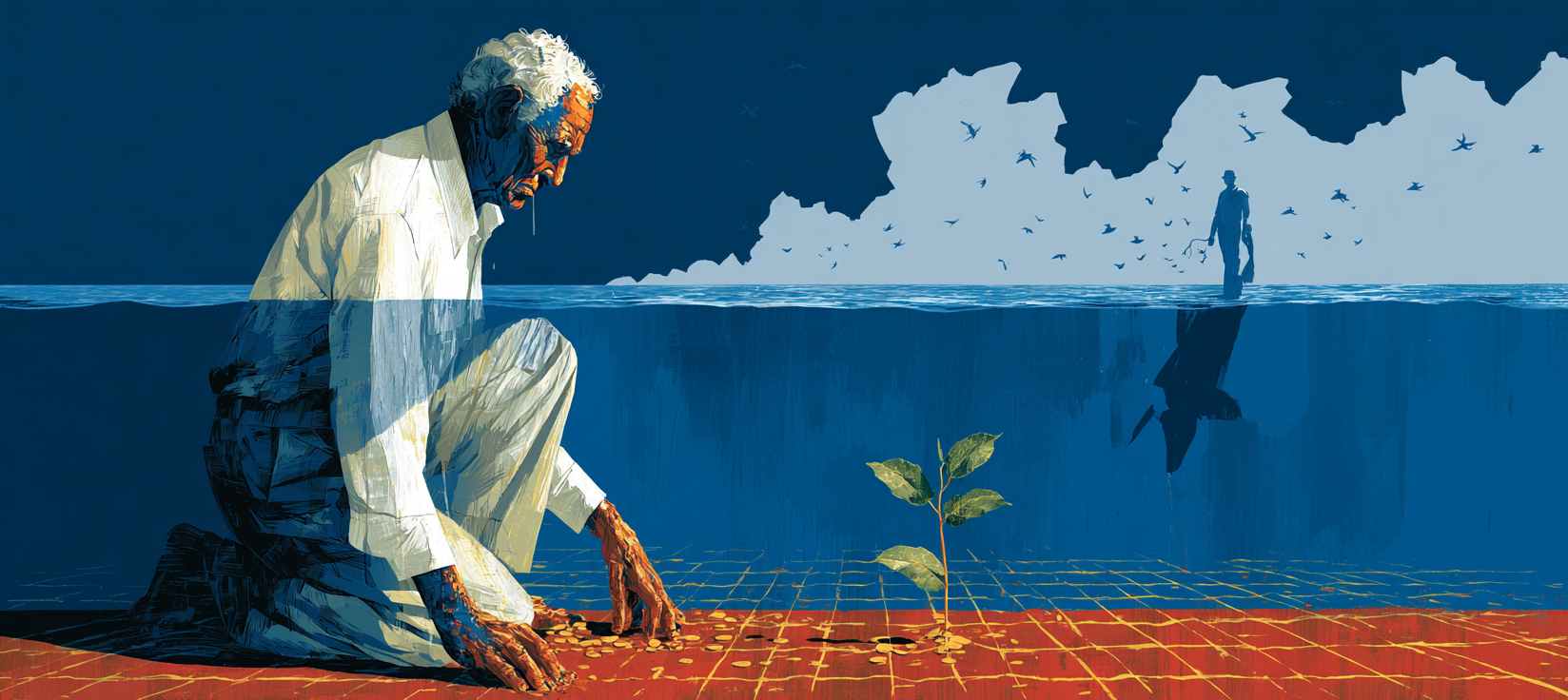
Maine fishermen investing four years and thousands in scallop farming they're too old to profit from—building their children's backup plan as lobsters move north.

Florida forces homeowners from state insurance into private companies with hidden claims records, leaving families to gamble on coverage nobody can verify.
December — Issue #10

Eight New Zealand dairy farmers voted to form a cooperative in 1871, choosing collective ownership over merchant control—a decision that reshaped an entire industry.

H-2A visa workers face impossible math: endure dangerous heat or fail the families depending on every dollar sent home.

After forty years in California fields, one farmworker finally has enough stability to choose survival over a paycheck.

Community health workers are building their own climate adaptation network to reach California's undocumented farmworkers—the people formal systems can't find.
November — Issue #4

A dating app in 2044 Portland matches climate migrants by grief tolerance, revealing how romance now requires shared fluency in loss, adaptation, and the exhausting work of building hope in an overheated world.

Facing water scarcity and aging infrastructure, a rancher converts to sprinklers despite knowing what groundwater recharge his valley will lose.

A Colorado rancher discovers his century-old flood irrigation maintains wetlands and river flows that modern efficiency would eliminate.

October — Issue #3

Tom Randa coordinates Lincoln's heat response through relationships and memory, not data—leaving him guessing who he's missing when temperatures spike.

A port worker watches federal billions redesign Houston's waterfront infrastructure without anyone willing to say what sea level they're building for.

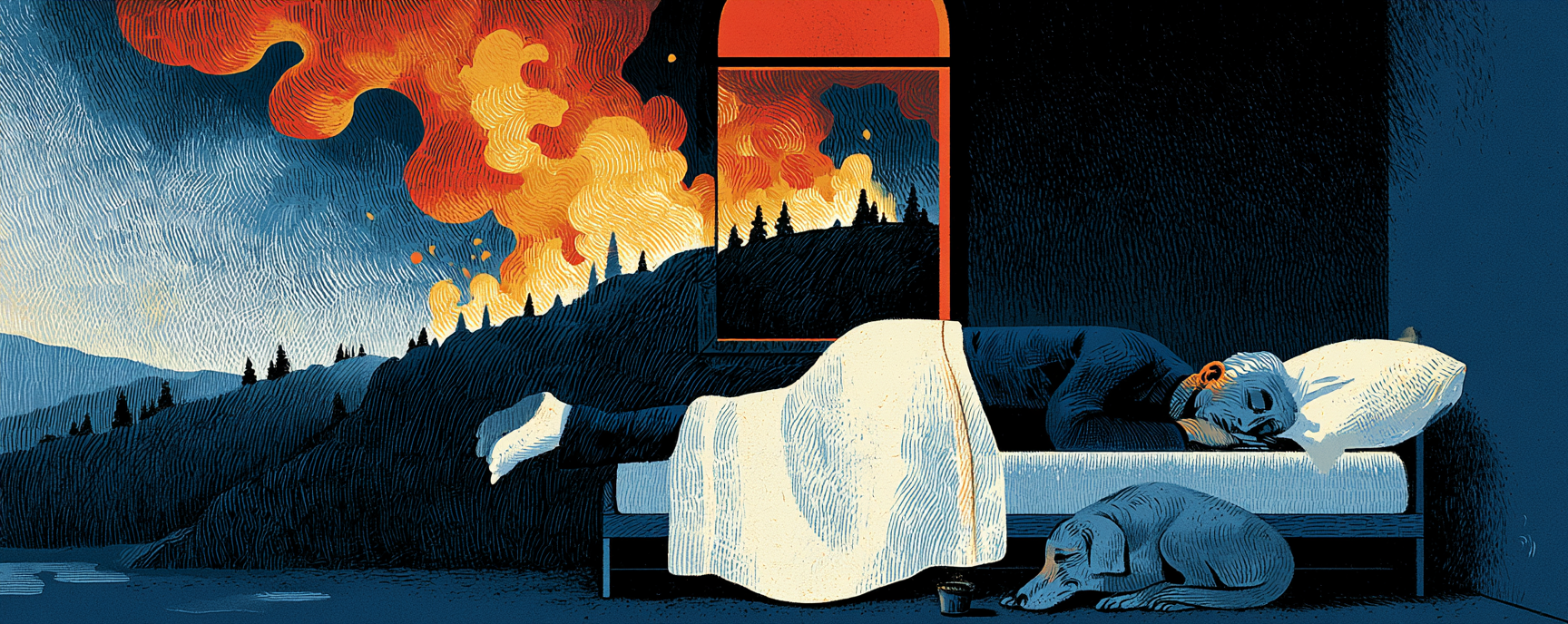
After their son couldn't sleep through windstorms, one family sold their burned lot and chose Carlsbad over community, trading roots for peace.
October — Issue #2

Asheville's post-Helene real estate market reveals how climate migrants navigate shattered safety narratives when supposed havens flood.
Princeville's planning meetings reveal the brutal arithmetic of climate adaptation when federal buyouts compete with 160 years of Black history and community survival.

Captain Stevens burns four times the fuel chasing fish thirty miles offshore, choosing mobility over adaptation as waters warm around him.

October — Issue #1

Phoenix's homeless liaison Caroline Fon navigates impossible daily choices as record heat transforms fifty cooling center chairs into life-or-death arithmetic.

Jackson families navigate impossible arithmetic where drinking water competes with groceries, forcing monthly decisions between hydration and housing as municipal failure transforms basic services into private expenses.