
When the Heat Pump Dies in November
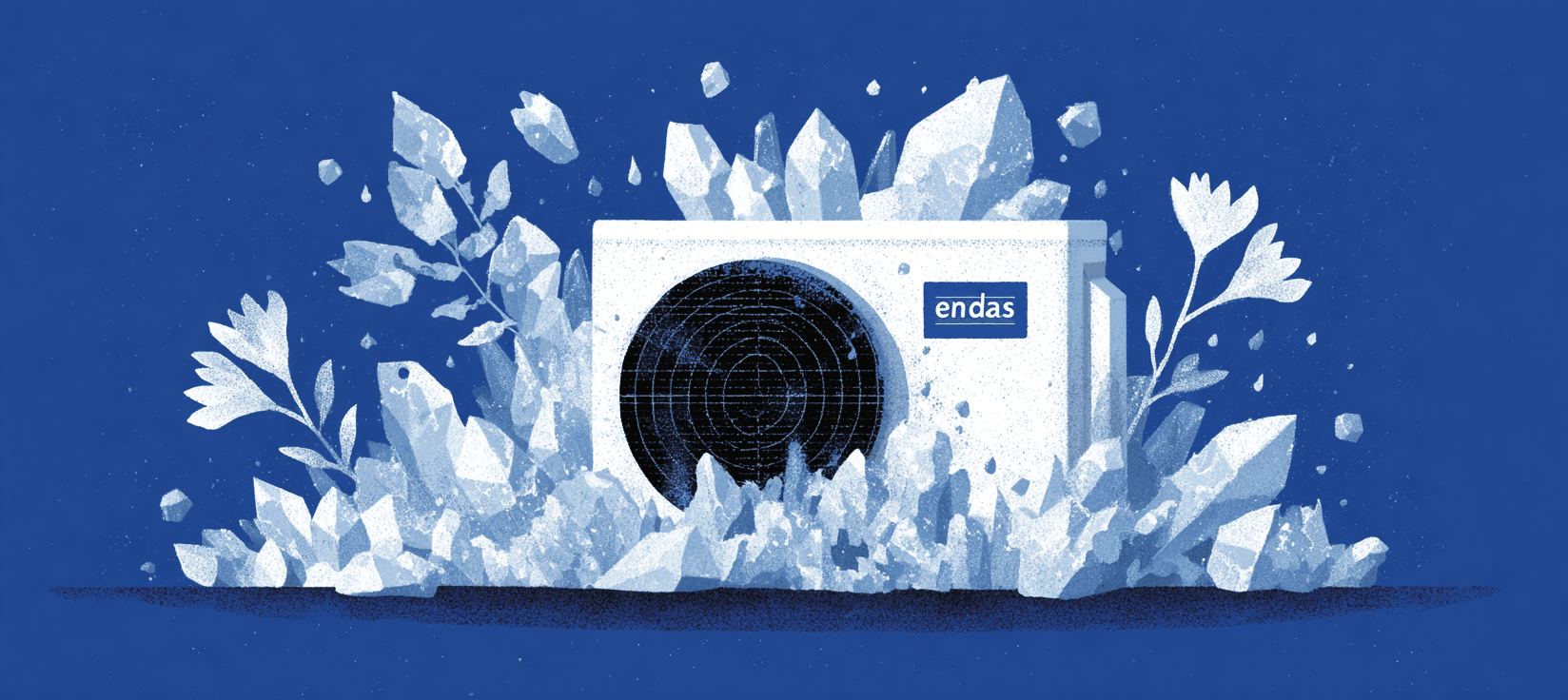
John and Christine Callahan traded their natural gas furnace for a state-subsidized heat pump last fall. The rebate looked good. Their neighbor had done it. What nobody explained clearly was that the program required removing the old furnace first. When the heat pump died in November—factory defect—they had nothing. They spent last winter wearing coats indoors, electric space heaters scattered around like campfires. The pipes froze from the inside. Maine has installed over 100,000 heat pumps. This is what one installation actually looked like.
When the Heat Pump Dies in November
John and Christine Callahan traded their natural gas furnace for a state-subsidized heat pump last fall. The rebate looked good. Their neighbor had done it. What nobody explained clearly was that the program required removing the old furnace first. When the heat pump died in November—factory defect—they had nothing. They spent last winter wearing coats indoors, electric space heaters scattered around like campfires. The pipes froze from the inside. Maine has installed over 100,000 heat pumps. This is what one installation actually looked like.
Choosing Different Futures

When Moving Means Breathing
Xavier Paniyak's daughters spent their childhood in a house where mold grew faster than anyone could clean it, while other families had already moved to the new village. His family stayed in Newtok until the end—among the last residents completing the community-led relocation. Lisa Charles moved her family earlier, when her daughter's asthma made the choice clear. Same thawing permafrost, same Yup'ik planning process. Different answers about when your children's lungs matter more than keeping your community whole during the transition.

When Higher Ground Means Losing Everything Else
The Jean Charles Choctaw Nation planned for decades to move their people together to higher ground, preserving culture by keeping community intact. Then the state took control of the federally funded relocation, scattering families through individual housing applications instead of tribal authority. Three years later, most families stayed on the sinking island. Not because they don't understand the water keeps rising, but because this relocation required accepting that bureaucrats would determine what survival means for a people who've survived too many forced removals already.
This Week Climate Reality
The March 2025 ice storm that coated northern Michigan in 1.5 inches of ice snapped 3,100 utility poles across Great Lakes Energy's territory. The rural electric cooperative got power back to 66,000 members after deploying 1,500 workers, but recovery cost $155 million.
Eight months later, still waiting to learn whether federal disaster aid would materialize, the cooperative's board raised rates. As a member-owned nonprofit, GLE had nowhere else to get the money. Members would pay for their own disaster recovery, or the cooperative would burn through reserves needed for the next storm. Federal relief remained theoretical. The bills were real.