
The Heat Plan That Waits for Someone to Pass Out
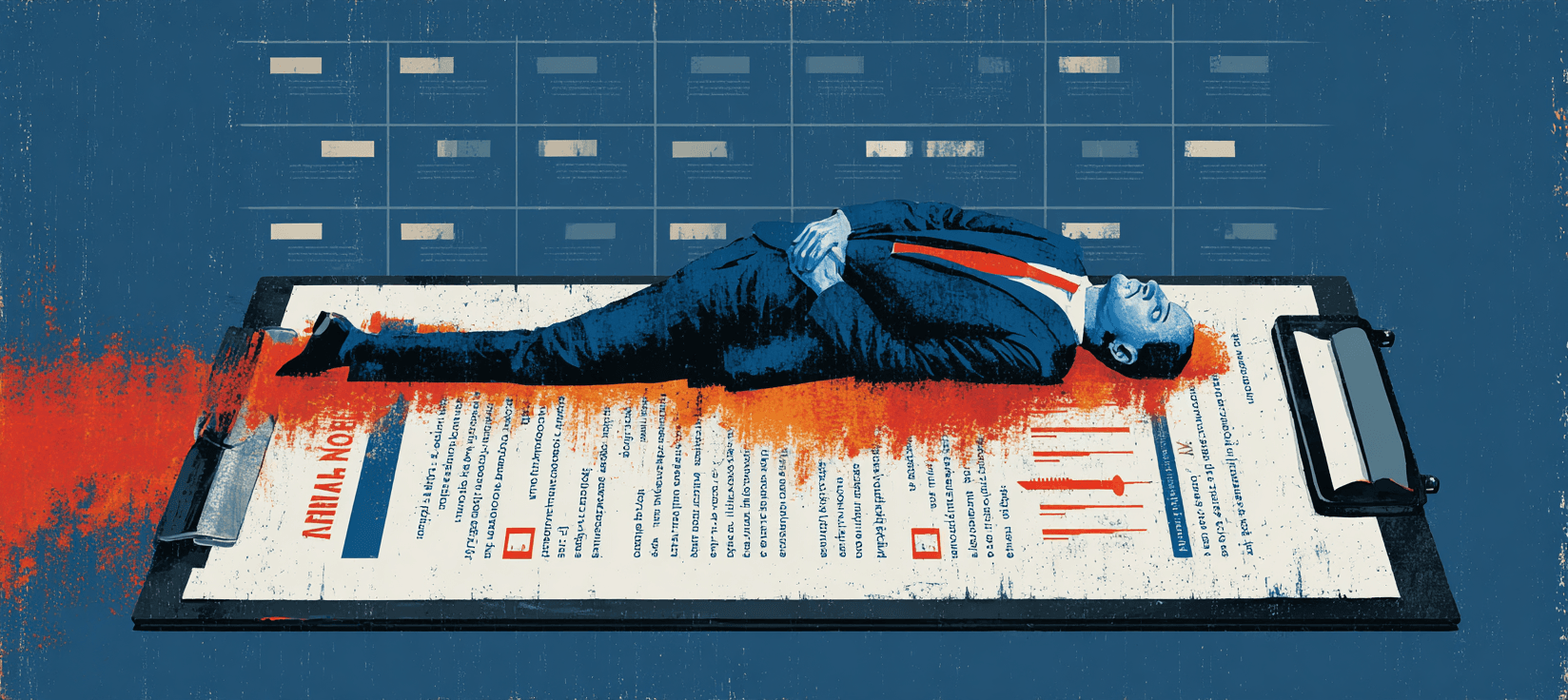
Security guards at the Paris Las Vegas bus stops wear bulletproof vests that don't breathe. The bus stops don't have shade. Last summer, when it hit 110 degrees, people started passing out. In August, one guard complained to Nevada OSHA. The company already had a heat plan.
Nevada became the first state to require written heat safety programs for all workers in April 2025. Between April and October, Nevada OSHA received 400 heat-related complaints. They conducted 183 inspections. They issued 13 citations. The guards are still working the bus stops. Summer's coming back.
The Heat Plan That Waits for Someone to Pass Out
Security guards at the Paris Las Vegas bus stops wear bulletproof vests that don't breathe. The bus stops don't have shade. Last summer, when it hit 110 degrees, people started passing out. In August, one guard complained to Nevada OSHA. The company already had a heat plan.
Nevada became the first state to require written heat safety programs for all workers in April 2025. Between April and October, Nevada OSHA received 400 heat-related complaints. They conducted 183 inspections. They issued 13 citations. The guards are still working the bus stops. Summer's coming back.

The Water Engineer Who Can't Save Her Parents From Phoenix
CONTINUE READINGThis Week's System Shock

Water utilities across the country raised rates in January, but these aren't the usual incremental adjustments. Denver Water added $30-40 annually to typical bills to fund $1.7 billion in infrastructure work. Philadelphia households absorbed a 9.4% increase last September. Bellingham, Washington approved 13.5% for this year, with another 11% coming in both 2027 and 2028.
Most cities now operate under multi-year rate plans tied to infrastructure timelines. The increases are baked in. Water and sewer rates have already climbed 24% in five years.
Analysts project 4-5% annual increases continuing indefinitely as utilities confront aging pipes and climate adaptation simultaneously. The American Society of Civil Engineers warns of a $400 billion funding gap without scaled investment.