Three Votes to One
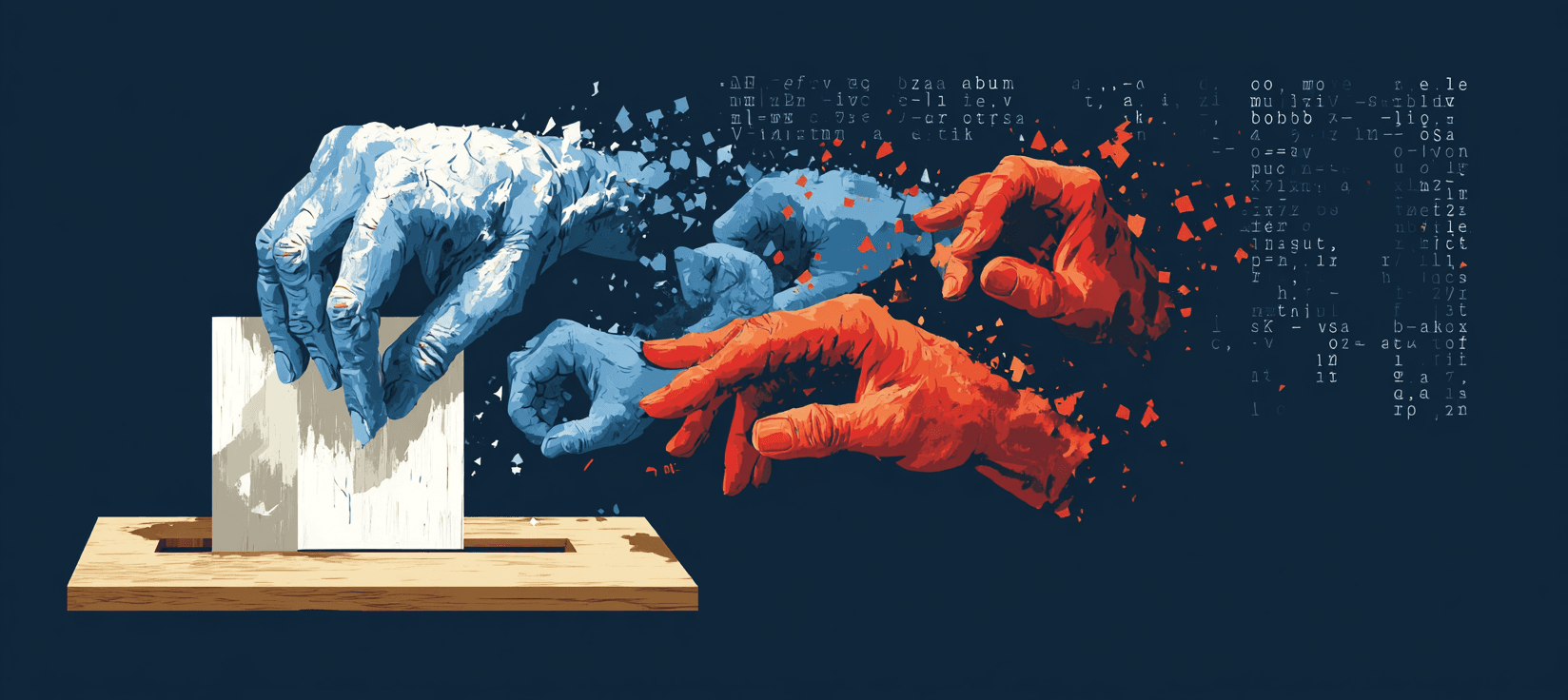
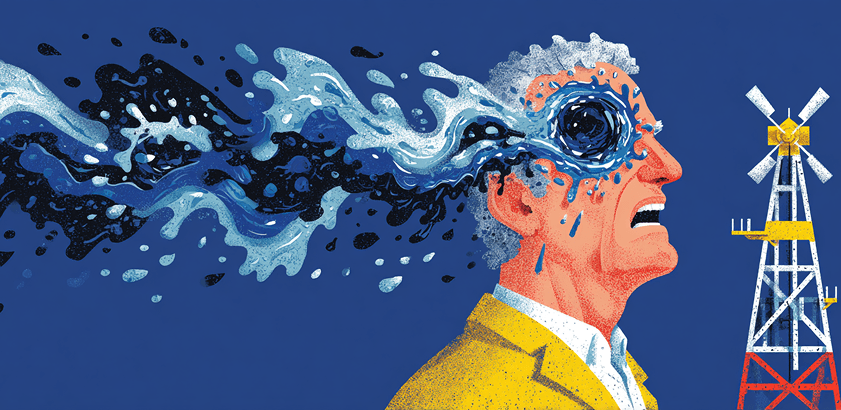
The moderator's hands had sorted ballots for forty-three years, and tonight they knew something was wrong. Cream paper and white paper, triple-weight stock and standard stock, fourteen ballots worth forty-two votes beside thirty-two worth thirty-two. The math was simple. Her hands kept trying to make the piles equal anyway.
Forty years of muscle memory insisted that democracy meant one person, one ballot, one pile. The new constitutional amendment had changed that arithmetic. In the gymnasium, six witnesses waited while she counted votes that didn't weigh the same, her fingers reaching for phantom papers to balance stacks that couldn't be balanced. Her hands were performing democracy. The numbers underneath had stopped pretending.
Three Votes to One
The moderator's hands had sorted ballots for forty-three years, and tonight they knew something was wrong. Cream paper and white paper, triple-weight stock and standard stock, fourteen ballots worth forty-two votes beside thirty-two worth thirty-two. The math was simple. Her hands kept trying to make the piles equal anyway.
Forty years of muscle memory insisted that democracy meant one person, one ballot, one pile. The new constitutional amendment had changed that arithmetic. In the gymnasium, six witnesses waited while she counted votes that didn't weigh the same, her fingers reaching for phantom papers to balance stacks that couldn't be balanced. Her hands were performing democracy. The numbers underneath had stopped pretending.
Two Paths, Same Crossroads
The Shell Mound at Spring Tide
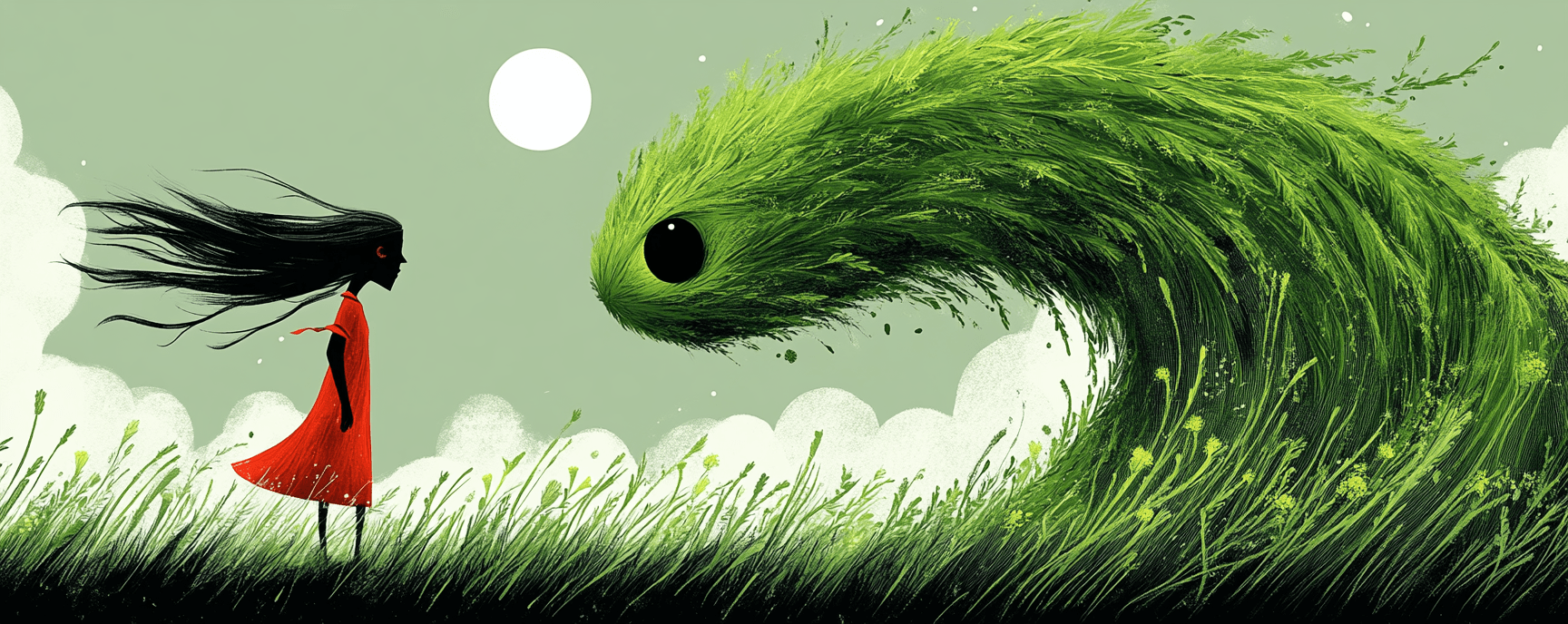
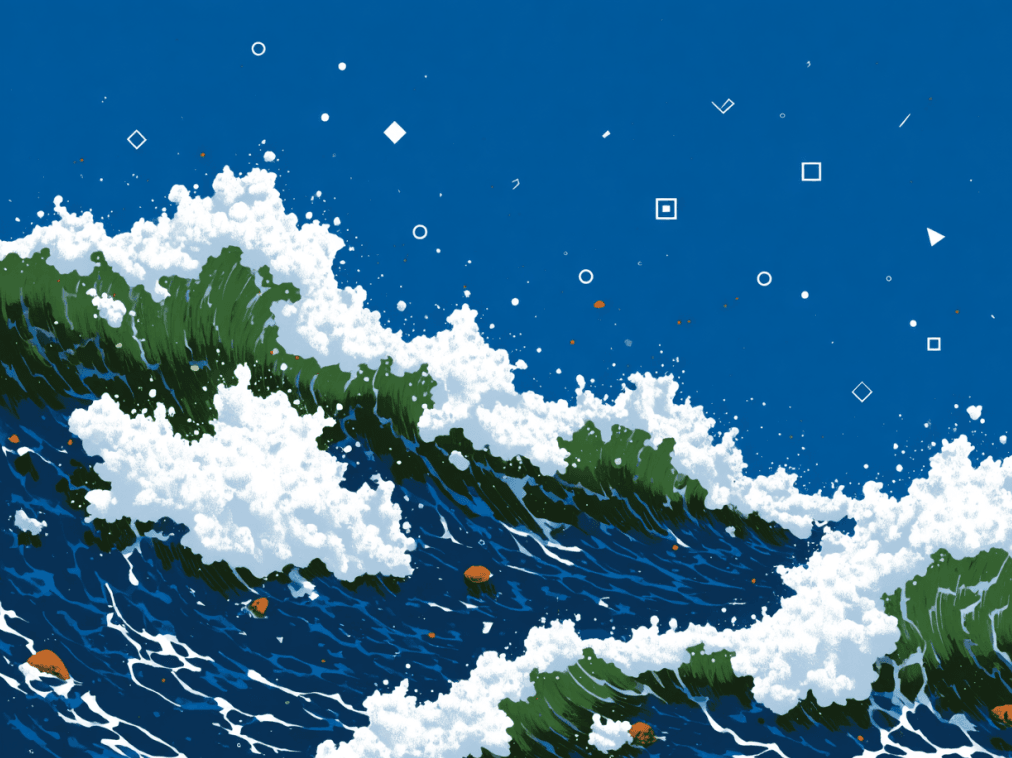
Water at their knees, tide climbing. The shell mound her ancestors built breaks the surface by six inches, less each year. She teaches her granddaughter ceremony here anyway—old words naming plants that don't grow anymore, offerings placed while cordgrass bends in current where solid ground once held. The marsh has transformed. The words haven't. By next spring the shells might not surface at all, but she'll know where they are, where to stand, what to say.
Following the Salt Inland
This wetland didn't exist when she was young—just a forest depression before salt moved inland, before the trees died and brackish water pooled. Now she brings students here for ceremony, adapting the old coastal words to name what grows: wild rice instead of needlerush, painted turtles instead of oysters. The terrapins followed the salt inland. The egrets followed. She teaches ceremony where the ecosystem thrives, where the beings are, not where they used to be.
Dispatch from a Future
The checkpoint smells like monsoon mud and diesel. Rashida's Climate Displacement Certificate is laminated, issued after her village's third crop failure. She waits for Dhaka's housing lottery registration. The certificate gives her twelve months of residency rights, renewable with formal employment.
Bangladesh invented this system in 2036 when the international community wouldn't recognize climate refugees. Now 4.2 million people carry these documents. Internal migrants in their own country. The checkpoints came gradually. Ferry terminals first. Then city limits. Then school doors, hospital entrances.
The woman ahead gets her certificate stamped. That sound is everywhere now. Rashida watches the ink dry on paper that says she needs permission to live in Bangladesh.