

CONDITIONAL DREAD INTENSITY PRODUCT

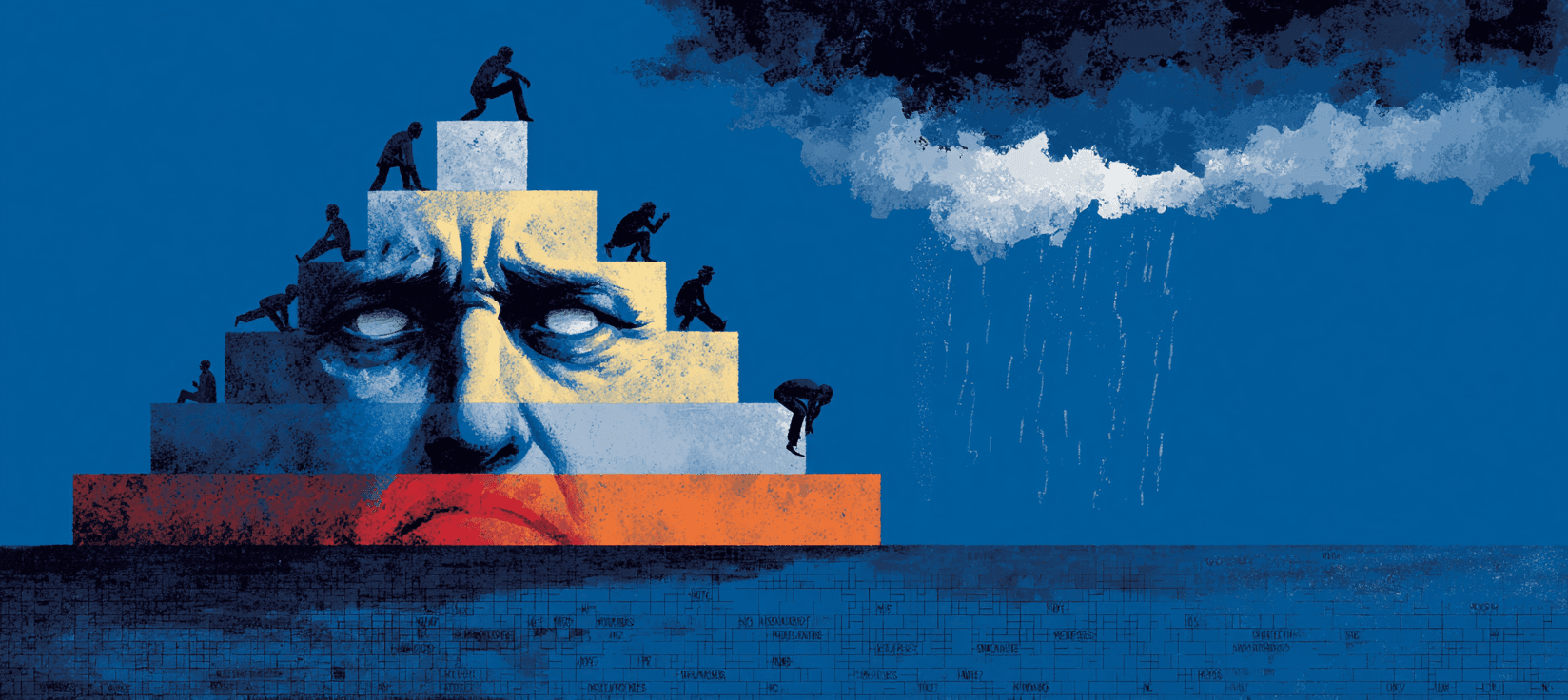
On March 3, 2026, the Storm Prediction Center launched a new forecast product separating two parameters previously combined in a single categorical risk assessment: the probability that severe weather would reach a given area, and the intensity of that weather given occurrence. Five tiers. Three conditional intensity groups. Decision-support scenarios routed through probability tables. Standard federal documentation, formatted for operational use.
The operational indicators include shallow breathing and persistent chest tightness. One scenario notes that the assessment period may not have ended. Another advises that proximity should be evaluated using all available parameters, including but not limited to geographic distance. The product has known limitations. No supplementary product is planned.
CONDITIONAL DREAD INTENSITY PRODUCT
On March 3, 2026, the Storm Prediction Center launched a new forecast product separating two parameters previously combined in a single categorical risk assessment: the probability that severe weather would reach a given area, and the intensity of that weather given occurrence. Five tiers. Three conditional intensity groups. Decision-support scenarios routed through probability tables. Standard federal documentation, formatted for operational use.
The operational indicators include shallow breathing and persistent chest tightness. One scenario notes that the assessment period may not have ended. Another advises that proximity should be evaluated using all available parameters, including but not limited to geographic distance. The product has known limitations. No supplementary product is planned.
Version History


In 1971, a scientist looked at tornado wreckage and guessed backward at the wind. His scale held for thirty-six years. Its replacement started failing within four. Every heat advisory you've ever received was calibrated to a hypothetical person who weighs 147 pounds, walks in shade, and doesn't exist. Yesterday, NOAA launched another new category. The pattern is obvious once you see it. What happens when someone decides the answer to an insufficient framework is erasure, though? The numbering gets strange after that.
Version History
In 1971, a scientist looked at tornado wreckage and guessed backward at the wind. His scale held for thirty-six years. Its replacement started failing within four. Every heat advisory you've ever received was calibrated to a hypothetical person who weighs 147 pounds, walks in shade, and doesn't exist. Yesterday, NOAA launched another new category. The pattern is obvious once you see it. What happens when someone decides the answer to an insufficient framework is erasure, though? The numbering gets strange after that.

The Wrong Tool
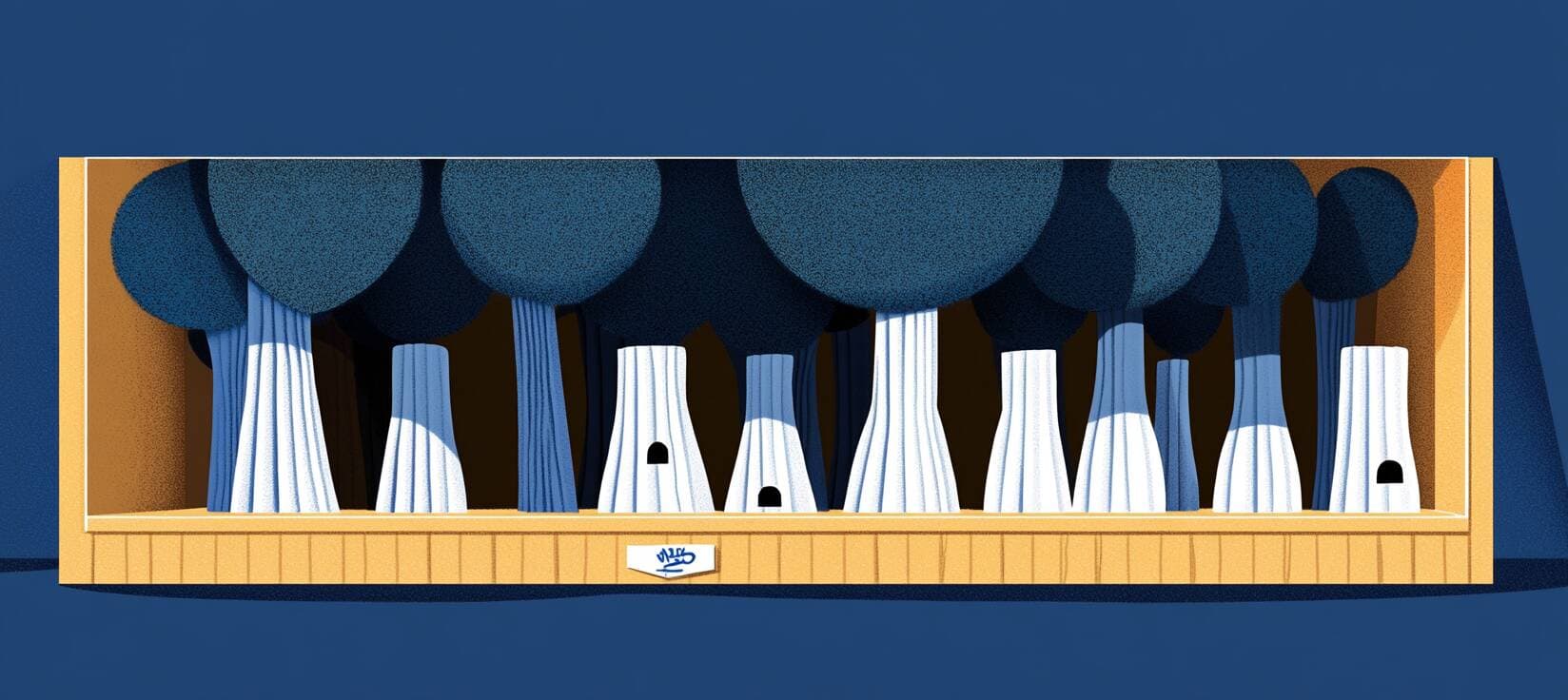
NOAA's Conditional Intensity Groups went live March 3. The framework's grammar: if a severe storm occurs, then its intensity will fall into CIG1, CIG2, or CIG3. Conditional. The severity estimate activates only when the triggering event forms.
One hundred percent of Florida is in drought. First time since records began. The National Fire in Big Cypress jumped from 1,000 to 25,700 acres in 72 hours, burning through frost-killed fuel beds at convective speed.
Apply CIG anyway. If rain occurs, then. The sentence won't finish. A drought's intensity cannot be conditional on its own negation.