The Compromise That Shaped American Soil
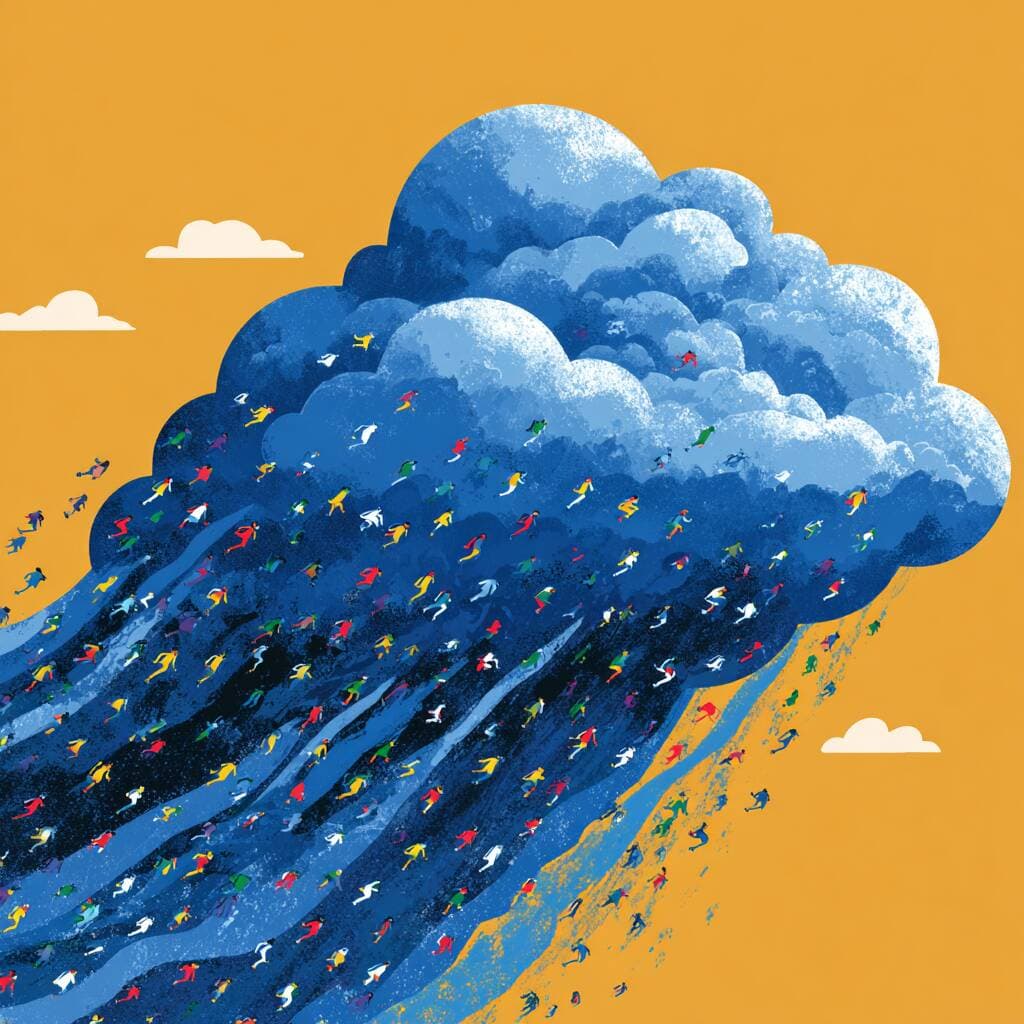
April 1935: a dust cloud rolls over Washington, the sky goes dark mid-testimony, and Congress acts to save American soil. It's one of the most satisfying stories in environmental history. The crisis visible, the response immediate. But two years later, in a far quieter room, someone had to decide how the saving would actually work. Who would govern the new conservation districts. Who could vote. Whose land got helped first. That design choice shaped American farming for the next ninety years. We just keep telling the dust cloud part.
The Compromise That Shaped American Soil
April 1935: a dust cloud rolls over Washington, the sky goes dark mid-testimony, and Congress acts to save American soil. It's one of the most satisfying stories in environmental history. The crisis visible, the response immediate. But two years later, in a far quieter room, someone had to decide how the saving would actually work. Who would govern the new conservation districts. Who could vote. Whose land got helped first. That design choice shaped American farming for the next ninety years. We just keep telling the dust cloud part.
Dust Returns
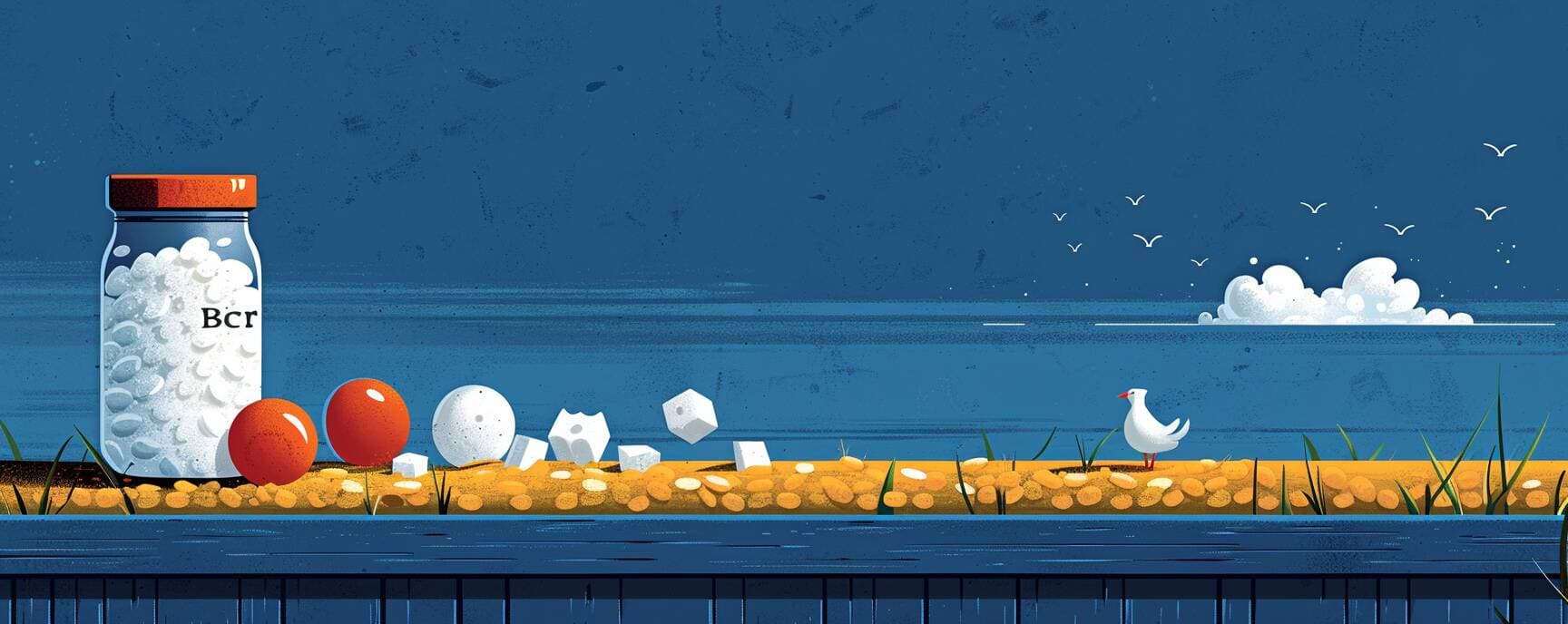
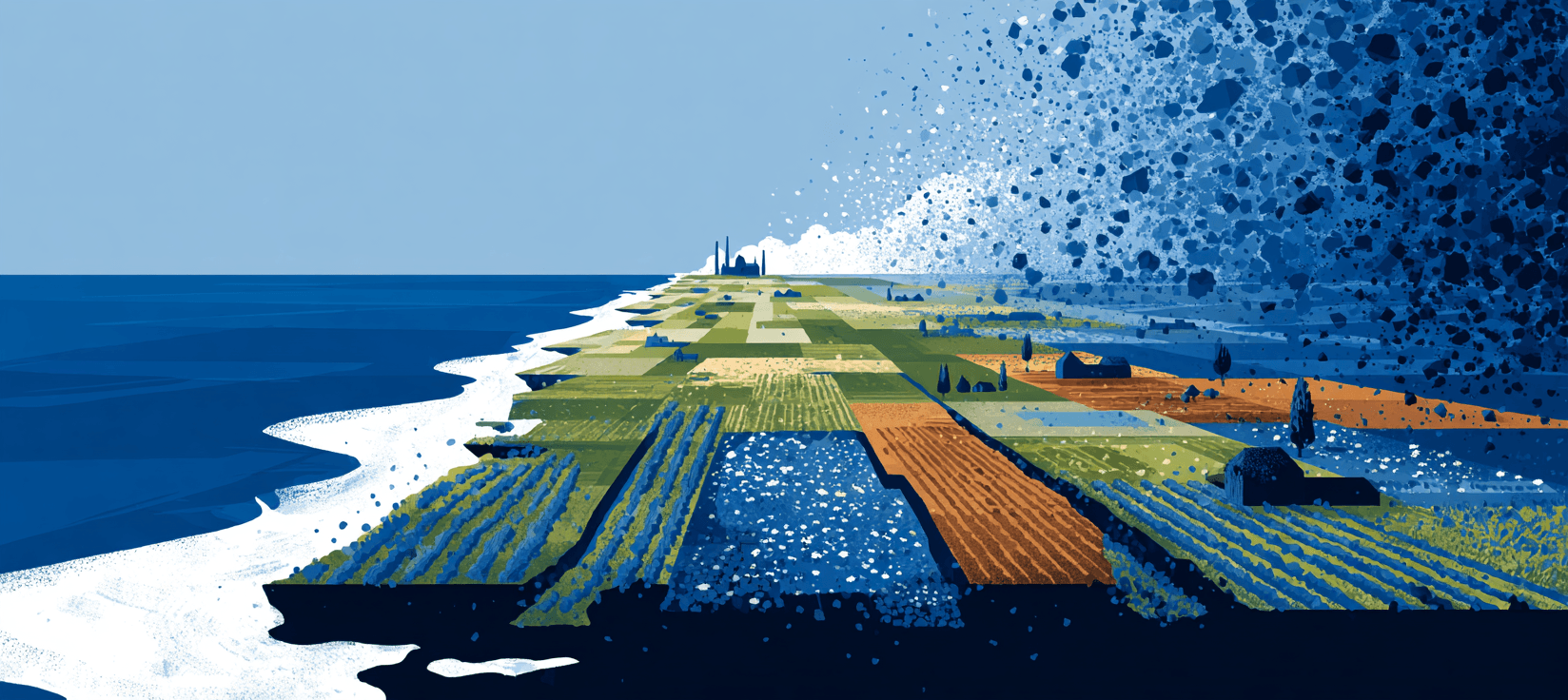
On March 14, 2025, a dust storm swallowed Interstate 70 at the Kansas-Colorado line. Eight people died in a seventy-one-vehicle pileup. Three more died near Amarillo. The same soil, the same roads, ninety years later.
U.S. croplands now lose at least twice as much topsoil annually as the Great Plains shed during a typical Dust Bowl year. Bennett's infrastructure still exists on paper. In practice, more than 2,400 NRCS field staff took buyouts before Congress blocked the administration's proposal to zero out Conservation Technical Assistance entirely.

What Bennett Built
The Wall of Trees
In 1935 the federal government planted 220 million trees across the Great Plains to stop the soil from blowing to Washington. It was one of two great Dust Bowl interventions, and the one you could see. The trees worked. They broke the wind, held the dirt, sheltered the cattle. Then the Soviets had a bad wheat harvest, and American corn futures did what no dust storm could.
The Boards
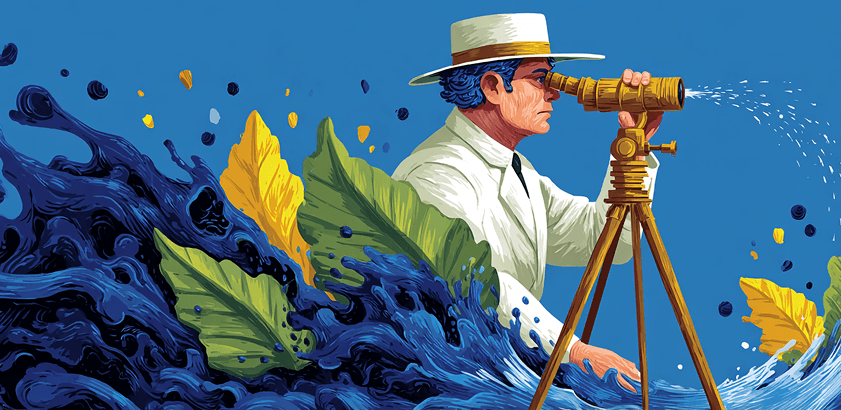
The Dust Bowl produced two lasting interventions. One was a wall of trees. The other was a piece of governance architecture you couldn't photograph — 2,329 locally controlled conservation districts, designed by Hugh Hammond Bennett because the alternative was federal agents telling farmers what to do, and he'd watched that idea die in committee. Local control was the price of passage, and the price determined who collected.
The Record