The Moratorium That Came Too Late

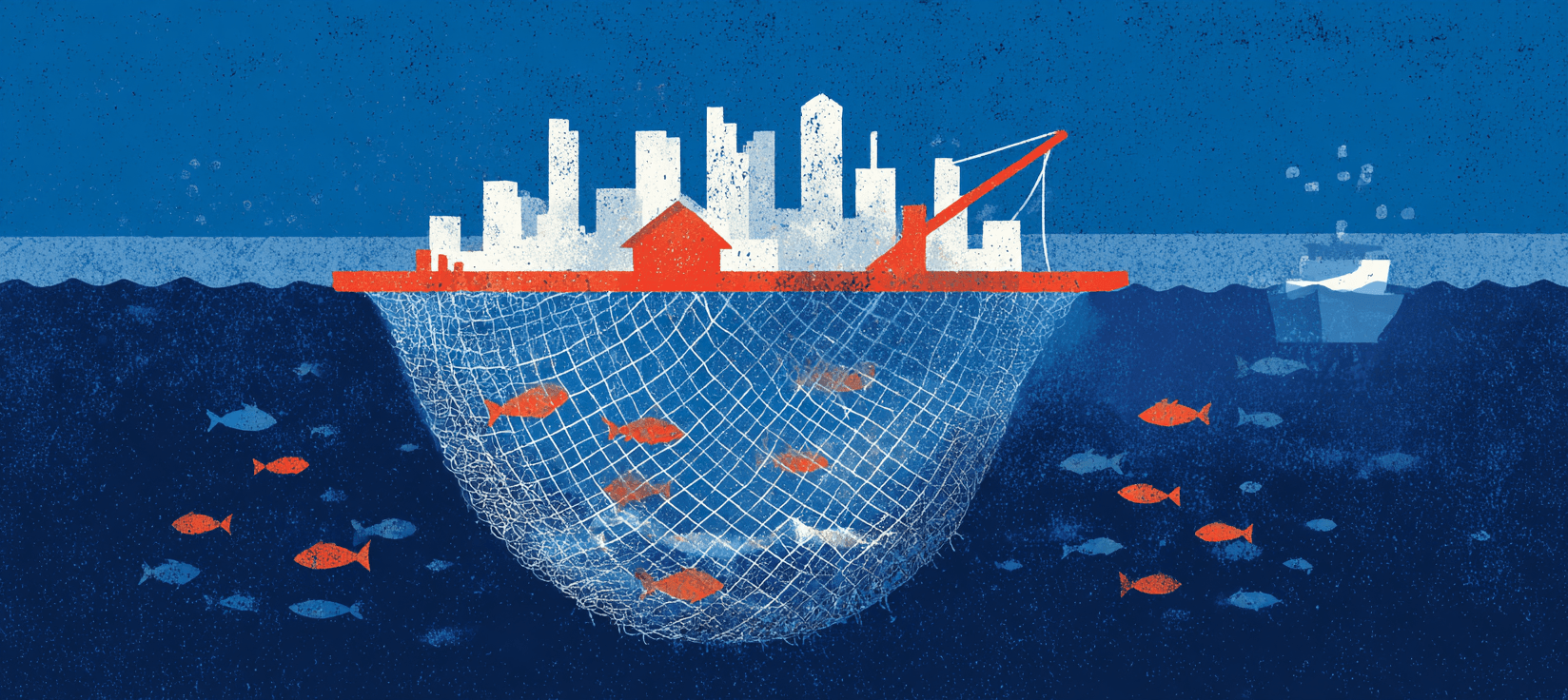
A security guard jammed a chair through the door handles from inside. Outside, fishers who'd worked the Grand Banks their whole lives were trying to get at the man who'd just told them their industry was finished. The year was 1992. The Canadian fisheries minister called it a two-year pause.
Two years is a number you can survive. You tighten your belt, you wait, the fish come back. That was the theory. But the ocean had already settled the question before the minister opened his mouth, and the distance between what he promised that crowd and what actually happened is worth measuring carefully, because several thousand people along other coastlines are living inside that same distance right now.
The Moratorium That Came Too Late
A security guard jammed a chair through the door handles from inside. Outside, fishers who'd worked the Grand Banks their whole lives were trying to get at the man who'd just told them their industry was finished. The year was 1992. The Canadian fisheries minister called it a two-year pause.
Two years is a number you can survive. You tighten your belt, you wait, the fish come back. That was the theory. But the ocean had already settled the question before the minister opened his mouth, and the distance between what he promised that crowd and what actually happened is worth measuring carefully, because several thousand people along other coastlines are living inside that same distance right now.
The Canary

In 1896, John Scott Haldane descended into the Tylorstown Colliery in South Wales and found four dead miners beside a lit oil lamp. Plenty of oxygen. Their blood was cherry red. Carbon monoxide.
His solution was a canary. Its respiratory system, a unidirectional loop of air sacs, absorbed poison roughly twenty minutes before a human body registered anything. And the warning was graded: agitation, then quiet, then stillness. Silence itself was the alarm.
On December 30, 1986, Britain retired the last colliery canaries for electronic catalytic sensors. Cheaper, multi-gas capable, humane. Miners objected anyway. A catalytic sensor can be silently poisoned by compounds common underground, and a poisoned sensor looks exactly like a functioning one. A dying canary, at least, had the decency to show you it was dying.

A Fisherman Who Isn't One Person Explains What Happens When the Ocean Fires You
CONTINUE READINGTwo Coastlines
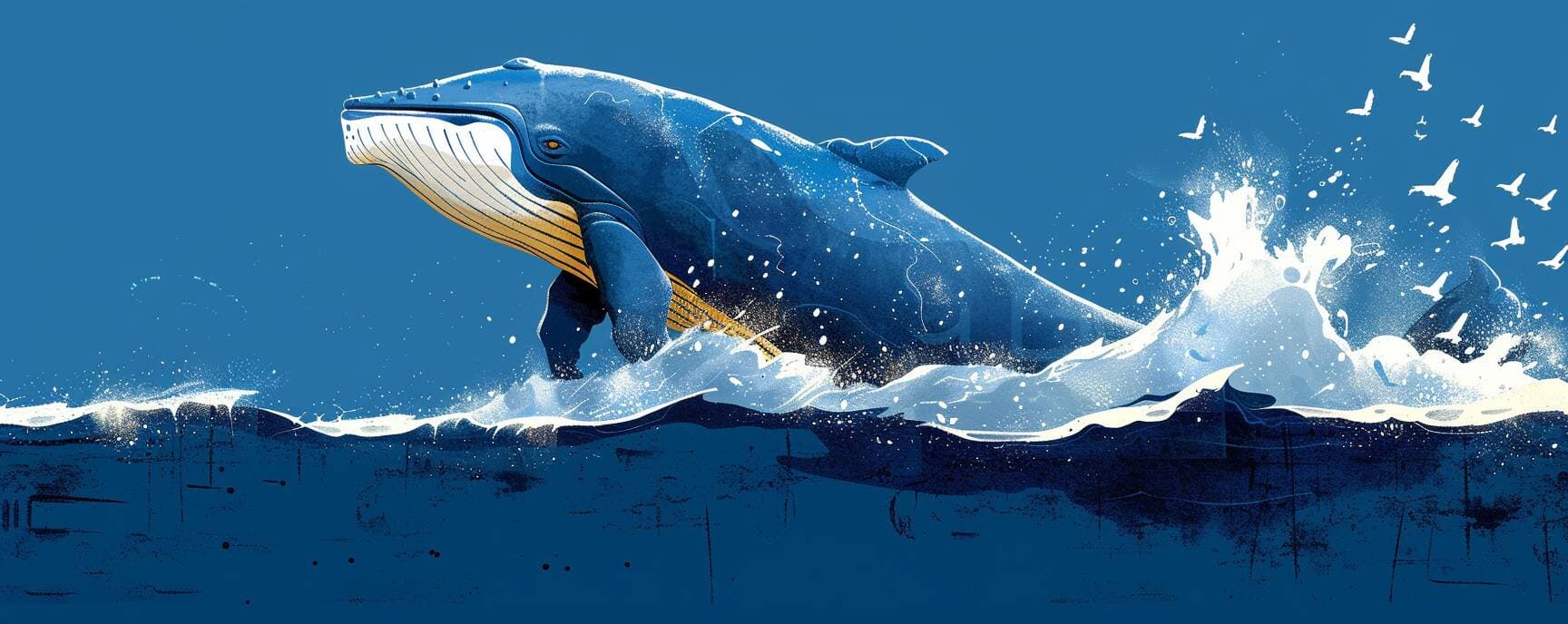
The Last Cannery
Monterey's sardine fleet pulled 142,000 tons from the bay in 1946. A year later the fish were mostly gone, and the canneries followed them into silence. For a generation the Row rotted. Then a billionaire's family and four marine biologists built something extraordinary inside the last rusting factory. They genuinely changed ocean science. They could not change the future for the people who'd actually worked the cannery floor.
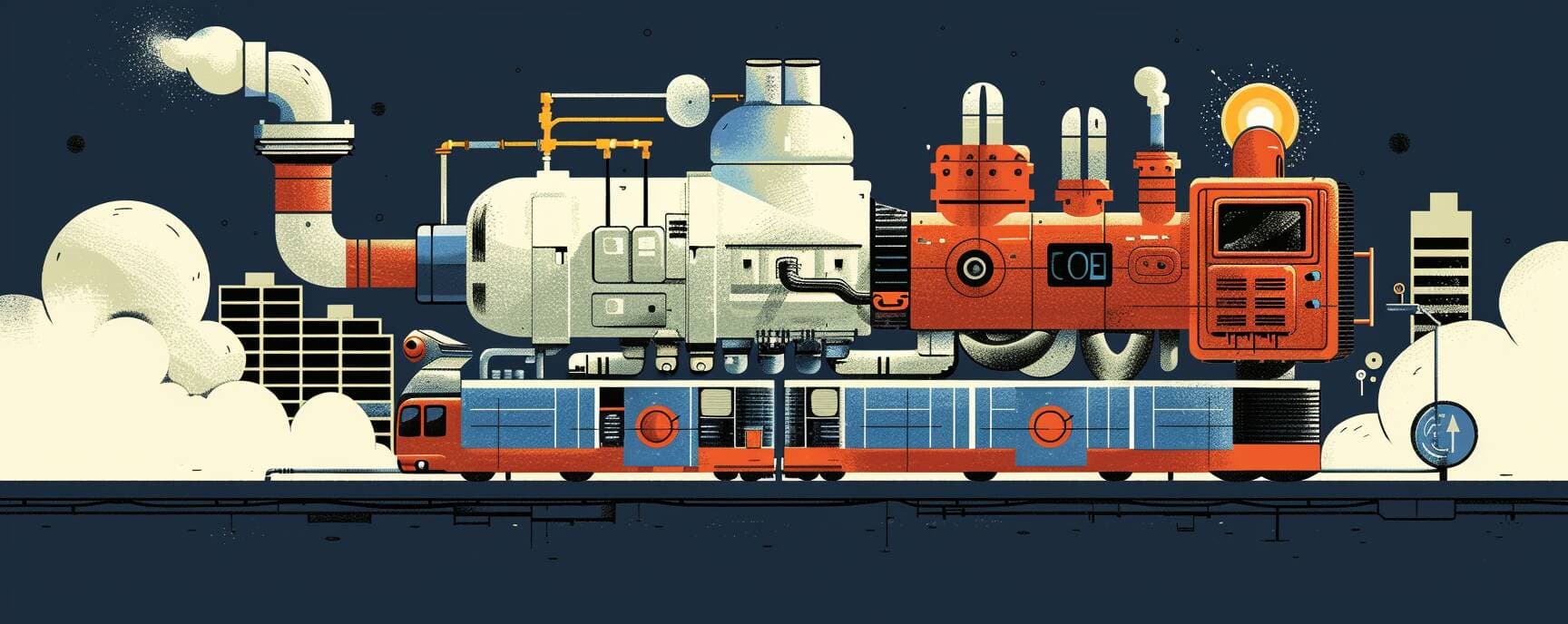
What Remains in the Choptank
A parasite nobody expected arrived in the Chesapeake Bay in 1959 and killed ninety percent of Virginia's farmed oysters within two years. A second disease followed. The oyster population fell to one percent of its historical baseline, and the watermen who'd worked those waters for generations watched their livelihood collapse toward nothing. Now the largest reef restoration on earth is fighting to reverse it, while the warming bay undermines every acre they rebuild.
The Pattern Now