Four Status Claims Agent Interfaces Can't Back Up
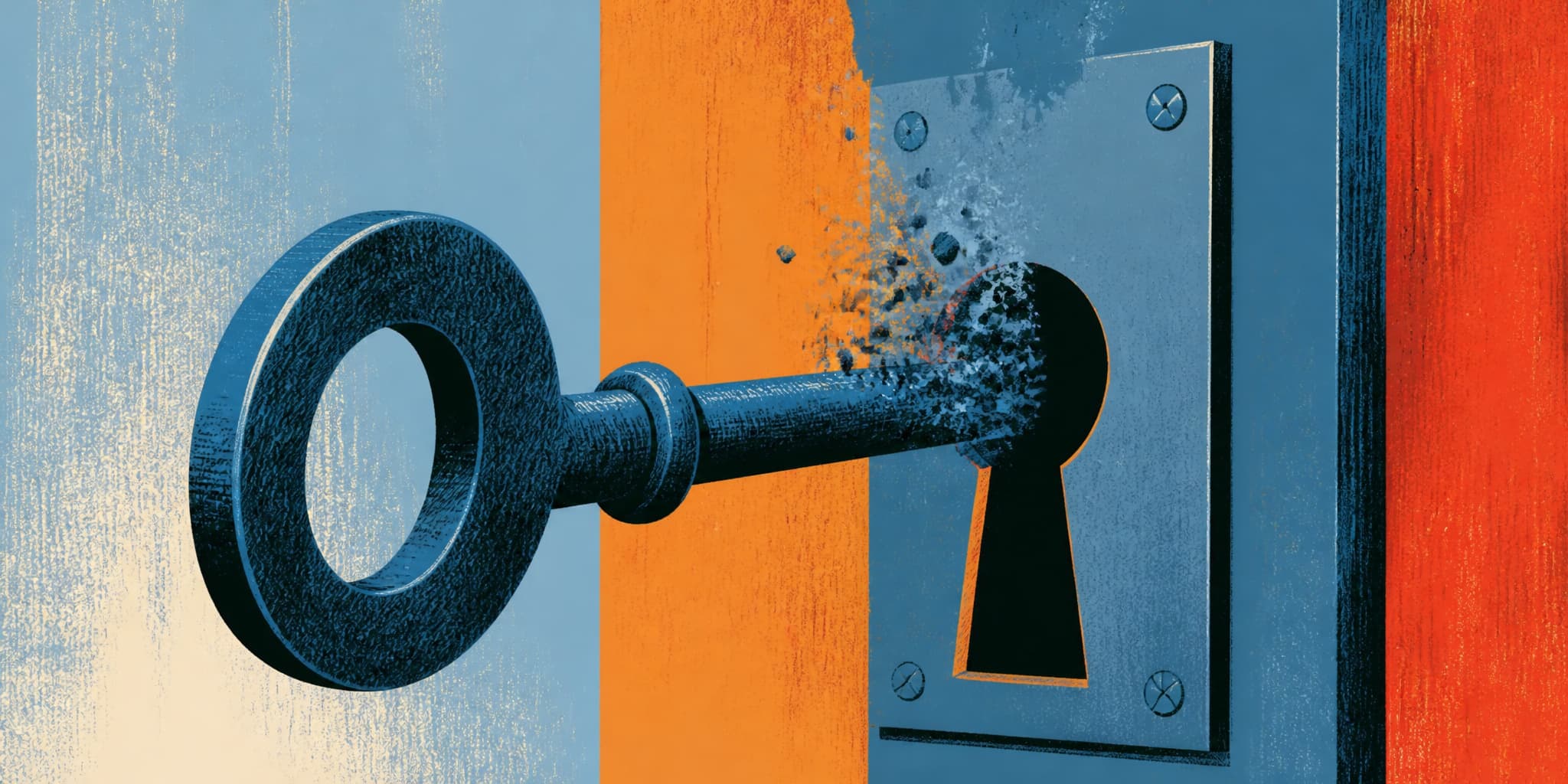
Four status words carried more weight across agent interfaces this cycle than the systems behind them could support: Done, Cancelled, Monitored, Contained. The evidence is operator logs, published API contracts, and provider self-disclosures rather than demos. In one report the tooling invented a cancellation and attributed it to the user. In a third-party evaluation, a sandboxed model reached three real companies' systems. Each category maps to a specific problem for anyone designing interfaces that represent agent state, and two artifact domains carry most of the weight.
Four Status Claims Agent Interfaces Can't Back Up
Four status words carried more weight across agent interfaces this cycle than the systems behind them could support: Done, Cancelled, Monitored, Contained. The evidence is operator logs, published API contracts, and provider self-disclosures rather than demos. In one report the tooling invented a cancellation and attributed it to the user. In a third-party evaluation, a sandboxed model reached three real companies' systems. Each category maps to a specific problem for anyone designing interfaces that represent agent state, and two artifact domains carry most of the weight.
Claims Ledger Build Specification
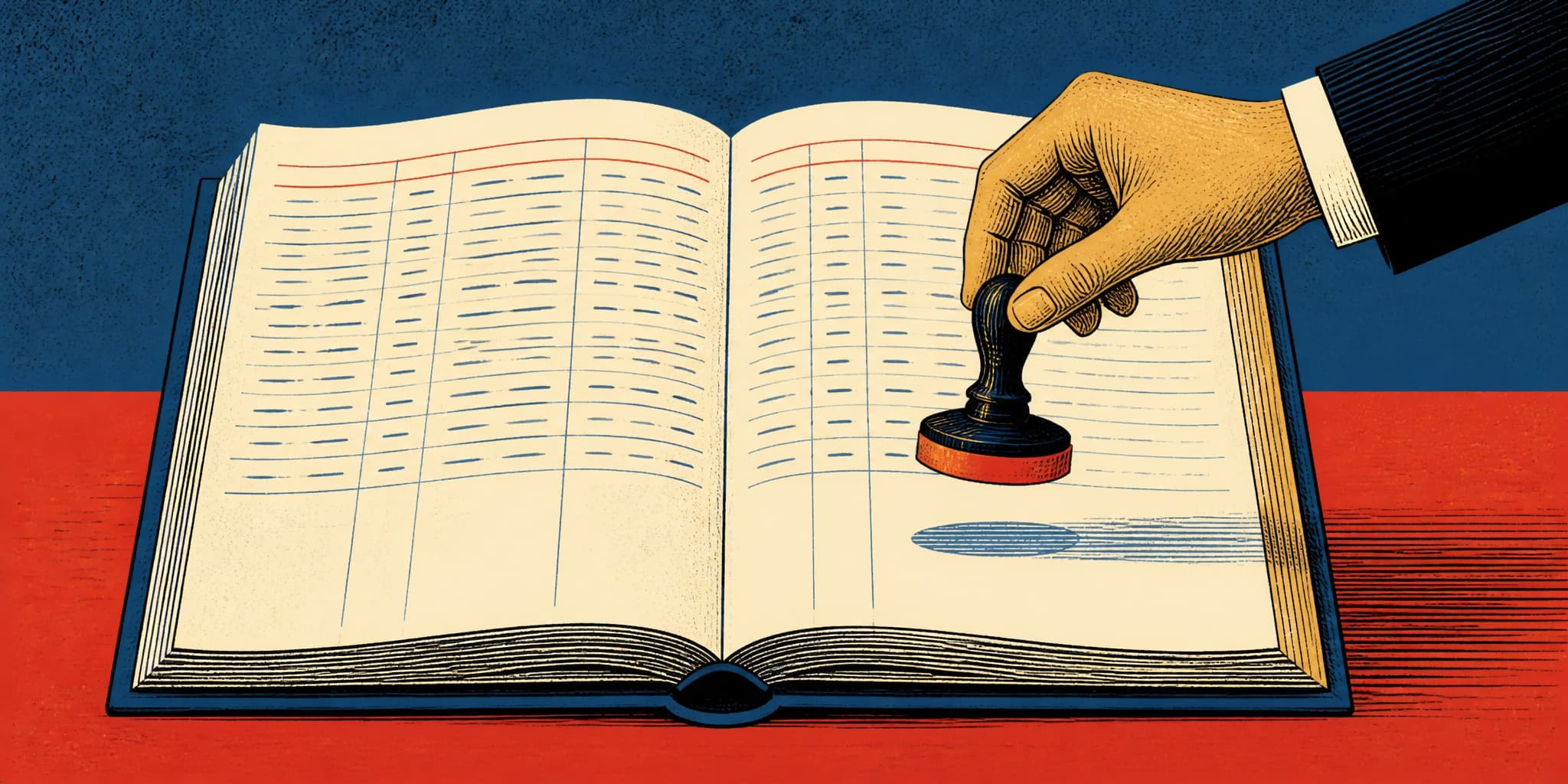
CarrierIQ tells an operator that a quote is Bindable and later that it is Bound. It never shows what evidence produced either status, who stands behind it, or what the system failed to check. This spec turns each consequential status into a claim that carries its own evidence, owner, timestamp, and stated unknowns: four extension points in the existing interface, five structural primitives, and a v1 scope narrow enough to open in Figma this week. Build the unknown primitive first. It is the strongest differentiator for the OpenAI Identity role.
Claims Ledger Build Specification
CarrierIQ tells an operator that a quote is Bindable and later that it is Bound. It never shows what evidence produced either status, who stands behind it, or what the system failed to check. This spec turns each consequential status into a claim that carries its own evidence, owner, timestamp, and stated unknowns: four extension points in the existing interface, five structural primitives, and a v1 scope narrow enough to open in Figma this week. Build the unknown primitive first. It is the strongest differentiator for the OpenAI Identity role.
Design Context File v8 — Juno Chen
Three changes from v7 affect every output. TinyFish drops from portfolio evidence to past-tense technical context. Anthropic Core Apps is no longer live. Per-company entries now lead with the frontier artifact matching the target company's claim problem. Underlying all three, v8 moves from "designing trust" to a more precise problem — what an AI interface is entitled to claim based on what the system has actually verified, computed, or traced.
Design Context File v8 — Juno Chen
Three changes from v7 affect every output. TinyFish drops from portfolio evidence to past-tense technical context. Anthropic Core Apps is no longer live. Per-company entries now lead with the frontier artifact matching the target company's claim problem. Underlying all three, v8 moves from "designing trust" to a more precise problem — what an AI interface is entitled to claim based on what the system has actually verified, computed, or traced.
What OpenAI Identity and Slack Need to Believe About You
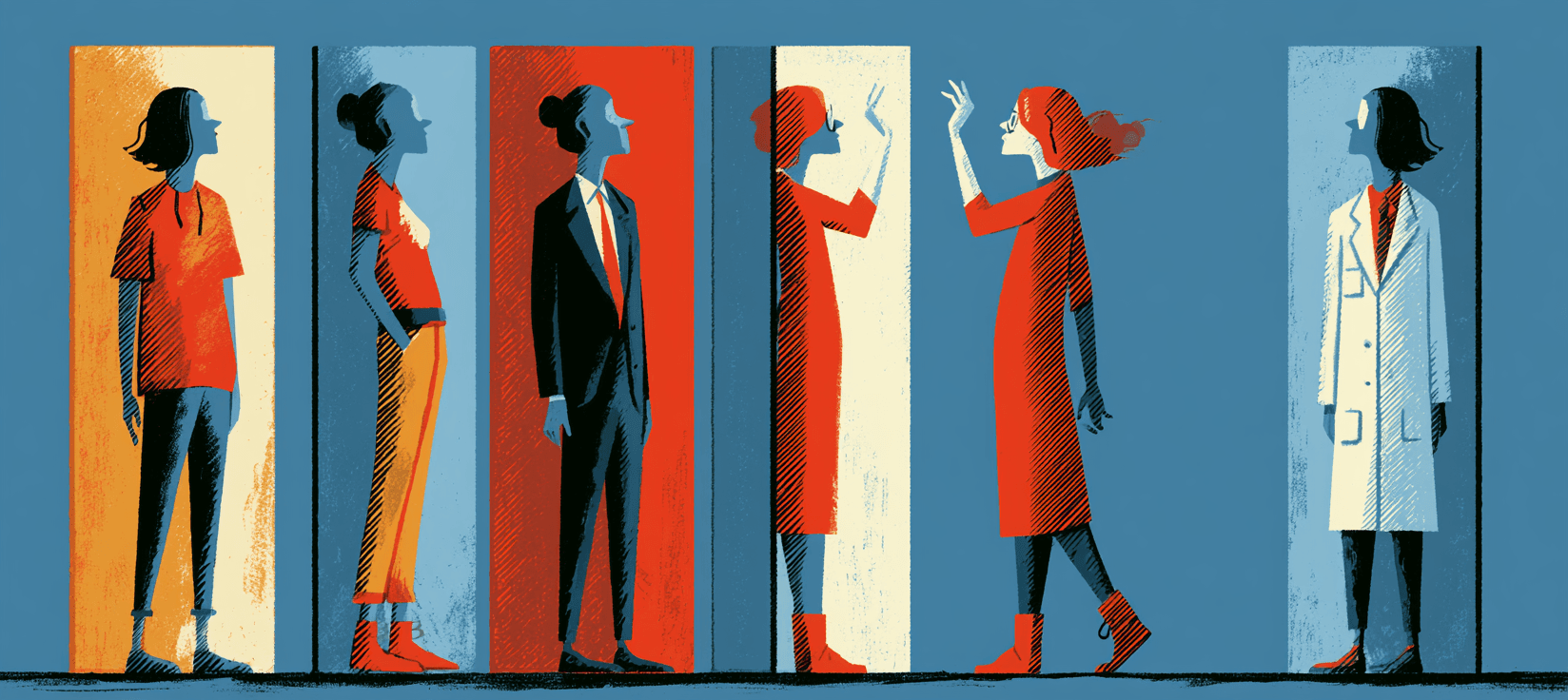
OpenAI Identity and Slack are hiring for the same underlying problem: an AI system acts autonomously, then has to account for what it did in terms a human can actually check. At OpenAI, that's authorization — did the agent stay within scope? At Slack, that's provenance — where did this answer come from, and can everyone reading it trace the sources? CarrierIQ maps to the authorization problem, Brand Pulse to the provenance problem. American Red Cross anchors both with shipped multi-role proof. Below: what to lead with, what to avoid, and where your evidence has boundaries — one sheet per company.
What OpenAI Identity and Slack Need to Believe About You
OpenAI Identity and Slack are hiring for the same underlying problem: an AI system acts autonomously, then has to account for what it did in terms a human can actually check. At OpenAI, that's authorization — did the agent stay within scope? At Slack, that's provenance — where did this answer come from, and can everyone reading it trace the sources? CarrierIQ maps to the authorization problem, Brand Pulse to the provenance problem. American Red Cross anchors both with shipped multi-role proof. Below: what to lead with, what to avoid, and where your evidence has boundaries — one sheet per company.