
The Manager You Didn't Apply For

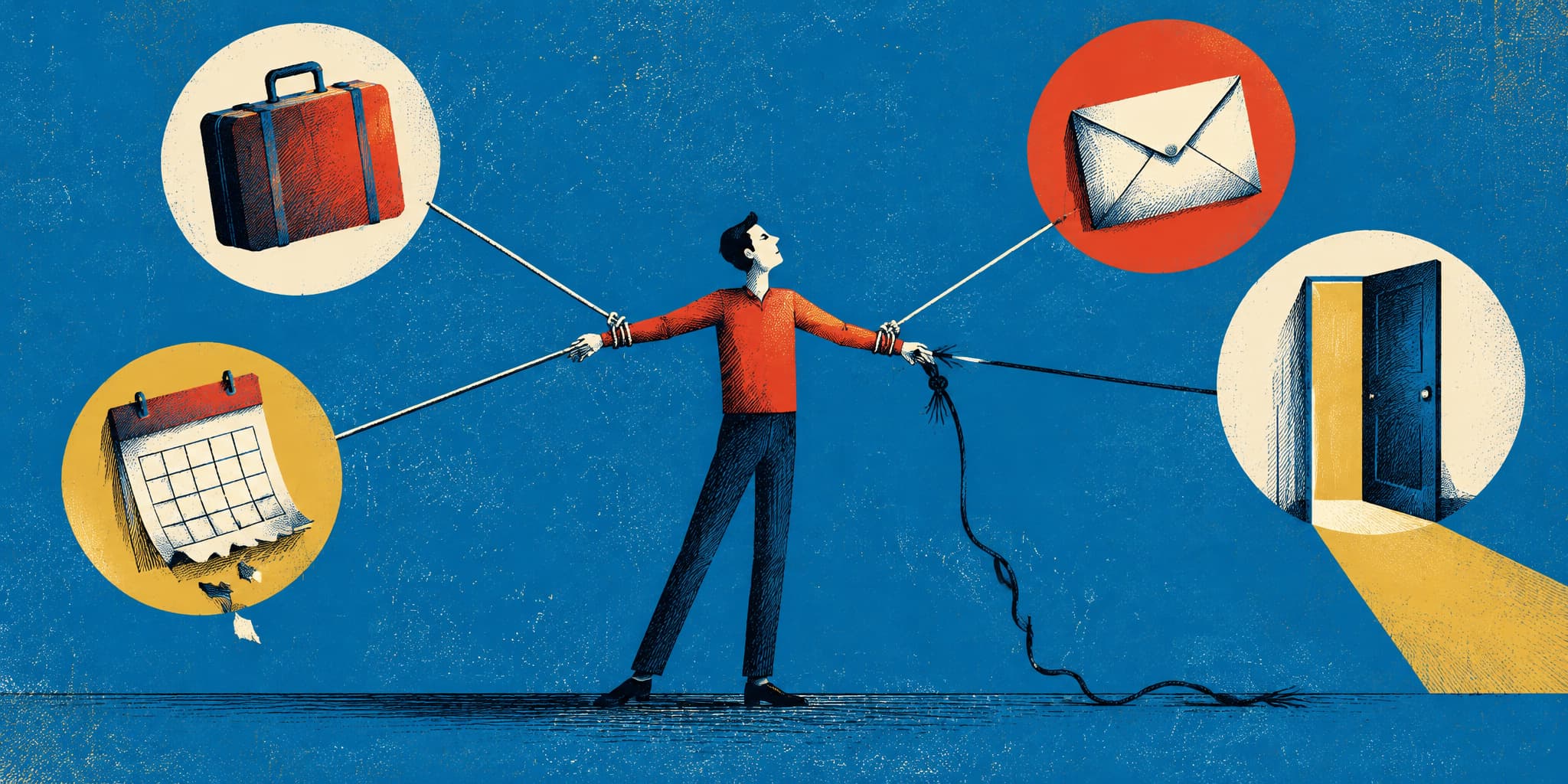
Six persistent personal agents (Dots, Muse, Gemini agent, Sesame, Tab, Ghost) shipped or expanded in the past two weeks around the same architecture. Coverage sorts them by interface: voice, chat, eyewear, local hardware. The more useful axis is one none of them report: how much of your time each costs to operate safely. Across all six, cross-service recovery doesn't exist yet, and that's the capability that would demand the most supervisory attention to use.
The Manager You Didn't Apply For
Six persistent personal agents (Dots, Muse, Gemini agent, Sesame, Tab, Ghost) shipped or expanded in the past two weeks around the same architecture. Coverage sorts them by interface: voice, chat, eyewear, local hardware. The more useful axis is one none of them report: how much of your time each costs to operate safely. Across all six, cross-service recovery doesn't exist yet, and that's the capability that would demand the most supervisory attention to use.
Product Verdict
GPT-6 Intelligent UI makes generated interactive components the default response format across ChatGPT's 1.2 billion weekly users. The model decides when to render a calculator, form, or interactive widget instead of text. No prompt required.
Claude Artifacts shipped interactive output in August 2024. OpenAI is late. The difference worth tracking: Artifacts produces discrete objects you open and inspect. Intelligent UI renders components inline as the answer itself. You interact with a generated surface before you've evaluated whether you should.
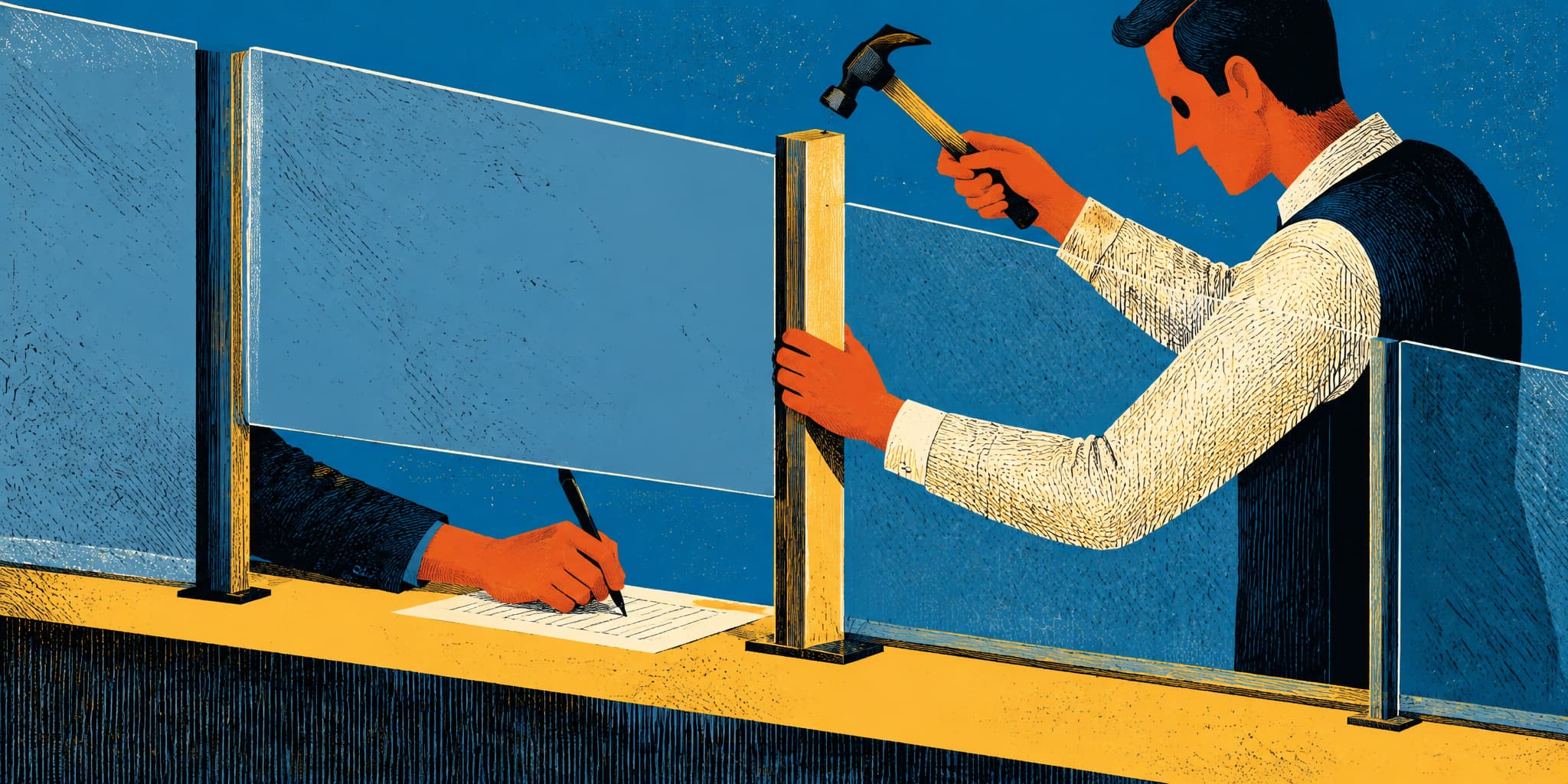
This creates a problem OpenAI's system card does not address. When the model recommending an action also generates the interface where you approve it, the system controls both the proposal and the approval surface. CHI 2026 research found 55.8% of LLM-generated e-commerce components contained deceptive patterns. OpenAI announced visual ads for Free and Go tiers two days before this launch. Generated answers and commercial content now share the same rendering layer, with no disclosed separation.
Interaction Patterns
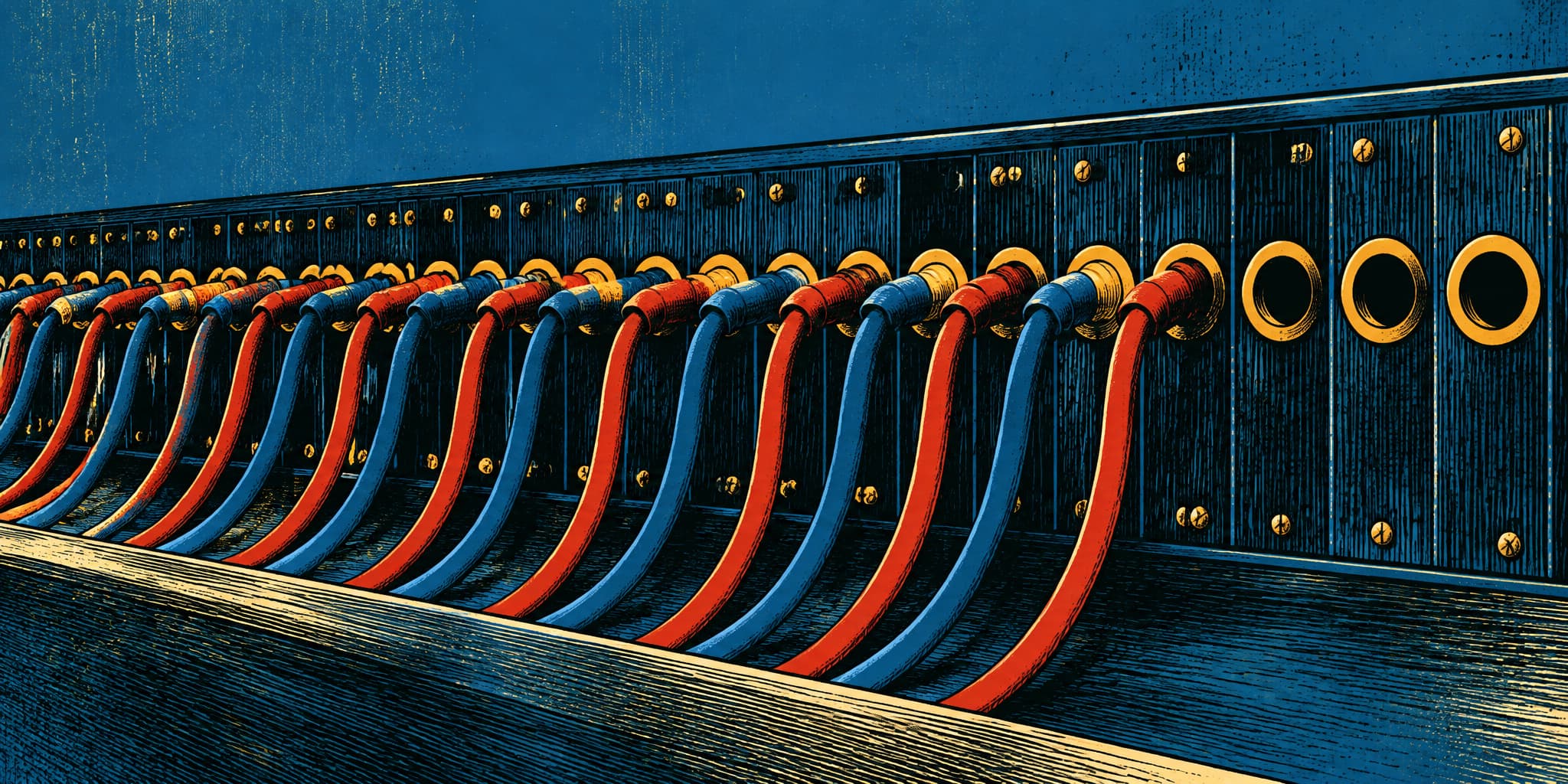
Six interaction families are visible this issue. The map is at right. Three things worth tracking as it accumulates.
Platform pressure could collapse half the map. Apple's Siri AI with App Intents 2.0 makes the OS the orchestration layer — every app becomes a callable endpoint, Apple decides routing. If adoption follows, standalone persistent delegates hit a ceiling on Apple devices. Tab is particularly exposed: it routes through iMessage, which is Apple infrastructure.
Workflow-native agents have a structural advantage in earning trust. Figma's agent operates inside a shared canvas with version history and live observation. The consequence world is bounded — you can see what changed and revert it. Personal delegates crossing email, travel, and payments have no equivalent shared object.
Fo is doing something actually different. Every other delegate assumes AI executes with approval gates. Fo routes phone-call tasks to human staff — a labor-coordination model with different unit economics, different trust properties, and a different scaling ceiling. The open question is whether that architecture holds at volume.