

Objection Dossier — "Is She Really AI-Native?"

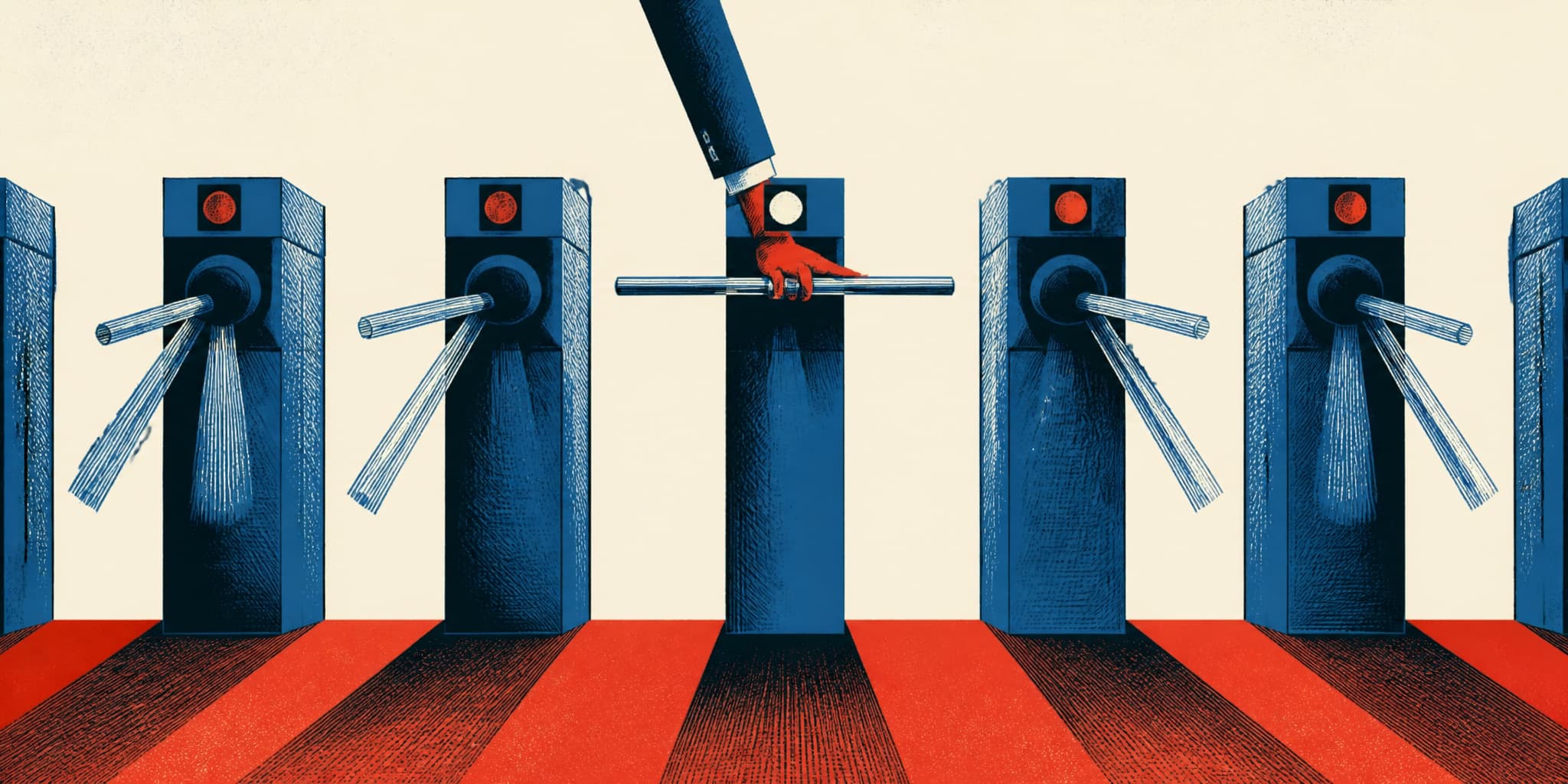
"Has she actually built AI products, or is this traditional design with an AI label?" Every company on your target list can ask this. But a frontier-lab panel, an AI-augmented platform, and an enterprise buyer each fear something different when they ask it. OpenAI wants to know if you shape model behavior or just skin it. Ramp wants to know if you can tear apart a live workflow and rebuild it around agents without losing trust. Salesforce wants to know if you speak governance. Answer the wrong fear and you confirm the concern. This dossier maps all three variants and matches your evidence to each one.
Objection Dossier — "Is She Really AI-Native?"
"Has she actually built AI products, or is this traditional design with an AI label?" Every company on your target list can ask this. But a frontier-lab panel, an AI-augmented platform, and an enterprise buyer each fear something different when they ask it. OpenAI wants to know if you shape model behavior or just skin it. Ramp wants to know if you can tear apart a live workflow and rebuild it around agents without losing trust. Salesforce wants to know if you speak governance. Answer the wrong fear and you confirm the concern. This dossier maps all three variants and matches your evidence to each one.
Same Question, Four Fears, Four Different Answers

You have counter-narratives filed by background feature. Title gap. Consulting stint. AI credibility. Five dossiers, each organized around whichever part of your history triggers the question. The evidence in them is sound. The filing system is wrong. A CTO and a VP Product can ask you the identical seven words and be testing for completely different things. One wants to know if you understand model behavior. The other wants to know if you can ship without enterprise ceremony. Your dossier answers the surface question. The fear underneath never gets touched. Four buyer anxiety archetypes, each with different diagnostic tells, different evidence selections from your published portfolio, different phrasings. Diagnose which fear is active before you pick the evidence. Before you pick the words.
Same Question, Four Fears, Four Different Answers
You have counter-narratives filed by background feature. Title gap. Consulting stint. AI credibility. Five dossiers, each organized around whichever part of your history triggers the question. The evidence in them is sound. The filing system is wrong. A CTO and a VP Product can ask you the identical seven words and be testing for completely different things. One wants to know if you understand model behavior. The other wants to know if you can ship without enterprise ceremony. Your dossier answers the surface question. The fear underneath never gets touched. Four buyer anxiety archetypes, each with different diagnostic tells, different evidence selections from your published portfolio, different phrasings. Diagnose which fear is active before you pick the evidence. Before you pick the words.
"Will She Slow Us Down?" — The Growth-Stage Speed Objection
Three seconds. That's how long a hiring manager at Ramp or Headway spends on your LinkedIn before the pattern match fires: Alibaba, BCG, enterprise pace, heavy process. The concern has a grain of truth you need to own before you redirect it. What follows: the three specific speed fears embedded in their postings, your timeline-plus-constraint evidence mapped against each one, and the reversal questions that shift your posture from defending your pace to diagnosing theirs.

"Can She Shape Model Behavior?"
Every AI company asks some version of the credibility question. Frontier labs ask a harder one. OpenAI's Model Designer posting wants "technical intuition about how data changes can affect model behavior." Anthropic's Claude.ai team wants someone who turns a capable model into a product people enjoy using. Different roles, different reframe surfaces, same fear underneath: does your experience stop at the interface, or does it reach the model? One objection. The reframe, its actual limits, and response phrasing calibrated per company.

The Function-Building Objection
Every other objection in your search has a clean counter. This one doesn't. Multi-year team-scaling is a genuine gap in your record, and evaluators at growth-stage companies will find it. The only question is whether they find it or you name it first. What follows treats the function-building objection with the honesty it requires: what's missing, what's actually there, and what to say out loud when the gap is real. The reframe only works after the acknowledgment. Most candidates get that sequence backward.

"Too Senior for Us" — When Seniority Reads as Risk
A hiring manager says "too senior for us" and you answer with "I'm happy to be hands-on." You just treated four different fears as one objection and addressed the wrong one. The concern might be infrastructure dependence, refusal to do IC work, flight risk, or imported process. Each has a different grain of truth, different portfolio evidence that moves it, and a different confidence level on whether it moves at all. This piece splits them apart, maps the response for each, and draws a hard line on when "too senior" is the accurate diagnosis and your move is to walk.