Juno Chen — Design Context File v1

One question governs every field in this file: what can a machine cite, what is off-limits, and which proof point maps to which buyer? Twelve companies. Two positioning frames with hard switching rules. Five case studies carrying cover-letter-ready proof blocks. Three active portfolio boundary violations that determine what gets linked and what doesn't. This is Juno Chen's canonical context file. The positioning layer between her background and whatever AI system turns it into a specific document for a specific company this week.
Juno Chen — Design Context File v1
One question governs every field in this file: what can a machine cite, what is off-limits, and which proof point maps to which buyer? Twelve companies. Two positioning frames with hard switching rules. Five case studies carrying cover-letter-ready proof blocks. Three active portfolio boundary violations that determine what gets linked and what doesn't. This is Juno Chen's canonical context file. The positioning layer between her background and whatever AI system turns it into a specific document for a specific company this week.
Four Act-Tier Positioning Sheets — Amplitude, Ramp, Brex, Maven
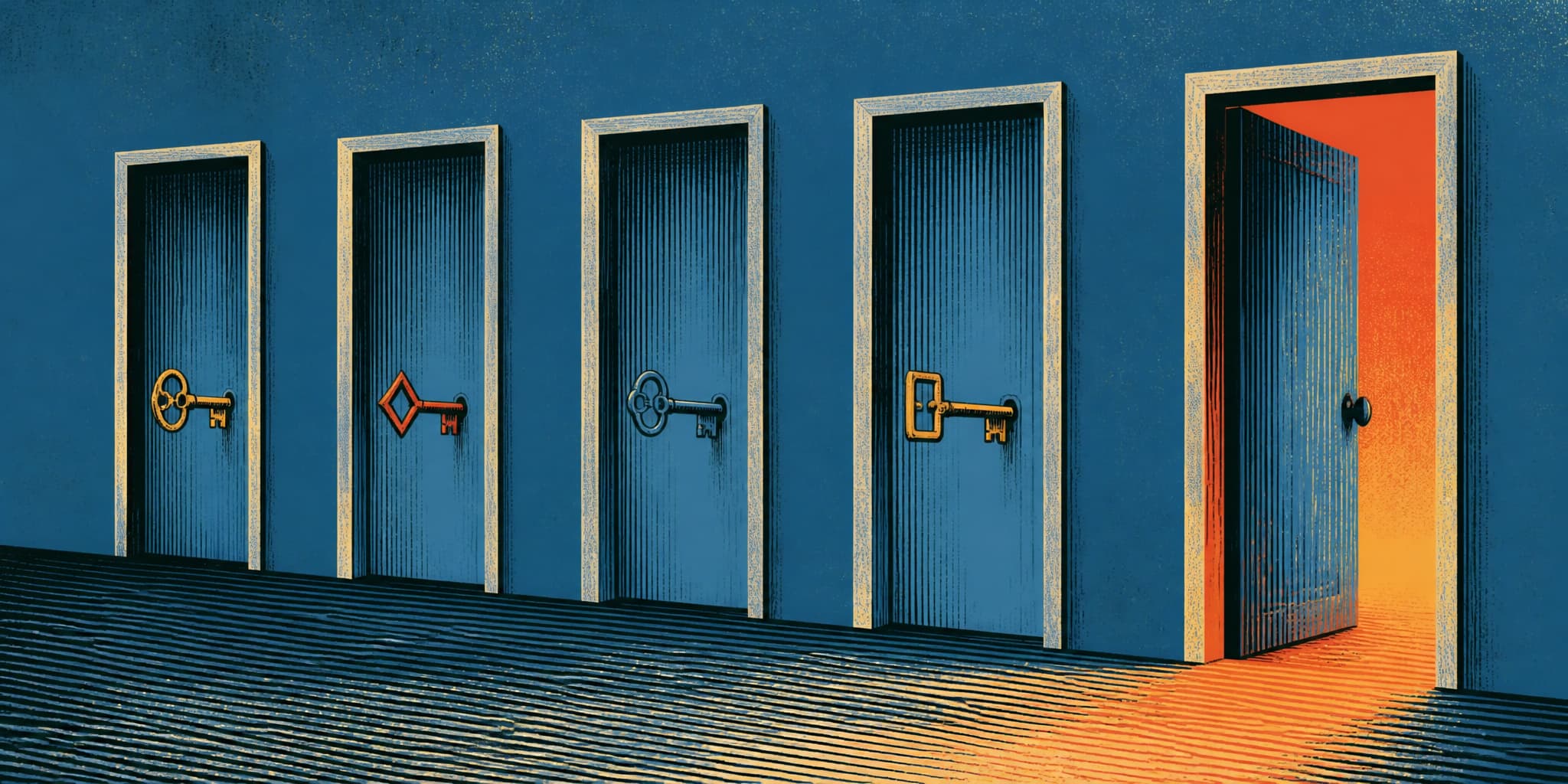
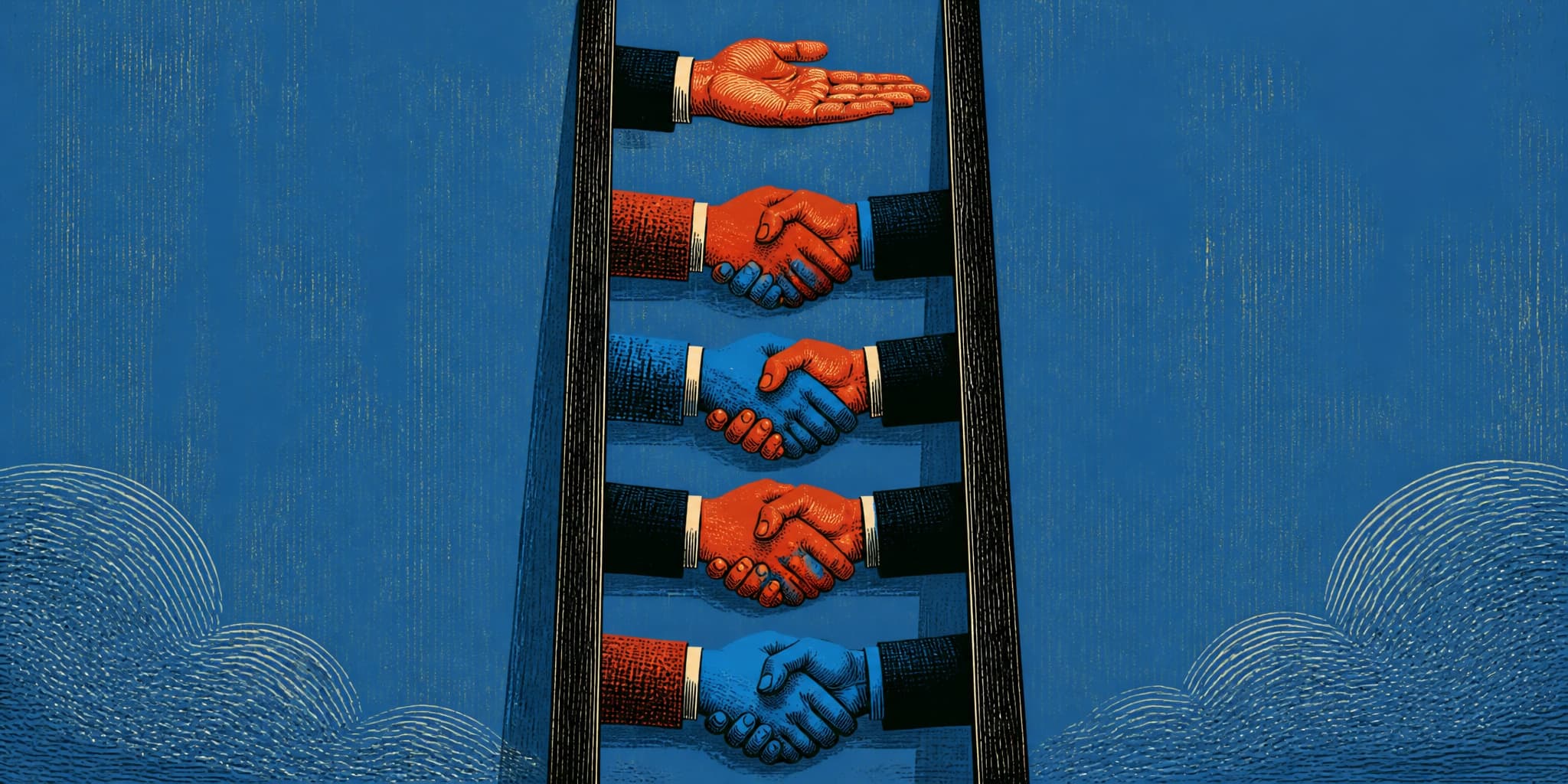
The positioning mistake I see most at Director+ level is obvious once you name it: leading with the same proof everywhere because it's your best work. It is your best work. But four buyers have four problems, and the candidate who opens with a regulated-environment case study at a company where designers ship PRs has already lost the room before the portfolio review starts. This issue assigns one lead proof per company — Amplitude, Ramp, Brex, Maven — no overlap. Each pairing comes from what the posting actually says when you read the verbs, not the title. Open the sheet for whichever company you're writing to this week.
Four Act-Tier Positioning Sheets — Amplitude, Ramp, Brex, Maven
The positioning mistake I see most at Director+ level is obvious once you name it: leading with the same proof everywhere because it's your best work. It is your best work. But four buyers have four problems, and the candidate who opens with a regulated-environment case study at a company where designers ship PRs has already lost the room before the portfolio review starts. This issue assigns one lead proof per company — Amplitude, Ramp, Brex, Maven — no overlap. Each pairing comes from what the posting actually says when you read the verbs, not the title. Open the sheet for whichever company you're writing to this week.
Fix the Surface Before You Build on It
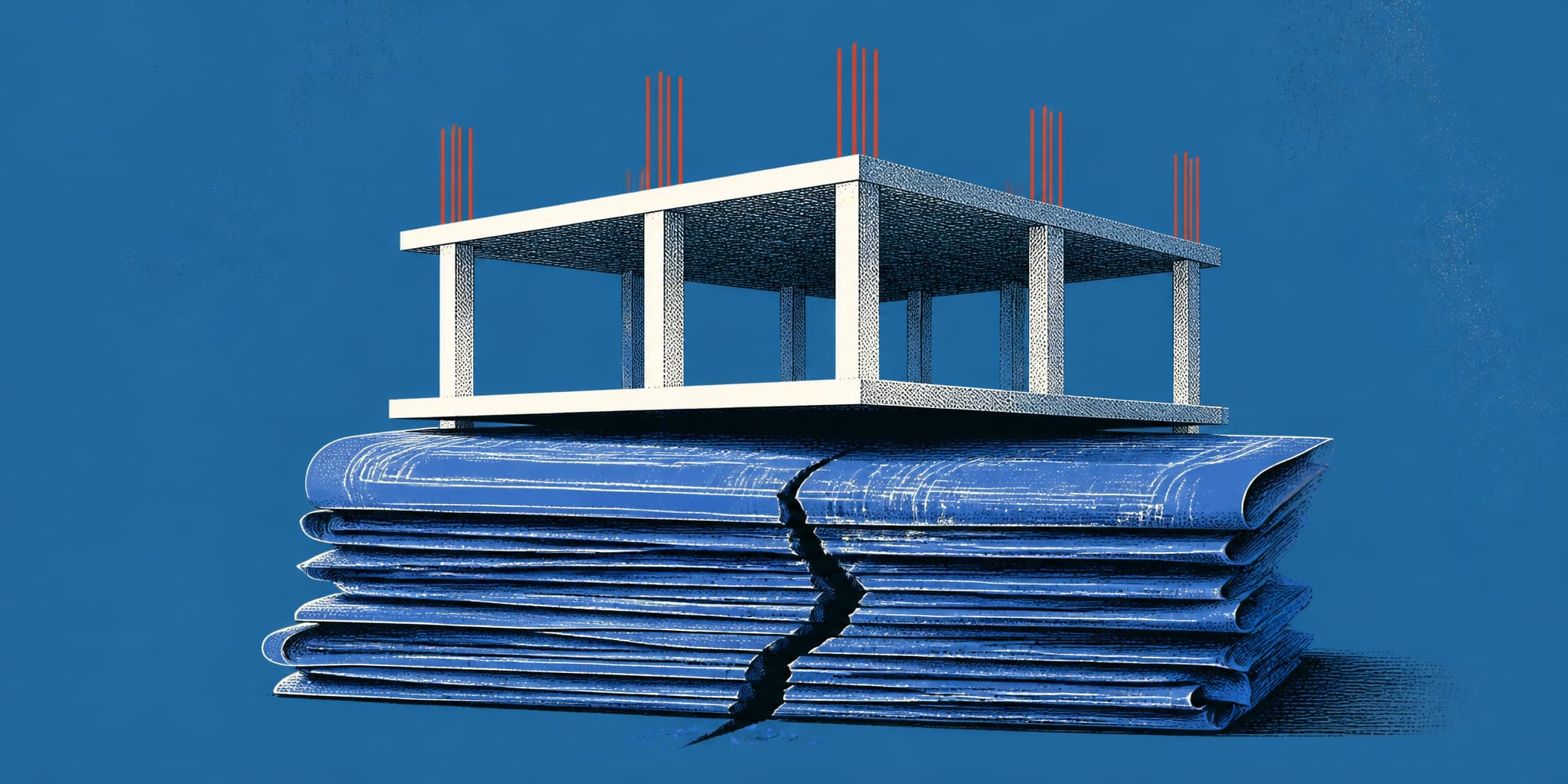
Your site still ships the private essay in full to anyone who clicks the homepage card. The TinyFish case study card is still visible, treating product work as portfolio proof against your own published boundary. Both were P0 in issue #3. Both are still wrong. Below the fixes: a gap analysis against your current Act/Watch tier, a ranked build queue, and complete first drafts of the top three artifacts, starting with the AI-native design process essay that eleven of thirteen target roles are screening for. The essay is ready to publish. The surface it sits on is not.
Fix the Surface Before You Build on It
Your site still ships the private essay in full to anyone who clicks the homepage card. The TinyFish case study card is still visible, treating product work as portfolio proof against your own published boundary. Both were P0 in issue #3. Both are still wrong. Below the fixes: a gap analysis against your current Act/Watch tier, a ranked build queue, and complete first drafts of the top three artifacts, starting with the AI-native design process essay that eleven of thirteen target roles are screening for. The essay is ready to publish. The surface it sits on is not.
The Buyer-Angle Map (Trust-Sensitivity Axis Edition)
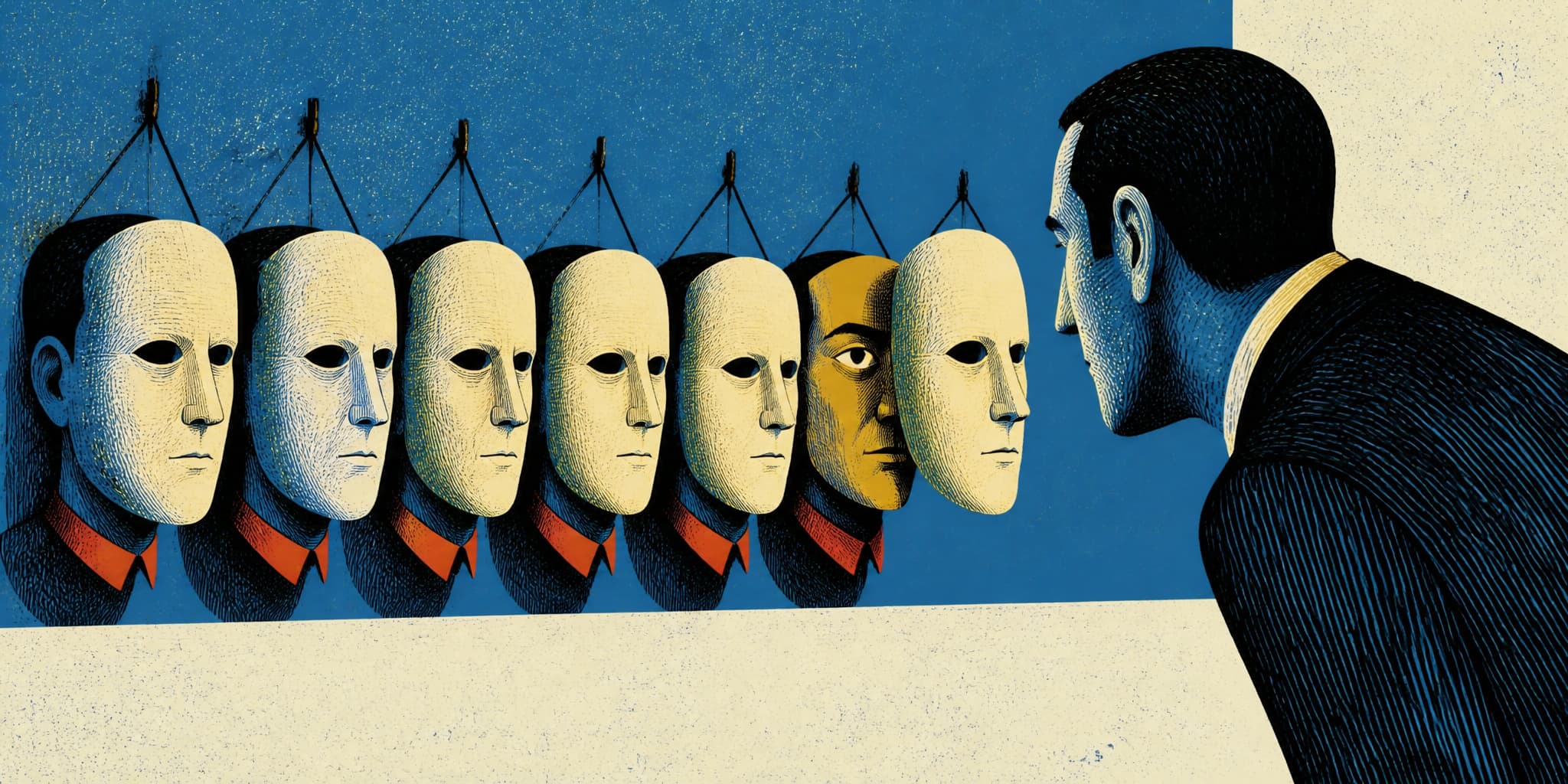
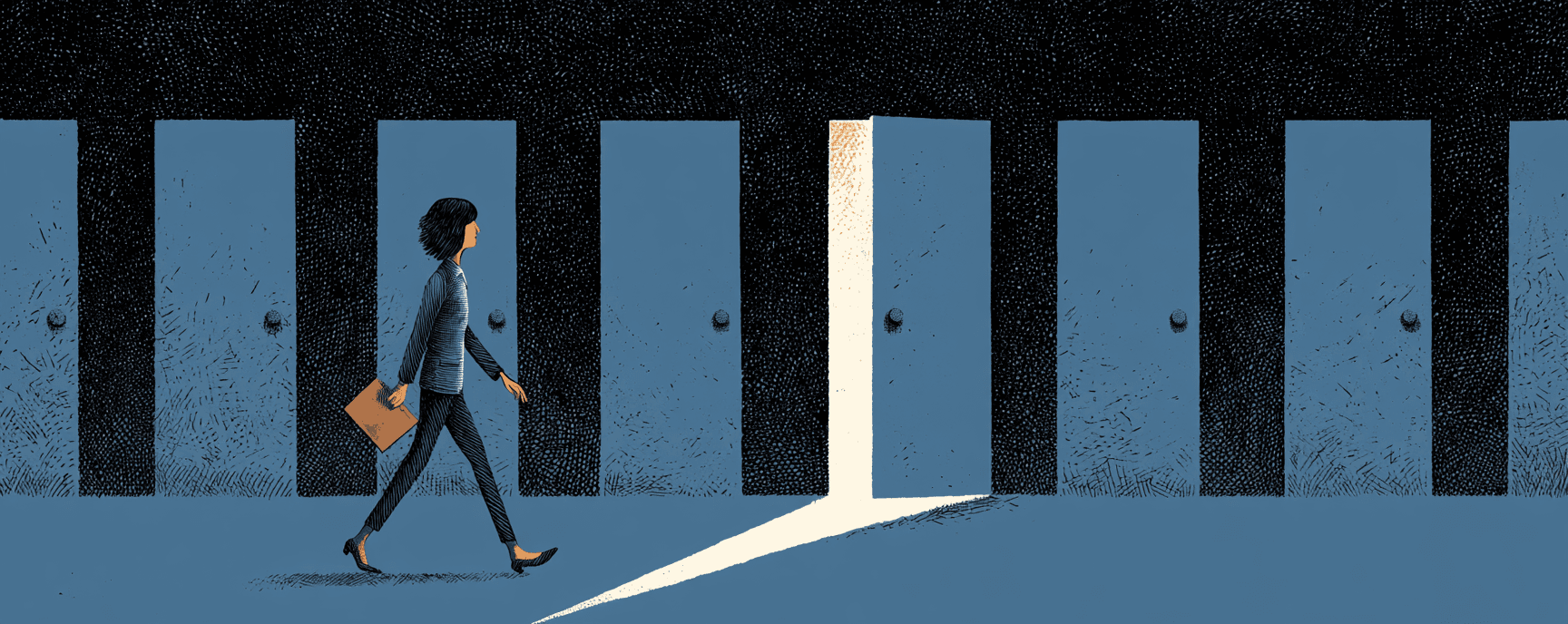
A CPO is judging whether you reduce their cognitive load. An engineering leader at an AI-native company is judging whether you've actually built in the medium. A design VP is reading your portfolio construction as a craft artifact. Same candidate. Five rooms. Five completely different failure modes for your portfolio boundaries.
Pull this up before every portfolio review. Which pillar leads, which supports, which stays in reserve. And how much it costs you if this particular buyer inspects what your site actually delivers versus what you say in the room.
The Buyer-Angle Map (Trust-Sensitivity Axis Edition)
A CPO is judging whether you reduce their cognitive load. An engineering leader at an AI-native company is judging whether you've actually built in the medium. A design VP is reading your portfolio construction as a craft artifact. Same candidate. Five rooms. Five completely different failure modes for your portfolio boundaries.
Pull this up before every portfolio review. Which pillar leads, which supports, which stays in reserve. And how much it costs you if this particular buyer inspects what your site actually delivers versus what you say in the room.
Said vs. Shipped — Eight Agentic AI Design Patterns and Who Actually Built Them

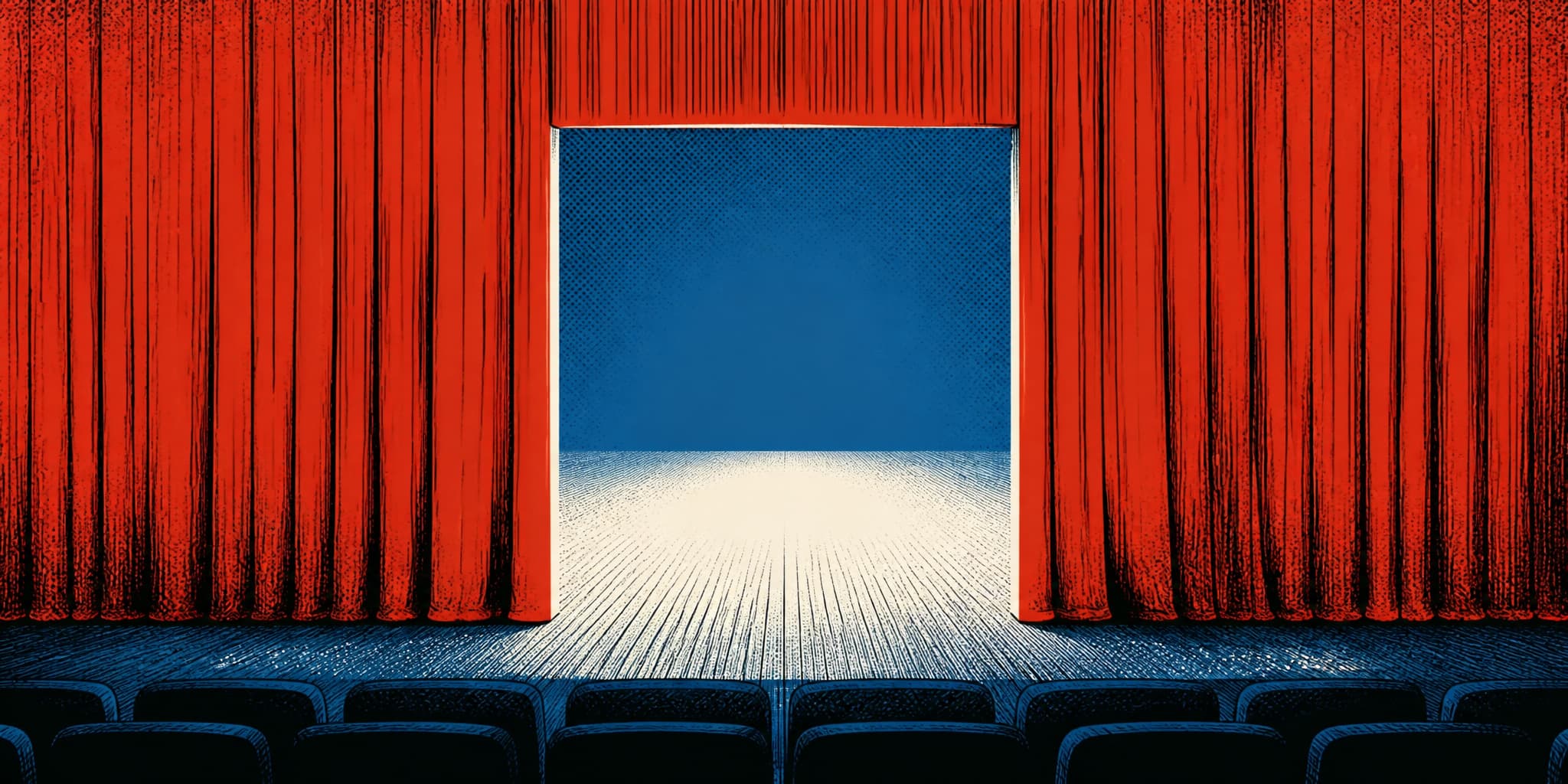
Every company building agentic AI products says "trust." The word has converged so completely across launch posts and keynote decks that it no longer tells you anything about the product. So I stopped reading the blog posts and read the interfaces instead. Eight shipped products. Eight design patterns. Some products place human gates exactly where consequences become irreversible. Others default to opacity because it is cheaper to build. One company puts its best visibility surface behind the enterprise paywall, which tells you everything about what they actually value. Names named throughout.
Said vs. Shipped — Eight Agentic AI Design Patterns and Who Actually Built Them
Every company building agentic AI products says "trust." The word has converged so completely across launch posts and keynote decks that it no longer tells you anything about the product. So I stopped reading the blog posts and read the interfaces instead. Eight shipped products. Eight design patterns. Some products place human gates exactly where consequences become irreversible. Others default to opacity because it is cheaper to build. One company puts its best visibility surface behind the enterprise paywall, which tells you everything about what they actually value. Names named throughout.