
The Outer Ring
The Outer Ring
The Map
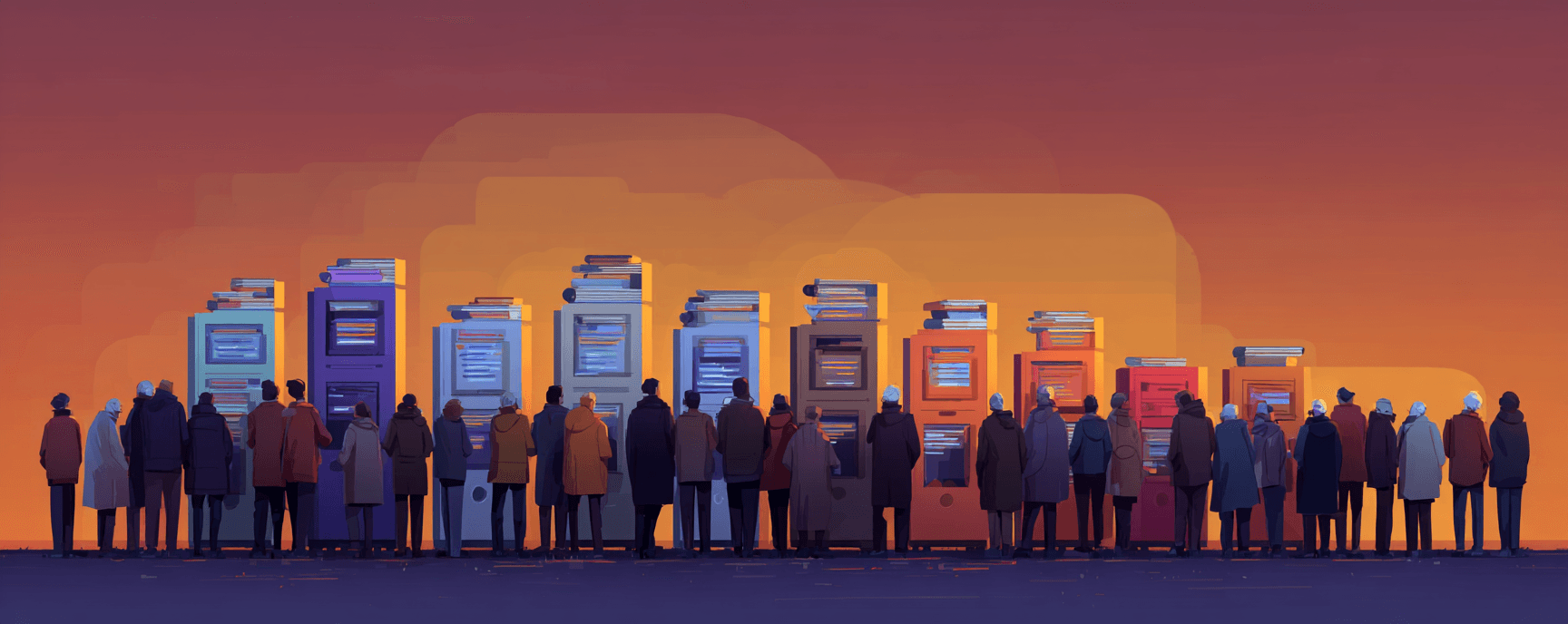
Three months. Four enterprise platforms with no history in identity. Each one built an agent governance model, and none of them started with the directory.
Cloudflare embedded agent identity into the network with Mesh, launched April 14. Workday made the org chart the governing structure through its Agent System of Record, GA February 18. Zscaler's May 21 acquisition of Symmetry Systems builds an access graph mapping every identity-to-data relationship. At Knowledge 2026, ServiceNow positioned its workflow layer as the enforcement point for agents spanning thirty-plus external platforms.
Four substrates. One shared wager against the directory.
The Network Is the Directory
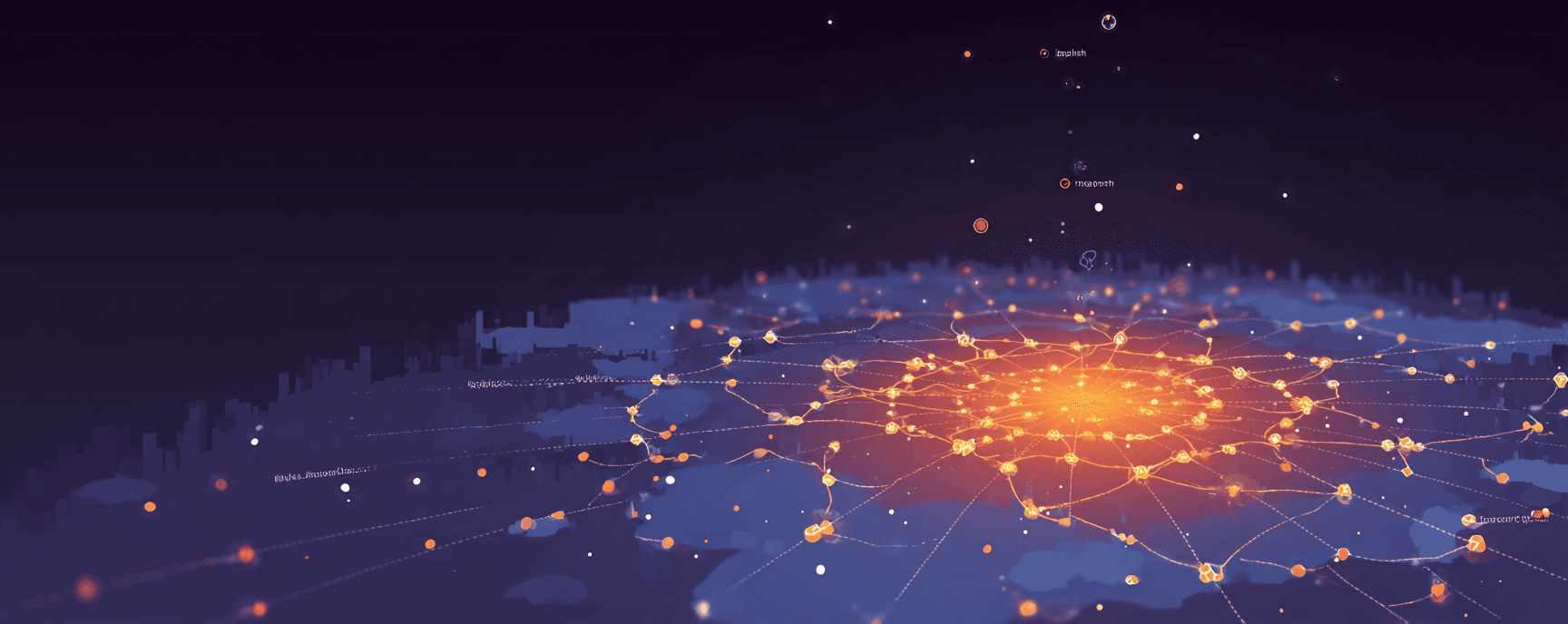
On April 30, an AI agent created its own Cloudflare account, bought a domain, and deployed code to production. The human involved approved billing. Everything else was autonomous. Most coverage of Cloudflare's Agents Week treated it as a developer-platform story. Underneath the product catalog is something more structural: an argument that when agents outnumber humans on the network, identity belongs at the connection level, resolved in real time, and Cloudflare's margin structure makes that architectural bet close to inevitable.
The Network Is the Directory
On April 30, an AI agent created its own Cloudflare account, bought a domain, and deployed code to production. The human involved approved billing. Everything else was autonomous. Most coverage of Cloudflare's Agents Week treated it as a developer-platform story. Underneath the product catalog is something more structural: an argument that when agents outnumber humans on the network, identity belongs at the connection level, resolved in real time, and Cloudflare's margin structure makes that architectural bet close to inevitable.
The Governance Clock Problem
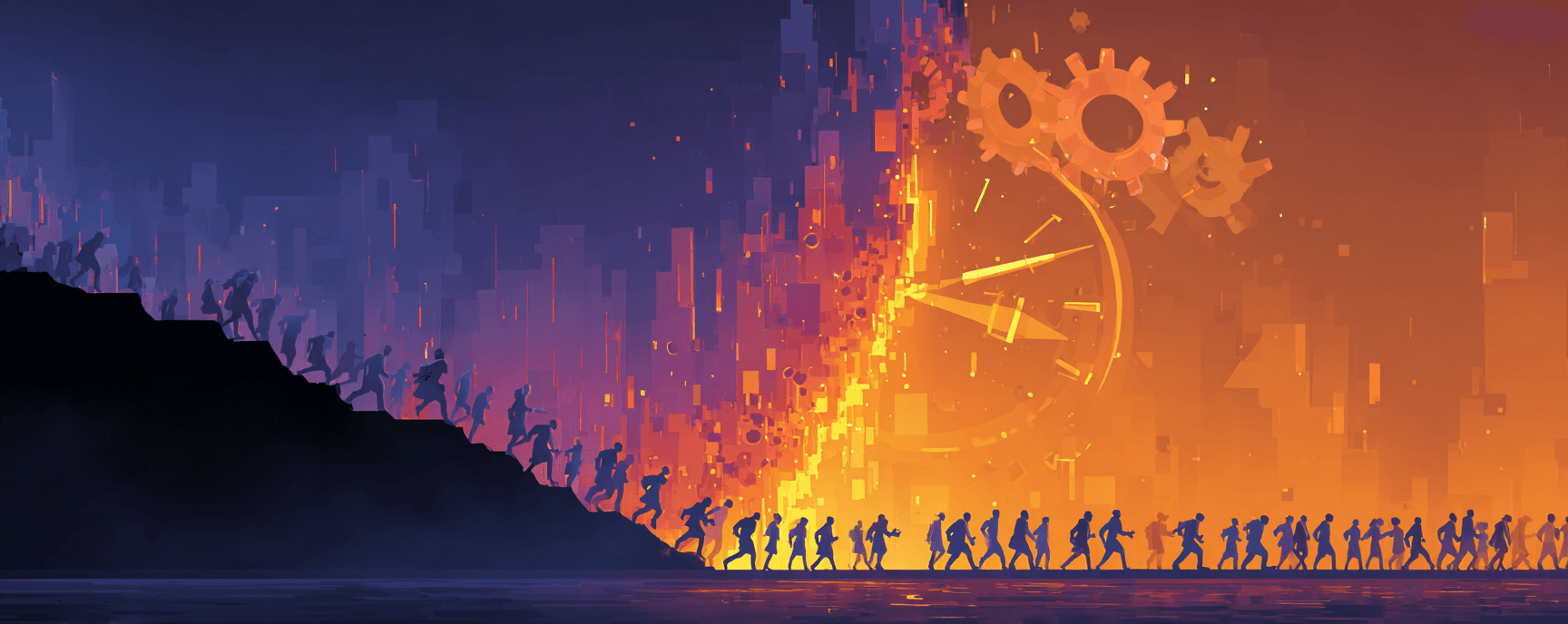
Workday's Agent System of Record is free. What agents do inside it isn't — the company just introduced consumption-based pricing that meters every API call against Workday data. The governance layer is the on-ramp to the toll booth. But the structural bet underneath is more interesting than the economics: Workday is wagering that the frameworks enterprises use to hire, onboard, and terminate human employees are the right governance model for AI agents. Those frameworks carry an implicit clock speed. Agent populations don't observe it. Workday's own people are already saying so on the record.
The Governance Clock Problem
Workday's Agent System of Record is free. What agents do inside it isn't — the company just introduced consumption-based pricing that meters every API call against Workday data. The governance layer is the on-ramp to the toll booth. But the structural bet underneath is more interesting than the economics: Workday is wagering that the frameworks enterprises use to hire, onboard, and terminate human employees are the right governance model for AI agents. Those frameworks carry an implicit clock speed. Agent populations don't observe it. Workday's own people are already saying so on the record.
Zscaler and the Meter Problem
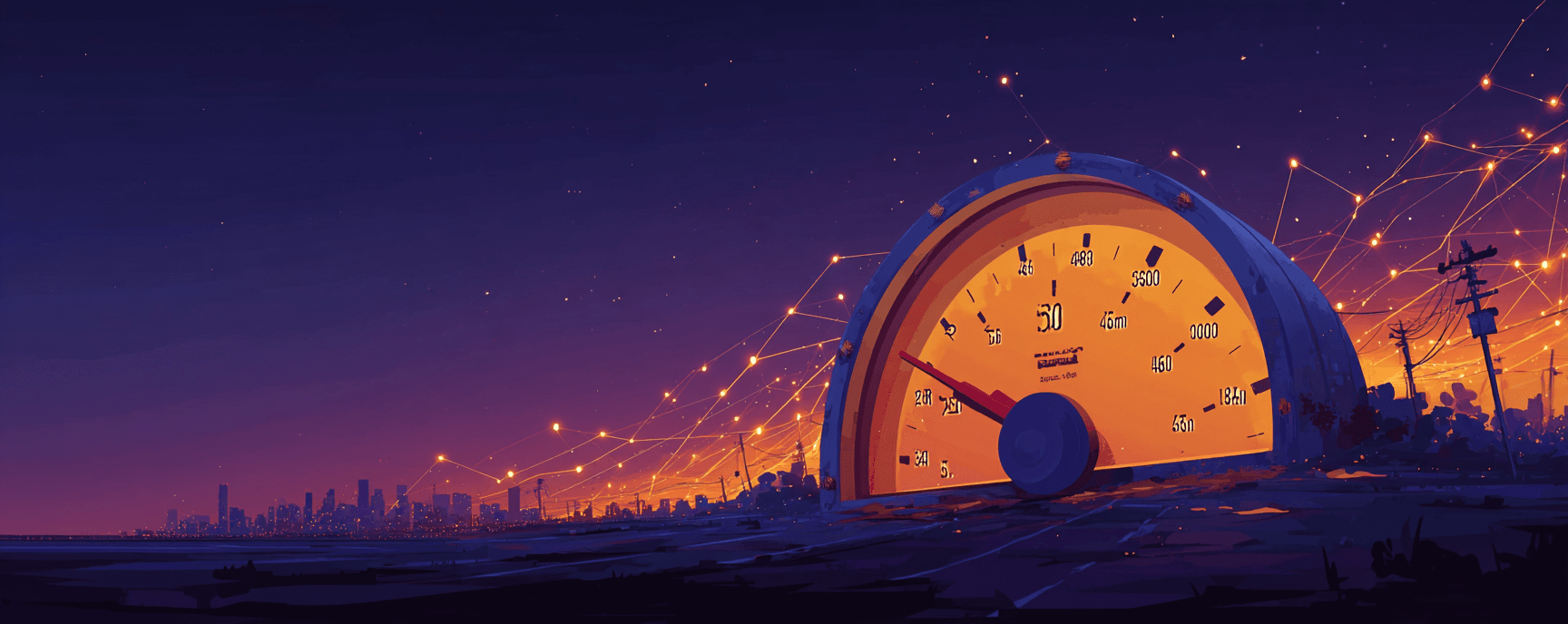
Zscaler's Symmetry Systems acquisition got covered as a data security bolt-on. The more interesting signal was buried in the 10-Q filed the same week: new risk-factor language disclosing that Zscaler's future depends on monetizing "non-user-based traffic." That's a company telling the SEC its pricing model can't handle what's coming. The access graph Zscaler just bought doubles as a metering layer for a bill that doesn't exist yet, and the acquisition pattern over the past twelve months starts to look very different once you read it from the foundation up.
Zscaler and the Meter Problem
Zscaler's Symmetry Systems acquisition got covered as a data security bolt-on. The more interesting signal was buried in the 10-Q filed the same week: new risk-factor language disclosing that Zscaler's future depends on monetizing "non-user-based traffic." That's a company telling the SEC its pricing model can't handle what's coming. The access graph Zscaler just bought doubles as a metering layer for a bill that doesn't exist yet, and the acquisition pattern over the past twelve months starts to look very different once you read it from the foundation up.
The Action Layer
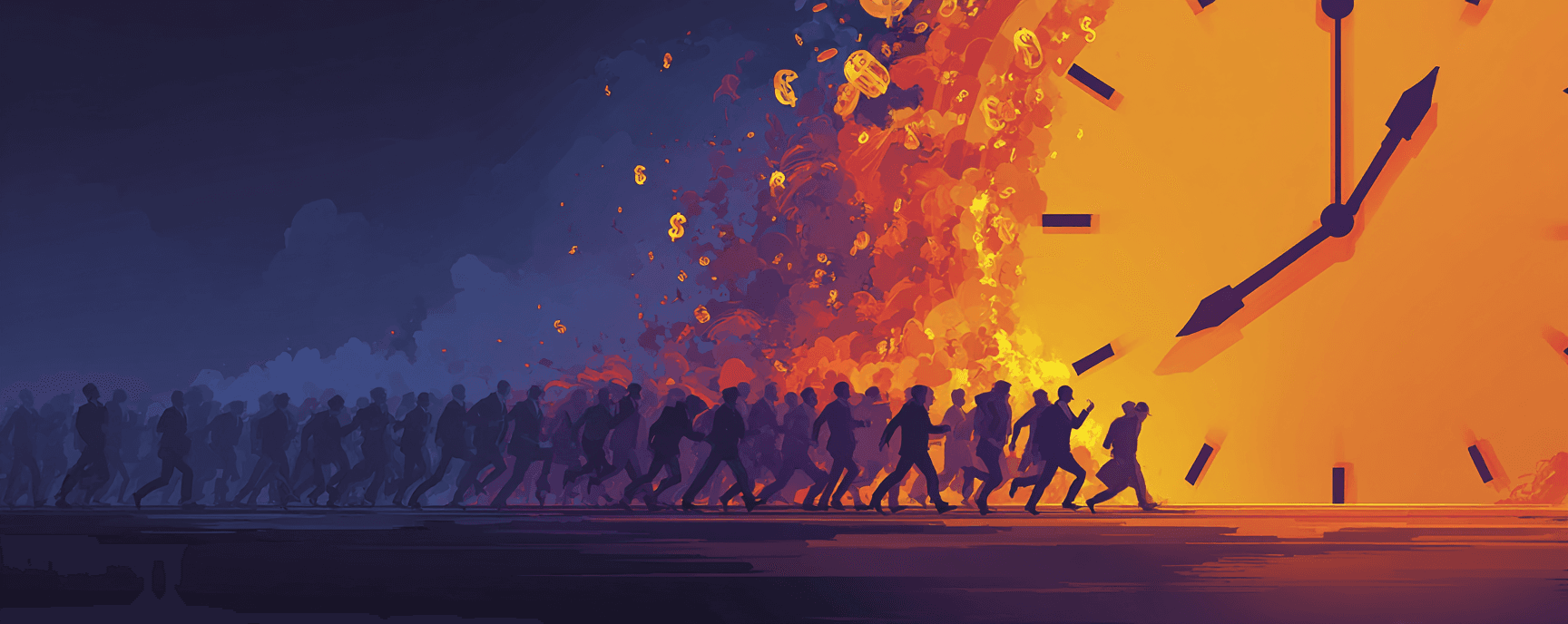
At Knowledge 2026, ServiceNow quietly routed external AI agents through the same consumption meter as its own. Claude triggers a workflow, the same billing counter ticks. That pricing decision, buried under keynote demos, is the most important thing the company shipped — because it reveals a structural bet: the governance layer for AI agents will be owned by whoever controls the surface where agents actually execute work. ServiceNow is building the customs office for the agent economy. The acquisitions, the Anthropic partnership, the free-year Control Tower offer all follow from the meter.
The Action Layer
At Knowledge 2026, ServiceNow quietly routed external AI agents through the same consumption meter as its own. Claude triggers a workflow, the same billing counter ticks. That pricing decision, buried under keynote demos, is the most important thing the company shipped — because it reveals a structural bet: the governance layer for AI agents will be owned by whoever controls the surface where agents actually execute work. ServiceNow is building the customs office for the agent economy. The acquisitions, the Anthropic partnership, the free-year Control Tower offer all follow from the meter.