
Practitioner's Corner

Practitioner's Corner
A Dozen Agents Share One Approver, and Her Backlog Changes the Answers
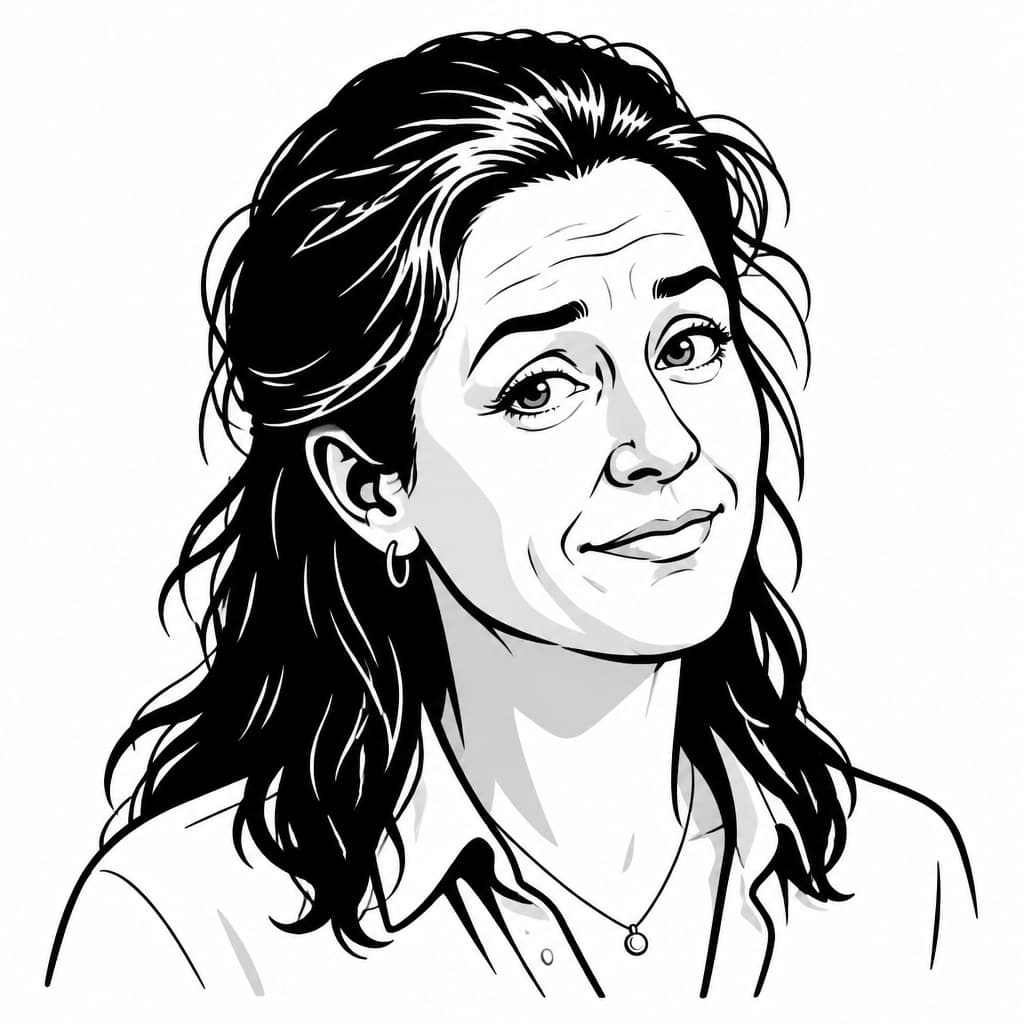

When an AI agent needs permission to act, the request goes to a person, and she signs off or doesn't. She is part of the system, but nobody planned for her the way they planned for the agent, or asked how much she can take. Anthropic tested this with 1,053 people. Early on, about 17% caught a dangerous command hidden among the permission prompts. After 50 or more prompts, only about 5% did. Treated as an overloaded system, she raises a practical question: what does she wave through before Thanksgiving?
A Dozen Agents Share One Approver, and Her Backlog Changes the Answers
When an AI agent needs permission to act, the request goes to a person, and she signs off or doesn't. She is part of the system, but nobody planned for her the way they planned for the agent, or asked how much she can take. Anthropic tested this with 1,053 people. Early on, about 17% caught a dangerous command hidden among the permission prompts. After 50 or more prompts, only about 5% did. Treated as an overloaded system, she raises a practical question: what does she wave through before Thanksgiving?
WebMCP's Drafters Admit a Tool May Not Do What It Says

Google and Microsoft are backing a proposal that would let websites describe their own buttons to AI agents. But nothing guarantees that a description matches what the button really does. The draft itself gives an example of the risk: a site tool labeled "finalizes the current shopping cart" actually places the order, so an agent asked only to show the cart buys everything in it. If a label can be wrong, it has to be checked somewhere, and a close reading of the proposal suggests where that work ends up.
WebMCP's Drafters Admit a Tool May Not Do What It Says
Google and Microsoft are backing a proposal that would let websites describe their own buttons to AI agents. But nothing guarantees that a description matches what the button really does. The draft itself gives an example of the risk: a site tool labeled "finalizes the current shopping cart" actually places the order, so an agent asked only to show the cart buys everything in it. If a label can be wrong, it has to be checked somewhere, and a close reading of the proposal suggests where that work ends up.

An Interview With Captain Tallyhook on the Beach Nobody Photographed
CONTINUE READINGThe Odd Detail

When a bad release lands, the reflex in the incident channel is "do we even import that?" For two recent releases of a Python agent framework, that question will let you close the ticket too early.
Installing either version dropped a .pth file into the environment. Python reads those at startup, before any of your code runs (unless you launch it with -S), and executes any line that begins with import. The feature exists so packages can tell Python where their code lives. This one loaded the attacker's.
So any Python process counted: a CI job, a test run, a throwaway script. Nobody had to import the framework. Ask whether 1.26.1 or 1.26.2 was ever installed. Check lockfiles, CI images and caches before the Thanksgiving freeze.
Classic Readings on System Overload