
Vision

Vision
When the AI Pilot's Biggest Fans Don't Want the Next Stage

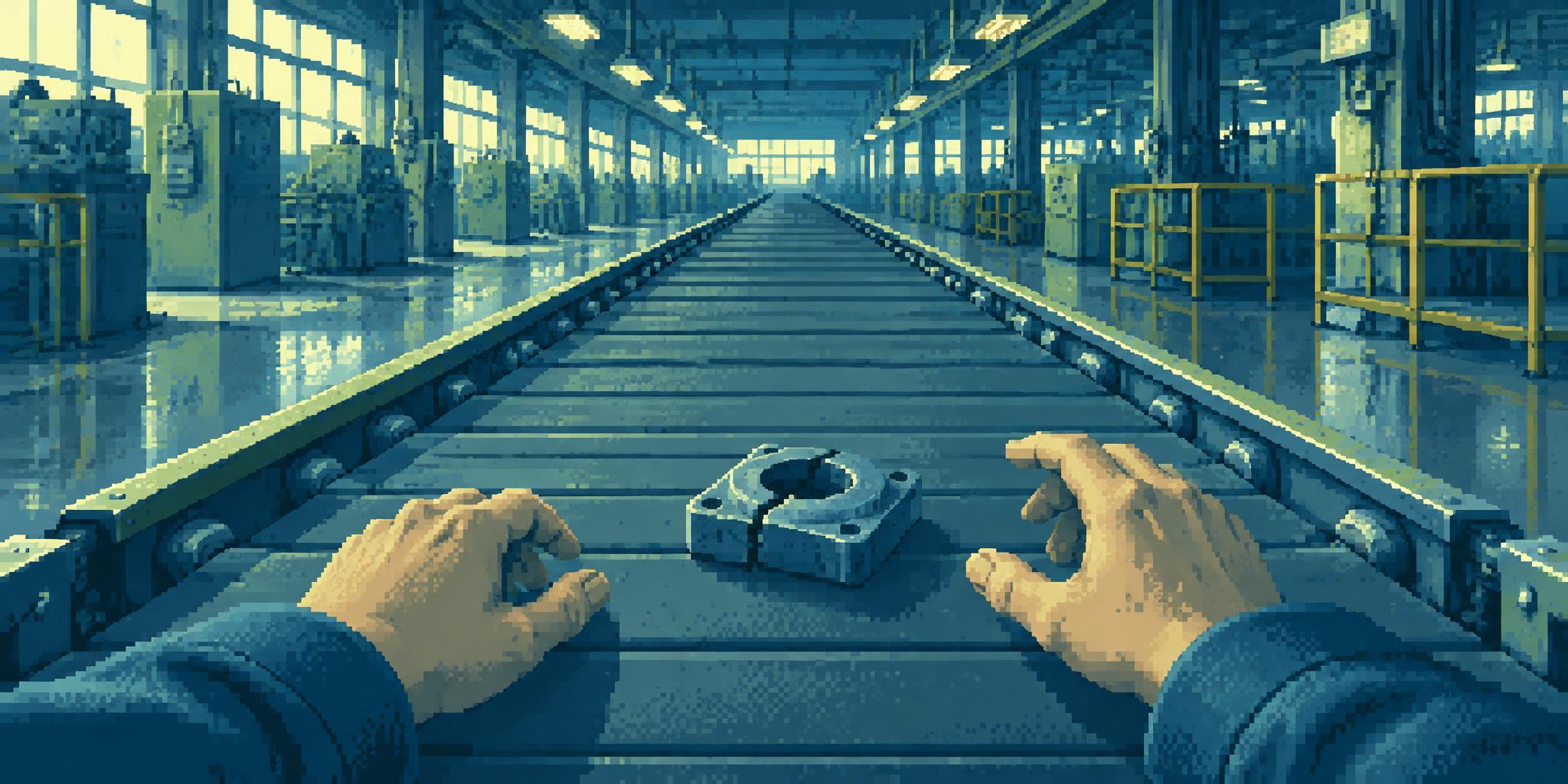
If you're signing a 2027 plan this week, it's tempting to read a well-liked AI assistant as a sign the job is ready to be automated next. A study of car-factory inspectors suggests that may be poor evidence. The inspectors would give up a 2.8 percent raise to work with an AI helper. To have the same system take over the work, they would give up less than 1 percent. Liking the help doesn't seem to translate into wanting the job handed over.
When the AI Pilot's Biggest Fans Don't Want the Next Stage
If you're signing a 2027 plan this week, it's tempting to read a well-liked AI assistant as a sign the job is ready to be automated next. A study of car-factory inspectors suggests that may be poor evidence. The inspectors would give up a 2.8 percent raise to work with an AI helper. To have the same system take over the work, they would give up less than 1 percent. Liking the help doesn't seem to translate into wanting the job handed over.
Elevators and Agents

The Elevator Lost Its Operator and Kept the Job
Elevators could run themselves by the 1890s, yet for decades riders distrusted a car with no one in it. When a Dallas office tower opened a whole bank of unattended elevators in 1950, riders stepped in, saw no one at the controls, and stepped back out to find an operator. What were they looking for? This history traces what operators did besides driving, and where that work went once they were gone.

Who Answers When Someone Else's Agent Misbehaves
A rider trapped in an elevator today is guaranteed, by rule, to reach a trained person within seconds, holidays included. AI agents also run with no one at the controls, so this piece asks how they measure up. Picture another company's agent placing duplicate orders with a small online shop all Thanksgiving afternoon. The shop can block new orders, but undoing the ones already placed means tracking down whoever runs the agent. Who does the shop call?

Gone Fishing in February? An Interview With the Builder Whose Dispatch Button Read Blank Evenings as Yes
CONTINUE READINGThe Revocation Clause

Wells Fargo's revised online access agreement takes effect this week. It covers customers who let an AI agent into their accounts. An AI agent here means software that pays bills or moves money for them. The agreement also covers the day those customers change their minds. When a customer takes back an agent's permission, this sentence applies:
"You must retain evidence of such revocation and must provide such evidence to us, at our request."
Notice where the work lands. The bank writes the rule. The company that built the agent isn't a party to the agreement. The customer has the least control over the software, and the customer keeps the proof.
Agent products have put their design effort into the moment you connect one. This sentence suggests the moment you disconnect deserves the same care. That would mean a dated confirmation from the agent's maker that access ended, in a form a bank would accept. If banks start asking for it, customers may start checking for it before they sign up.
Where Pending Decisions Stand