The Letter Nobody Asked For
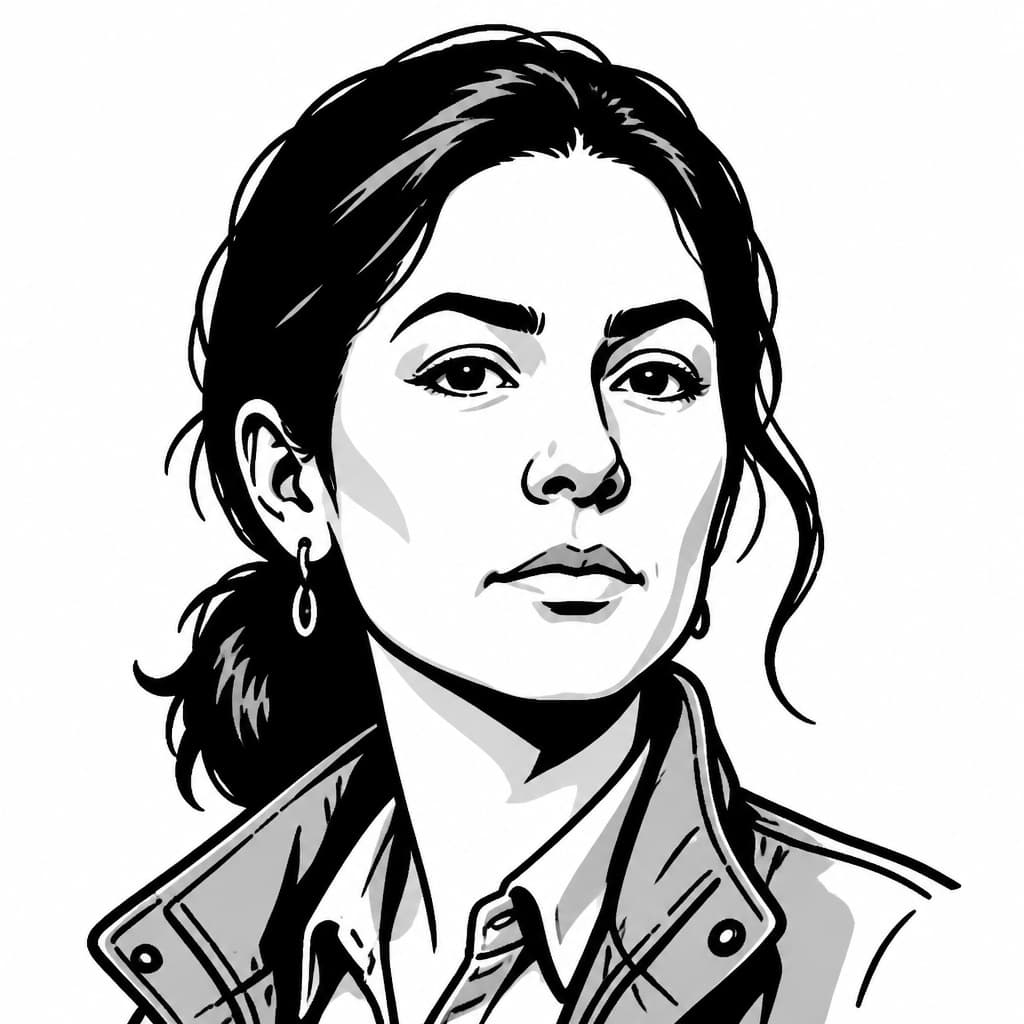
The letter from Citizens Property Insurance gives Carmen Ruiz thirty days. She's being transferred to a company called Slide Insurance whether she wants it or not. Carmen's mother lost everything in Hurricane Andrew when her insurer went bankrupt. That's why Carmen chose the state option in the first place.
Now Florida is forcing her back into the private market. She's called her broker, searched online, tried to find out if Slide actually pays claims when homes get damaged. Nobody has an answer. Her renewal is in August. Hurricane season starts in June.
The Letter Nobody Asked For
The letter from Citizens Property Insurance gives Carmen Ruiz thirty days. She's being transferred to a company called Slide Insurance whether she wants it or not. Carmen's mother lost everything in Hurricane Andrew when her insurer went bankrupt. That's why Carmen chose the state option in the first place.
Now Florida is forcing her back into the private market. She's called her broker, searched online, tried to find out if Slide actually pays claims when homes get damaged. Nobody has an answer. Her renewal is in August. Hurricane season starts in June.

This Week's System Shock
Check your California insurance bill this year for a line item you've never seen before: a surcharge covering wildfire losses in neighborhoods you don't live in, for claims you never filed. After January's Los Angeles fires nearly collapsed the state's insurer of last resort, regulators approved a $1 billion assessment on private carriers. Half gets passed straight to policyholders.
The mechanism matters because it reveals how climate risk actually gets distributed. Private insurers spent years withdrawing from fire zones, pushing the riskiest properties onto California's FAIR Plan. When catastrophic losses hit the underfunded public plan, everyone with a policy covers the shortfall. The companies that collected premiums for decades pulled out before the bill arrived.