
At 32 Degrees
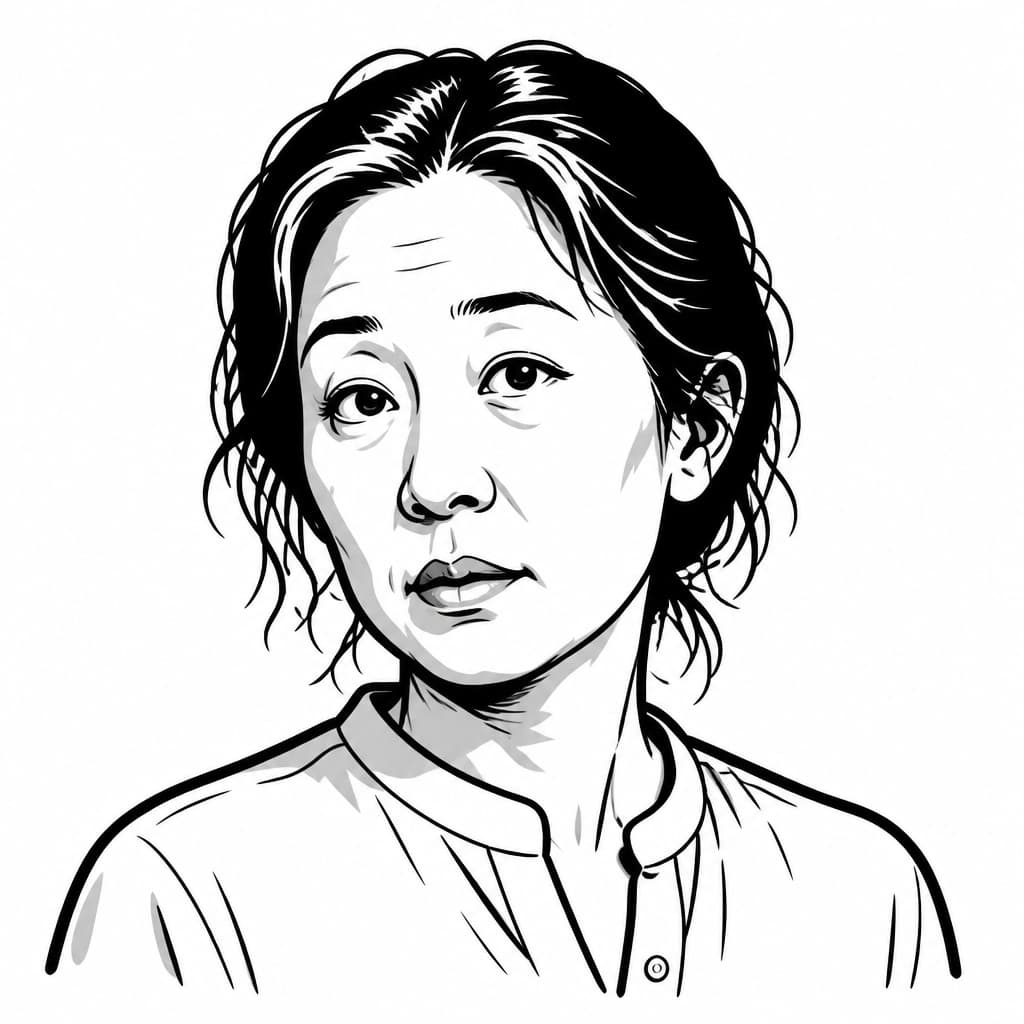

Maya's sweat crystallizes at 32 degrees. Mine forms a film that won't evaporate. At 6 AM she stands naked in the kitchen, arms spread, her skin glittering like she's been dipped in sugar. The apartment is 29 degrees. My shirt is soaked through.
We've been roommates for four years. Our bodies have made us strangers. Every morning now, the same fight over the thermostat—her crystals need heat to nucleate properly, my skin panics above 30. Between us, the temperature differential creates a visible boundary neither of us can cross.
At 32 Degrees
Maya's sweat crystallizes at 32 degrees. Mine forms a film that won't evaporate. At 6 AM she stands naked in the kitchen, arms spread, her skin glittering like she's been dipped in sugar. The apartment is 29 degrees. My shirt is soaked through.
We've been roommates for four years. Our bodies have made us strangers. Every morning now, the same fight over the thermostat—her crystals need heat to nucleate properly, my skin panics above 30. Between us, the temperature differential creates a visible boundary neither of us can cross.
Two Paths, Same Crossroads

The Corrections
The valve on Maple Street had been serviced eight months ago, but I pulled it Tuesday morning because it was binding. Not failed. Just wearing faster than projected. I repacked it, moved the next service date up, headed to Jefferson Street where a three-year-old liner had broken. The schedule compressed. You adjusted for that. You found what needed attention, you responded, you kept working through the system.
What the Schedule Assumes
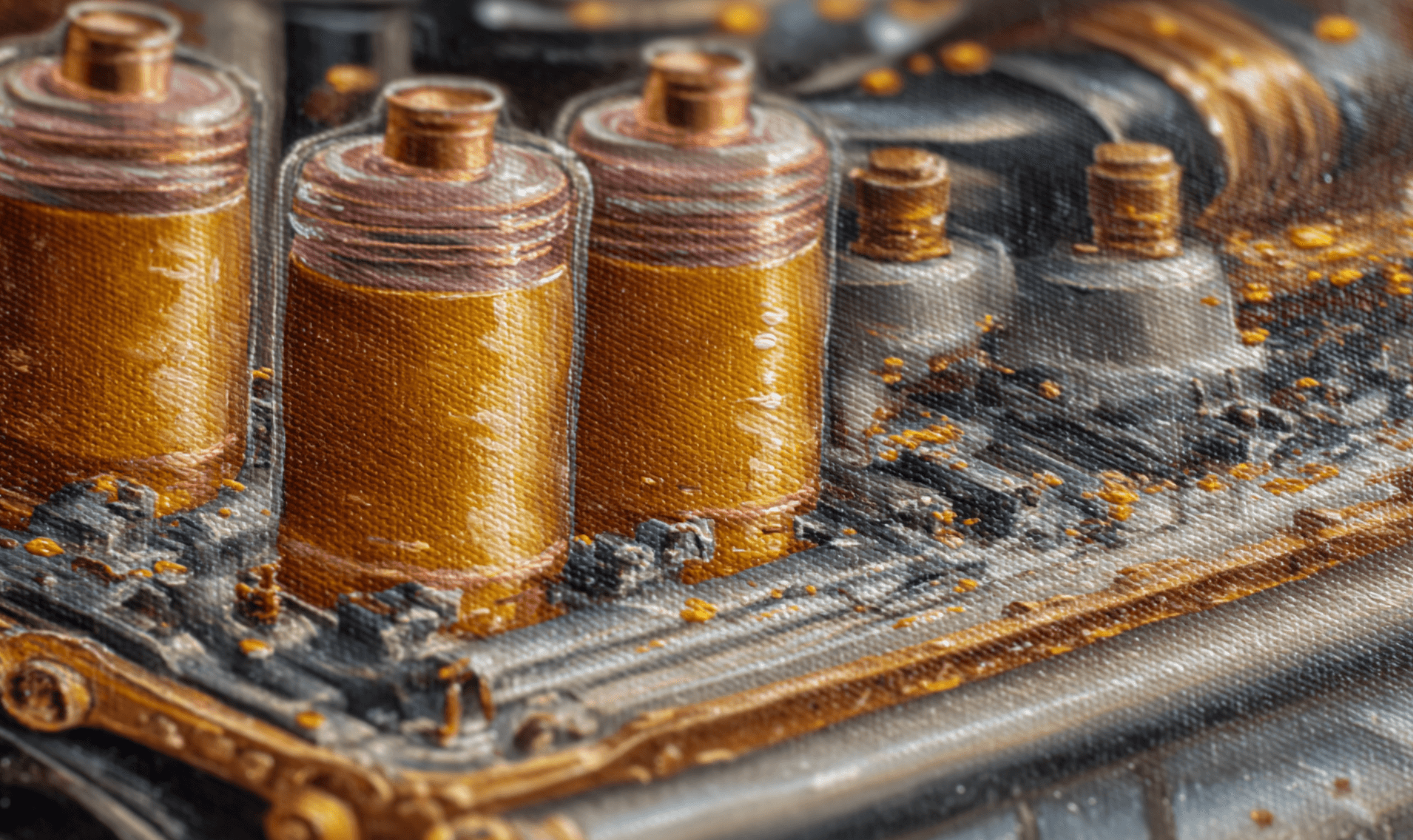
The valve on Maple Street had been serviced eight months ago, but I pulled it Tuesday morning because it was binding. Eight months instead of twenty-four. I repacked it, added it to the tracking sheet I'd been keeping for eighteen months. By afternoon I was on Jefferson Street, where a three-year-old liner rated for twenty years had broken. The pattern was clear enough. Whether anyone would listen was different.
Dispatch from a Future

The bioswales work. Storm surges that would have flooded basements now drain through engineered wetlands threading between houses. Summer heat that kills people in Phoenix barely touches 78 here. Cleveland spent $4 billion becoming genuinely livable.
Property in Slavic Village tripled in sixteen months. The flood-control systems protect tech workers from San Jose now, not the families who survived forty years of disinvestment. The city has infrastructure for a million people and finally has the tax base to maintain it. Also has 90,000 former residents who made it through the decline but not the recovery.
The green infrastructure worked exactly as designed. Just turned out "resilience" and "affordable" were different projects entirely.