
When the Migration Routes Closed
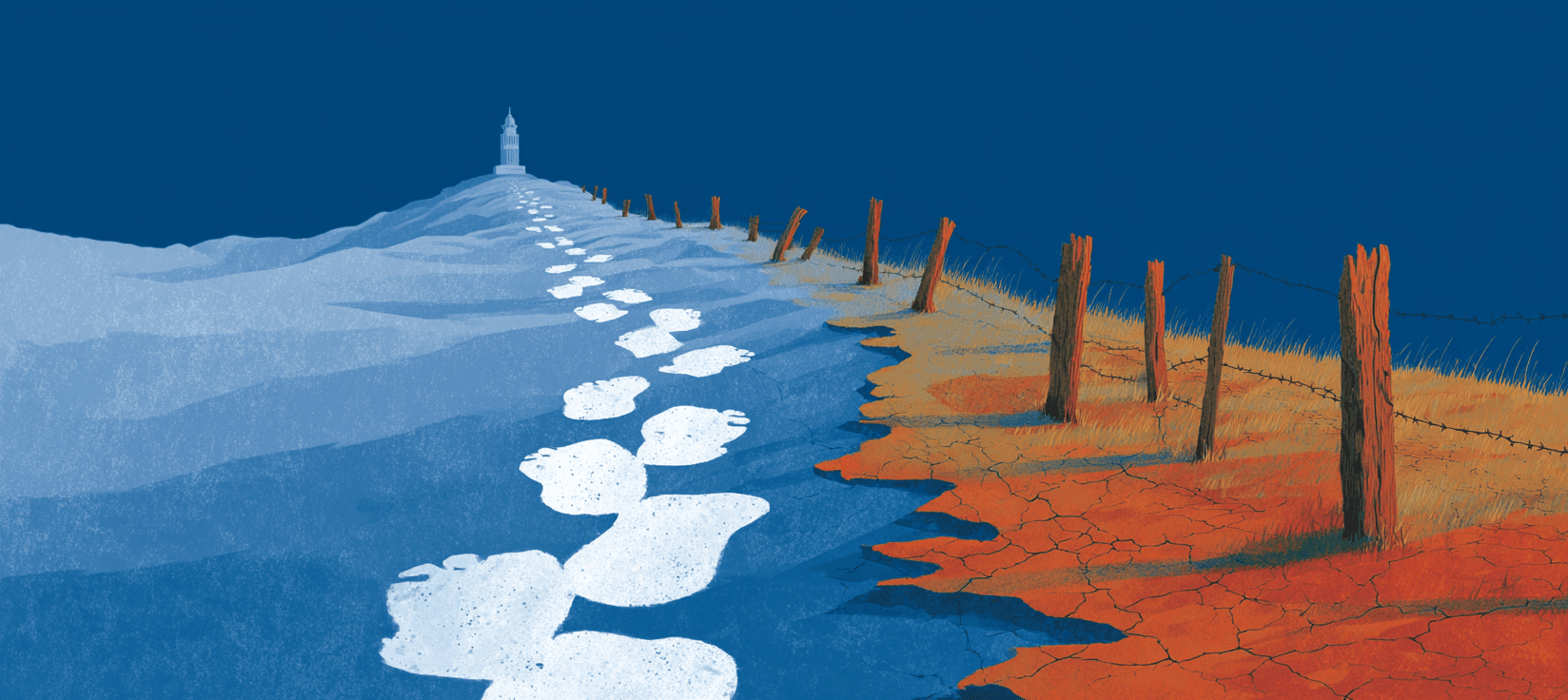
The goats died first in 1972, then the sheep, then the cattle across northern Mali. Tuareg families who had followed seasonal migration routes for centuries moved south to survive the drought. They thought it might be temporary—wait for rains, rebuild herds, return north. That's how the system had always worked.
They never went back. The families who migrated south settled in territories where they'd only ever passed through. Farmers who'd tolerated seasonal herders suddenly had permanent neighbors. The routes closed. Fifty years later, the geography that emerged from that closure is still killing people.
When the Migration Routes Closed
The goats died first in 1972, then the sheep, then the cattle across northern Mali. Tuareg families who had followed seasonal migration routes for centuries moved south to survive the drought. They thought it might be temporary—wait for rains, rebuild herds, return north. That's how the system had always worked.
They never went back. The families who migrated south settled in territories where they'd only ever passed through. Farmers who'd tolerated seasonal herders suddenly had permanent neighbors. The routes closed. Fifty years later, the geography that emerged from that closure is still killing people.

An Interview with the Ottoman Tax Collector Who Couldn't Collect Taxes That Didn't Exist
CONTINUE READINGHistory Echoes This Week

Altadena residents are knocking on doors with clipboards, tracking respiratory problems and cardiac events their neighbors experienced after last year's fires. Official counts miss most of it. Cedars-Sinai found heart attacks spiked 47% in the three months following the fires. Community groups are documenting toxic exposures from what UCLA researchers called the "toxic soup" of burning homes, lithium batteries, asbestos insulation.
This happened before. In 1978, when New York health officials dismissed concerns about Love Canal, Lois Gibbs went door-to-door herself. She surveyed hundreds of neighbors, documenting miscarriage clusters and birth defects that formal agencies had overlooked. Her informal data forced government action, relocated 833 families, created Superfund legislation. Grassroots health tracking works when official systems fail to see what's happening.