Walking the Wellfield

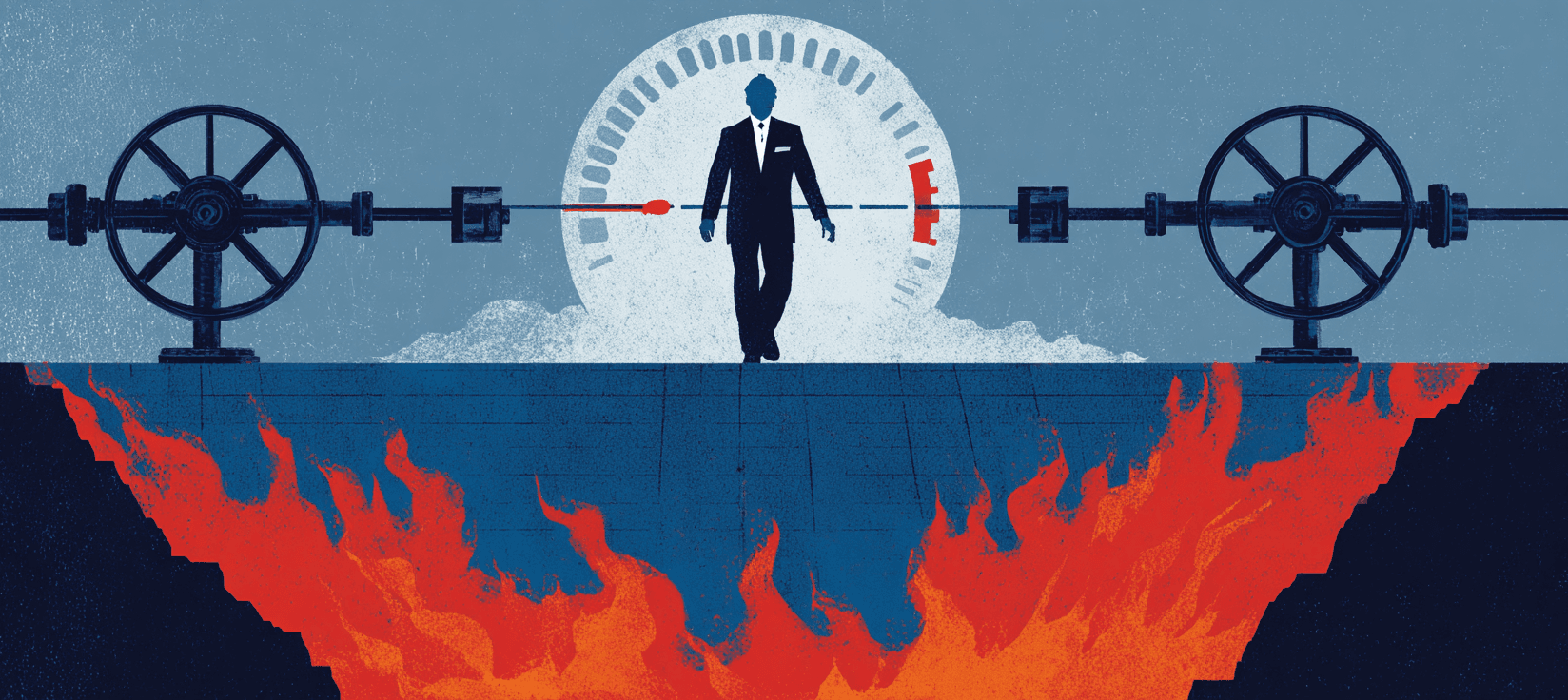
The first well is running 52 inches of water column when we reach it at dawn. Too high. He backs off the valve a quarter turn, watching the vacuum gauge drop to 48. The methane content climbs from 42% to 46%. "Corporate wants maximum capture," he says. "But pull this hard and you're sucking air into the waste mass. Oxygen starts fires."
He's the operations manager at the WM Salem Landfill in Opelika, Alabama, walking 127 extraction wells every morning trying to find the impossible balance: pull hard enough to feed the $50 million renewable natural gas facility, or back off enough to avoid starting a subsurface fire that could burn for months. There's no setting where both work.
Walking the Wellfield
The first well is running 52 inches of water column when we reach it at dawn. Too high. He backs off the valve a quarter turn, watching the vacuum gauge drop to 48. The methane content climbs from 42% to 46%. "Corporate wants maximum capture," he says. "But pull this hard and you're sucking air into the waste mass. Oxygen starts fires."
He's the operations manager at the WM Salem Landfill in Opelika, Alabama, walking 127 extraction wells every morning trying to find the impossible balance: pull hard enough to feed the $50 million renewable natural gas facility, or back off enough to avoid starting a subsurface fire that could burn for months. There's no setting where both work.

The Espresso Machine Maker Who Can't Get Parts Anymore
CONTINUE READINGThis Week's System Shock
The USDA eliminated farmers' ability to buy extra prevented planting coverage starting with 2026 crops. The November rule change kills buy-up protection that 90% of South Dakota Farmers Union members purchased, according to the organization's president. Nearly 5 million acres went unplanted nationwide in 2025.
The agency claims the coverage "mainly benefits" Dakotas farmers in high-risk zones, though Arkansas, Mississippi, and Texas see frequent prevented planting claims too. At the same time, subsidies jumped to 80% for other coverage types. Farmers have until March 15 to reconfigure their insurance, weighing lost planting protection against cheaper alternatives for different risks.