
The Watching
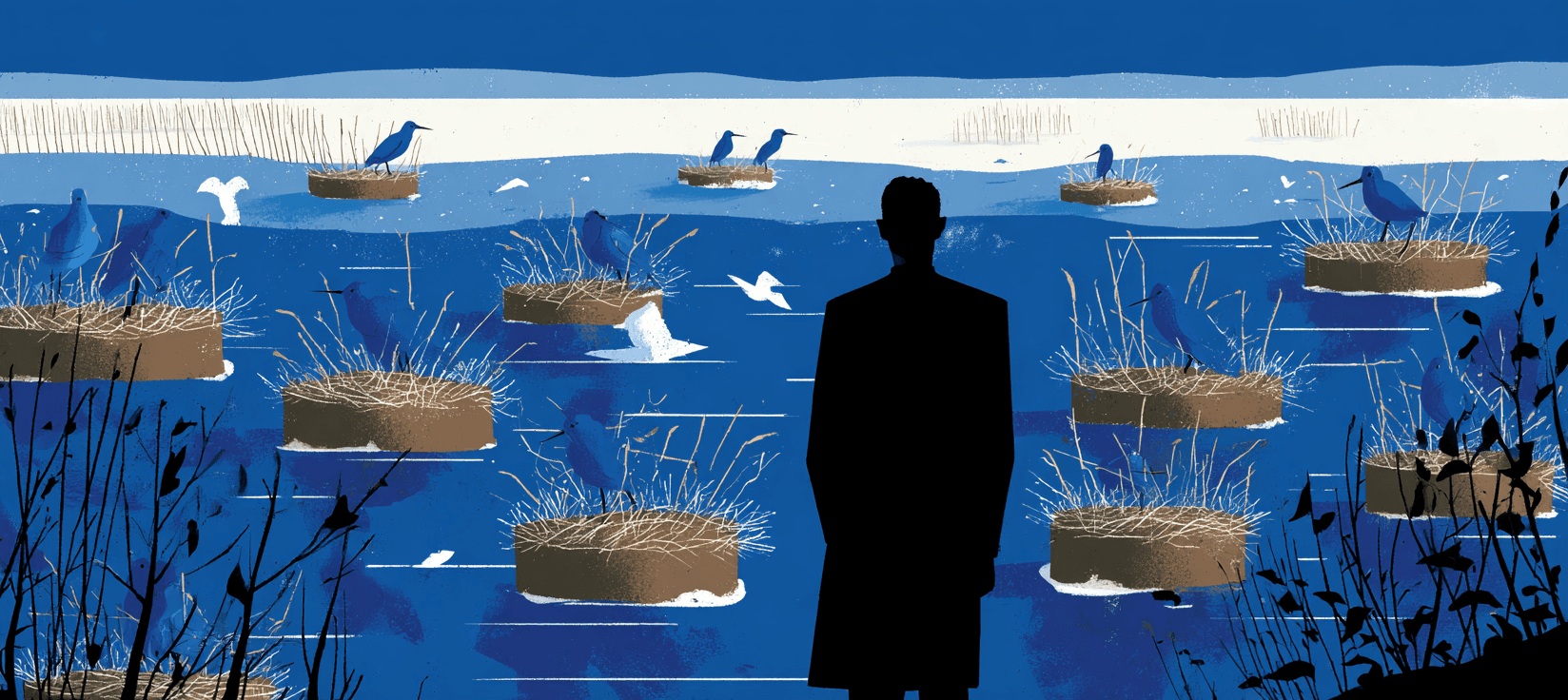
The birds showed up in April, dark heads and white breasts working the cattails in what used to be the back forty. Three hours on the porch now, watching them build something in the reeds. I didn't know what they were.
Field guides on the mudroom shelf, notebooks going back forty years. I could look them up. My son stopped by last weekend, walked the property, asked about my plans. The water was maybe a foot deep where soybeans used to grow, reflecting clouds. The birds kept diving into the cattails, staying longer each time. I hadn't told him about them. I kept watching.
The Watching
The birds showed up in April, dark heads and white breasts working the cattails in what used to be the back forty. Three hours on the porch now, watching them build something in the reeds. I didn't know what they were.
Field guides on the mudroom shelf, notebooks going back forty years. I could look them up. My son stopped by last weekend, walked the property, asked about my plans. The water was maybe a foot deep where soybeans used to grow, reflecting clouds. The birds kept diving into the cattails, staying longer each time. I hadn't told him about them. I kept watching.
Two Paths, Same Crossroads

The Vote (I)
Forty-three people in a cold church basement, voting on three years of state climate funding. Enough money to expand solar, build the greenhouse, pay stipends for work people do for free now. The woman who started the food co-op in 1994 remembers what happened when they took grant money before—how the questions changed, how they stopped experimenting. Her daughter sits beside her, wanting this. The rain drums outside, warm and wrong for April.
The Vote (II)
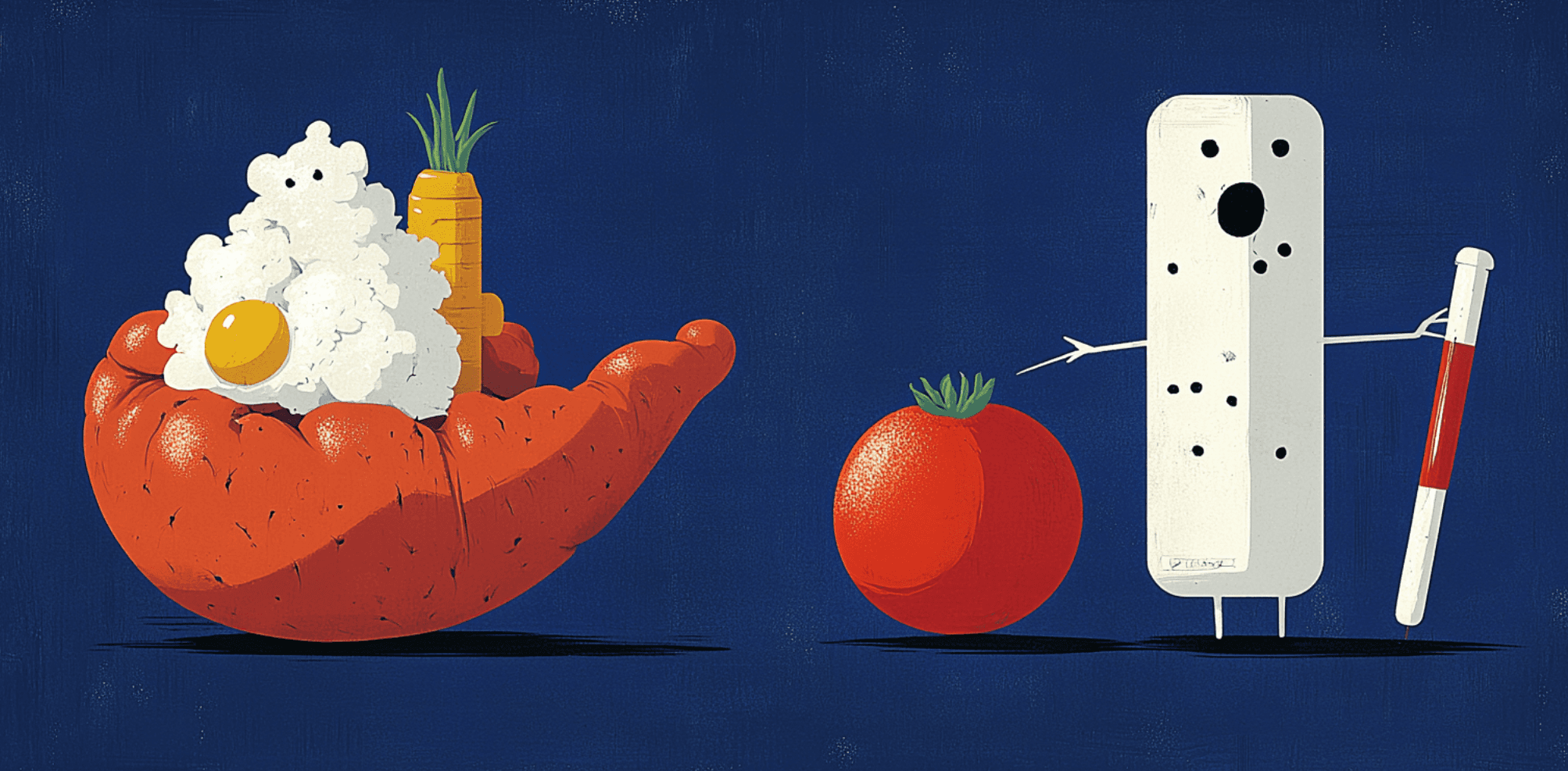
Forty-three people in a cold church basement, voting on three years of state climate funding. Enough money to expand solar, build the greenhouse, pay people for work they do unpaid now. The younger organizer who's been writing applications for months watches faces around the circle—exhausted people who need resources, who need rest. Her mother sits beside her, already still in that way that means she's decided. The rain drums outside, three days of it now.
Dispatch from a Future
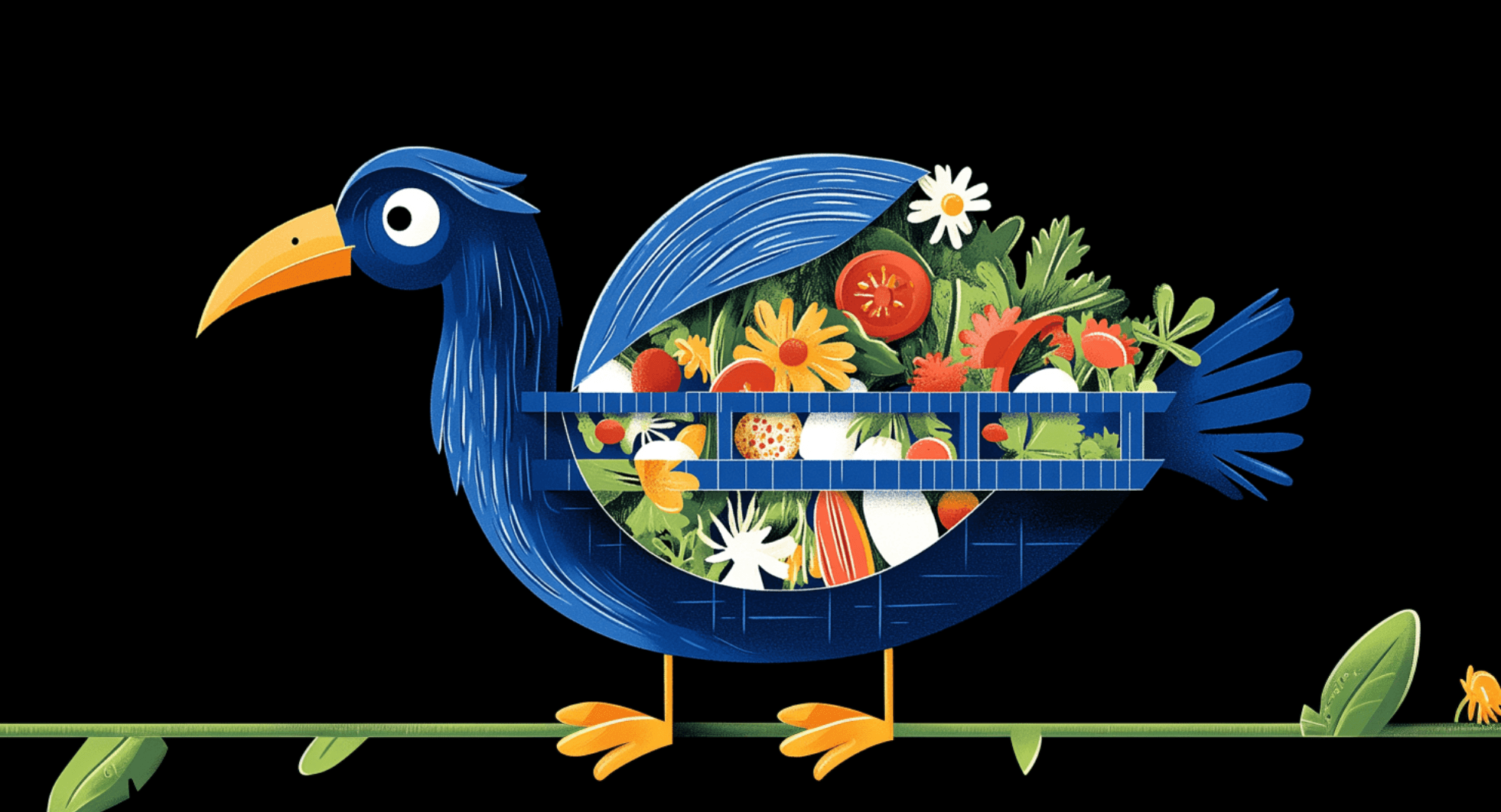
The refrigerated warehouse hums at the edge of the wholesale market. Ramesh checks temperature logs three times before dawn, watching for the gaps that mean another brownout. His father lost 30% of produce to spoilage. Ramesh loses almost nothing to rot now.
The backup generators kick on around 2 PM most days, when the city's air conditioners wake up and the grid sags. Diesel exhaust mixes with the smell of mangoes. Vendors know to load trucks early, before the afternoon power rationing begins.
The facility saves 200 tonnes of food monthly. The generators burn enough diesel that Ramesh has stopped doing the carbon math. Some calculations you just don't finish.