
The Invention of the Threshold

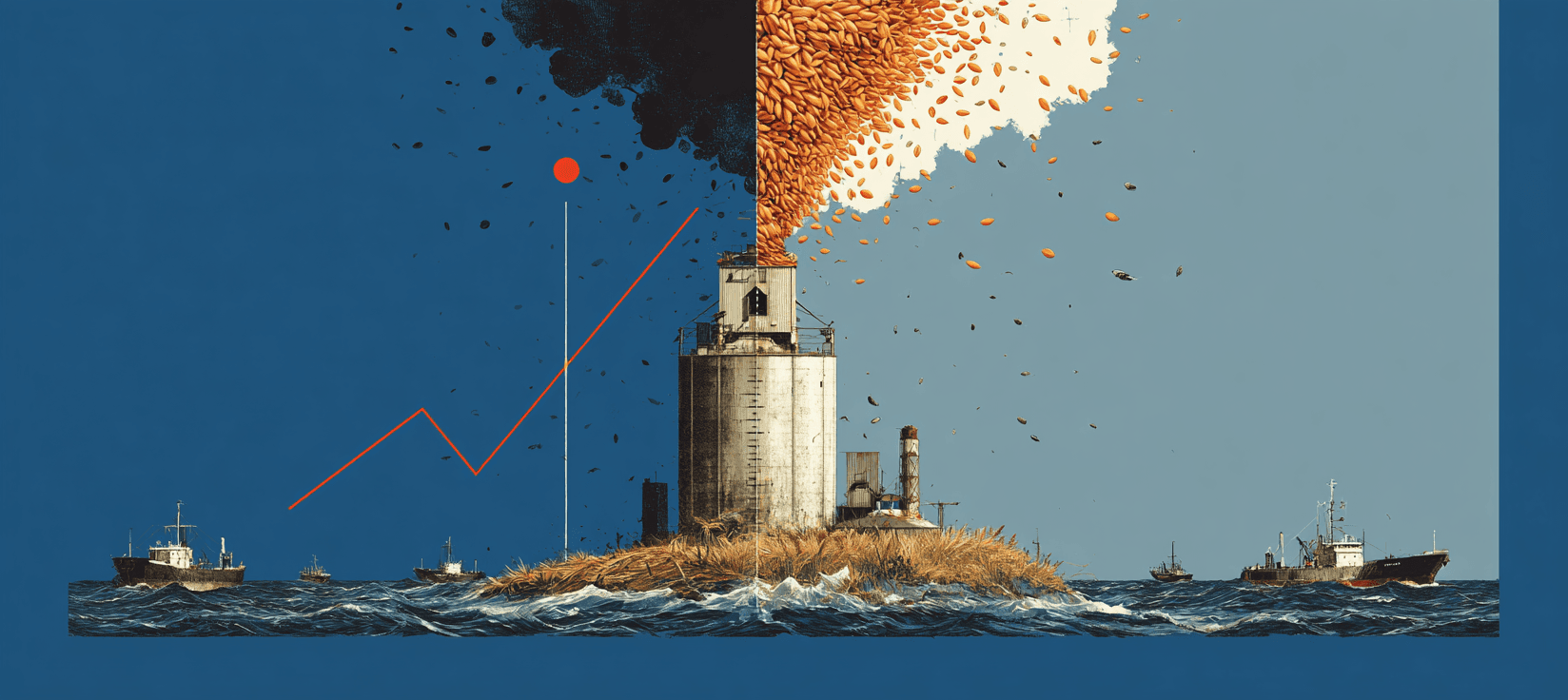
In January 1877, sixty-eight thousand people gathered on a plain outside Delhi to celebrate the British Empire's grandest pageant while, a thousand miles south, starving refugees died in front of guarded grain stores. The famine killed millions. What the Empire built afterward lasted longer than any monument. It was a protocol.
A commission sat down to ensure the catastrophe wouldn't repeat and produced the world's first codified disaster-response thresholds. They saved lives for decades, and they required someone to answer a question that had never been formalized before: exactly how much suffering must accumulate before a state is obligated to act? The man who answered it had already proven, once, that the suffering was unnecessary.
The Invention of the Threshold
In January 1877, sixty-eight thousand people gathered on a plain outside Delhi to celebrate the British Empire's grandest pageant while, a thousand miles south, starving refugees died in front of guarded grain stores. The famine killed millions. What the Empire built afterward lasted longer than any monument. It was a protocol.
A commission sat down to ensure the catastrophe wouldn't repeat and produced the world's first codified disaster-response thresholds. They saved lives for decades, and they required someone to answer a question that had never been formalized before: exactly how much suffering must accumulate before a state is obligated to act? The man who answered it had already proven, once, that the suffering was unnecessary.
The Eligibility Line

The Famine Codes didn't withhold food. They sequenced it. Before grain moved, a official sorted bodies into categories: who could swing a pickaxe, who could carry a basket, who was too shattered to do either. That last group received "gratuitous relief," the designation for people whose visible ruin exempted them from labor. Everyone else earned their calories.
The architecture survived the empire that built it. FEMA's benefit-cost analysis now performs the same operation at property scale, requiring a home to justify its own rescue before mitigation dollars arrive. Appraisal values do the classifying. In communities where decades of discriminatory valuation suppressed home prices, the formula sorts people out before anyone reviews a claim. The sequence holds: categorize the sufferer, then decide what they deserve.

William Digby Had 1,100 Pages of Evidence and Nobody in Calcutta Would Read Them
CONTINUE READINGThe Override

The Rice Existed
Bengal had a protocol for famine. Six decades of refinement, tested and ready. Declare famine, trigger mandatory relief. In 1943, with rice prices tripling and people collapsing in the streets of Calcutta, the provincial government chose not to declare. The protocol sat on a shelf. Three million starved. The rice, as an economist who'd witnessed it as a hungry nine-year-old later proved, was there the whole time.

They Had All the Information
Ethiopia had an early warning system, and it worked. By 1981 the data showed crop failure spreading across the northern highlands. By 1983 the head of the country's own relief commission was, in his words, shouting his lungs out. The information reached every desk that mattered. Nobody acted. A military regime that had learned one specific lesson from the emperor it overthrew made sure of that.
Protocol and Politics