
The Tide Chart Economy

My boots are still caked with Dulac mud from watching those guys clear drainage ditches on Saturday, which feels about right for trying to think through what's actually happening down here. This isn't a storm story or even really a flooding story—it's watching people organize their entire lives around tide charts, building informal systems because the formal ones just stopped working. WhatsApp groups tracking water levels. Families doing impossible math about staying versus leaving.
What I want to understand over the next few months: how these daily calculations change when the tides get worse, what happens to the community when more young families quietly slip away, whether the informal networks can actually hold when infrastructure keeps failing. Because right now it feels like I'm watching something shift in real time, and I'm not sure yet what it's shifting into.
The Tide Chart Economy
My boots are still caked with Dulac mud from watching those guys clear drainage ditches on Saturday, which feels about right for trying to think through what's actually happening down here. This isn't a storm story or even really a flooding story—it's watching people organize their entire lives around tide charts, building informal systems because the formal ones just stopped working. WhatsApp groups tracking water levels. Families doing impossible math about staying versus leaving.
What I want to understand over the next few months: how these daily calculations change when the tides get worse, what happens to the community when more young families quietly slip away, whether the informal networks can actually hold when infrastructure keeps failing. Because right now it feels like I'm watching something shift in real time, and I'm not sure yet what it's shifting into.
Choosing Different Futures
When Your Neighbors Become Your Rebuilding Plan
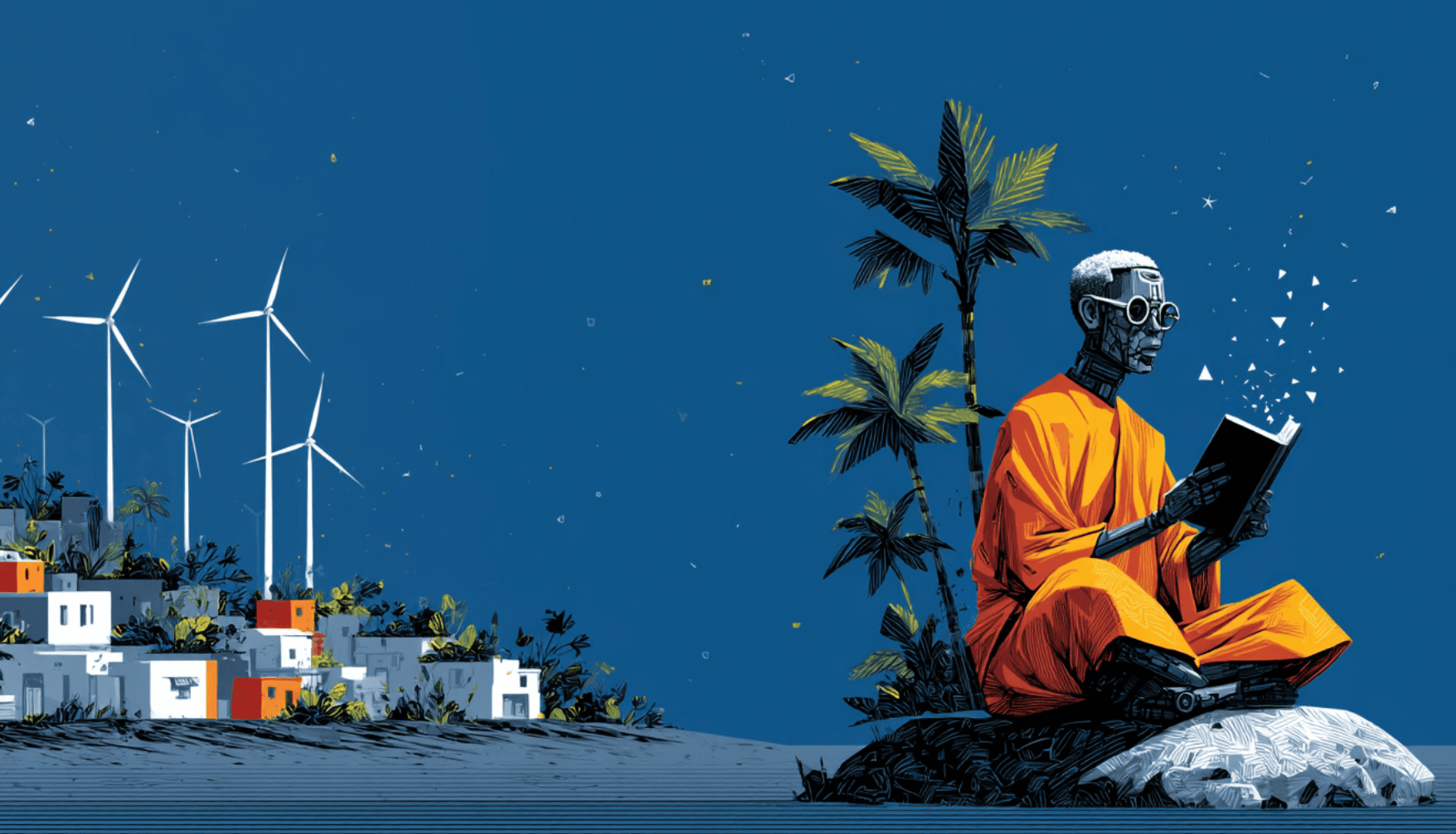
Sat through three neighborhood meetings in Pacific Palisades before I understood what was actually happening. Kept thinking these families were in denial about fire risk, but they're doing something my grandmother's highland farming community would recognize instantly—building the kind of mutual aid network that makes survival possible when the math doesn't work. They know another fire could come. They're choosing to rebuild anyway because the alternative means starting over alone somewhere else. Not sure I'd make the same choice, but I finally get why it's not irrational.
Starting Over Where the Wind Doesn't Bring Fear
The family that sold their burned lot and left kept apologizing for their choice, which messed me up more than I expected. They could have afforded to rebuild—barely—but their eleven-year-old couldn't sleep when the wind picked up. So they chose Carlsbad over community, their son's mental health over neighborhood solidarity. They feel like they abandoned something important, and maybe they did. But watching them try to justify leaving while other families coordinate rebuilding efforts made me realize there's no good answer here, just different kinds of loss.
This Week Climate Reality
In August, the town council in Cortez, Colorado voted 4-3 to spend $8.2 million upgrading their water treatment plant rather than investing in new wells. The decision came after three years of watching the Dolores River, their primary source, run lower each summer. Some residents wanted to drill deeper. Others argued that chasing diminishing groundwater was throwing good money after bad.
The council meetings got heated. Ranchers who'd lived there for generations insisted the river would recover. Newer residents pointed to climate projections showing persistent drought. The water manager presented cost analyses for both options, acknowledging that neither guaranteed long-term security.
They chose the treatment plant upgrade, betting on efficiency over expansion. The facility can now reclaim 30% more water from the system, extending their current supply. But it doesn't solve the underlying problem. The river keeps dropping. Some families are already talking about leaving. Others are replanting their yards with native grasses, accepting that the landscape they moved here for is changing whether they adapt or not.
Human Impact Developments
Climate Migrants Abandon Florida for Carolinas, Tennessee
Thirty-nine percent bought homes within their first year—these aren't evacuations, they're relocations.
Fifty million Americans could relocate by mid-century, likely years ahead of earlier projections.
Human Impact Developments
Cities Transform Libraries Into Heat Wave Survival Shelters
Toulouse's 100,000 trees won't mature until 2030 while residents face extreme heat every summer now.
Knowing your nearest climate shelter location shifts from convenience to survival question during heat waves.
Human Impact Developments
AI Heat Maps Reveal Block-by-Block Vulnerability Patterns
High heat vulnerability ratings may decrease neighborhood demand similar to flood zones as risk becomes quantified.
Wealthy cities deploy sophisticated heat prediction while communities facing worst impacts lack funding for basic mapping.
Human Impact Developments
FEMA Awarded Just Two Heat Mitigation Grants Nationwide
Heat kills Americans now but receives almost no disaster funding compared to floods and hurricanes.
NYC's findings will inform street redesigns and help cities develop benefit-cost analyses to compete for scarce federal dollars.