Letter to Be Opened at Eighteen

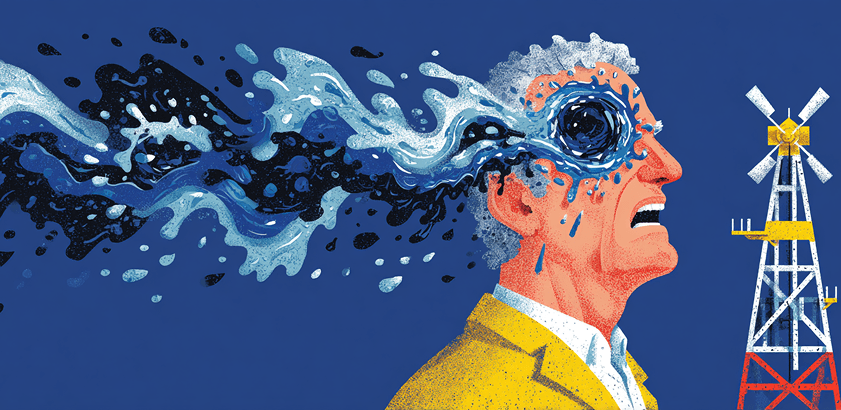
The water came out of the ground at sixty-eight degrees. July in the Hill Country was a hundred and five, and you fell into that river and your whole chest seized and then released and you weren't thinking about anything at all. Nobody checked anything first. You just went.
A mother tries to write that down for her daughter. The daughter knows the river. She's been. But she knows it the way you know weather — something on a phone, something that might or might not cooperate on a given Saturday. The mother keeps trying to explain what carelessness felt like. She keeps stopping.
Letter to Be Opened at Eighteen
The water came out of the ground at sixty-eight degrees. July in the Hill Country was a hundred and five, and you fell into that river and your whole chest seized and then released and you weren't thinking about anything at all. Nobody checked anything first. You just went.
A mother tries to write that down for her daughter. The daughter knows the river. She's been. But she knows it the way you know weather — something on a phone, something that might or might not cooperate on a given Saturday. The mother keeps trying to explain what carelessness felt like. She keeps stopping.
Cast

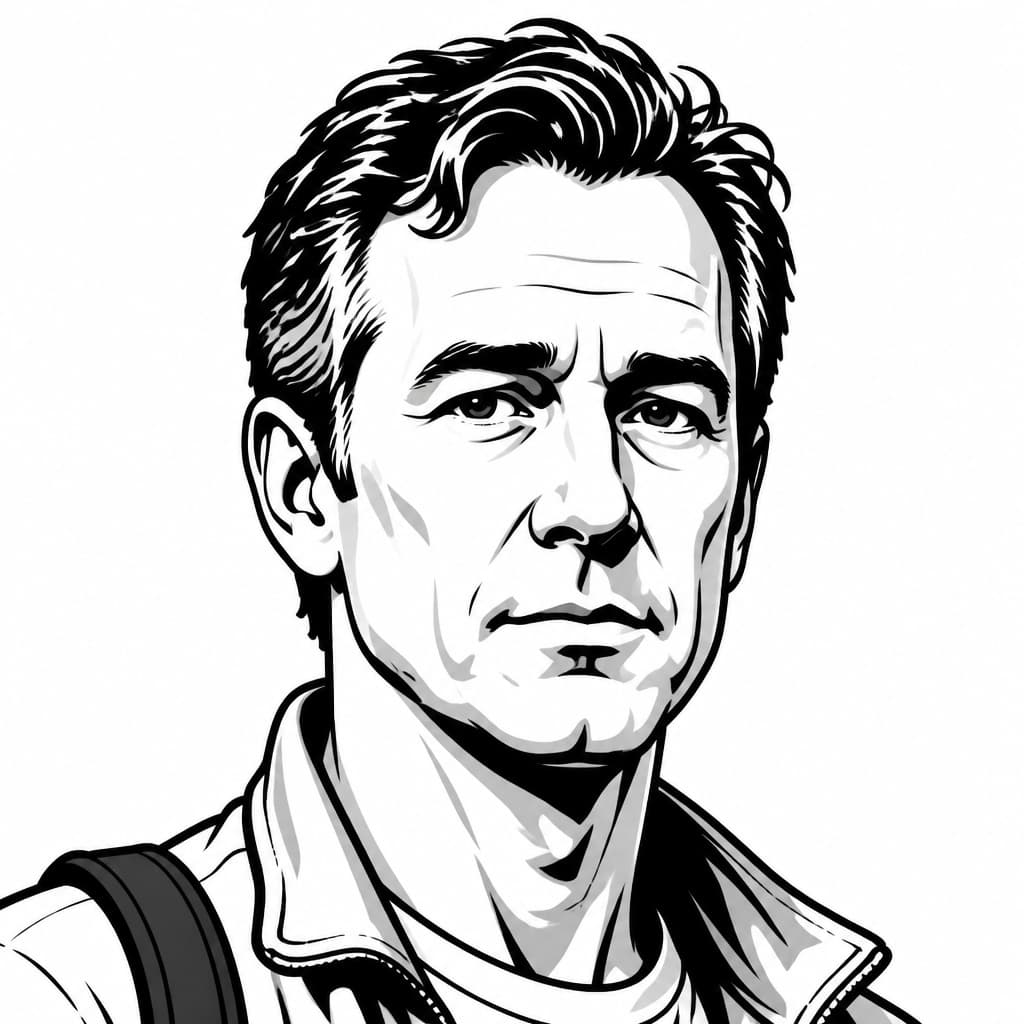
A man sits on a boulder that should be underwater and ties a fly to tippet. Four seconds. The knot is three generations old. Below him, the river runs in a single thread down the center of exposed cobble, pale and chalky where it should be dark with algae. He has brought his son here to teach him to read current, to mend line, to place a caddis on the seam where fast water meets slow. His hands remember everything. The water they remember is gone.
Cast
A man sits on a boulder that should be underwater and ties a fly to tippet. Four seconds. The knot is three generations old. Below him, the river runs in a single thread down the center of exposed cobble, pale and chalky where it should be dark with algae. He has brought his son here to teach him to read current, to mend line, to place a caddis on the seam where fast water meets slow. His hands remember everything. The water they remember is gone.

See Also
Coral reefs are sometimes called "the rainforests of the sea!" These colorful underwater structures are built by tiny animals called coral polyps, which live together with even tinier algae called zooxanthellae (say: ZOH-uh-zan-THEL-ee). The algae give corals their beautiful colors and most of their food through photosynthesis. Talk about teamwork!
Coral reefs covered less than one percent of the ocean floor but supported roughly one quarter of all marine species. Over half a billion people once depended on them for food, jobs, and protection from storms.
To see a reef in full color, visit the NOAA Digital Reef Archive or your local aquarium's Legacy Reef exhibit!
What They'll Inherit