The Vote That Built a Wall (and Then Changed What It Was For)
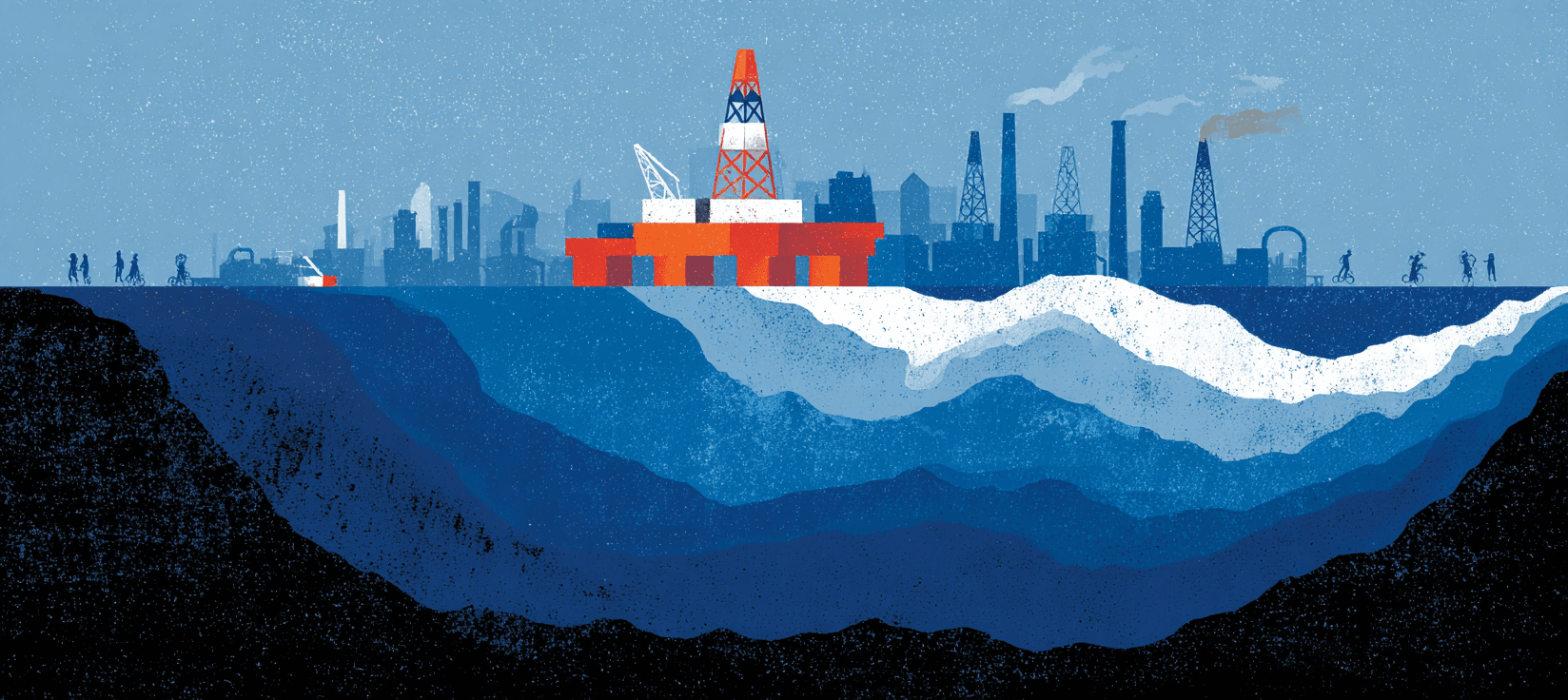
In March 1902, a city still finding bodies from the deadliest natural disaster in American history voted 3,119 to 22 to build a seawall. The wall was for them, for the survivors, for the community that refused to leave. Over 124 years the commitment deepened while what it protected quietly changed. Nobody announced the shift. The $31 billion system now replacing that seawall is designed, by its own description, to safeguard the petrochemical corridor. The homes and families are building west of the barrier, outside its protection.
The Vote That Built a Wall (and Then Changed What It Was For)
In March 1902, a city still finding bodies from the deadliest natural disaster in American history voted 3,119 to 22 to build a seawall. The wall was for them, for the survivors, for the community that refused to leave. Over 124 years the commitment deepened while what it protected quietly changed. Nobody announced the shift. The $31 billion system now replacing that seawall is designed, by its own description, to safeguard the petrochemical corridor. The homes and families are building west of the barrier, outside its protection.
The Expiring Adaptation
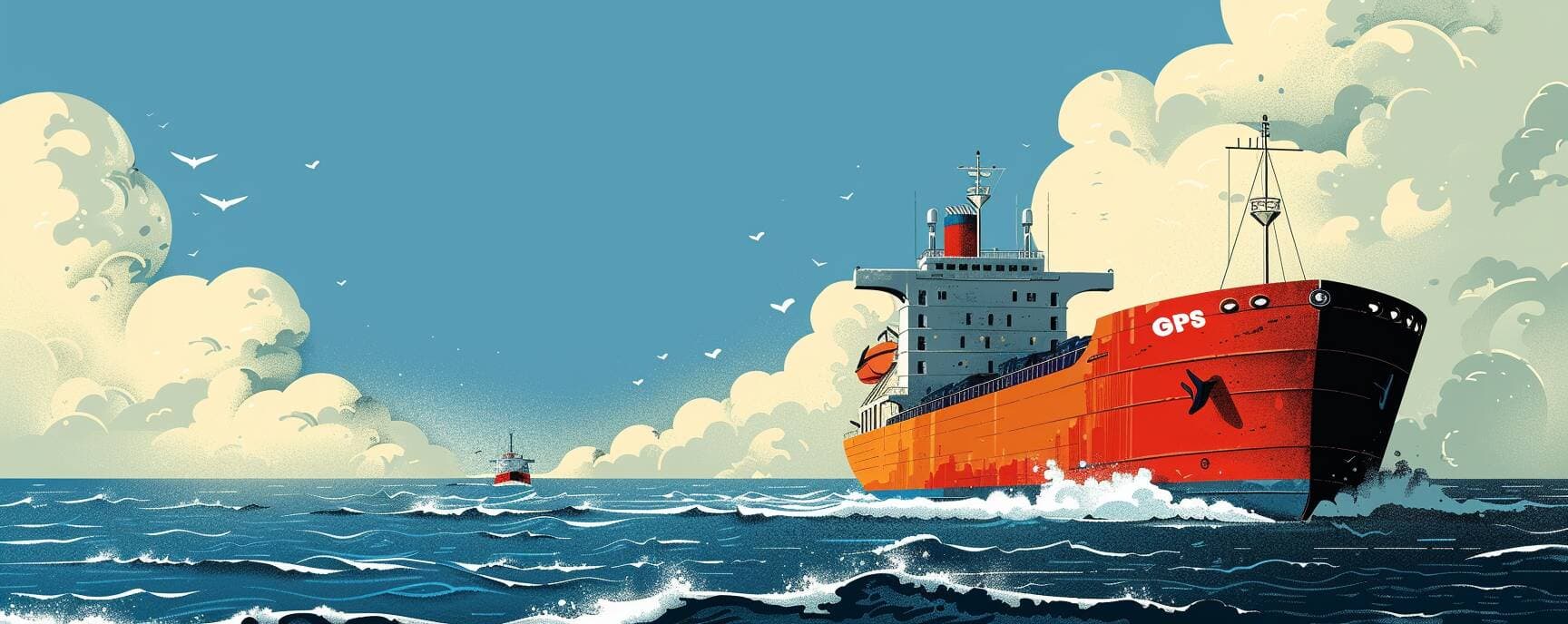
On July 21, 1934, Roosevelt launched the Prairie States Forestry Project. By 1942, crews had planted 220 million trees in a belt stretching from the Dakotas to Texas. Experts said trees couldn't survive on the Plains. Seventy percent did.
Farmers have spent decades tearing them out for center-pivot irrigation and extra crop rows. Nebraska has lost 57 percent of its original plantings. In 2017, the state's first federally planted shelterbelt, near Orchard, was toppled, burned, and buried.
On March 14, 2025, dust storms swept that same geography. Twelve people died across Kansas and the Texas Panhandle.

Triumph and Its Shadow
There Goes Oklahoma
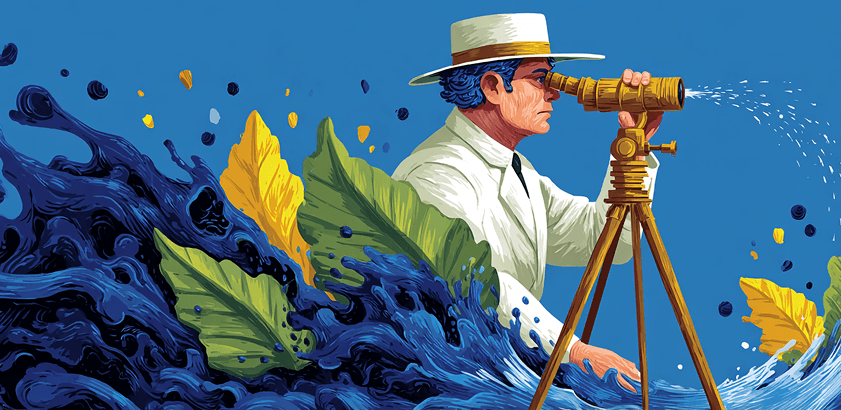
Hugh Bennett stalled before the Senate until a dust storm darkened Washington's windows. The Soil Conservation Act passed without a dissenting vote. To enter the program it created, you had to own the land. Sharecroppers who worked the soil couldn't sign. Bennett preserved the ground and helped dismantle the agrarian culture standing on it. Ninety years later, dust storms still kill people on the same Kansas highways.
Lifting Galveston
After the 1900 hurricane, Galveston put 2,146 buildings on jackscrews and pumped 15 million cubic yards of sand beneath itself. When an equally powerful storm struck in 1915, eight people died instead of thousands. The engineering triumph was real, and irreversible. Once you raise a city, you cannot un-raise it. Sea level rise has already erased nearly half the elevation the engineers added on the bay side.
The Record