

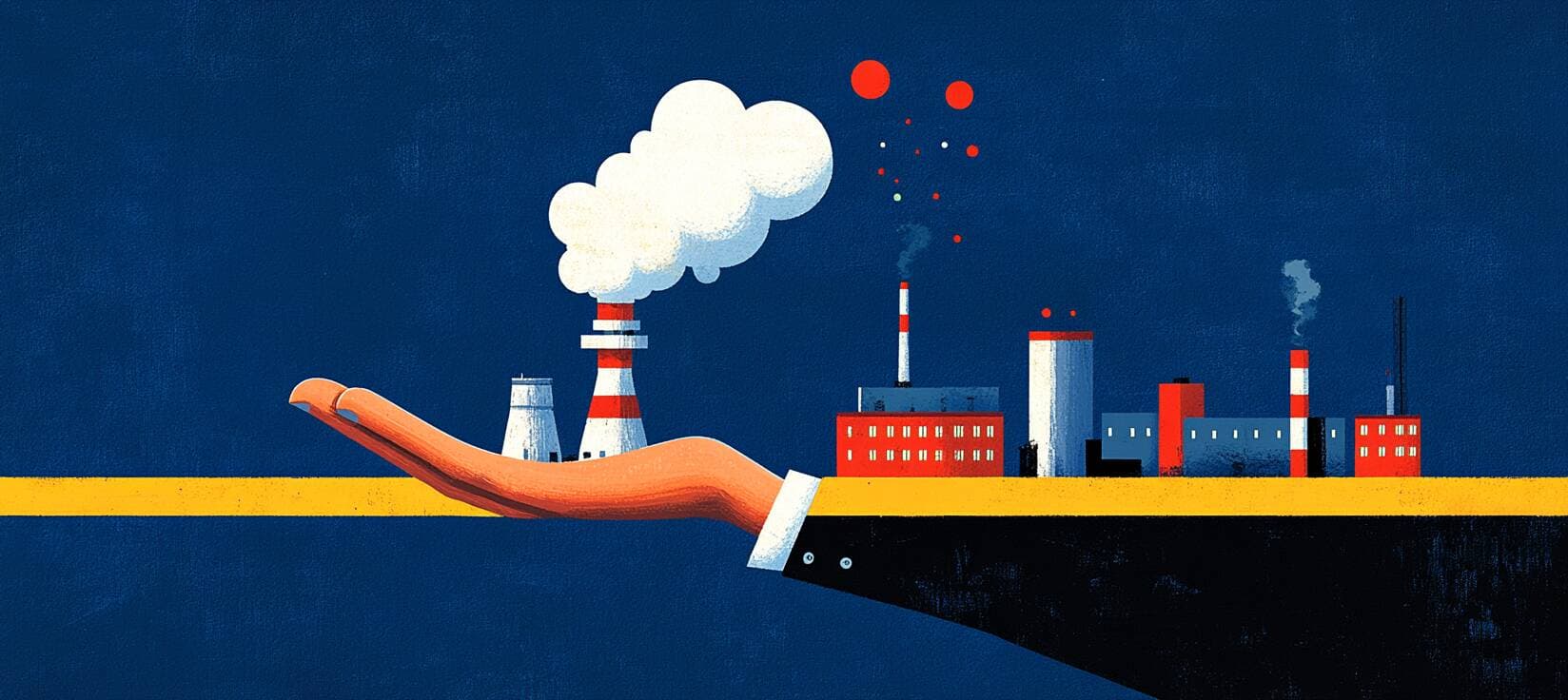
The heat in your apartment, the flood zone under your house, the sun on your back during a twelve-hour shift. You carry the climate risk. But adapting to it often requires permission from someone who doesn't share it.
Six categories of permission barriers sit between people and their own climate adaptation. A lease clause, an HOA covenant, an employer's break policy, a building permit, an insurance contract. Not every barrier applies to every situation, and state law reshapes each one depending on where you live. But most people navigating climate risk will recognize at least one gatekeeper on this list.
Knowing which one is yours changes what questions you need to ask next.
Lease terms: Landlord controls what you install. No federal law requires landlords to provide AC; most states don't either. Your lease may prohibit the window unit you already own.
HOA covenants: Association controls exterior changes. Solar panels, drought-tolerant landscaping, generators — all subject to architectural review. State solar-access laws limit HOA authority in roughly half of states; where none exist, an HOA can ban panels outright.
Employer policies: Employer controls breaks, shade, water access. No federal heat standard sets temperature triggers; six states enforce their own.
Institutional rules: Facility controls temperature and movement. Schools, prisons, hospitals. Occupants can't leave, can't adjust the thermostat, can't choose a cooler room.
Building codes and zoning: Municipality controls what gets built or modified. A backup generator in a flood zone can require electrical, gas, and zoning permits plus an elevation certificate from a licensed surveyor.
Insurance and mortgage terms: Servicer or insurer controls coverage conditions. Nonrenewal, premium spikes, or new mitigation requirements arrive as paperwork, not as climate news, but they dictate what adaptation your home must have and what it will cost to keep.