

The Verification Gap

The investment figure in a deal announcement and the figure in a city's financial statements two years later are often different numbers. They come from different documents, compiled at different stages, measuring different obligations.
An announced state grant typically describes a maximum future authorization. Virginia's Avio Aero package: $97.723 million authorized, capped at $6 million per fiscal year, disbursed only after verified employment and capital investment. Most state programs now operate on post-performance reimbursement. The announced total is the maximum the company can draw if it hits every milestone on schedule.
Hiring lags announcements by 12 to 24 months minimum, per the Reshoring Initiative's methodology. Complex sectors run longer. Verification evidence accumulates in fragments: city ACFRs with GASB 77 disclosures, county assessor rolls updated after certificate of occupancy, state performance reports naming verified jobs against contractual targets. These records become available 24 to 36 months post-announcement. Any ED director benchmarking against a peer city's announced deal before that window opens is benchmarking against the press release, not the outcome.
Weirton's Form Energy Deal, Measured Against Its Own Announced Terms


West Virginia committed approximately $290 million to land Form Energy's iron-air battery factory in Weirton, the largest manufacturing incentive package in state history. Form Factory 1 is operating and shipping product. This piece measures each announced commitment against the public record through August 2026: roughly 400 workers against a 750-job property-transfer gate, no verifiable cumulative investment figure against a $760 million announcement, the largest incentive tranche unconfirmed in amount or payment, and a PILOT whose compliance mechanism is invisible to the taxing bodies that granted the abatement. The verification gaps are the instructive part for anyone structuring performance conditions on a package this size.
Weirton's Form Energy Deal, Measured Against Its Own Announced Terms
West Virginia committed approximately $290 million to land Form Energy's iron-air battery factory in Weirton, the largest manufacturing incentive package in state history. Form Factory 1 is operating and shipping product. This piece measures each announced commitment against the public record through August 2026: roughly 400 workers against a 750-job property-transfer gate, no verifiable cumulative investment figure against a $760 million announcement, the largest incentive tranche unconfirmed in amount or payment, and a PILOT whose compliance mechanism is invisible to the taxing bodies that granted the abatement. The verification gaps are the instructive part for anyone structuring performance conditions on a package this size.
Monitoring Toolkit
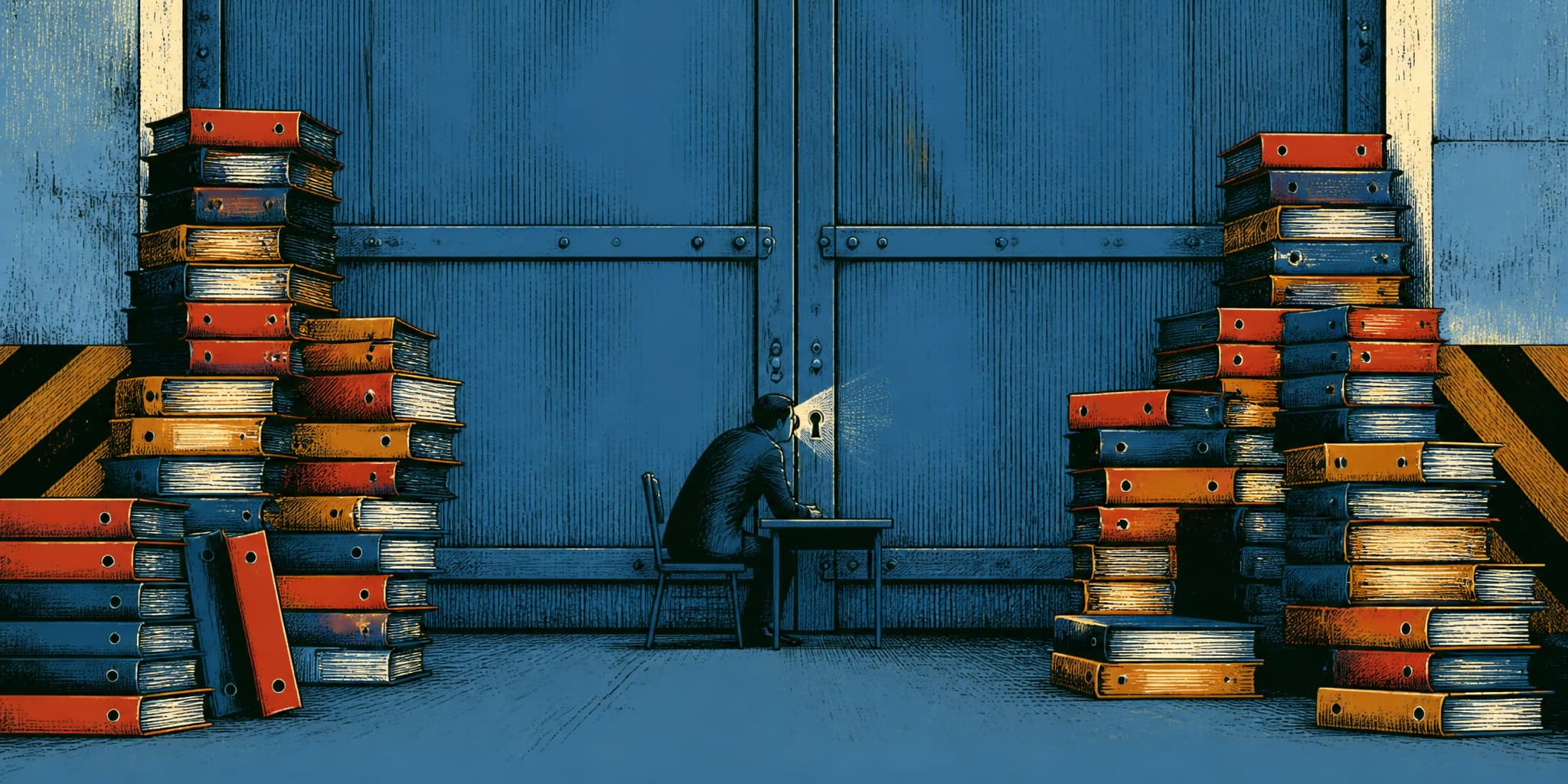
Once the deal closes, the city's visibility into project execution drops to whatever public records generate on their own schedule. The company knows whether equipment is on order, whether commissioning is tracking, whether first commercial shipment will hit the date the incentive clawback assumes. The city knows what the building permit says.
That asymmetry is manageable if you know what each record can actually detect and when it becomes available. A building permit confirms code-regulated construction started. A certificate of occupancy confirms the structure is habitable. Equipment installation, commissioning, and first product acceptance are three additional milestones in factory delivery, and none of them produce a public filing.
Employment verification through BLS QCEW arrives five to six months after quarter end. Roughly 60% of county-level private-sector data is suppressed. The city's own ACFR, carrying GASB 77 tax abatement disclosures, typically publishes 4 to 8 months after fiscal year end and does not require recipient names.
The column at right maps each source to its availability window and what it can catch.
Downstream Reality Check

Eighty days after Janicki Industries selected Great Falls for its $800 million campus, no aerospace supplier or follower-firm has announced a Montana location. Any adjacent city building a sector target around Janicki-driven supply-chain demand should calibrate accordingly.
Janicki performs composite fabrication, 5-axis CNC machining, autoclave curing, welding, metrology, and nondestructive inspection internally. Deep vertical integration means the list of externally purchased inputs that could be localized is shorter than a typical anchor plant generates. No public record discloses Janicki's procurement gaps or Montana purchasing plans.
Where gaps do exist, the qualification clock — AS9100 certification, Nadcap audits, customer source approval — cannot start until the plant is running. Phase 1 opening targets end of 2027. First qualified local shipment is plausibly a 2029–2031 event.
Observable now: construction-phase procurement (geotechnical, specialty foundations, civil work) and incumbent wage pressure. GFDA is already reviewing employer wage competitiveness before Janicki hires a single Montana worker. Aerospace cluster literature identifies labor-pool formation, not local purchasing, as the primary agglomeration mechanism — and that process requires years of production operations.