Weekly Price Signal
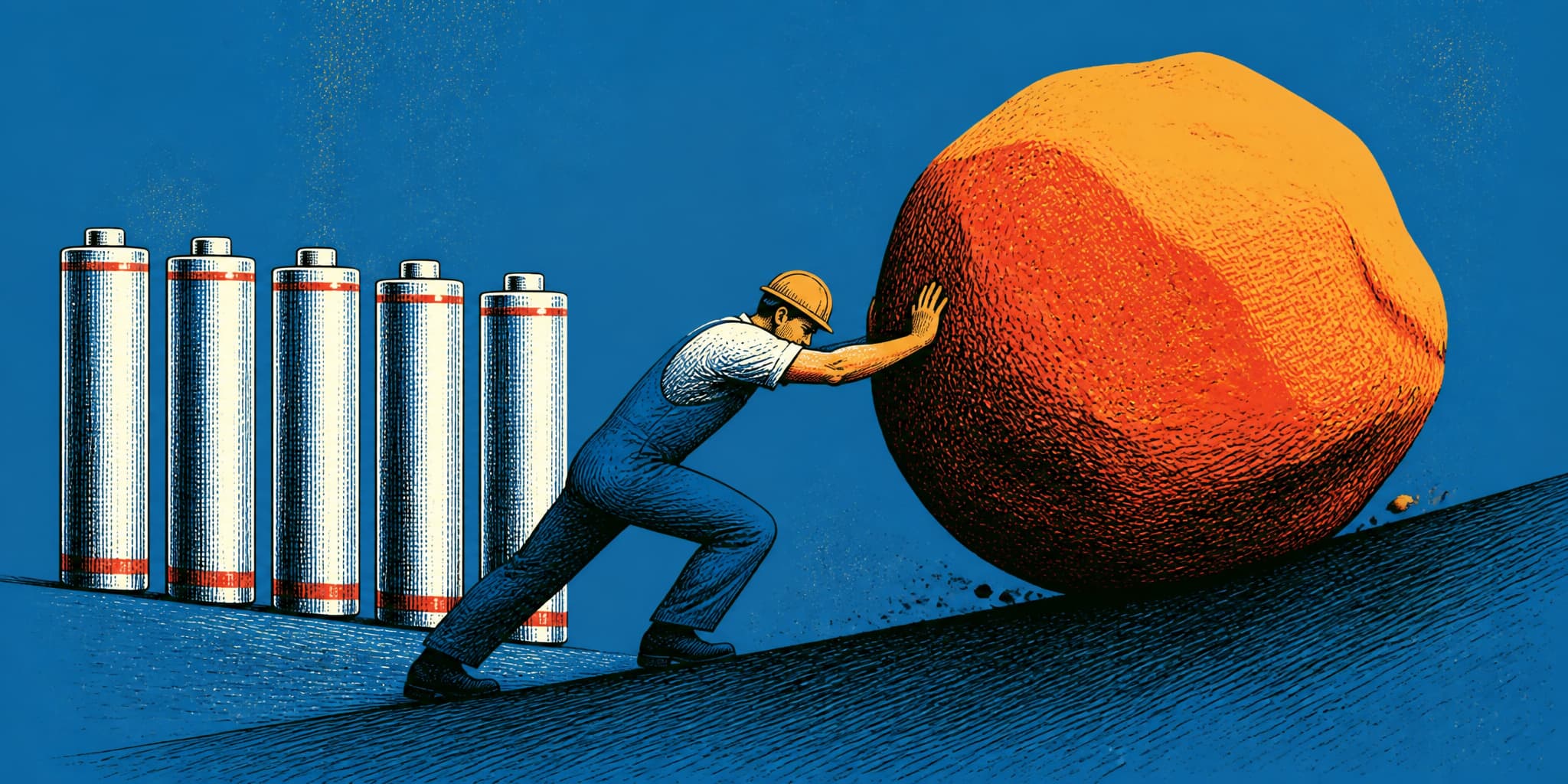
Lithium carbonate rose 2.6% WoW to avg RMB 160,000/MT while 280 Ah ESS cells fell 1.3% to RMB 0.373/Wh and DC-side containerized systems held flat at RMB 0.50/Wh (InfoLink, July 8). The cell move is small but directionally notable: it is the first break below a plateau that held from early June through July 1, after 314 Ah cells repriced upward by more than 20% between October 2025 and April 2026.
The divergence is format-specific. 100 Ah cells, supported by residential and non-China demand, were flat. Large-format 280/314 Ah softened under ample supply and intense utility-scale project competition. InfoLink: "Supply of 280 Ah and 314 Ah products is ample, with intense project competition leaving some room for price negotiations in newly signed orders."
Cells absorbed the upstream bounce rather than passing it through. System prices didn't register the cell move at all. Cost pressure, competitive dynamics at the cell layer, and integration margins are each moving on their own lag and in their own direction. How durable that absorption is, and where the compression shows up first, is what the structural pieces in this section are built to track.
Three Forces Holding the Chinese Cell Price Floor Through Q4

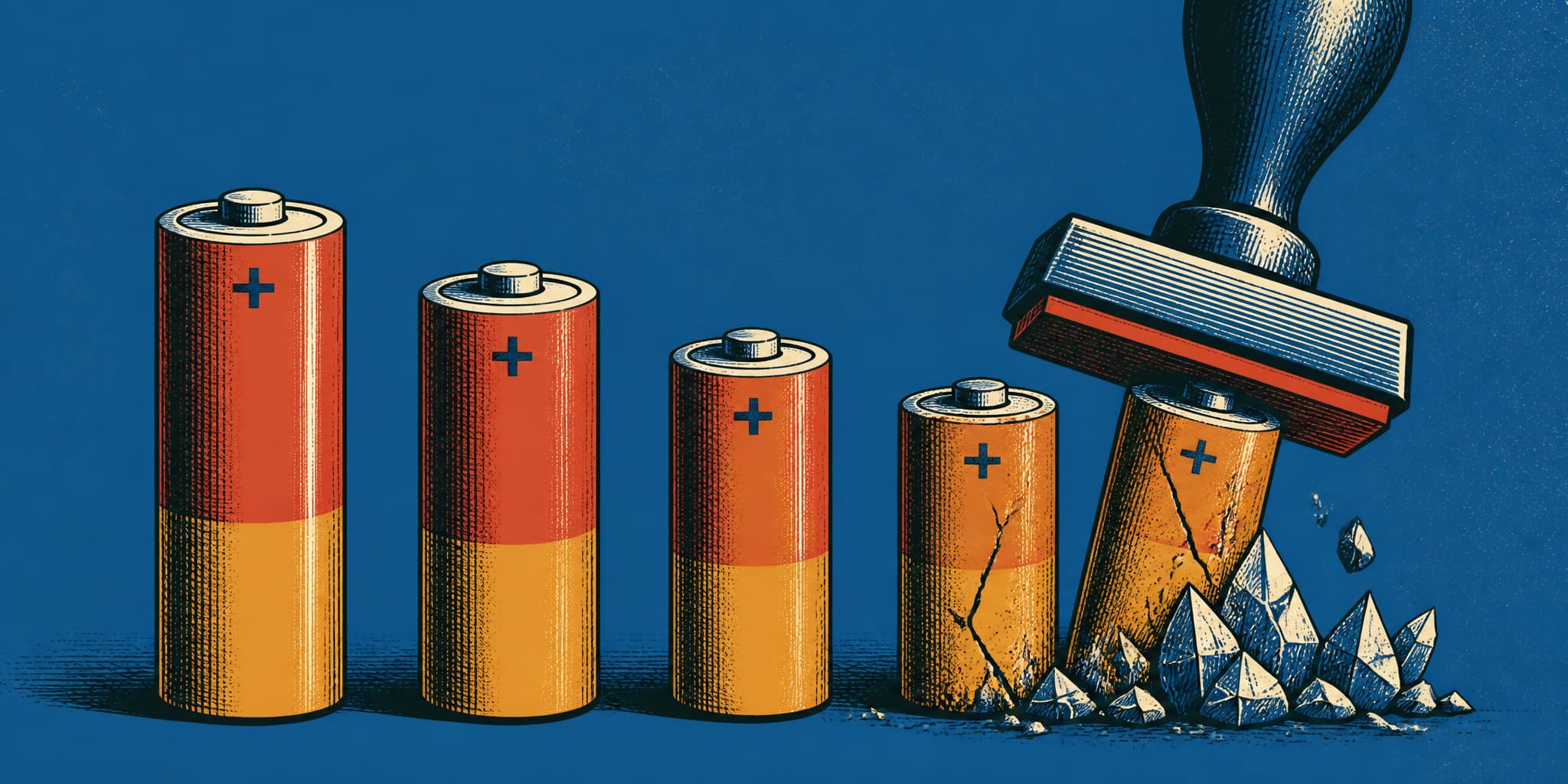
Chinese LFP cell prices have been flat long enough that the floor has formed. The analytical work is in understanding what holds it. Three forces with hard dates through Q4—GB38031 enforcement from July 1, export control suspension expiring November 10, lithium carbonate tightening into SMM's explicit H2 shortage thesis—are individually understood. Their system interactions are less so. Mapped together, they squeeze marginal producers out of EV-qualified demand and potentially out of export channels simultaneously, creating a structural incentive to redirect into ESS. The overcapacity redistributes rather than resolving.
Three Forces Holding the Chinese Cell Price Floor Through Q4
Chinese LFP cell prices have been flat long enough that the floor has formed. The analytical work is in understanding what holds it. Three forces with hard dates through Q4—GB38031 enforcement from July 1, export control suspension expiring November 10, lithium carbonate tightening into SMM's explicit H2 shortage thesis—are individually understood. Their system interactions are less so. Mapped together, they squeeze marginal producers out of EV-qualified demand and potentially out of export channels simultaneously, creating a structural incentive to redirect into ESS. The overcapacity redistributes rather than resolving.
GB38031 Displacement Softens the Cell Floor; System Prices Hold
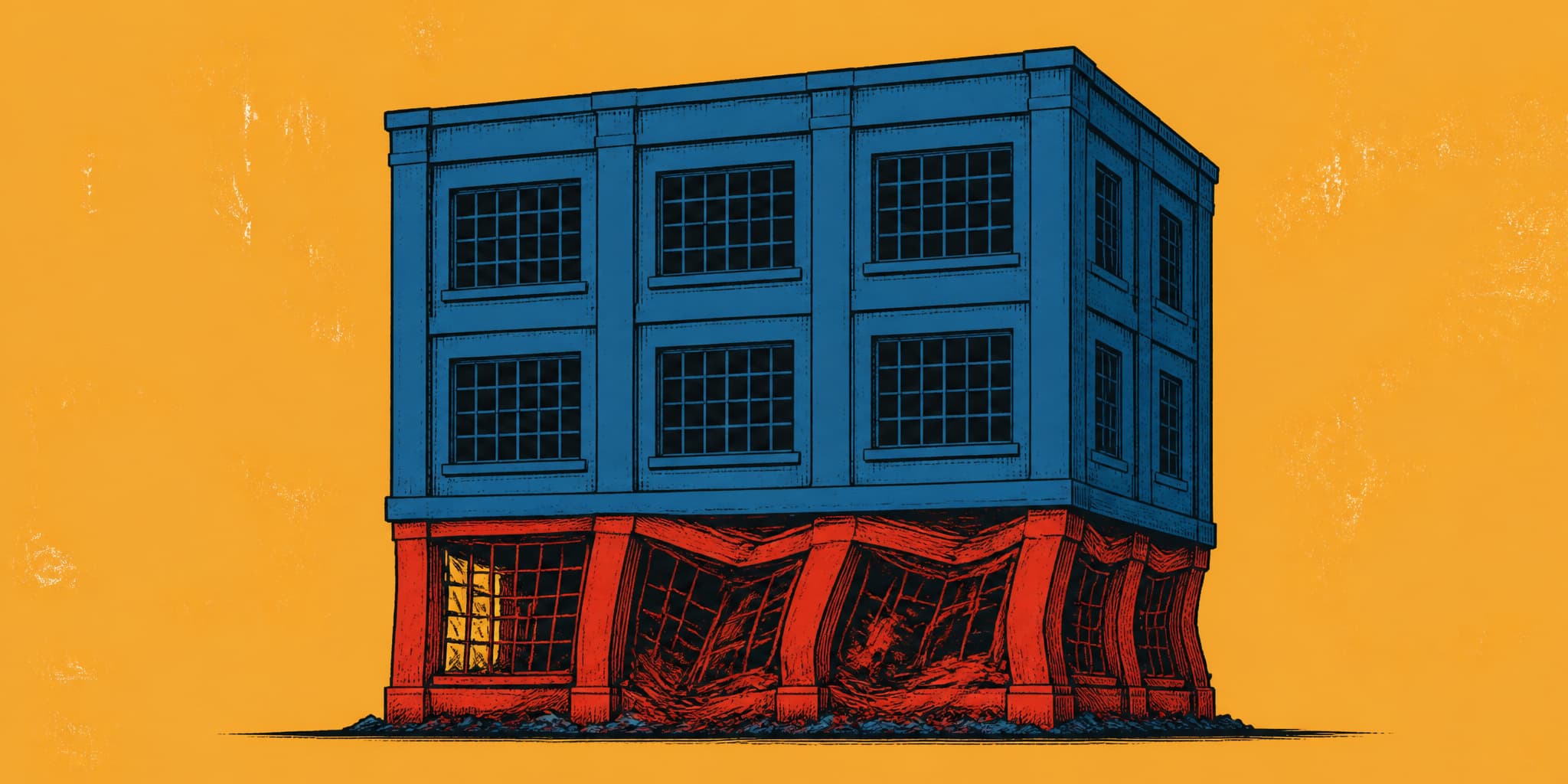
InfoLink's ESS cell spot midpoint softened to RMB 0.373/Wh last week. System-level bids across the largest Chinese tenders held at RMB 0.55–0.56/Wh. The gap between those two numbers, roughly RMB 0.19/Wh, is where GB38031's displacement of marginal EV cell makers into ESS gets absorbed. Cell prices moved. System prices did not. Procurement teams benchmarking against the cell floor to negotiate system-level contracts are leaning on the wrong layer of the pricing stack.
GB38031 Displacement Softens the Cell Floor; System Prices Hold
InfoLink's ESS cell spot midpoint softened to RMB 0.373/Wh last week. System-level bids across the largest Chinese tenders held at RMB 0.55–0.56/Wh. The gap between those two numbers, roughly RMB 0.19/Wh, is where GB38031's displacement of marginal EV cell makers into ESS gets absorbed. Cell prices moved. System prices did not. Procurement teams benchmarking against the cell floor to negotiate system-level contracts are leaning on the wrong layer of the pricing stack.