

When Eight Farmers Chose Cooperation Over Competition
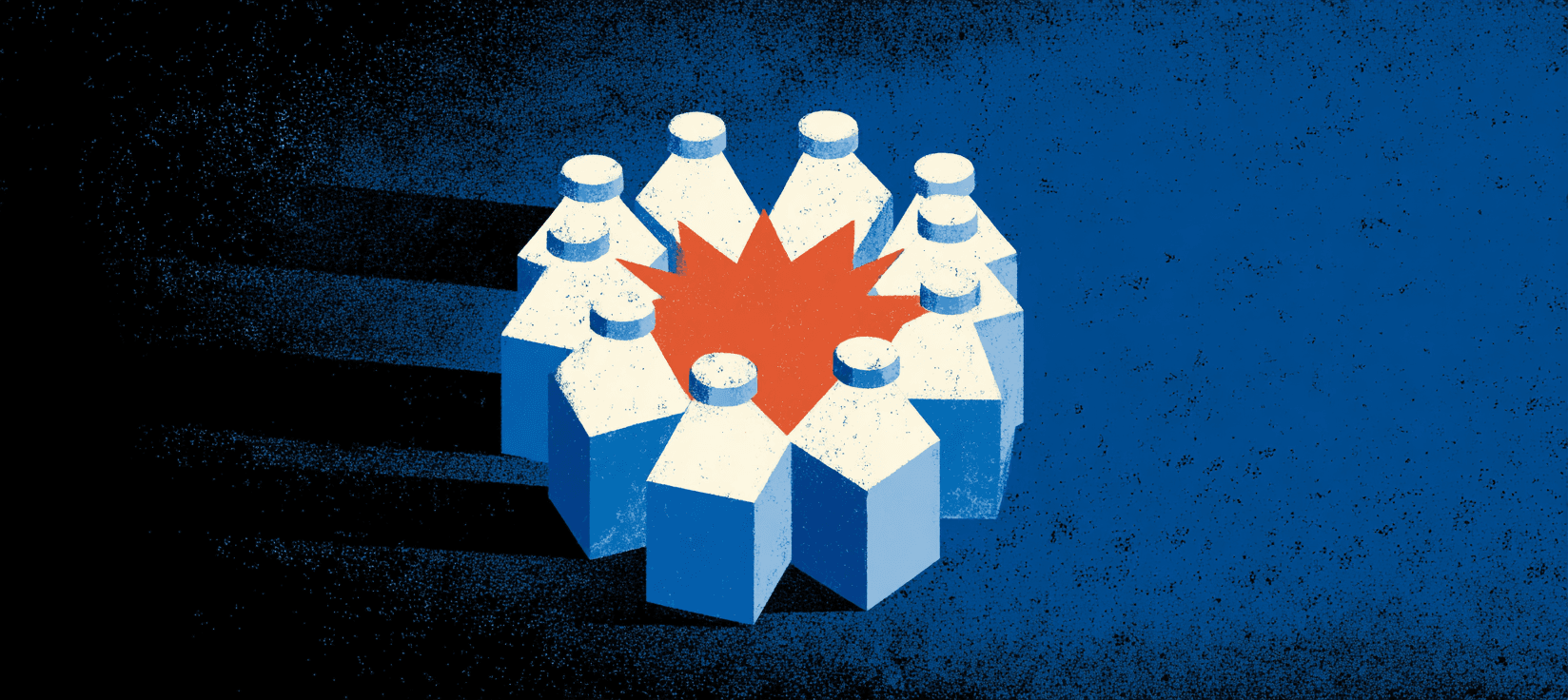
For thirteen years, John Mathieson sold milk to Dunedin merchants at whatever price they offered. By August 1871, he'd had enough. He called his neighbors to his barn on the Otago Peninsula. Eight dairy farmers came. They talked for hours about a choice that would change who controlled their survival.
We know John's name because he owned the farm where they met. The other seven farmers who made the same decision that night—who debated the same risks, who put up the same money—history erased them. When communities choose collective action under pressure, whose agency gets remembered shapes what we think we know about adaptation.
When Eight Farmers Chose Cooperation Over Competition
For thirteen years, John Mathieson sold milk to Dunedin merchants at whatever price they offered. By August 1871, he'd had enough. He called his neighbors to his barn on the Otago Peninsula. Eight dairy farmers came. They talked for hours about a choice that would change who controlled their survival.
We know John's name because he owned the farm where they met. The other seven farmers who made the same decision that night—who debated the same risks, who put up the same money—history erased them. When communities choose collective action under pressure, whose agency gets remembered shapes what we think we know about adaptation.

The Last Man Standing in the Dust Bowl Explains Why He Never Left
CONTINUE READINGHistory Echoes This Week
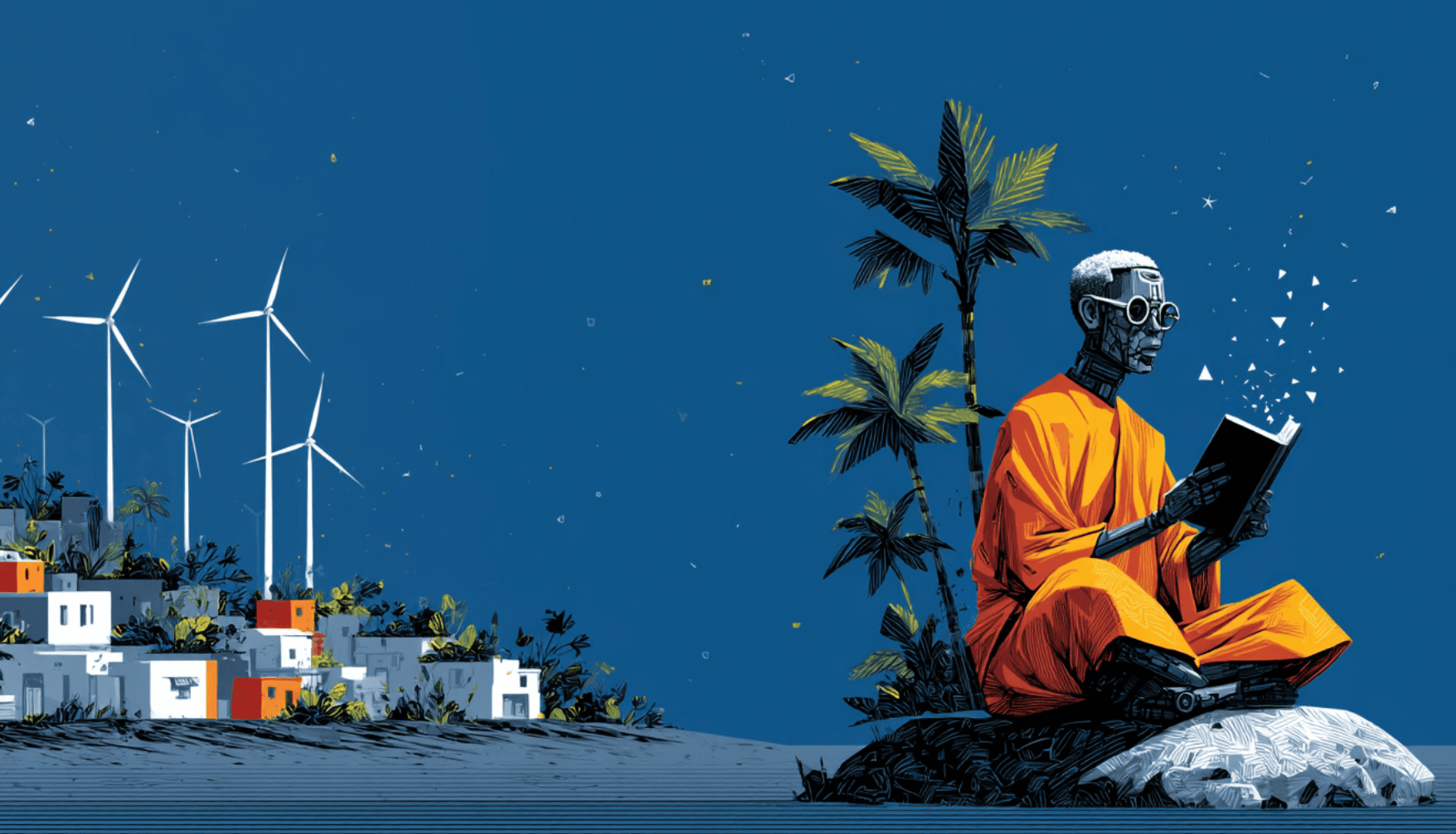
Six thousand years ago, communities at the Jubbah oasis watched northern Arabia turn uninhabitable. Centuries of drought emptied the landscape. They survived by digging shallow wells, capturing runoff, staying mobile between water sources. Southeast Arabian populations had no groundwater. They left for the coasts.
Last month, 961 people died in Indonesian floods. Nearly a million displaced. The problem inverts—too much water instead of none—but the pattern holds. Jubbah's survivors built infrastructure that worked with environmental constraints before crisis forced their hand. Sumatra lost the rainforest that once absorbed extreme rainfall. Now communities face the same vulnerability as ancient populations without wells: infrastructure choices made too late or not at all.