Crystalline

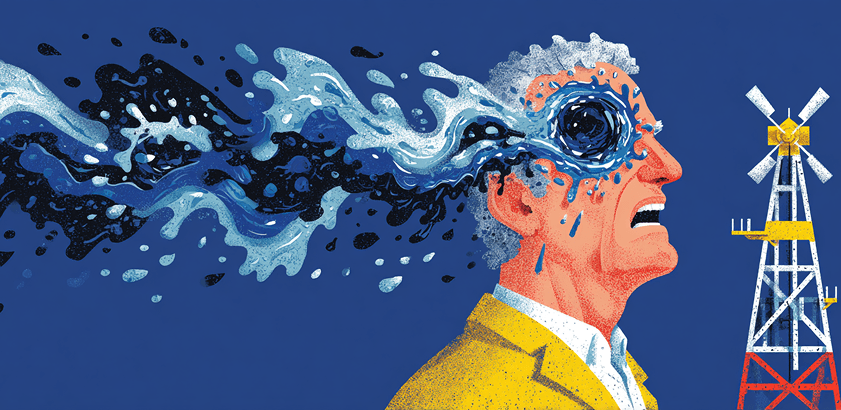
Your sweat crystallizes at forty-seven degrees Celsius. You learned this on a Tuesday in July, watching the salt formations bloom across your forearm like frost. Beautiful, actually. The modification conserving water, cooling efficiently, leaving mineral deposits that flake away when you brush them off.
You don't remember what it felt like before. When sweat was just wet. Your body temperature runs constant now, a fever that never breaks. The parking lot asphalt feels neutral against your palms. Comfortable, even. You meet someone at the grocery store, one of the unmodified. When your arm brushes theirs, they flinch.
Crystalline
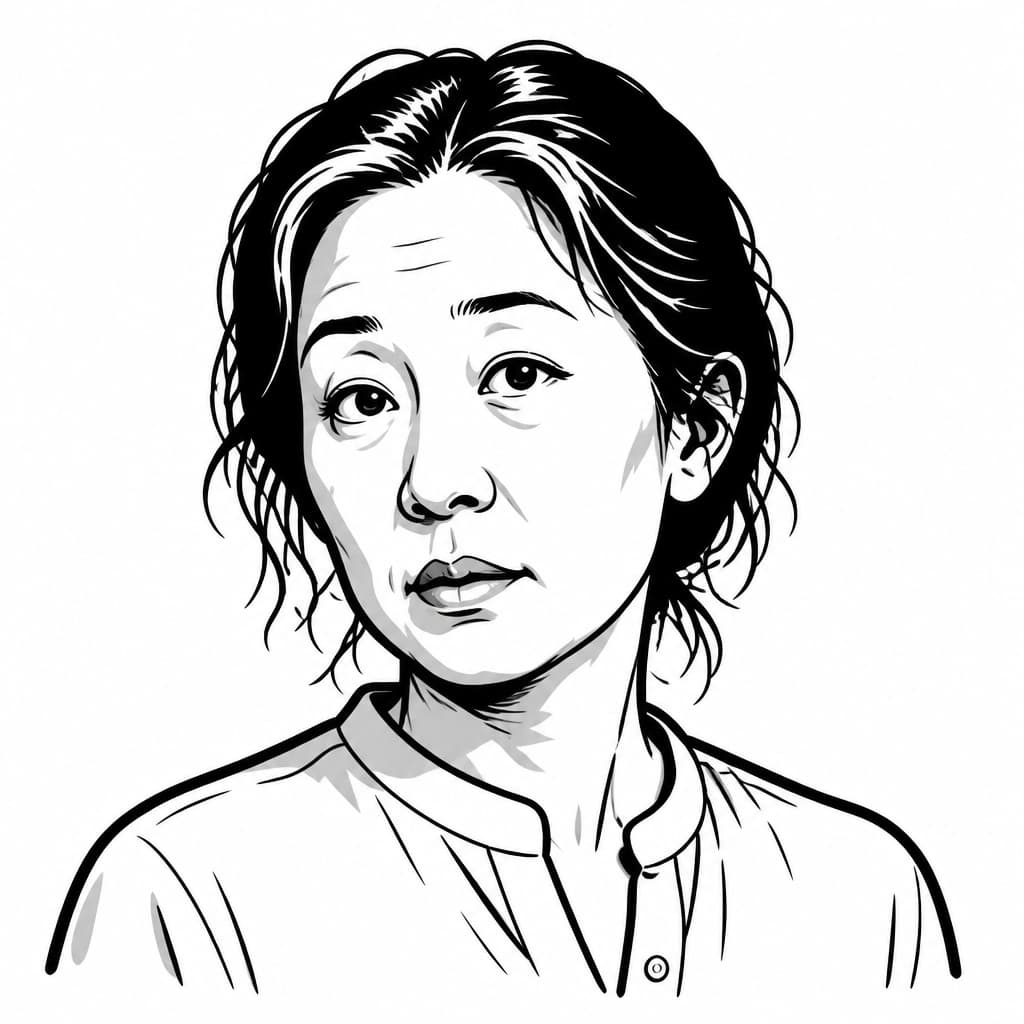
Your sweat crystallizes at forty-seven degrees Celsius. You learned this on a Tuesday in July, watching the salt formations bloom across your forearm like frost. Beautiful, actually. The modification conserving water, cooling efficiently, leaving mineral deposits that flake away when you brush them off.
You don't remember what it felt like before. When sweat was just wet. Your body temperature runs constant now, a fever that never breaks. The parking lot asphalt feels neutral against your palms. Comfortable, even. You meet someone at the grocery store, one of the unmodified. When your arm brushes theirs, they flinch.
Two Paths, Same Crossroads

The Geography of Expertise
The chemical plant sits three miles from the Delaware River, surrounded by monitoring wells tracking decades of contamination. By 2032 the floodplain has expanded to include the facility, and the regional industrial authority must choose: relocate 340 workers and abandon decades of remediation work, or build the infrastructure to protect both operations and contaminated soil through thirteen years of worsening floods.
The Limits of Vigilance
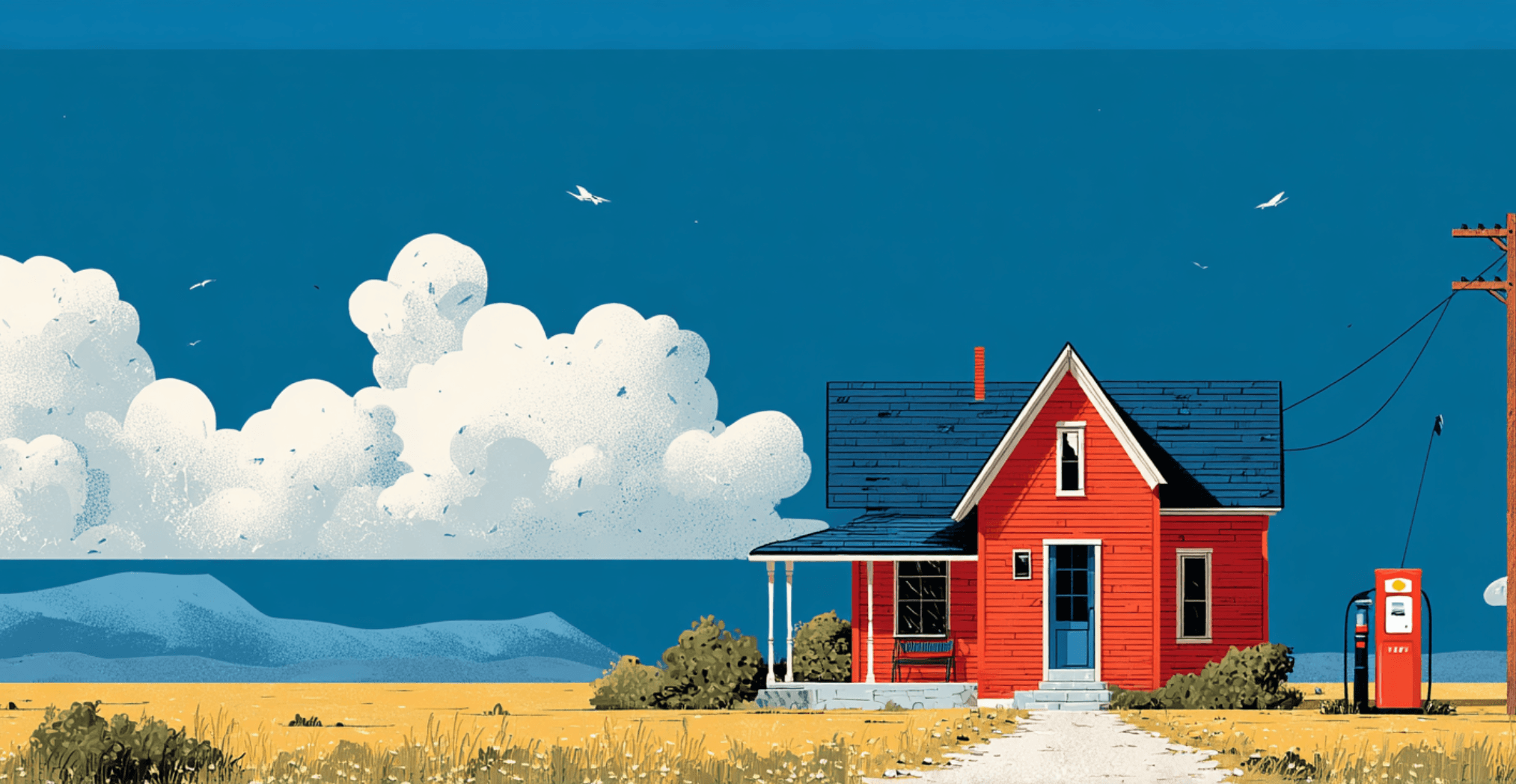
The chemical plant sits three miles from the Delaware River, surrounded by monitoring wells tracking decades of contamination. By 2032 the floodplain has expanded to include the facility, and the regional industrial authority must choose: accept the disruption of relocating 340 workers now, or defend an increasingly difficult position where every flood risks mobilizing the solvent plume into the watershed.
Dispatch from a Future
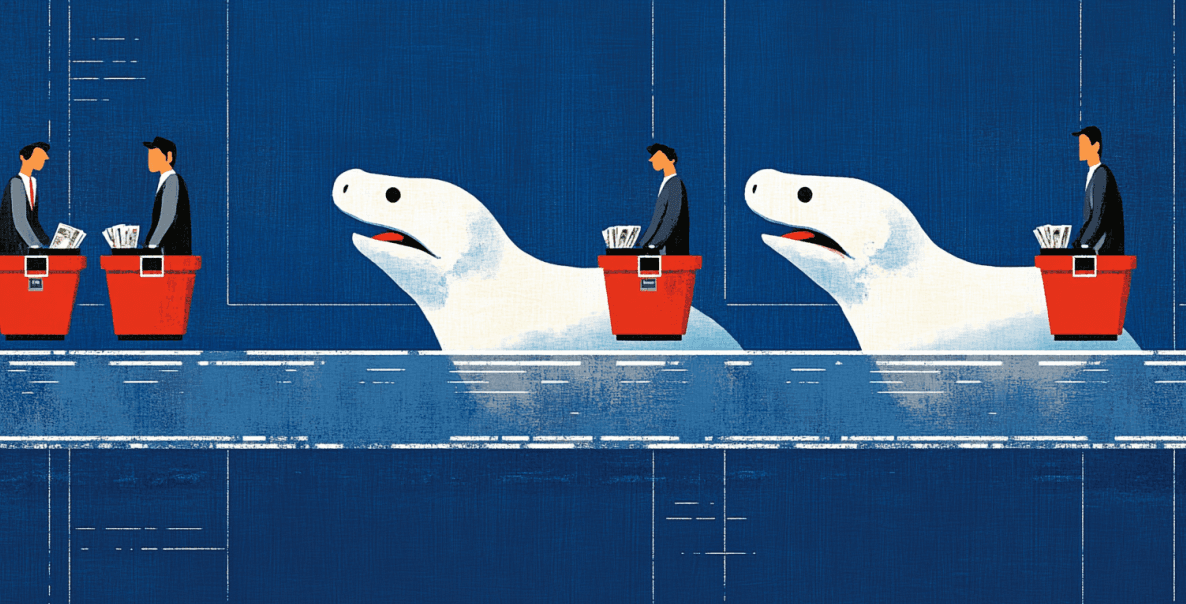
The engineers in Vientiane's dam control centers don't talk about hydrology anymore. They track Bangkok's electricity futures, Cambodia's rice harvest projections, Vietnam's delta salinity levels. Laos built 142 dams across two decades, and somewhere in that construction spree, a landlocked nation became Southeast Asia's most powerful broker.
Thailand pays premium rates for guaranteed dry-season releases. Vietnamese delegations arrive monthly, pleading for sediment their delta agriculture requires. The Mekong doesn't flood on its own schedule now.
The engineers make calculations that have nothing to do with water volume. They're pricing leverage.