
The Big Blowup and the Century It Built
In 1935, a Forest Service veteran published an essay arguing that decades of firefighting had only "set the stage" for worse conflagrations. The same year, the agency issued its most absolute suppression order: every fire controlled by ten the next morning. The right answer was already in the record, and the institution overrode it. That override traces back to a single afternoon in August 1910, when hurricane-force winds unified hundreds of small fires across Northern Idaho and Western Montana into an inferno the size of Connecticut, killed eighty-five people, and handed a five-year-old agency the trauma that would define its identity for a century.
The Big Blowup and the Century It Built
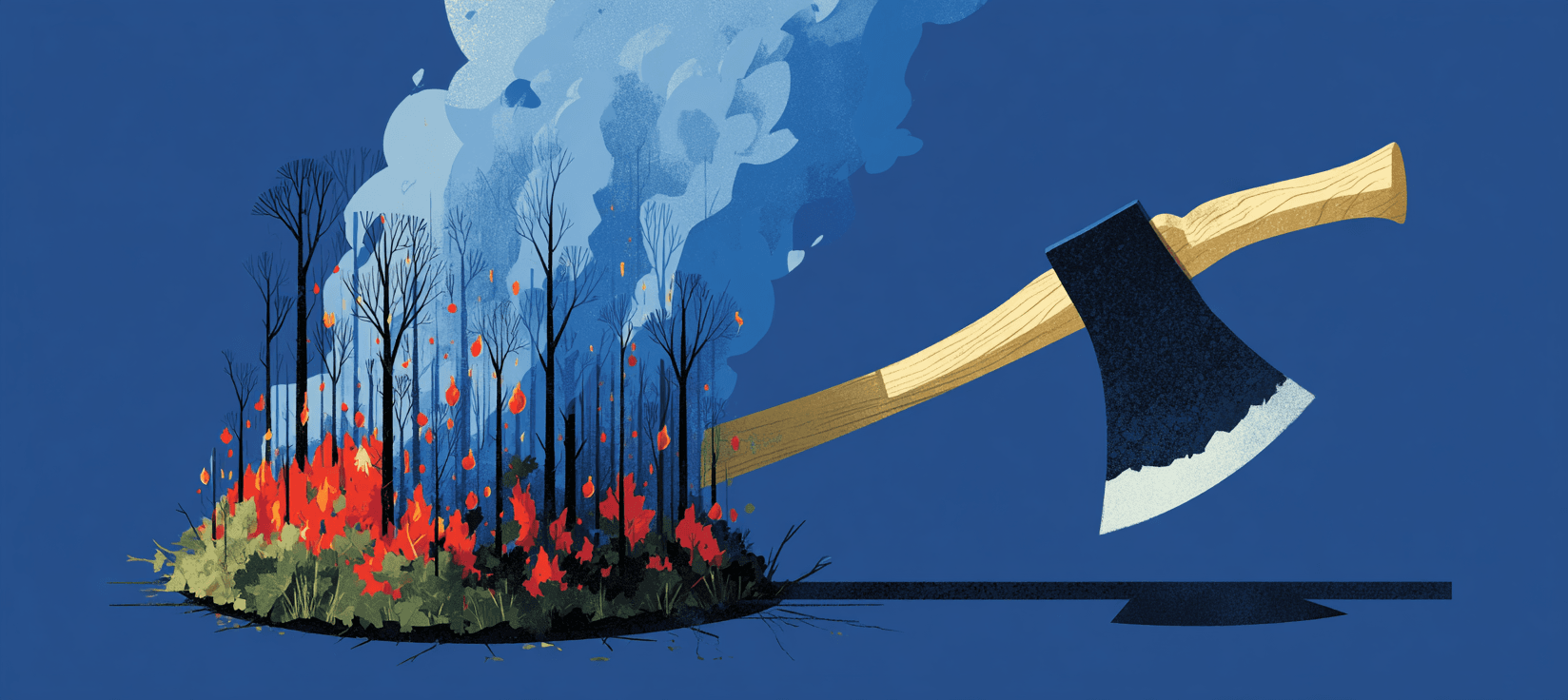
In 1935, a Forest Service veteran published an essay arguing that decades of firefighting had only "set the stage" for worse conflagrations. The same year, the agency issued its most absolute suppression order: every fire controlled by ten the next morning. The right answer was already in the record, and the institution overrode it. That override traces back to a single afternoon in August 1910, when hurricane-force winds unified hundreds of small fires across Northern Idaho and Western Montana into an inferno the size of Connecticut, killed eighty-five people, and handed a five-year-old agency the trauma that would define its identity for a century.

The Echo

On July 21, 1988, Yellowstone officials abandoned their sixteen-year-old natural fire program and ordered full suppression. It was already too late. Winds, drought, and seventy-eight years of accumulated fuel did what they were always going to do. By October, nearly 800,000 acres had burned, 99 percent of it while 25,000 firefighters were actively trying to stop it.
The fires proved suppression couldn't save the park. The public blamed the policy that had already been abandoned. Politicians called it "cockamamie." Within three years, natural fire programs were rolled back nationwide. The institution reached, again, for the lever that had already failed.

An Interview with the Forester Who Called It a Ghastly Mistake and Was Overruled by Ninety Years of Fire
CONTINUE READINGVisible Success
The Locked Doors
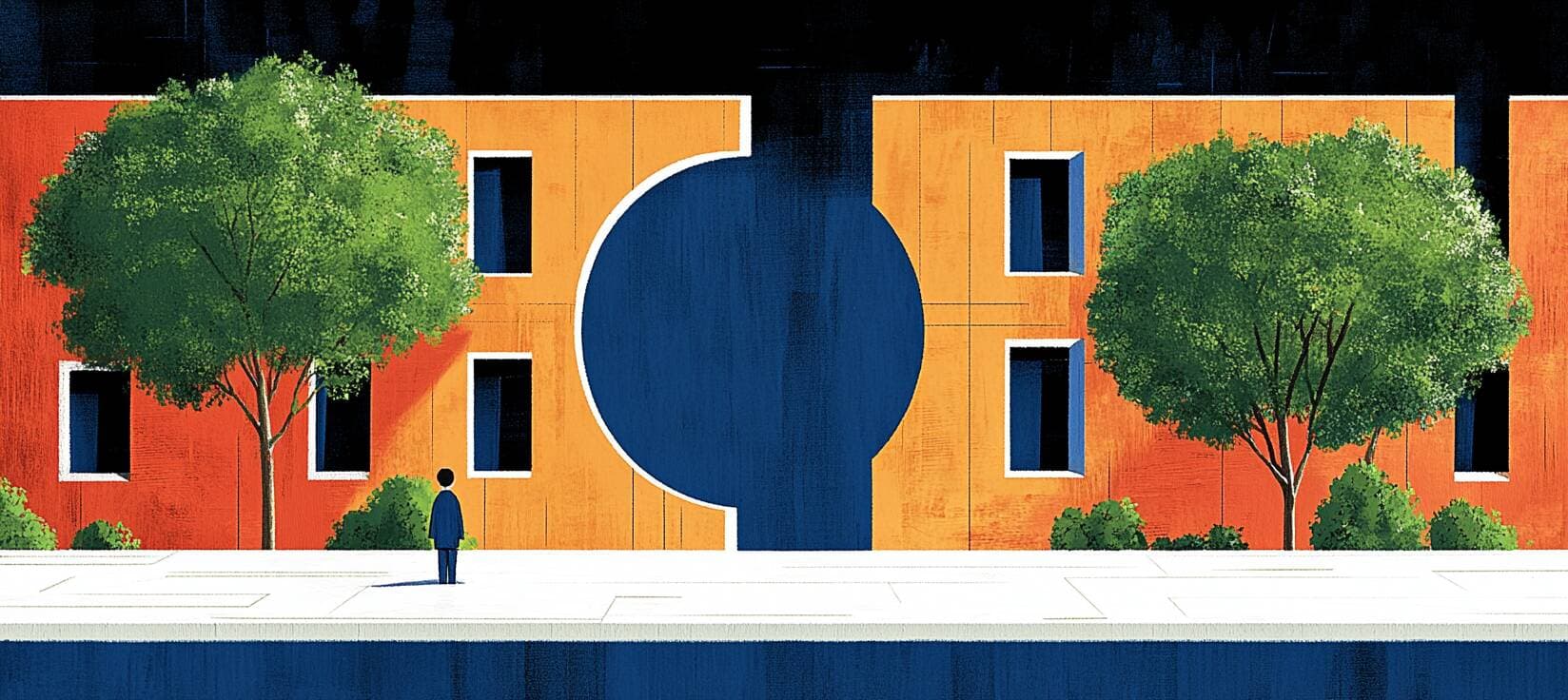
After 739 people died in Chicago's July 1995 heat wave, the city built one of the most effective heat emergency systems in the country. When nearly identical conditions returned four years later, cooling centers opened immediately, outreach workers fanned across neighborhoods, and deaths dropped by 85 percent. Thirty years later, the map of who dies in extreme heat still tracks the map of segregation.

Forty-Nine Feet
Grand Forks, North Dakota prepared for a 49-foot flood in 1997 and got 54. Afterward, FEMA bought out more than 800 properties. The city converted its floodplain into 2,200 acres of parkland and built levees to 60 feet. When the river rose again, the Greenway absorbed it as designed. A majority of the Red River's worst recorded floods have occurred since.
Further Reading



Past Articles

After the 1900 hurricane killed thousands, Galveston jacked 2,000 buildings into the sky and pumped sixteen million cubi...

East of New Orleans' Industrial Canal, Black families shut out of homeownership everywhere else in the city built 22,000...

On the night of September 10, 1965, the President of the United States held a flashlight to his own face in a flooded sh...

Seoul buried a stream under a highway and the world forgot about it. Then a mayor tore the highway out, daylighted the w...