Thirty-Nine Tons of Dynamite and a Gentleman's Promise
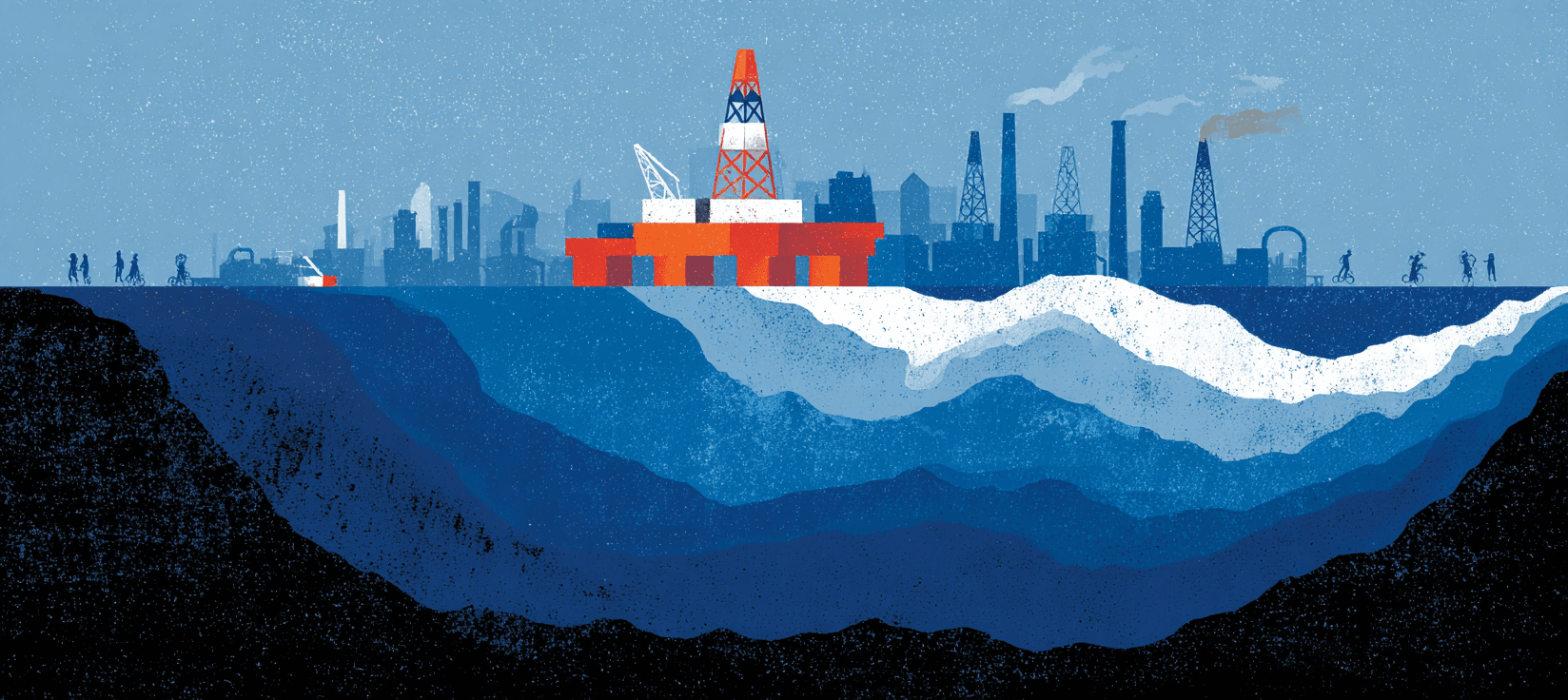
In April 1927, New Orleans bankers and civic leaders persuaded the Army Corps of Engineers to dynamite the Caernarvon levee, deliberately flooding two rural parishes to protect the city. They promised full compensation to the people downstream. The compensation never came. But the Flood Control Act of 1928, passed in the political aftermath, did something more lasting than stiff anyone on a bill. It wrote the authority to sacrifice some communities for others into federal law, and immunized the government from liability when it did.
Thirty-Nine Tons of Dynamite and a Gentleman's Promise
In April 1927, New Orleans bankers and civic leaders persuaded the Army Corps of Engineers to dynamite the Caernarvon levee, deliberately flooding two rural parishes to protect the city. They promised full compensation to the people downstream. The compensation never came. But the Flood Control Act of 1928, passed in the political aftermath, did something more lasting than stiff anyone on a bill. It wrote the authority to sacrifice some communities for others into federal law, and immunized the government from liability when it did.
The Repeat Flood

Johnstown, Pennsylvania, fills a valley where the Little Conemaugh and Stony Creek converge. Ideal for making steel. Unforgiving when it rains. The South Fork Dam collapsed on May 31, 1889, killing 2,208 people. Cambria Iron Works reopened six days later. Nobody debated whether to stay.
The rivers flooded again in 1936. The Army Corps of Engineers lined them with concrete channel walls rated for 81,500 cubic feet per second. In 1977, the water came at 115,000.
Today 17,600 people live where 67,000 once did. The median home sells for under $48,000. The steel mills closed in the early 1990s. Three flood-crest markers line City Hall like rings inside a tree.

Two Aftermaths

The Window
In Oakland after the 1991 firestorm, a physicist spent months reconstructing every drawer and shelf of his burned house from memory. In Grand Forks after the 1997 flood, two holdouts mowed the lawns of neighbors who were already gone. Both communities faced the same narrow window of high trauma and high political will. One rebuilt bigger on the same dangerous ground. The other pulled back from the river entirely. Neither path was simple.
What Cascaded
Oakland's rebuilt hillside homes are 40 percent less likely to burn. They also sell for $1 to $4 million, and their owners are getting dropped by insurers. Grand Forks' greenway absorbed a major flood in 2009 without damage. The families who sold their homes to create it received $52,000. Two post-disaster decisions produced decades of consequences, and in both cities the equity record resists the celebration the engineering deserves.
Present Tense