The Backward-Looking Number

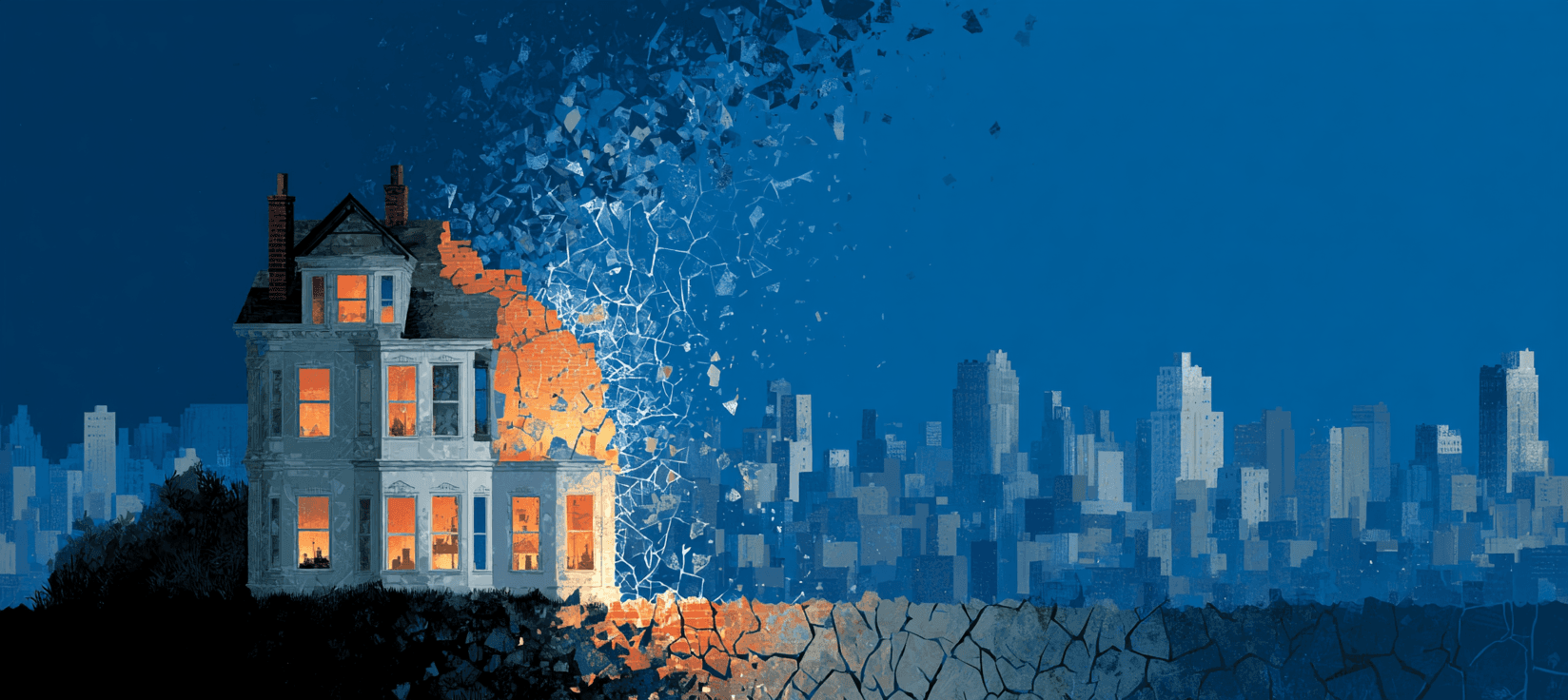
A home appraisal is built on comparable sales—what similar houses recently sold for. For decades, that backward glance was the methodology's greatest virtue, a brake against speculation. Now the insurance market is pricing forward-looking climate risk that no comp can capture, and 21 percent of home transactions are collapsing when buyers discover their appraised property can't be insured at any workable cost. Eighteen states have introduced reform bills. None address the valuation methodology producing the number the crisis has hollowed out. The appraisal keeps doing its job. The world it describes has already changed.
The Backward-Looking Number
A home appraisal is built on comparable sales—what similar houses recently sold for. For decades, that backward glance was the methodology's greatest virtue, a brake against speculation. Now the insurance market is pricing forward-looking climate risk that no comp can capture, and 21 percent of home transactions are collapsing when buyers discover their appraised property can't be insured at any workable cost. Eighteen states have introduced reform bills. None address the valuation methodology producing the number the crisis has hollowed out. The appraisal keeps doing its job. The world it describes has already changed.
What the Models Know and the Renewal Letter Doesn't Say


In 2024, the global insurance industry told international regulators it could "sufficiently manage climate risks." That same year, State Farm had been paying $1.26 for every premium dollar collected in California and was about to nonrenew 72,000 policies. Neither statement was false. They were addressed to different audiences through different institutional channels. The distance between them is the ordinary product of a system in which every actor, from reinsurer to regulator to homeowner, has rational incentives to maintain the gap between what the models know and what the renewal letter says.
What the Models Know and the Renewal Letter Doesn't Say
In 2024, the global insurance industry told international regulators it could "sufficiently manage climate risks." That same year, State Farm had been paying $1.26 for every premium dollar collected in California and was about to nonrenew 72,000 policies. Neither statement was false. They were addressed to different audiences through different institutional channels. The distance between them is the ordinary product of a system in which every actor, from reinsurer to regulator to homeowner, has rational incentives to maintain the gap between what the models know and what the renewal letter says.

The Woman Whose Job Is to Measure the Speed of the Car and Not Mention the Wall
CONTINUE READINGThe Claims Gap
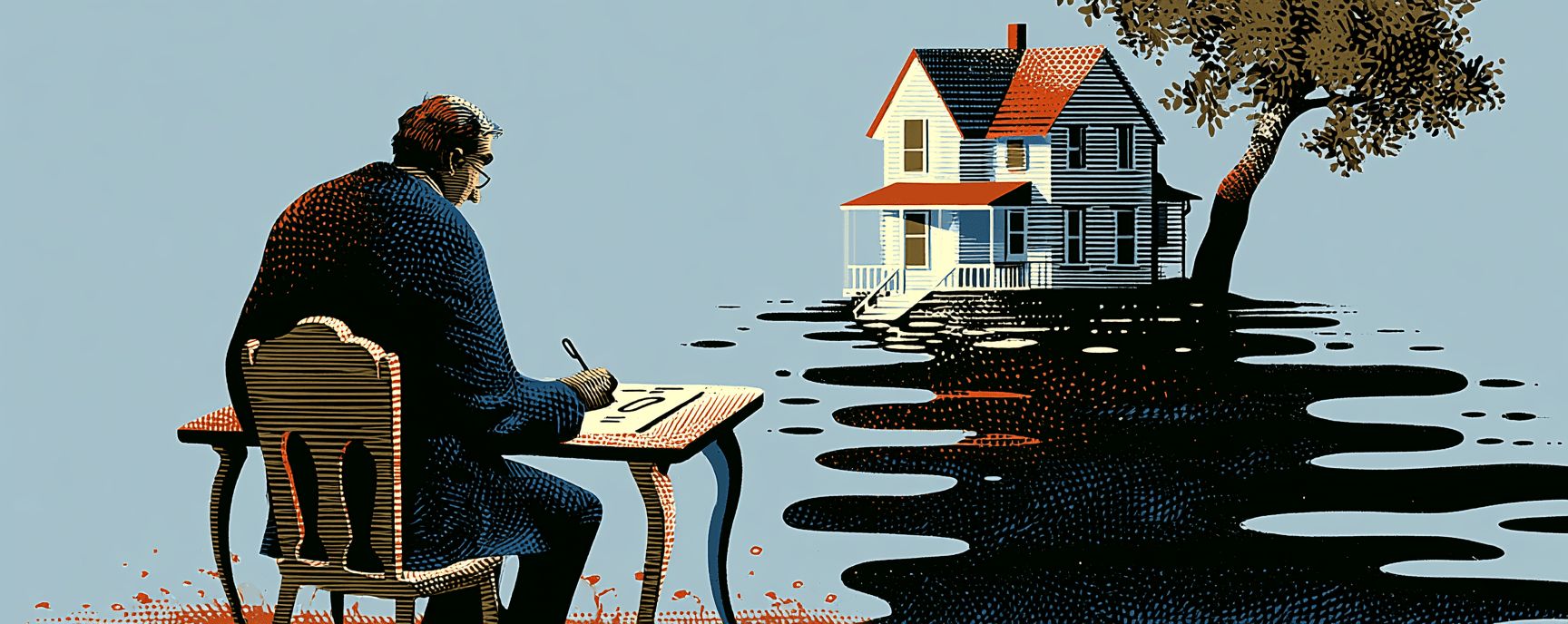
In Altadena, the house is standing. Lab results show heavy metals in the walls, carcinogens in the ductwork. The adjuster's form asks about fire damage. There was no fire here. The insurer disputes whether invisible contamination constitutes physical damage and cuts off temporary housing before remediation is finished.
In Kerr County, Texas, the Guadalupe rose 26 feet in under an hour last July. The adjuster documents saturated walls, buckled flooring. But the cause is rising water, and the homeowners policy excludes flood. Ninety-seven percent of residents here carried none. The property wasn't on any high-risk map.
In Phoenix, an 82-year-old woman is hospitalized after her AC unit fails on day two of 108 degrees. The adjuster finds no storm, no fire, no flood. The compressor overloaded. Gradual mechanical failure. There is no line on the claim form for a home that became too hot for a human body to survive in.