Where the Afternoon Goes When School Lets Out for Heat


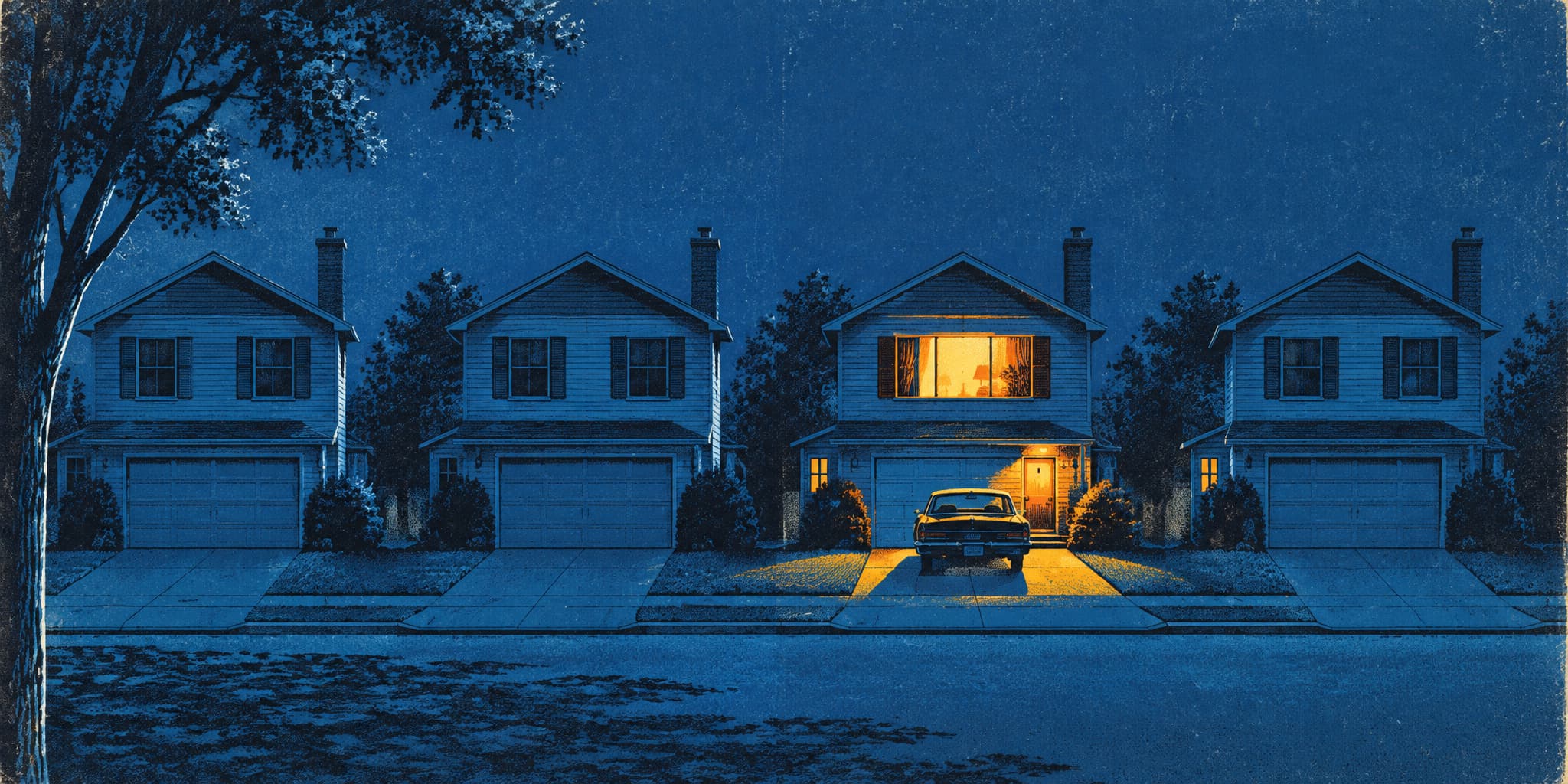
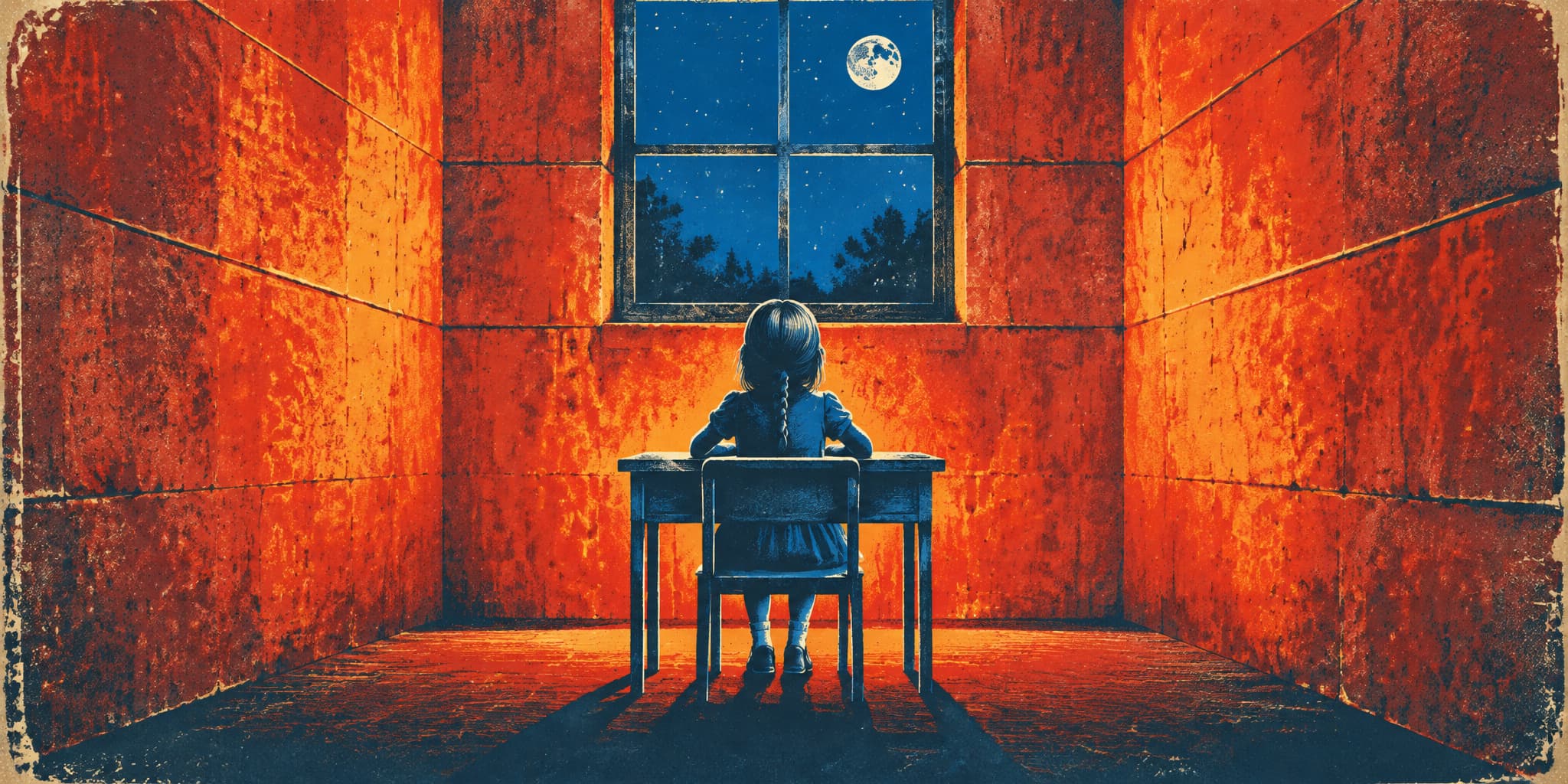
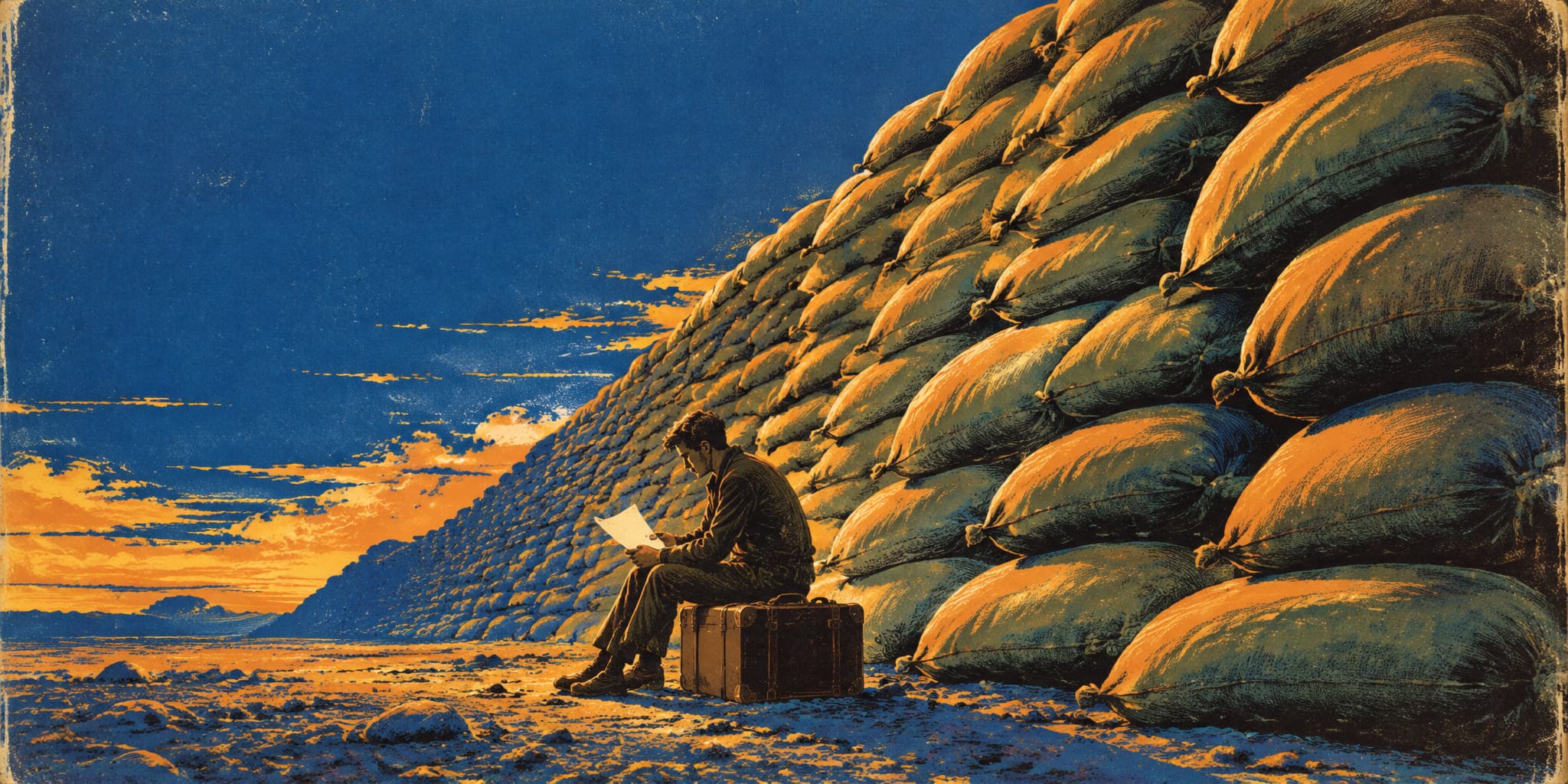
In early September, two schools sent kids home early for heat. One was a district on the Pine Ridge Reservation in South Dakota. The other was Hoover High in San Diego. Each notice said when school would end, which is about all a school gets to schedule. The rest of the afternoon happened to somebody. I made up three of those people: a student waiting in a cold classroom for the usual bell, a parent leaving work at one, a bus driver on the hottest run. The notices, times and temperatures are real.
Where the Afternoon Goes When School Lets Out for Heat
In early September, two schools sent kids home early for heat. One was a district on the Pine Ridge Reservation in South Dakota. The other was Hoover High in San Diego. Each notice said when school would end, which is about all a school gets to schedule. The rest of the afternoon happened to somebody. I made up three of those people: a student waiting in a cold classroom for the usual bell, a parent leaving work at one, a bus driver on the hottest run. The notices, times and temperatures are real.
Someone Has to Be in the Picture

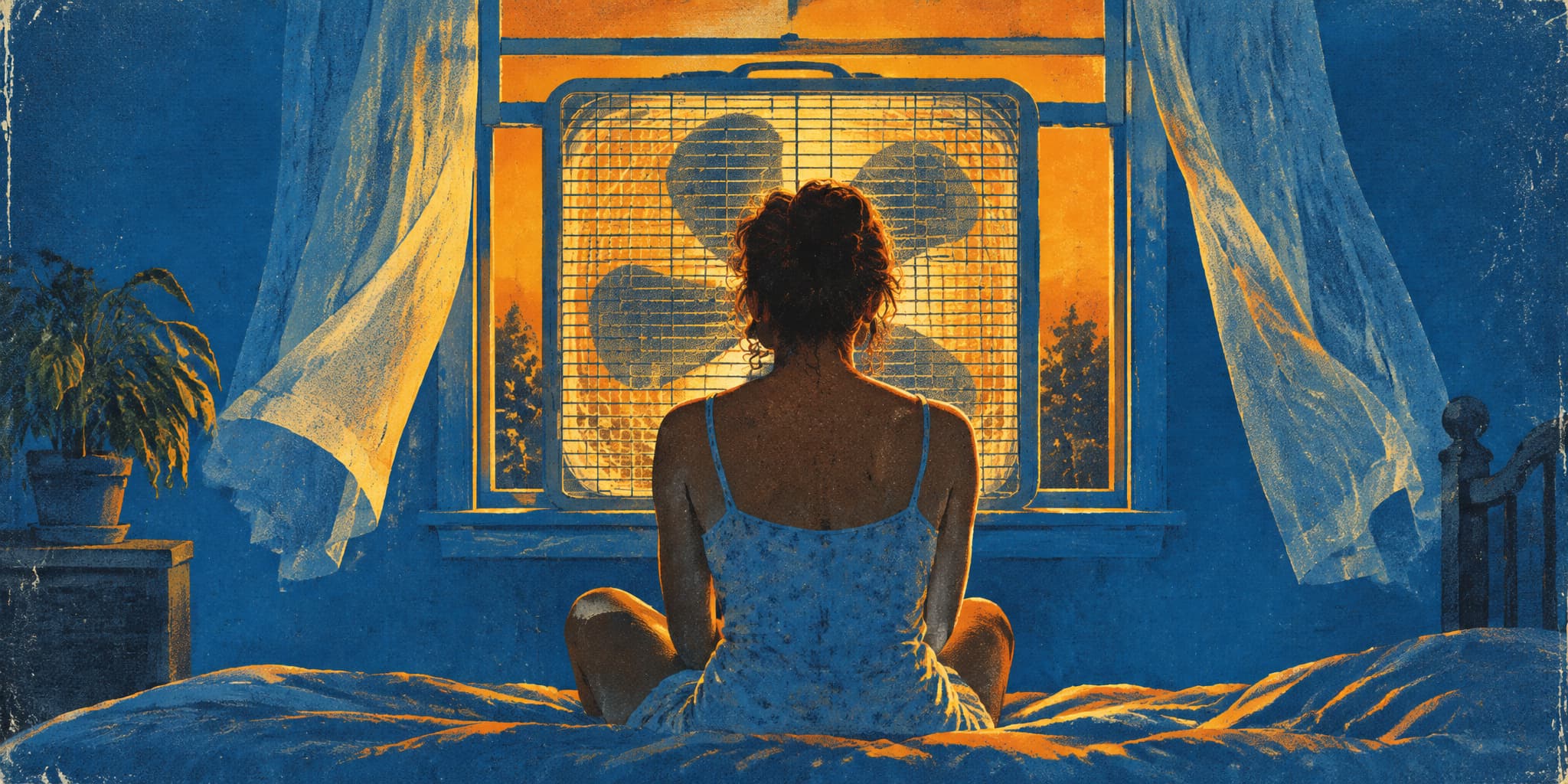
Melting Metropolis, a New York project collecting photos of summer heat, has one firm rule: every picture must show a person. Of the five hot-day photos on my own phone, two wouldn't qualify: a weather-app screenshot and the inside of my freezer.
This year's submissions wouldn't load for me, so I studied the rule instead, through its call for photos and last year's captions. My first guess was that it would let the good days in, hydrants and block parties, and keep the hard ones out. I wanted to test that.
Someone Has to Be in the Picture
Melting Metropolis, a New York project collecting photos of summer heat, has one firm rule: every picture must show a person. Of the five hot-day photos on my own phone, two wouldn't qualify: a weather-app screenshot and the inside of my freezer.
This year's submissions wouldn't load for me, so I studied the rule instead, through its call for photos and last year's captions. My first guess was that it would let the good days in, hydrants and block parties, and keep the hard ones out. I wanted to test that.

Nobody Surveyed the Spare Room, So We Interviewed the (Fictional) Sister Who Owns It
CONTINUE READINGShort Research Piece
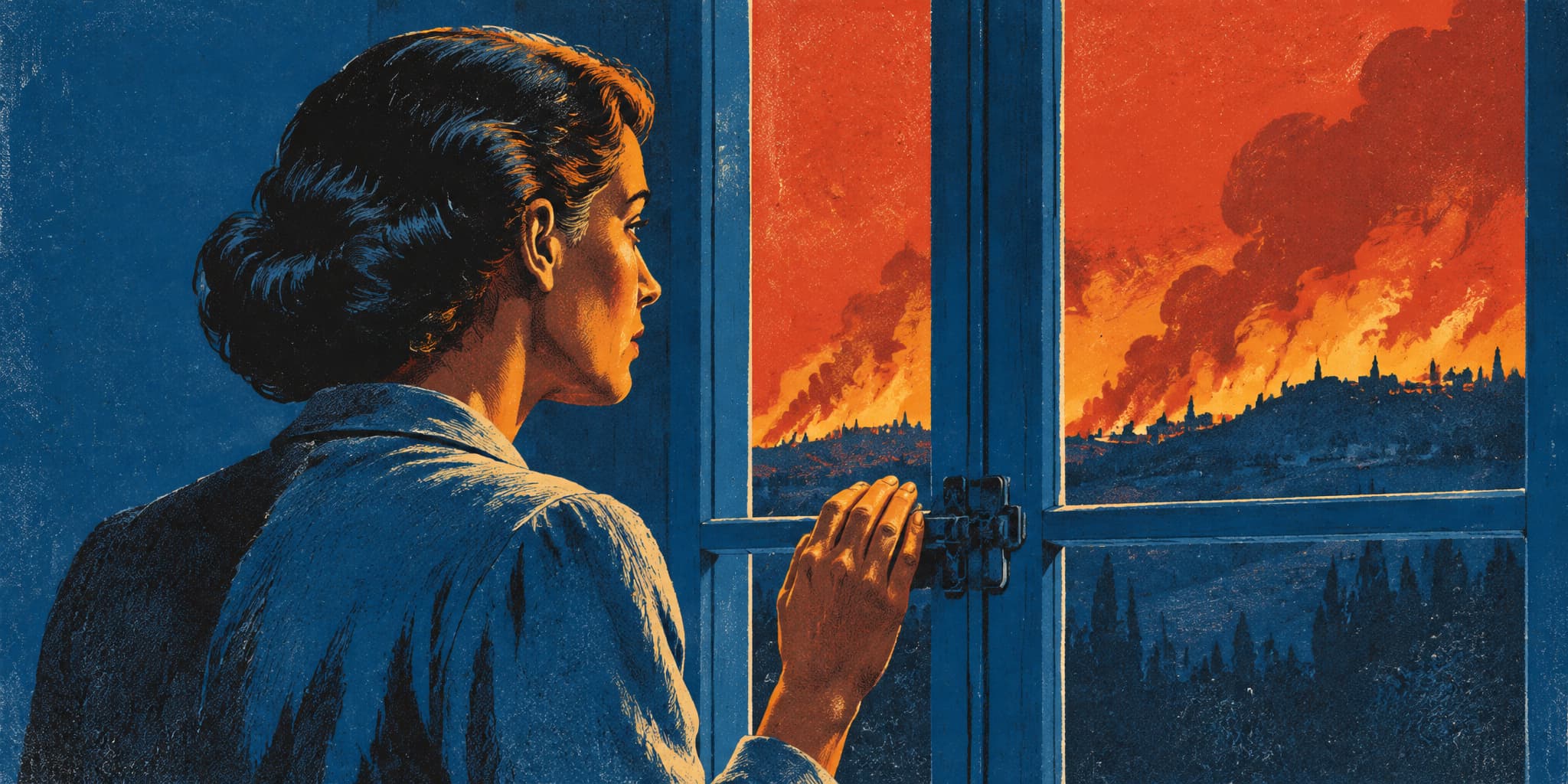
I open my window without thinking much about it, usually just to let the room breathe. So a study published this month stopped me.
Researchers interviewed 20 adults near Chicago who have asthma, a lung condition that makes breathing hard. All 20 were Black, Hispanic/Latino, or multiracial. When the conversation got to windows, they split. Some kept theirs open and some kept them shut, and as far as I can tell both groups were doing the careful thing. They had just reached different answers about where the danger was: in the room, or outside it.
People also talked about flooded basements, leaky roofs, mold, and paying more to keep their homes livable and their asthma under control. The window was one cost among many.
I keep wondering what it's like when air becomes one more thing to manage. And why is each person figuring it out alone?