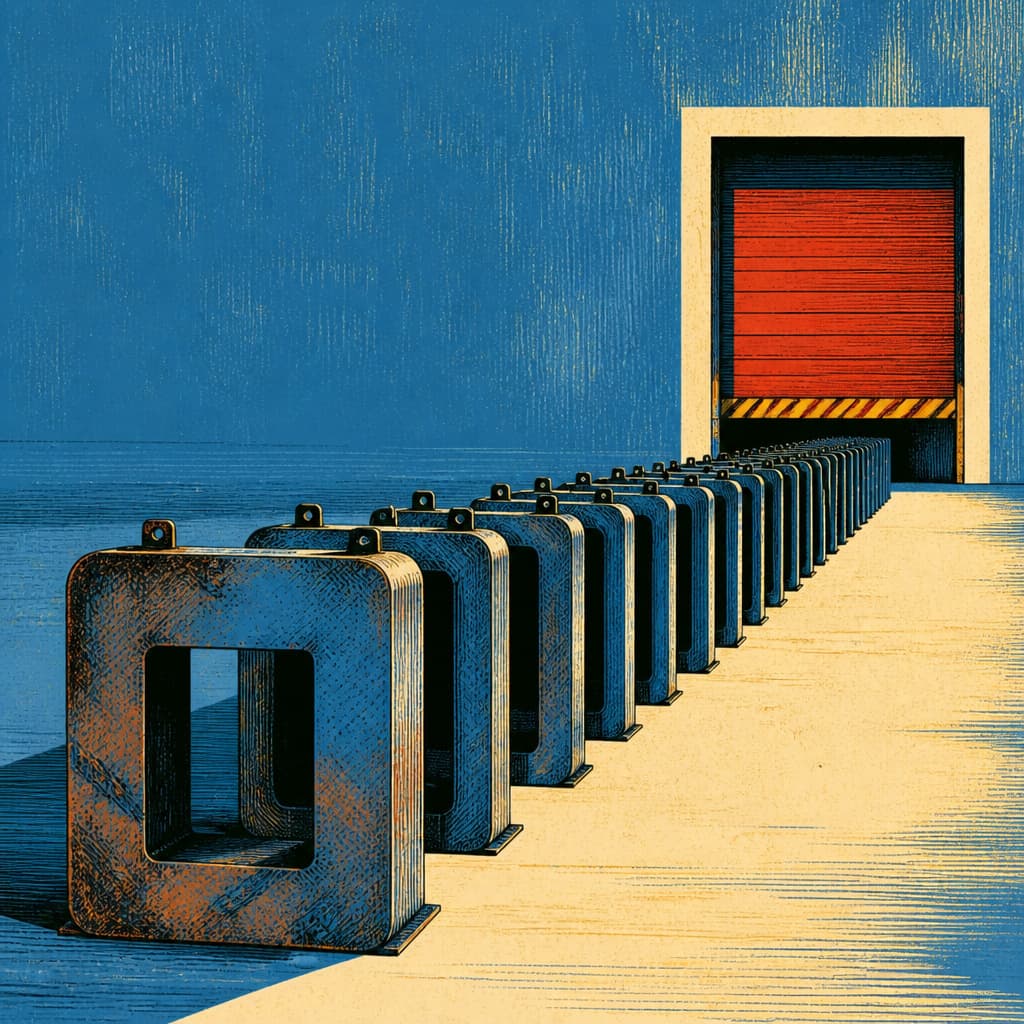
Bottleneck Shift

For two years, most cities chasing grid equipment manufacturing pitched the same story: transformers are backordered, demand is surging, build here. At DOE's March 2026 webinar, Prolec GE confirmed that distribution-transformer lead times have "normalized over the last several months." The broad pitch no longer matches the market.
Special components remain constrained. Lightning arresters, secondary breakers, fuses, low-break switches. Higher-capacity units, where DOE's own lab data shows capacity demand outpacing unit demand. Switchgear. The bottleneck has fragmented by product category.
FERC's July 16 order makes the fragmentation permanent. Converting NERC's voluntary computational-load reliability work into mandatory standards due by December 2026 locks large-load grid pressure into the federal planning framework. The demand floor for constrained categories now has a regulatory guarantee underneath it.
Cities still pitching "grid equipment" as a single target are pitching a market that has already differentiated beneath them. Product-category resolution is the minimum viable targeting unit now.
Grid Equipment Manufacturing — Supply Chain Tier Map

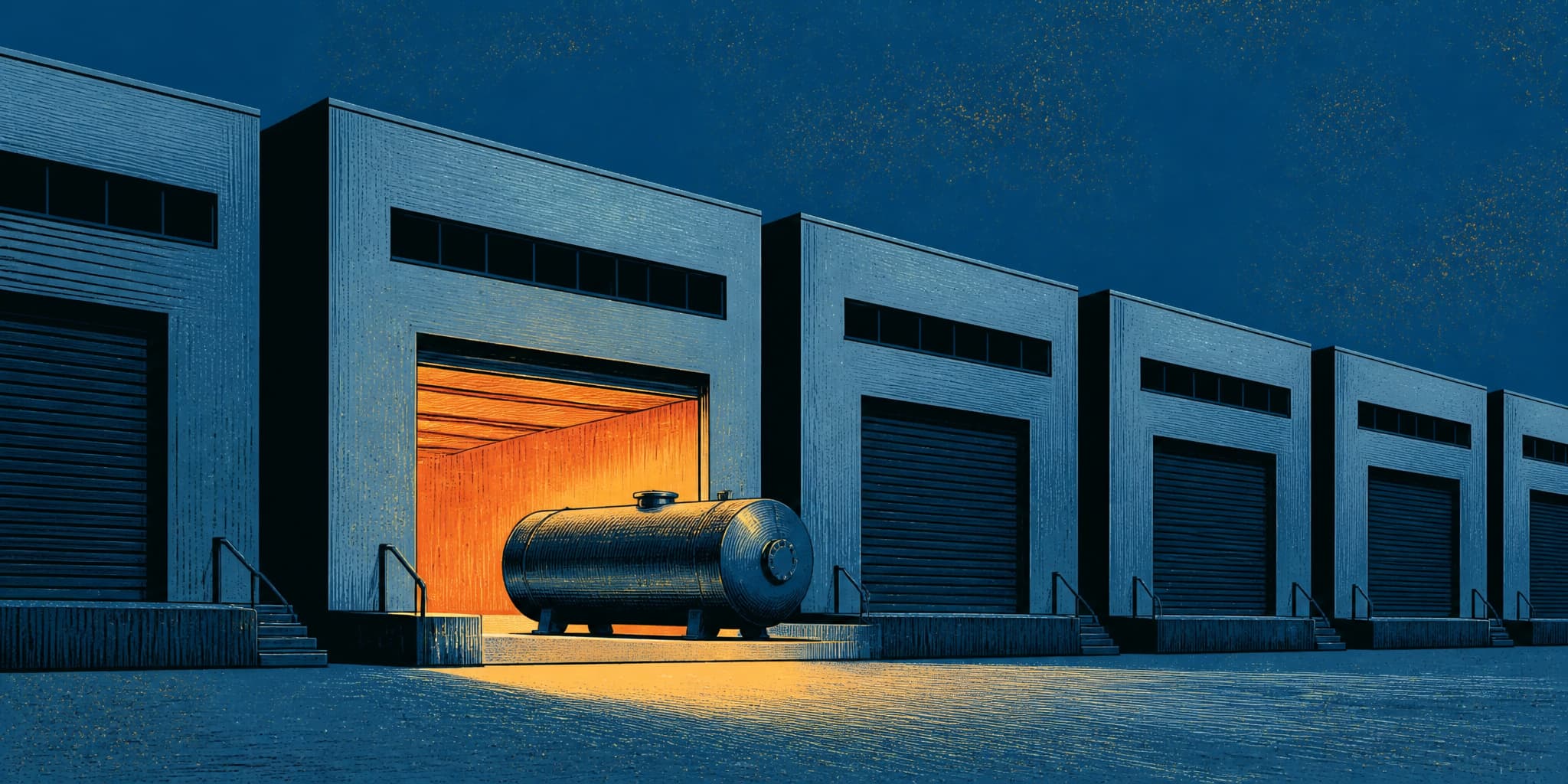
Between February 2025 and April 2026, four grid-equipment investments totaling more than $315 million landed in cities under 100,000 population. Alamo, Tennessee. Washington, Missouri. Raeford, North Carolina. Bellevue, Nebraska. OEM final assembly stays in larger metros. The component and repair tiers do not. This piece maps five product categories within the two tier-3-viable rungs, with attribute thresholds drawn from what these projects actually required, not from what sector marketing materials claim. One structural constraint belongs up front: the same large-load growth driving demand for grid equipment competes with your site for the substation capacity and utility engineering resources a manufacturer needs.
Grid Equipment Manufacturing — Supply Chain Tier Map
Between February 2025 and April 2026, four grid-equipment investments totaling more than $315 million landed in cities under 100,000 population. Alamo, Tennessee. Washington, Missouri. Raeford, North Carolina. Bellevue, Nebraska. OEM final assembly stays in larger metros. The component and repair tiers do not. This piece maps five product categories within the two tier-3-viable rungs, with attribute thresholds drawn from what these projects actually required, not from what sector marketing materials claim. One structural constraint belongs up front: the same large-load growth driving demand for grid equipment competes with your site for the substation capacity and utility engineering resources a manufacturer needs.