The Buyer-Angle Map — Match the Proof to the Fear, Not the Industry

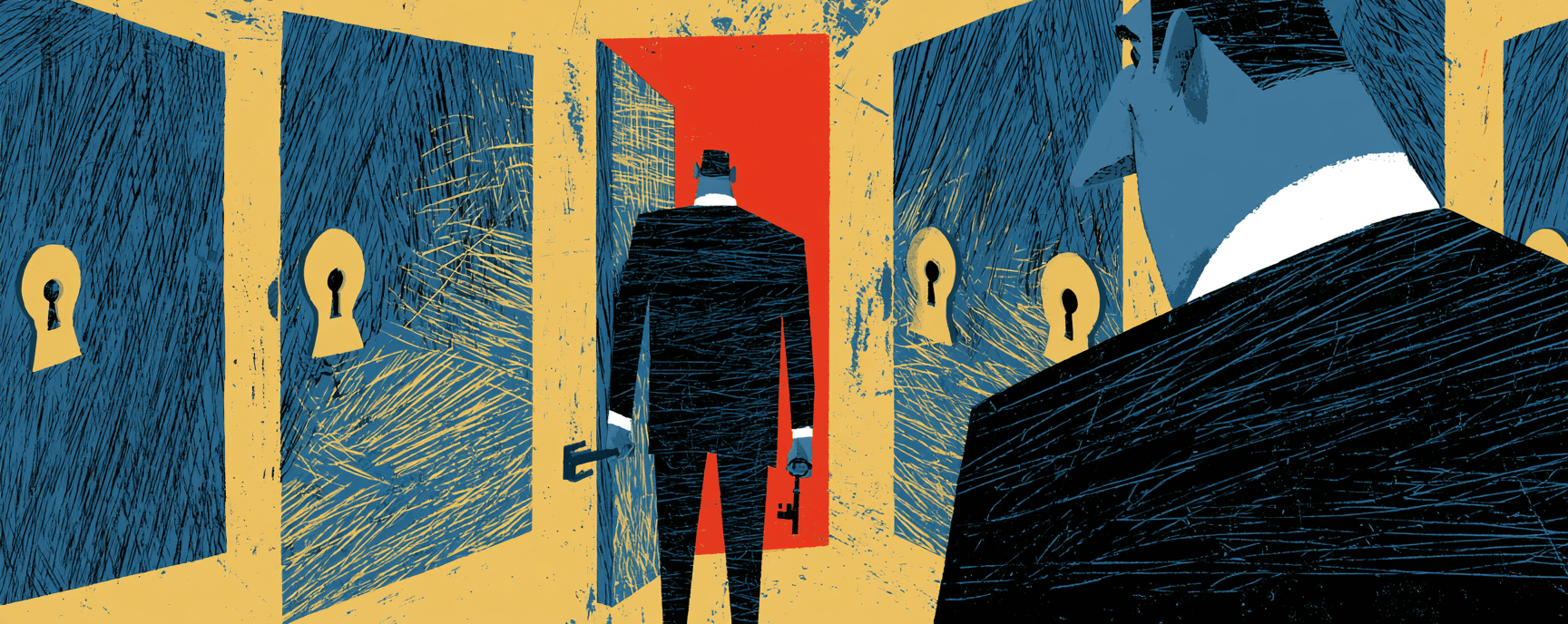
Your three pillars could plausibly work for any company on the list. The default sorting logic is industry: AI company gets AI work, regulated platform gets compliance work. That breaks at Director+ because OpenAI and Salesforce both involve AI but evaluate completely different things. The axis that predicts evaluation is what the room is afraid of. Five buyer anxieties, each mapped to a specific proof sequence from your published portfolio — lead case, supporting case, what to cut, and the landmine reframe. The failure mode is showing the right evidence for the wrong fear.

The Buyer-Angle Map — Match the Proof to the Fear, Not the Industry
Your three pillars could plausibly work for any company on the list. The default sorting logic is industry: AI company gets AI work, regulated platform gets compliance work. That breaks at Director+ because OpenAI and Salesforce both involve AI but evaluate completely different things. The axis that predicts evaluation is what the room is afraid of. Five buyer anxieties, each mapped to a specific proof sequence from your published portfolio — lead case, supporting case, what to cut, and the landmine reframe. The failure mode is showing the right evidence for the wrong fear.
Failure Modes
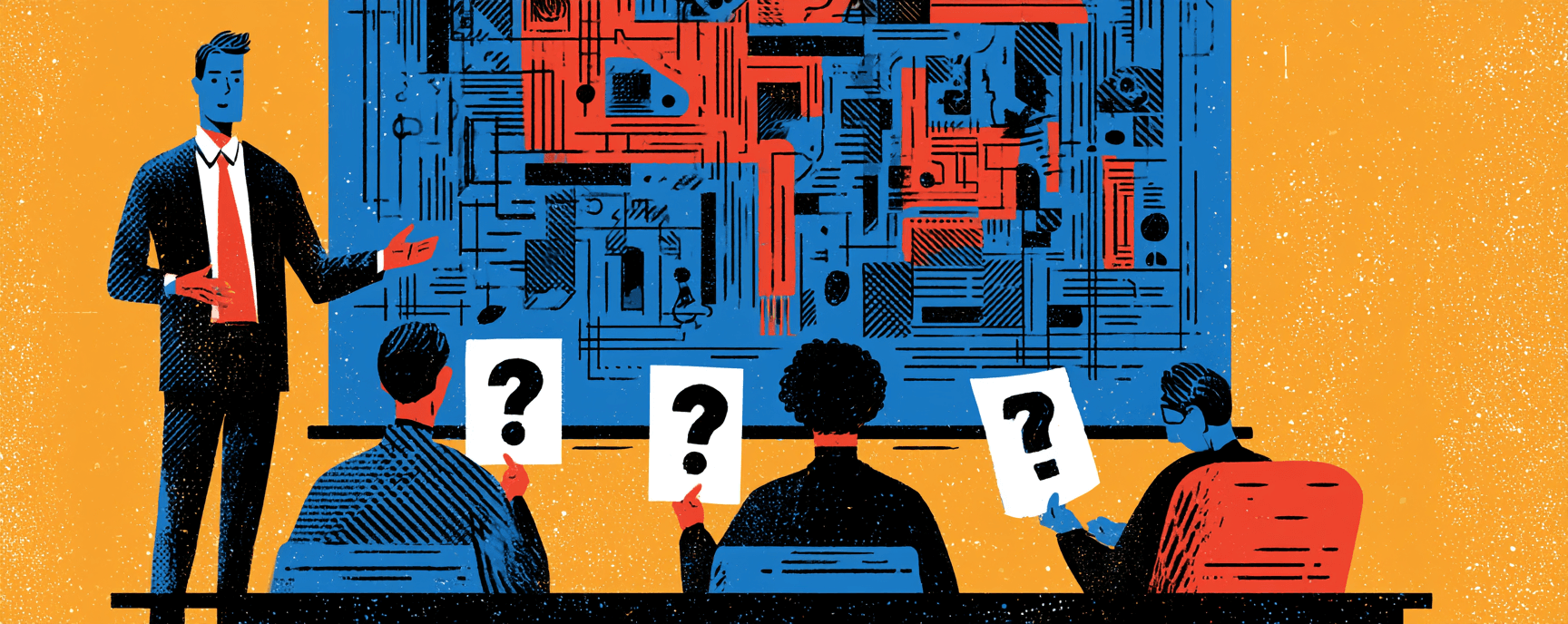
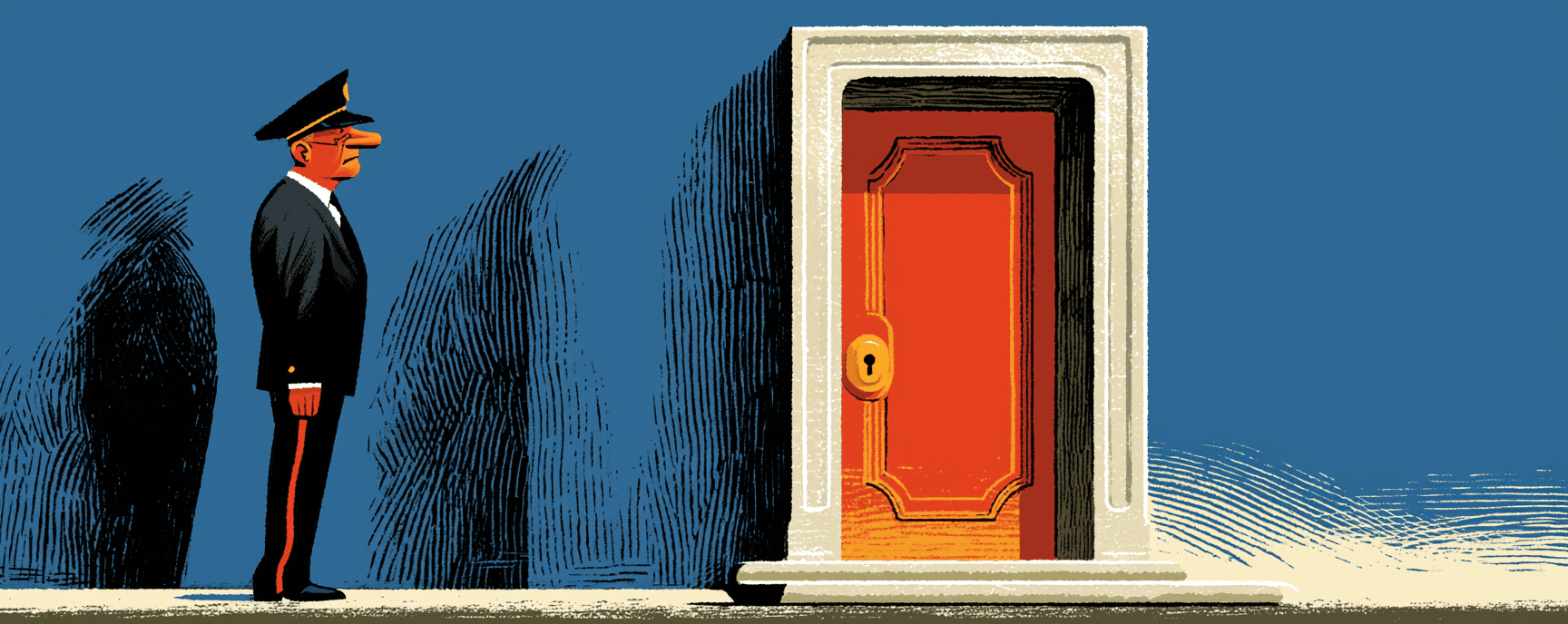
Right Case, Wrong Room
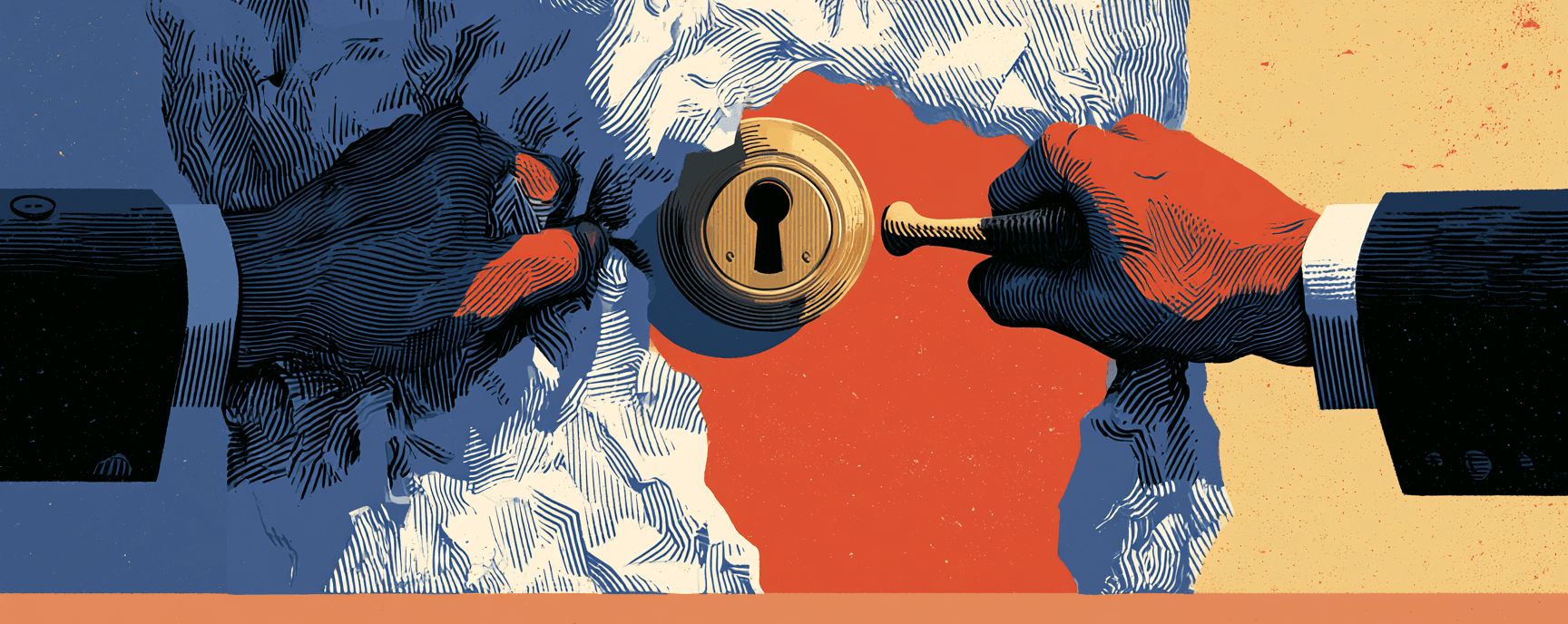
Your strongest case study can be the wrong answer. When the room evaluates for probabilistic AI design and you lead with enterprise platform trust, the buyer doesn't think you picked the wrong slide. They think this is your best proof, and it doesn't match. Four mismatch scenarios with the scorecard language that kills your candidacy and the one diagnostic question that catches it before you hit send.

Solo Builds Need a Bridge
Picking the right case is half the problem. The other half: framing it so the buyer reads "leader" instead of "IC." You built three live AI agents. That's rarer proof than almost any Director+ candidate can show. But solo builds without one explicit sentence connecting them to team leadership get filed under "strong builder, unclear on leadership." The bridge pattern that changes the read, shown across three formats. Same projects. Different verdict.
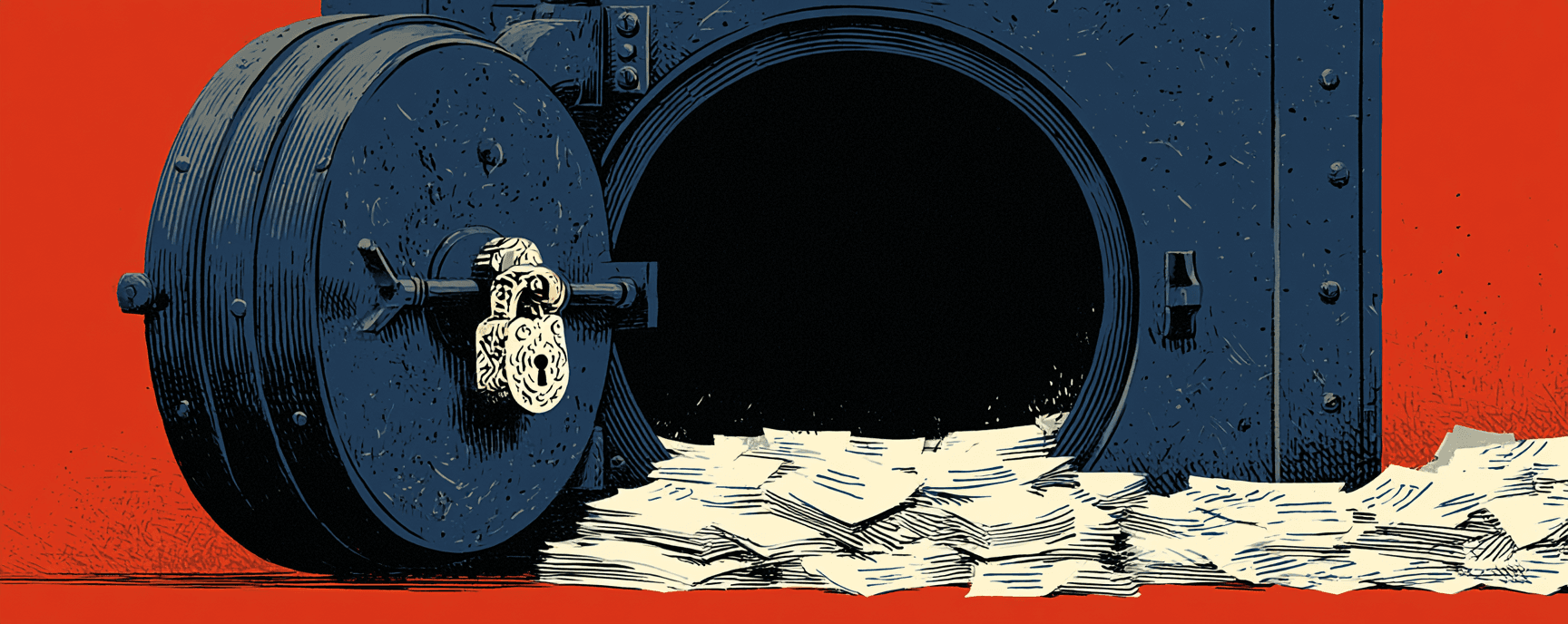
Five Labs vs. Three

Your site says "three live agents built solo" but shows four links. Creator Scout is gone. UAT Sentinel is there but has no published case narrative. Leave it out of outreach until you've written one. The canonical external set is still Brand Pulse, Retail Velocity, Carrier IQ.
More important: name one per message, not three. The moment you list all of them, the read shifts from she already solved our specific problem to she has a collection of demos. The labs share a single thesis: when an agent acts, what does the human watching it need to see? That thesis is your positioning asset. One named lab proves it. Three named labs turn it into a catalog.
Pick the lab that matches the buyer's anxiety, not the one you're proudest of. Carrier IQ for regulated workflow buyers. Brand Pulse for AI-native and oversight-pattern buyers. Retail Velocity only when field-ops intelligence is the product surface.
Fix the 3-vs-4 count mismatch before any outreach to OpenAI or Ramp. Their people will view-source.
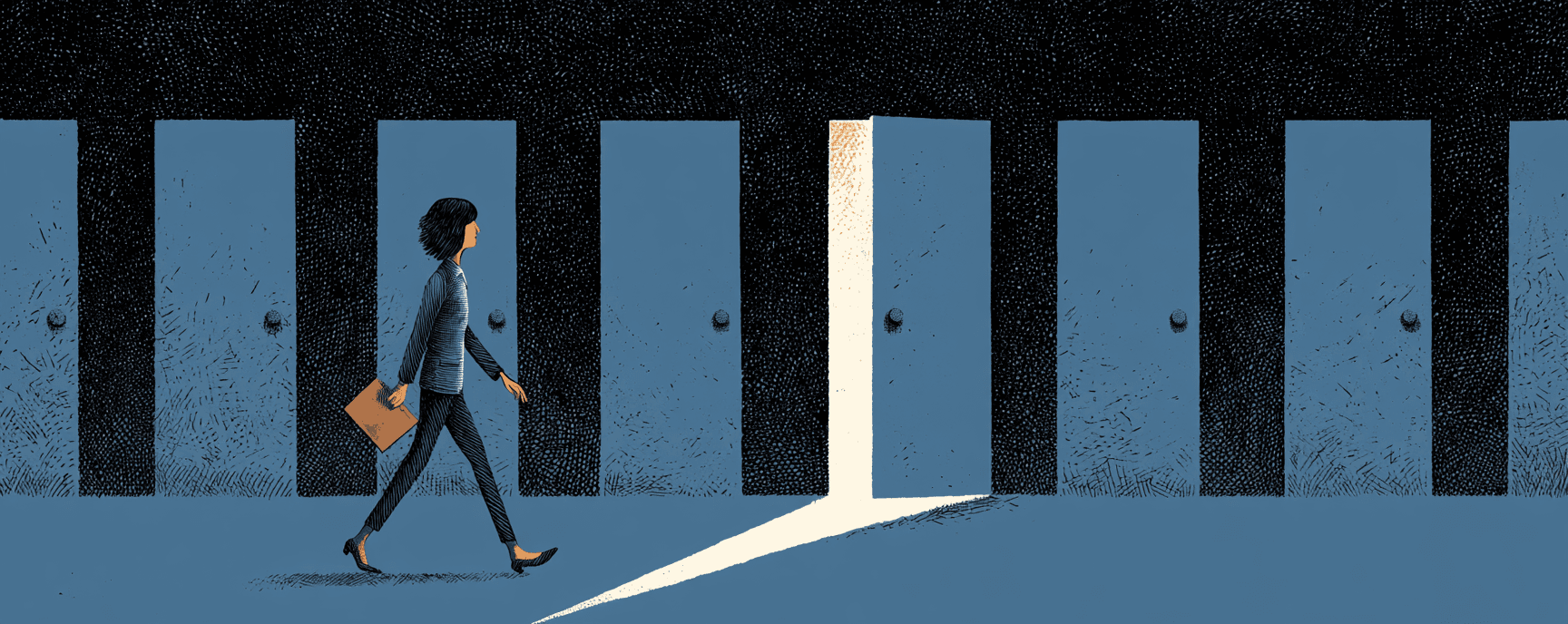
Match the Letter to the Fear

Every company hiring a design leader at Director+ carries a specific anxiety into evaluation. Frontier AI buyers fear you'll treat the model like a database. Regulated-platform buyers fear you'll fight their constraints and leave. Enterprise buyers fear you'll be invisible outside the design org. Same candidate, four different letters, each one matched to the buyer's fear, with draft-ready language grounded in published portfolio evidence. Tuesday July 7 lands in cleared post-holiday inboxes with fresh H2 budgets behind them. The frameworks are below. The window is narrow.
Match the Letter to the Fear
Every company hiring a design leader at Director+ carries a specific anxiety into evaluation. Frontier AI buyers fear you'll treat the model like a database. Regulated-platform buyers fear you'll fight their constraints and leave. Enterprise buyers fear you'll be invisible outside the design org. Same candidate, four different letters, each one matched to the buyer's fear, with draft-ready language grounded in published portfolio evidence. Tuesday July 7 lands in cleared post-holiday inboxes with fresh H2 budgets behind them. The frameworks are below. The window is narrow.