

Issue Frame
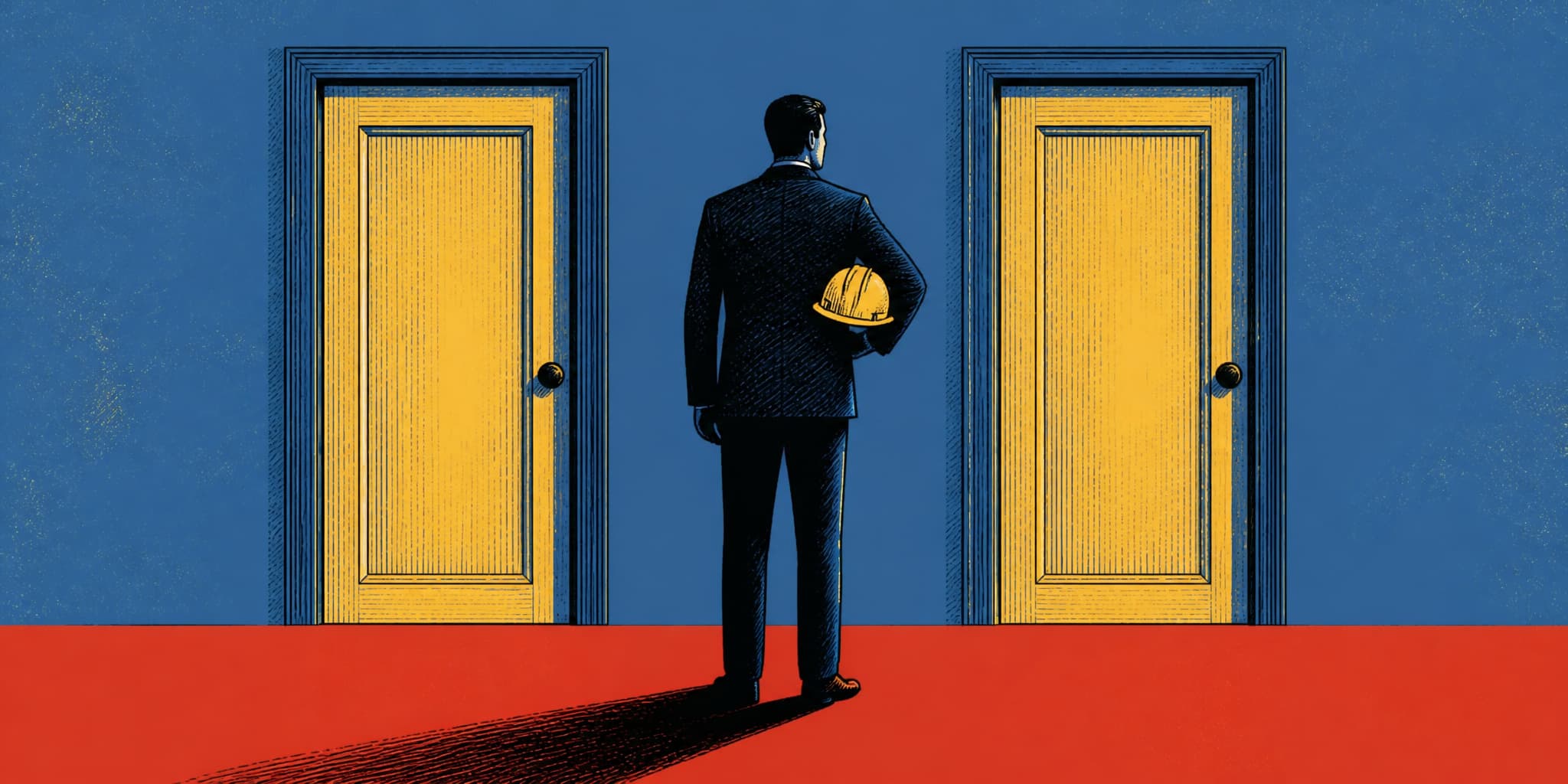
Two roles at Stripe, two scorecards. Link scores zero-to-one interaction quality and a new visual language; Risk scores policy translation and compliance coherence. Same company, same tier. Classify the role first.
Name the type from posting language. Five recur across your four tiers (right column). High confidence: this is legible in the current postings, not inferred from pattern.
Weight the evidence by tier. AI-native rooms open on product and outcome evidence. Enterprise panels score strategic, product, and outcome equally. Regulated panels want consequence and measured outcome before they look at craft.
Order the cases. Lead with the one that answers what the room fears will break, and hold a second for the objection that follows it.
Bridge with TinyFish. It buys currency: you are deploying production agents right now. junochen.com carries the design judgment. Don't reverse those two jobs.
Landmine: trust and governance vocabulary with no inspectable artifact behind it. Amplitude's posting says it will ask what you built and what you learned.
Ask on the first call: at the most consequential transition in the product, what evidence is required, and whose judgment can change what happens next?
Classify the Role First. Position Second.
Adobe has two senior IC design roles open right now. One is built around model capabilities. The other unifies identity, assets, and enterprise administration. Same level, wholly different scorecards. Salesforce runs the identical split across a VP and a Director. Title tells you almost nothing about how you will be assessed. Five evaluation archetypes do, and you can sort a posting into one of them in ninety seconds using three instruments: adjacency, consequence vocabulary, and where the hands-on expectation actually sits. Load the wrong model and nothing you say will be wrong. It will just answer a scorecard nobody in the room is holding.

What Survives the Second Question: Your Evidence, Graded by Archetype
Product and design judgment holds in all four rooms. Organizational evidence peaks twice, on two different things. Outcome evidence peaks in three cases. No case carries all three, and one of your most attractive numbers was not moved by your work. What follows: which archetype you walk into best armed, which one preparation cannot repair, and the four separate reasons a cell in your evidence grid comes up thin. Only one of the four responds to a prepared failure story. Prepare one for the other three and you have spent the week in the wrong place.

Rehearse the Opening: One Case, Four Rooms
There are four ways to open the Red Cross case. One of them fits the room you're about to walk into. The other three tell the evaluator you're a different candidate than you are. An enterprise design VP, an AI-native design lead, a clinical reviewer, and a founder are each scanning for something different, and none of it is what the posting said. Below: what each room is actually checking, the entry line to use, what to foreground, what to compress, and the places your own published pages will pull you the wrong way under pressure.

Four Rooms Doubt Your Title, and Not for the Same Reason
You describe yourself twice before anyone looks at your work. Recruiter screen, then hiring manager, both written into a scorecard that travels with you. Your portfolio opens as evidence for a label already on file. Head of Product triggers four labels, not one. AI-native suspects you no longer make. Growth-stage suspects you will delegate. Enterprise suspects you have never run a function. Healthcare suspects you have never paid for a wrong answer. Four unrelated doubts, one three-beat sequence that clears all four, and the specific sentences that lock in the wrong read before you get a second chance at it.