Stress-Testing the Heat-Protection System


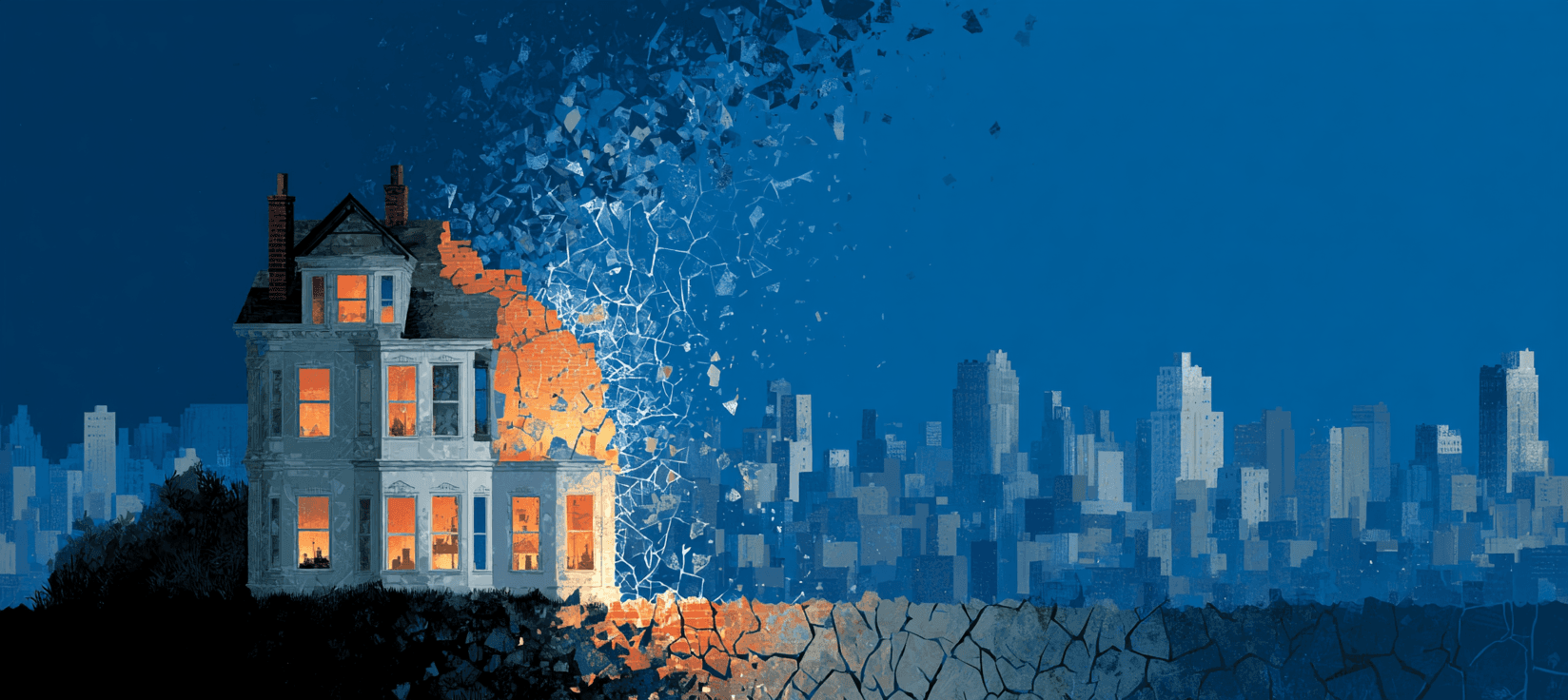
On April 8, 2026, OSHA's main enforcement tool for workplace heat expired. A replacement appeared two days later. Nobody noticed the gap. This is how the entire heat-protection system operates: components in various stages of construction, expiration, and replacement, with seams invisible until someone dies in one. The proposed federal standard has sat in regulatory limbo since October. The enforcement program substituting for it just dropped its inspection benchmarks. Five states built their own rules; the rest rely on a 1970 clause that requires proving heat is dangerous each time a worker collapses. Arizona and California share a desert. Their outcomes track the regulatory difference exactly as you'd expect.
Stress-Testing the Heat-Protection System
On April 8, 2026, OSHA's main enforcement tool for workplace heat expired. A replacement appeared two days later. Nobody noticed the gap. This is how the entire heat-protection system operates: components in various stages of construction, expiration, and replacement, with seams invisible until someone dies in one. The proposed federal standard has sat in regulatory limbo since October. The enforcement program substituting for it just dropped its inspection benchmarks. Five states built their own rules; the rest rely on a 1970 clause that requires proving heat is dangerous each time a worker collapses. Arizona and California share a desert. Their outcomes track the regulatory difference exactly as you'd expect.
The Unwritten Rules
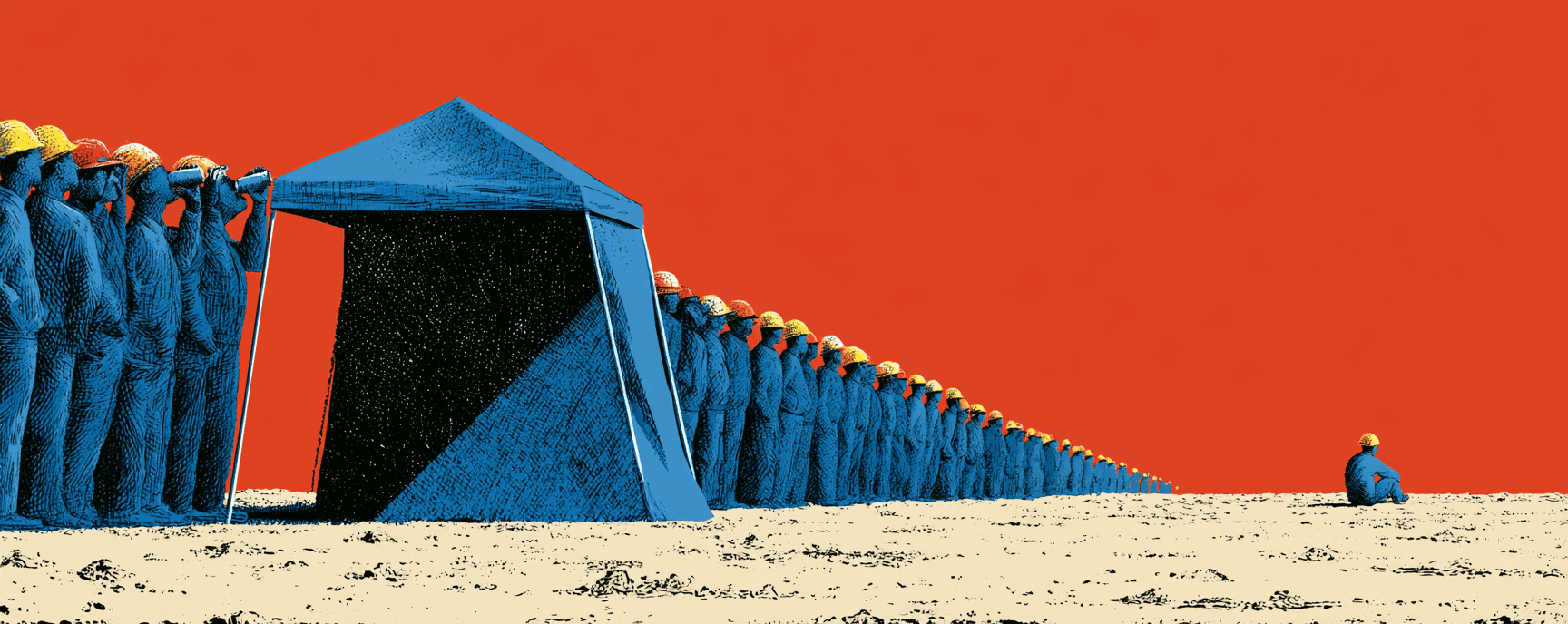
Every summer, a safety system with no manual, no federal authority, and no name governs millions of outdoor workdays. It lives in the habits of crew leads and the memories of experienced workers, transmitted in morning huddles and in the way a foreman watches a new hire's color at two in the afternoon. Its core elements — water, shade, rest, acclimatization, watching each other — were never voted on. They emerged because people who did the work figured out what kept them alive and told the next person. The system's successes produce non-events. Its failures produce OSHA files. Everything documented about this knowledge architecture comes from the points where the human chain broke.
The Unwritten Rules
Every summer, a safety system with no manual, no federal authority, and no name governs millions of outdoor workdays. It lives in the habits of crew leads and the memories of experienced workers, transmitted in morning huddles and in the way a foreman watches a new hire's color at two in the afternoon. Its core elements — water, shade, rest, acclimatization, watching each other — were never voted on. They emerged because people who did the work figured out what kept them alive and told the next person. The system's successes produce non-events. Its failures produce OSHA files. Everything documented about this knowledge architecture comes from the points where the human chain broke.

A 5 AM Conversation with Del Ramsgate, Who Built the Only Heat Rule Her Crew Has
CONTINUE READINGThe Disappearing Death
Heat kills through the cardiovascular system, the kidneys, the brain. The physician completing a death certificate records what stopped: cardiac arrest, organ failure. One study found 56.8% of medical trainees made exactly this substitution, listing the mechanism rather than the trigger.
Then the OSHA 300 log. Employers fill it out. Employers also run incentive programs rewarding stretches without recordable incidents, programs OSHA itself found suppress reporting. Temporary and undocumented workers frequently never appear on the log at all.
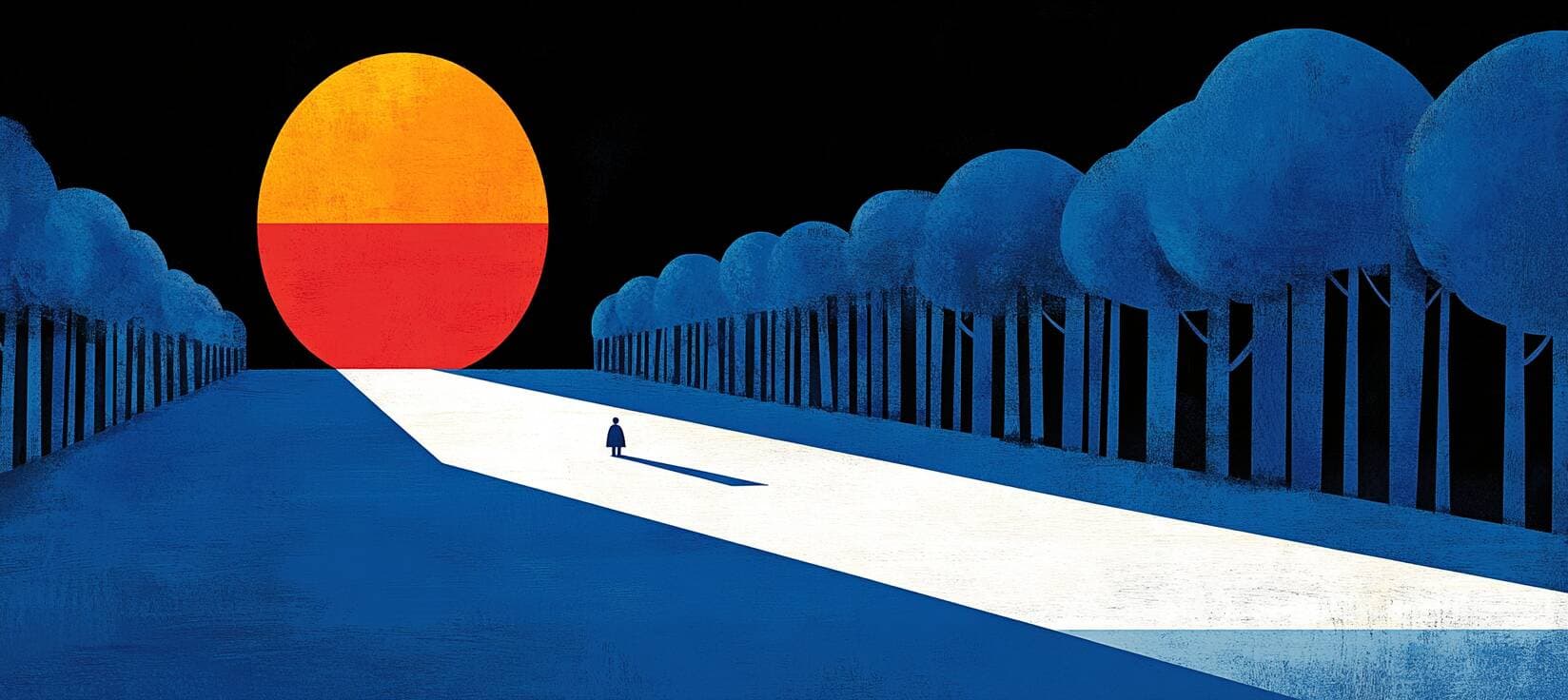
By the time the data reaches the Bureau of Labor Statistics, it shows 33 heat deaths per year. OSHA's own estimate is 559. Every form in the chain is functioning. Each one strips the heat away.