Isaac Cline and the Seawall Galveston Never Built

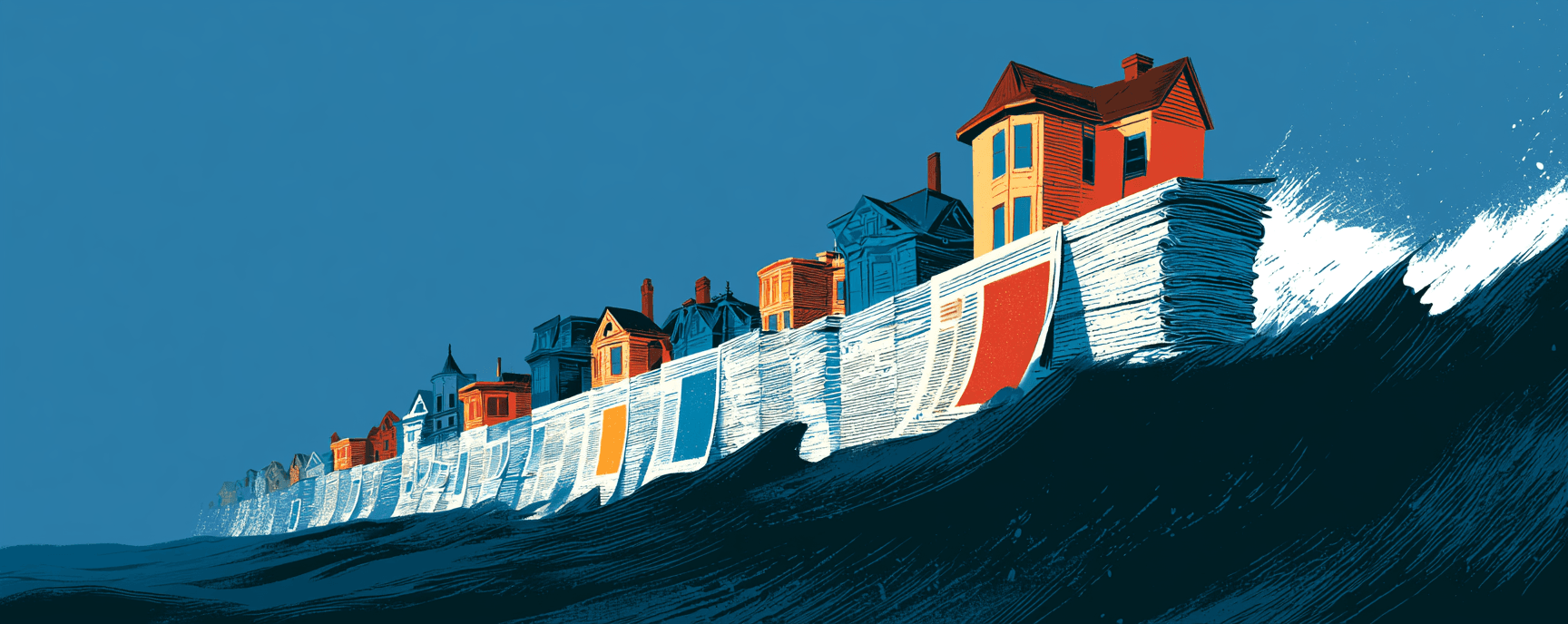
In 1886, after a hurricane erased a rival port city from the map, Galveston authorized a bond to build a seawall. The money was never spent. Five years later, the federal government's chief meteorologist on the island published an article calling storm surge fears "an absurd delusion." He had analyzed twenty storms. His science was standard doctrine. His confidence gave a city already looking for permission to stop worrying exactly what it needed. On September 8, 1900, fifteen feet of water covered every inch of the island and killed at least six thousand people. The meteorologist survived, and spent the next three decades becoming one of the most accurate forecasters in American history.
Isaac Cline and the Seawall Galveston Never Built
In 1886, after a hurricane erased a rival port city from the map, Galveston authorized a bond to build a seawall. The money was never spent. Five years later, the federal government's chief meteorologist on the island published an article calling storm surge fears "an absurd delusion." He had analyzed twenty storms. His science was standard doctrine. His confidence gave a city already looking for permission to stop worrying exactly what it needed. On September 8, 1900, fifteen feet of water covered every inch of the island and killed at least six thousand people. The meteorologist survived, and spent the next three decades becoming one of the most accurate forecasters in American history.
The Engineering Response

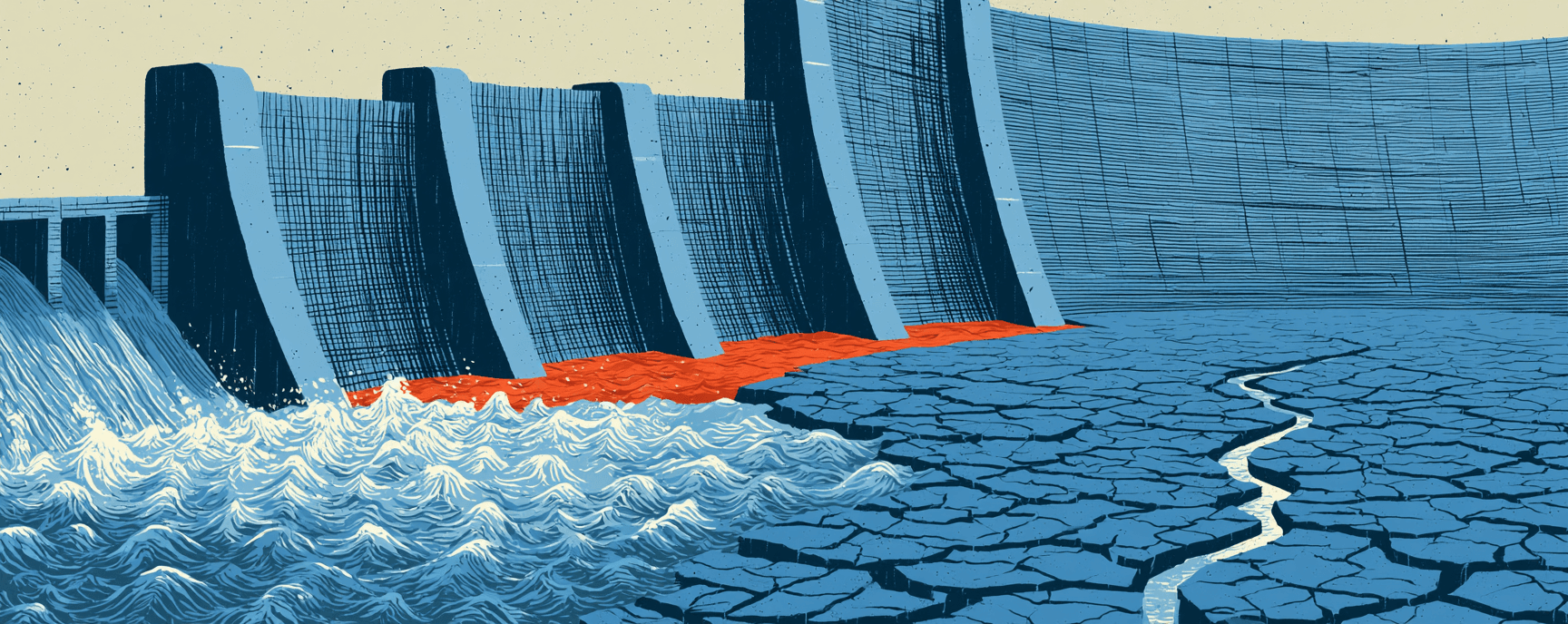
The three-member engineering board convened after the 1900 disaster spent four months studying storm hydraulics before recommending something without American precedent: a 17-foot curved concrete seawall and the raising of 500 city blocks with 16.3 million cubic yards of dredged sand.
Galveston built it all. The wall held against every subsequent storm. But curved concrete reflects wave energy downward, and that energy scoured the shoreline. The wide beach that had defined Galveston as a resort destination slowly disappeared behind the very structure meant to preserve it.

An Imagined Conversation with Isaac Cline, Who Used the Word "Impossible"
CONTINUE READINGConfidence and Its Alternatives
The Man Who Built for the Flood He Hadn't Seen
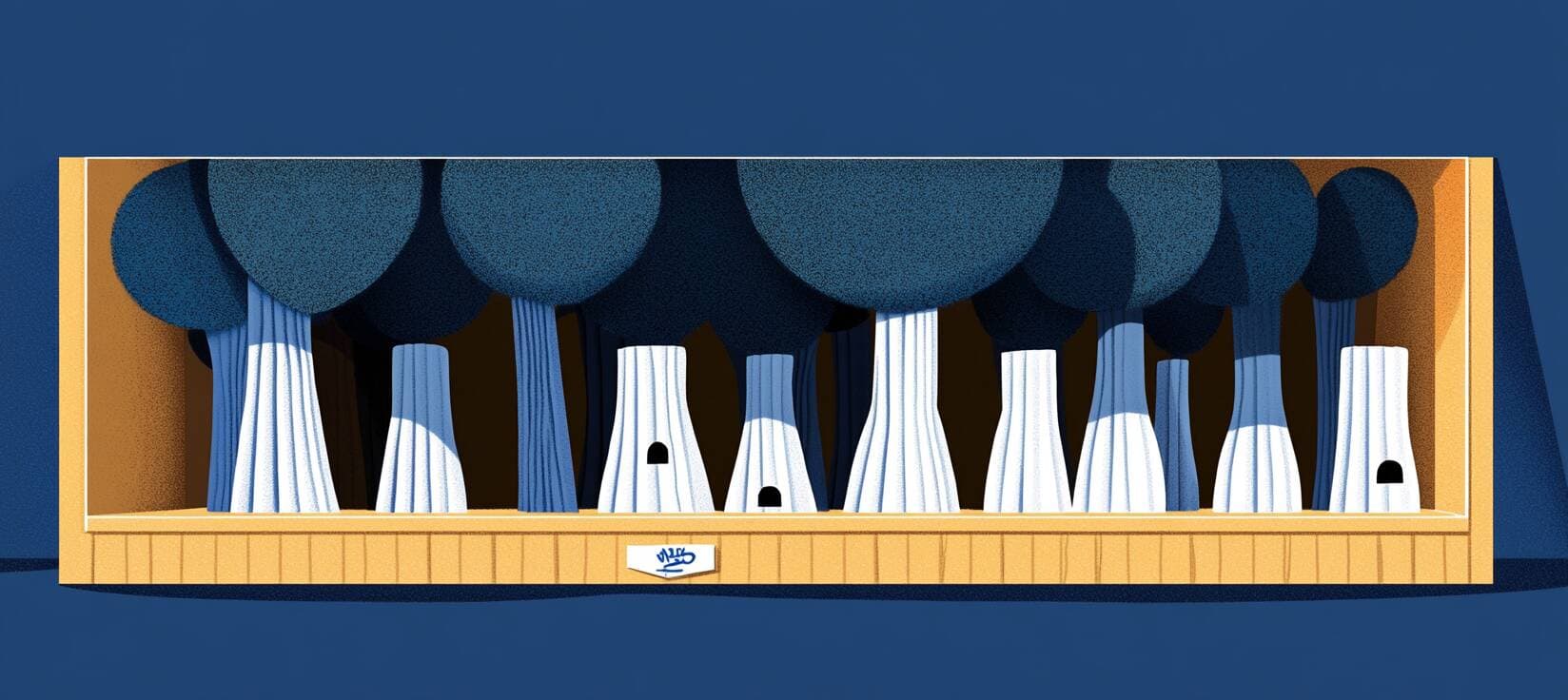
After the 1913 flood killed 400 people and put Dayton under twenty feet of water, a self-taught engineer gathered half a million rainfall data points, calculated the worst storm the record could show him, then added forty percent. His five dry dams have caught floodwaters more than two thousand times since 1922. Total damage downstream: zero. Most people who live behind the system have never heard of it.

The Galveston Gate
The coastal barrier named after Hurricane Ike is designed, by institutional constraint, to handle the wind classification of Hurricane Ike but not the storm surge of Hurricane Ike. Design contracts were signed six months ago. The $57 billion project has received $5.5 million in federal funding. The next major hurricane will arrive on its own schedule.
Further Reading